Madikeri Fort
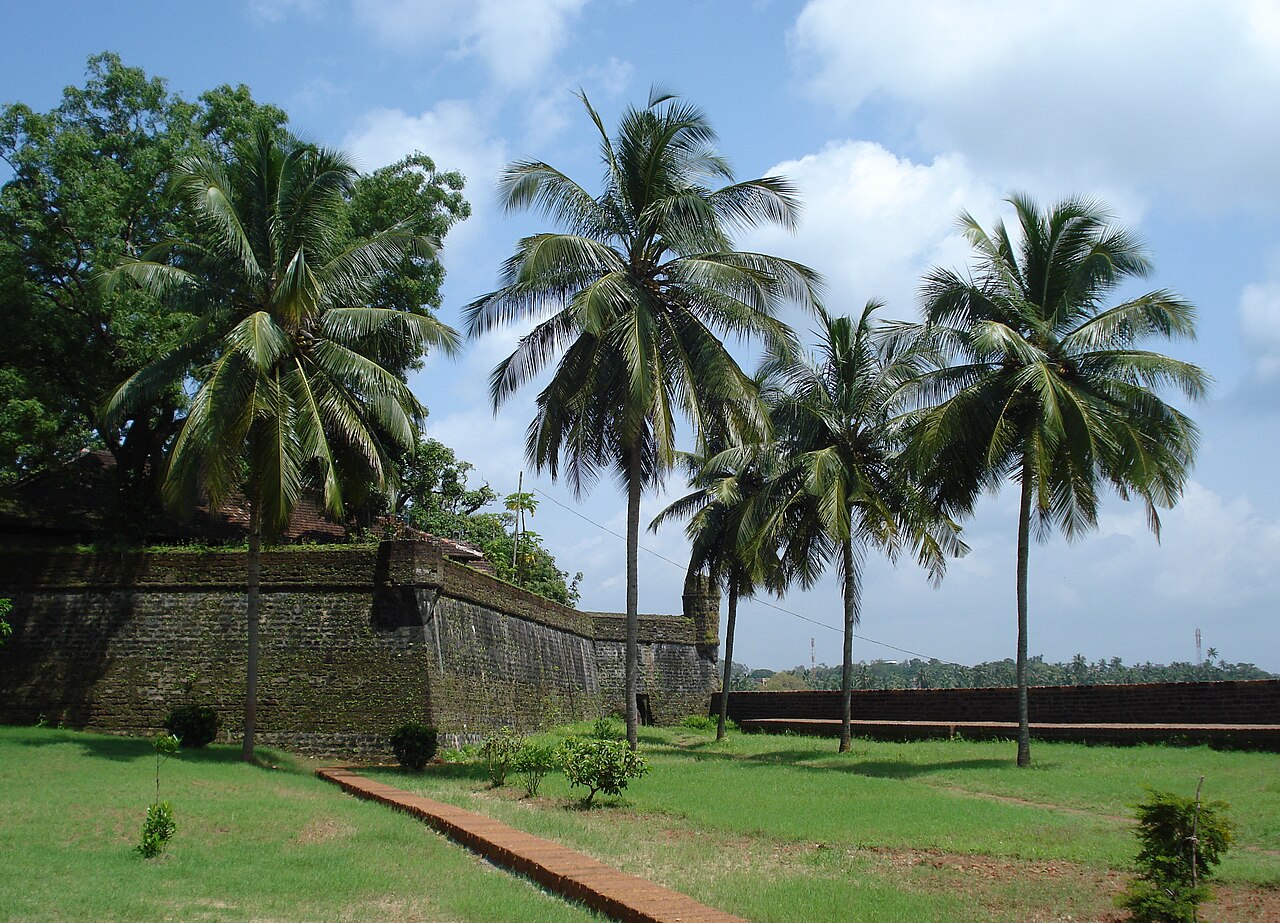
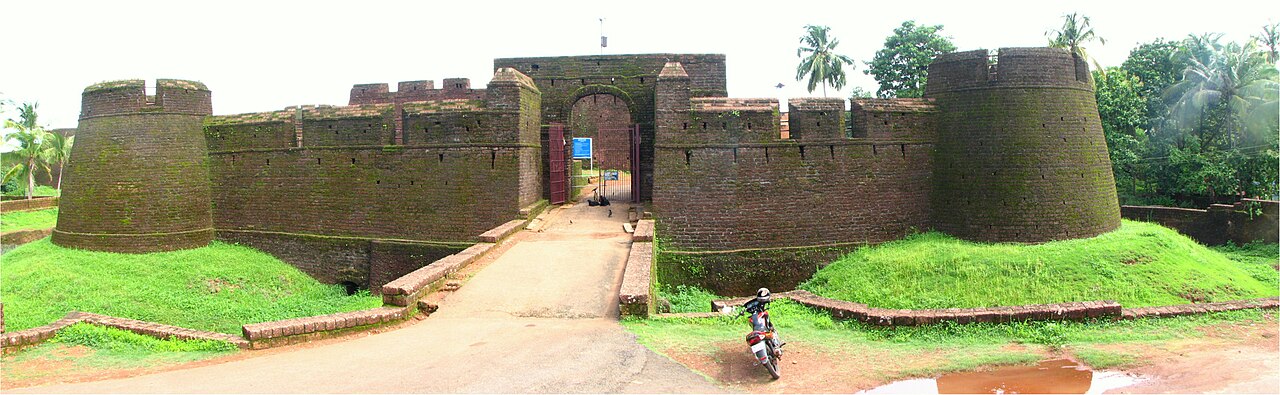
Madikeri Fort, also known as Mercara Fort, is a prominent bastioned fortress located in the town of Madikeri in the Kodagu district of Karnataka, India. Originally constructed in the second half of the 17th century by Mudduraja, a king of the Lingayath faith from the Bedanur royal house, the fort was initially built as a strategic stronghold and royal residence. Mudduraja also commissioned the palace within the fort, which served as the administrative and residential center for the ruling family.
Architectural evolution and strategic importance
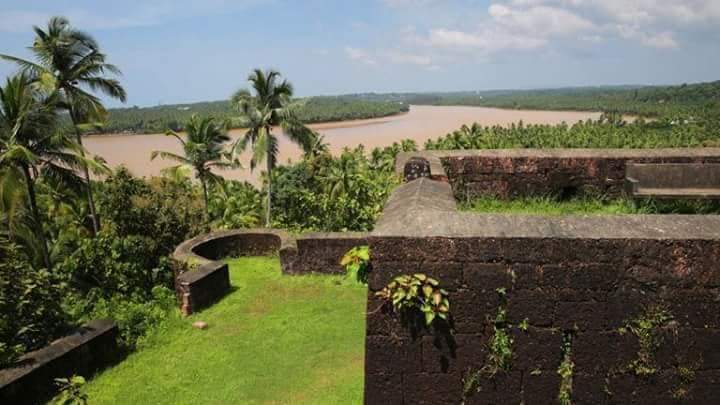
The fort underwent significant transformation under the reign of Tipu Sultan in the 18th century. Tipu Sultan rebuilt and reinforced the fort using granite, enhancing its defensive capabilities and renaming it Jaffarabad. This reconstruction reflected the military architectural trends of the time, emphasizing thick bastioned walls designed to withstand artillery attacks. The fort's design incorporates multiple bastions and stone gateways, which provided vantage points for surveillance and defense.
Notable features
Among the fort's distinctive features are two imposing stone elephant statues positioned at the northeast entrance, symbolizing strength and protection. The fort also contains a church located in the southeast corner, constructed in 1859 by soldiers of the East India Company with funds from the Madras Presidency. This church, known as St. Mark's Church, was administered by the Madras Diocese of the Church of England until Indian independence, after which it was closed and later taken over by the Government of Karnataka in 1971.
Historical timeline and rulers
After Tipu Sultan's renovations, the fort was captured in 1790 by Dodda Vira Rajendra, a key figure in Kodagu's history who restored local rule. Subsequently, the palace within the fort was renovated between 1812 and 1814 by Linga Rajendra II, further enhancing its residential and administrative functions. The British colonial administration made additional modifications to the fort in 1834, reflecting its ongoing strategic and administrative importance during the colonial period.
Current use and cultural significance
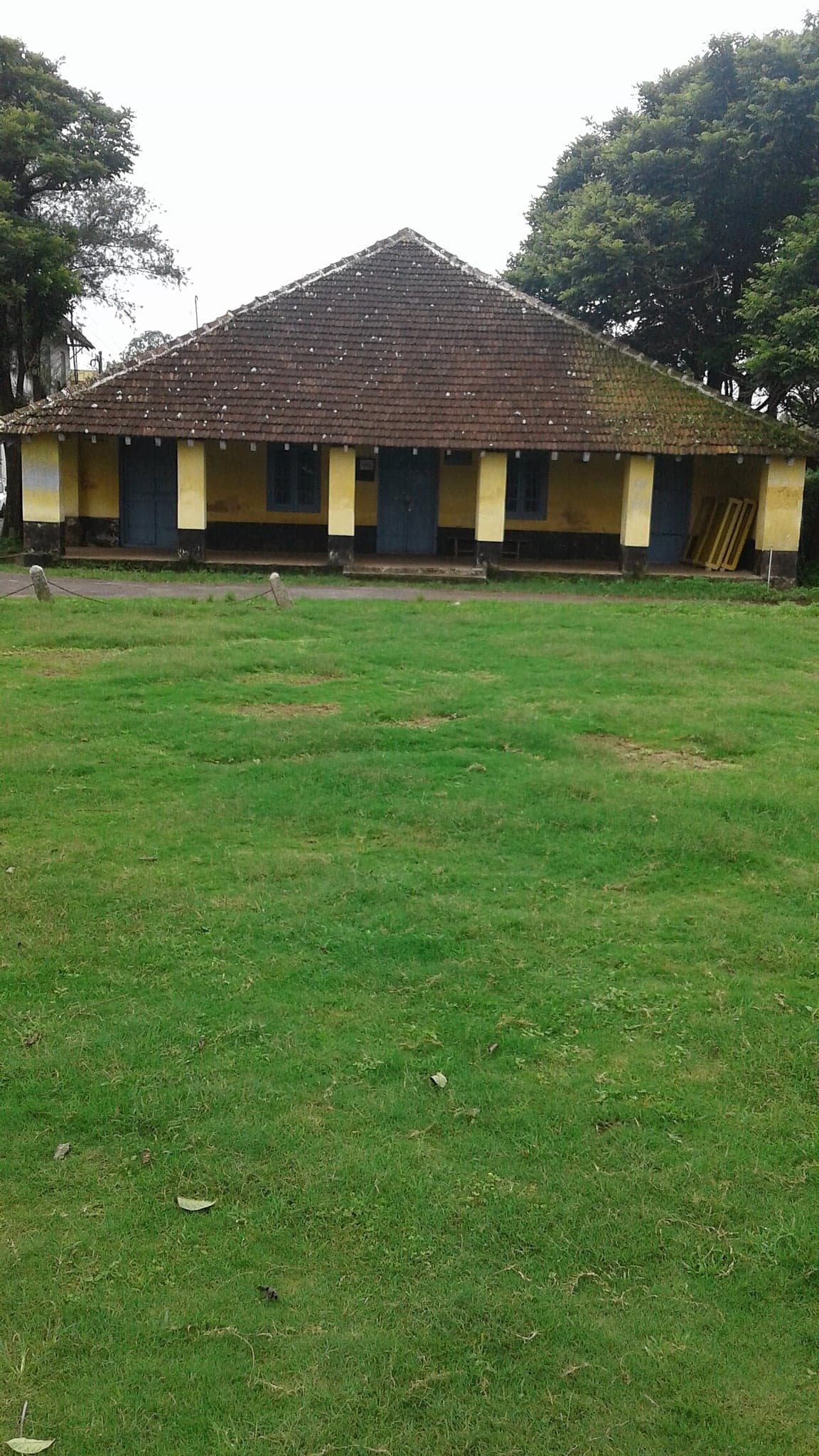
Today, the palace building within Madikeri Fort houses the Madikeri Deputy Commissioner's Office, maintaining its role as an administrative center. St. Mark's Church now serves as the Madikeri Fort Museum, managed by the Karnataka State Archaeological Department. The museum's exhibits include artifacts and weaponry from the fort's extensive history, spanning from its original construction through the British colonial era. Among the museum's notable displays is a large portrait of Field Marshal K. M. Cariappa, a distinguished military leader from India.
Museum collections and visitor experience
The museum offers visitors insight into the region's military and cultural history, showcasing historical weapons, royal memorabilia, and other relics that illustrate the fort's role in regional conflicts and governance. The preservation of the fort and its adaptive reuse as a museum and government office highlight its enduring significance in Karnataka's heritage.
Frequently asked questions (FAQ)
- How do I visit Madikeri Fort and what are the opening hours?
- Madikeri Fort is open to visitors daily, typically from morning until evening. It is advisable to check local resources or the Karnataka State Archaeological Department's website for the most current visiting hours and any special restrictions.
- What is the historical significance of Madikeri Fort?
- Madikeri Fort has a rich history dating back to the 17th century, with significant renovations by Tipu Sultan and later rulers. It reflects the military architecture and political history of the Kodagu region and British colonial period.
- Can I see the museum inside Madikeri Fort?
- Yes, the Madikeri Fort Museum is housed within St. Mark's Church inside the fort. It displays artifacts, weaponry, and historical exhibits related to the fort's history and the Kodagu region.
- Is Madikeri Fort accessible for people with mobility issues?
- While the fort grounds are generally accessible, some areas may have uneven terrain or steps. Visitors with mobility concerns should plan accordingly and may contact the site management for specific accessibility information.
- What architectural features make Madikeri Fort unique?
- Madikeri Fort is notable for its bastioned granite walls, stone elephant statues at the entrance, and the integration of a colonial-era church within its complex, reflecting a blend of military and cultural influences.
Photo gallery

Information
Current owner
Government of Karnataka
Loading map...
Visitor reviews
No reviews yet. Been here? Write the first review and help other travelers!
Write the first reviewVisited this castle? Share your experience
Your review helps other travelers and adds first-hand knowledge to our encyclopedia.