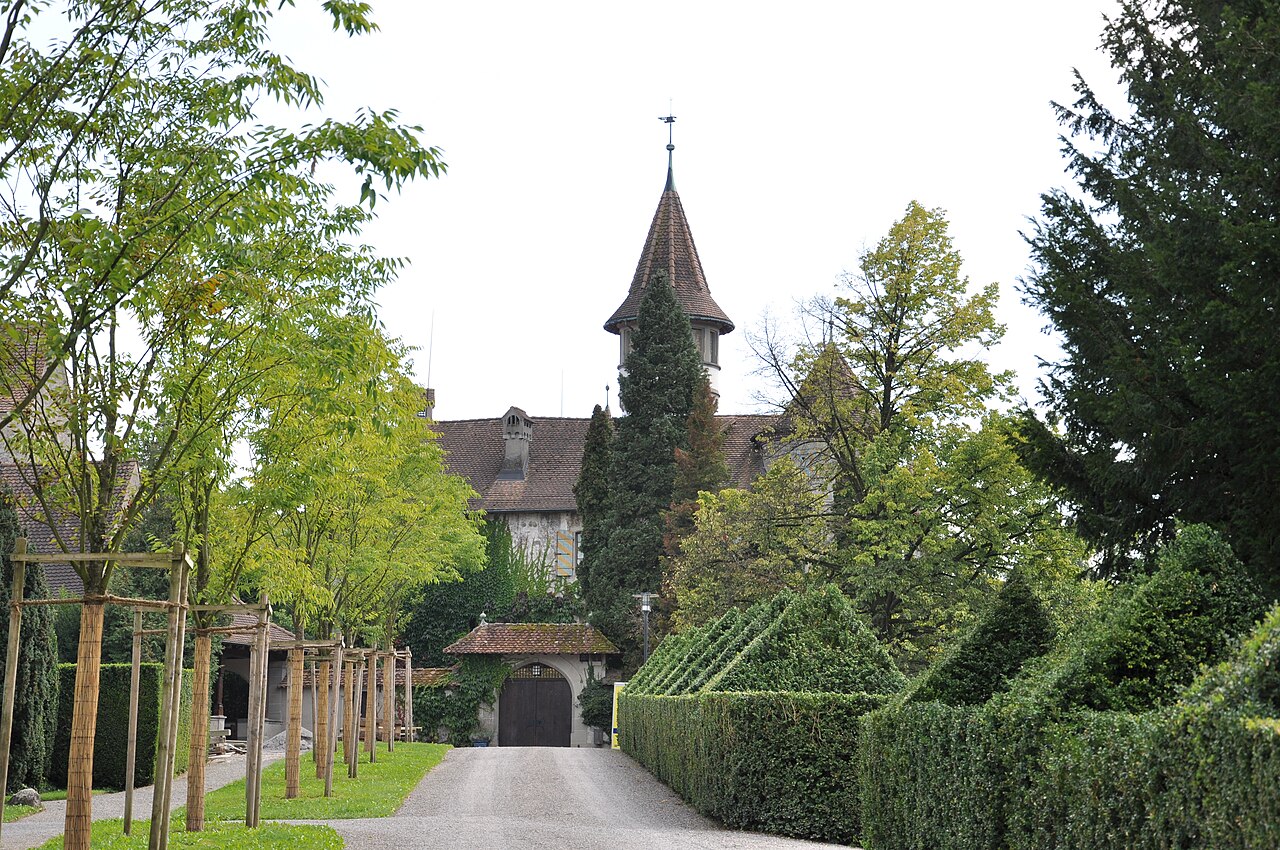
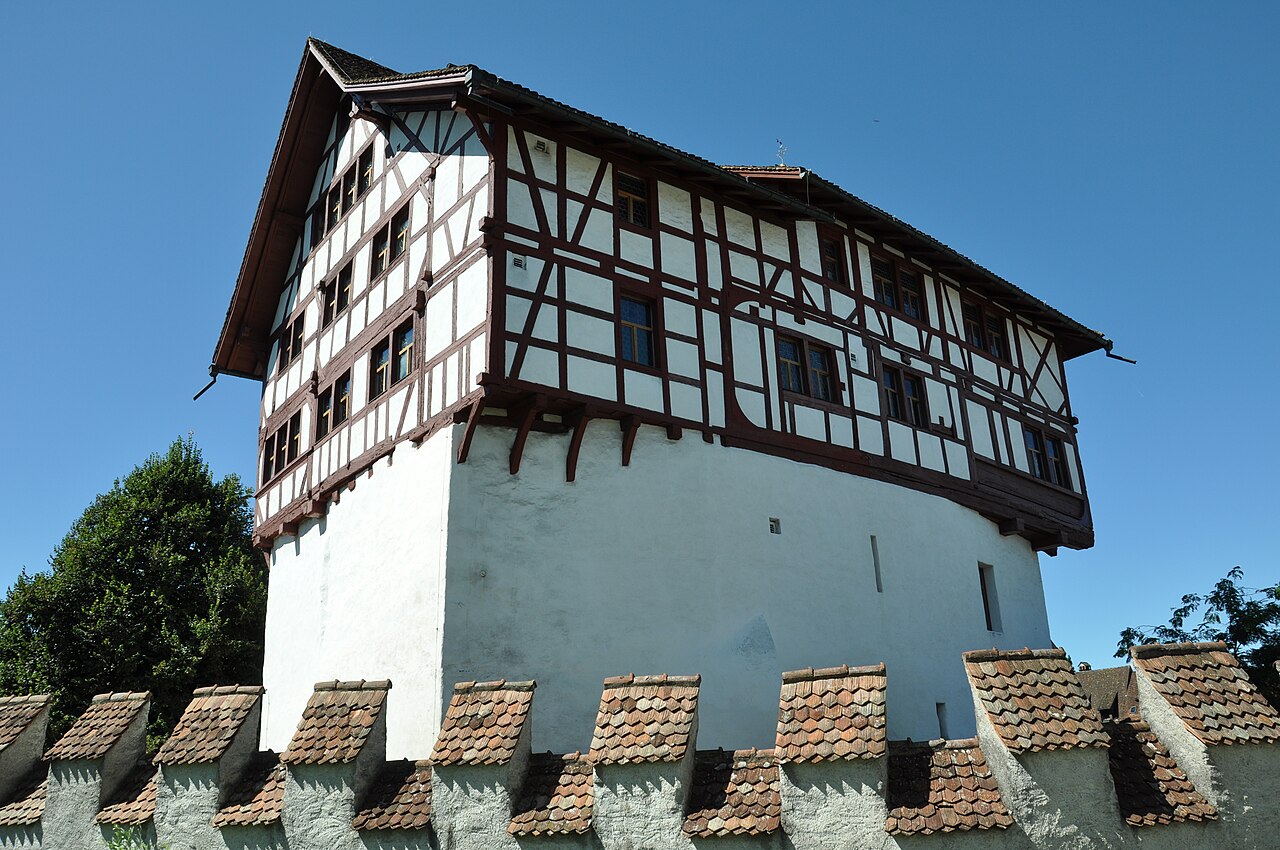
Hünenberg Castle
Hünenberg Castle is a notable medieval hill castle located in the municipality of Hünenberg, Switzerland. Constructed originally in the 12th century, it stands as a significant example of high medieval fortification architecture and offers valuable insights into the region's feudal history and early defensive structures. The castle's earliest recorded mention dates to 1173, linking it closely to the noble Hünenberg family, who were influential in the surrounding area during the Middle Ages.
Early origins and strategic location
The site of Hünenberg Castle was initially fortified around 1100 AD with earth and timber defenses, taking advantage of its wooded hilltop position nestled between two streams. This naturally defensible location was typical for hill castles of the period, providing both protection and control over the surrounding landscape. Early fortifications included a stone wall that replaced earlier wooden palisades, marking a transition to more durable construction methods as the castle evolved.
The hünenberg family and castle development
The castle served as the ancestral seat of the knights of Hünenberg, a noble lineage first documented in 1173. The family held multiple properties in the region, including St. Andreas Castle in Cham, Wildenburg Castle in Baar, and Zug Castle, reflecting their regional prominence. By the 13th century, the Zug branch of the family was well established, with records from 1239 and 1240 confirming their influence.
Following destructive fires in the late 12th and early 13th centuries, the castle underwent significant rebuilding. The reconstruction featured a substantial bergfried—a large main tower with walls approximately three meters thick, built from massive stones using megalithic techniques. This tower was complemented by a palas, a residential building designed for the noble occupants, marking a shift towards combining defensive and domestic architecture.
Historical events and decline
During the Battle of Sempach in 1386, the Hünenberg family allied with the Habsburgs but suffered defeat. The castle was destroyed in the aftermath, signaling the beginning of the family's decline. Over the subsequent decades, their power waned, culminating in the sale of the ruined castle and its associated rights in 1416 to the Bütler brothers from the nearby village of Hünenberg.
Despite the castle's ruin, the bergfried remained standing into the 19th century, serving as a prominent landmark and testament to the site's medieval heritage.
Archaeological rediscovery and preservation
In 1944, local farmer and judge Emil Villiger initiated volunteer-led excavations to uncover the castle remains, completed by 1945. Recognizing its cultural importance, the site was granted federal protection in 1961. Further archaeological investigations and conservation efforts took place between 2005 and 2009, including stabilization of the bergfried, which had undergone minimal restoration during the initial excavations.
Radiocarbon dating of mortar samples from the tower confirmed its construction around the mid-13th century, corroborating historical records of the castle's rebuilding phase.
Architectural features and surviving remains
The castle's most prominent surviving structure is the bergfried, characterized by its massive stone construction and thick walls designed for defense. This tower dominated the hilltop and was a key element of the castle's fortifications. The palas remains include fragments of its exterior walls, reflecting the residential aspect of the castle complex.
Among the architectural details is a Romanesque-style window arch adorned with a lion relief, illustrating the artistic tastes of the medieval period and adding decorative interest to the ruins.
Ancient significance and roman connections
Near the castle site, a hoard of 68 Roman copper and silver coins dating from approximately 150 BC to 250 AD was discovered in 2006. This collection, mostly comprising small denominations with a few silver pieces, is believed to have been votive offerings to a Roman sanctuary rather than a buried treasure or loot. This find indicates the area's long-standing spiritual and cultural importance predating the medieval castle.
Cultural heritage and current status
Today, Hünenberg Castle is an archaeological site protected by the Swiss federal government. Its remains offer valuable insights into medieval castle construction, noble family history, and the transition from timber to stone fortifications in the region. The site attracts historians, archaeologists, and visitors interested in medieval architecture and Swiss heritage.
Frequently asked questions (FAQ)
- How do I get to Hünenberg Castle?
- Hünenberg Castle is easily accessible by public transport or car. If you are traveling by train, the nearest station is Hünenberg, which is a short walk from the castle. There are also parking facilities available for those driving to the location.
- What is the historical significance of Hünenberg Castle?
- Hünenberg Castle, dating back to the 13th century, is a notable example of medieval architecture in Switzerland. It played a crucial role in the region's defense and served as a residence for local nobility. Today, it stands as a testament to the area’s rich history and cultural heritage.
- When was Hünenberg Castle built?
- Hünenberg Castle was constructed in the early 13th century, making it one of the oldest castles in the region. Its strategic location was chosen to oversee trade routes and protect the area from potential invasions. Over the centuries, it has undergone several renovations to preserve its structure and beauty.
- Can I visit Hünenberg Castle year-round?
- Yes, Hünenberg Castle is open to visitors year-round, although the best time to visit is during the spring and summer months when the weather is pleasant. Certain areas of the castle may be closed during winter for maintenance or safety reasons, so it's advisable to check in advance before planning your visit.
- Why is Hünenberg Castle popular among tourists?
- Hünenberg Castle attracts tourists due to its stunning medieval architecture and picturesque surroundings. Visitors can enjoy guided tours that provide insights into the castle's history and architecture, making it a fascinating experience for history enthusiasts. Additionally, the scenic views of the surrounding countryside add to its appeal.
- Is it possible to host events at Hünenberg Castle?
- Yes, Hünenberg Castle offers facilities for hosting various events, including weddings, corporate gatherings, and private parties. The castle's enchanting atmosphere and beautiful gardens make it a unique venue for special occasions. It’s recommended to contact the castle administration for more details on booking and available services.
- What are the opening hours of Hünenberg Castle?
- Hünenberg Castle is typically open to visitors from 10 AM to 6 PM, but hours may vary depending on the season. It is advisable to check the official website or contact the castle directly for the most current opening hours before your visit. Guided tours may have specific time slots, so plan accordingly.
- What are the ticket prices for visiting Hünenberg Castle?
- Ticket prices for Hünenberg Castle are generally affordable, with discounts available for students and seniors. Children under a certain age may enter for free. Be sure to check the official website for the latest pricing information and any special promotions that may be running during your visit.
- Are there any nearby attractions to visit while in Hünenberg?
- Yes, there are several attractions near Hünenberg Castle, including beautiful hiking trails and local museums that highlight the area’s history. The charming village of Hünenberg itself offers quaint shops and cafes. A visit to nearby Lake Zug provides opportunities for scenic walks and recreational activities.
Information
Website
Visit websiteSources & official resources
Verify the information above using these authoritative references.
Loading map...
Visitor reviews
No reviews yet. Been here? Write the first review and help other travelers!
Write the first reviewVisited this castle? Share your experience
Your review helps other travelers and adds first-hand knowledge to our encyclopedia.