Spyker Castle
Spyker Castle, located in the village of Spyker within the municipality of Glowe on the Baltic Sea island of Rügen, Germany, stands as the oldest profane structure on the island. The castle's origins date back to the early 14th century, with the first documented mention in 1318. Initially owned by the Stralsund patrician family von Külpens, the estate passed by marriage in 1344 to the von Jasmund family, who established the Spyker branch that endured until 1648.
The historical evolution of Spyker Castle
The mid-17th century marked a pivotal era for Spyker Castle and the surrounding region. Following the Thirty Years' War, the Treaty of Westphalia in 1648 transferred control of Pomerania, including Rügen, to Sweden. In recognition of his military services, Queen Christina of Sweden granted the Spyker estate in 1649 to Carl Gustav Wrangel, a distinguished Swedish field marshal and later governor-general of Swedish Pomerania.
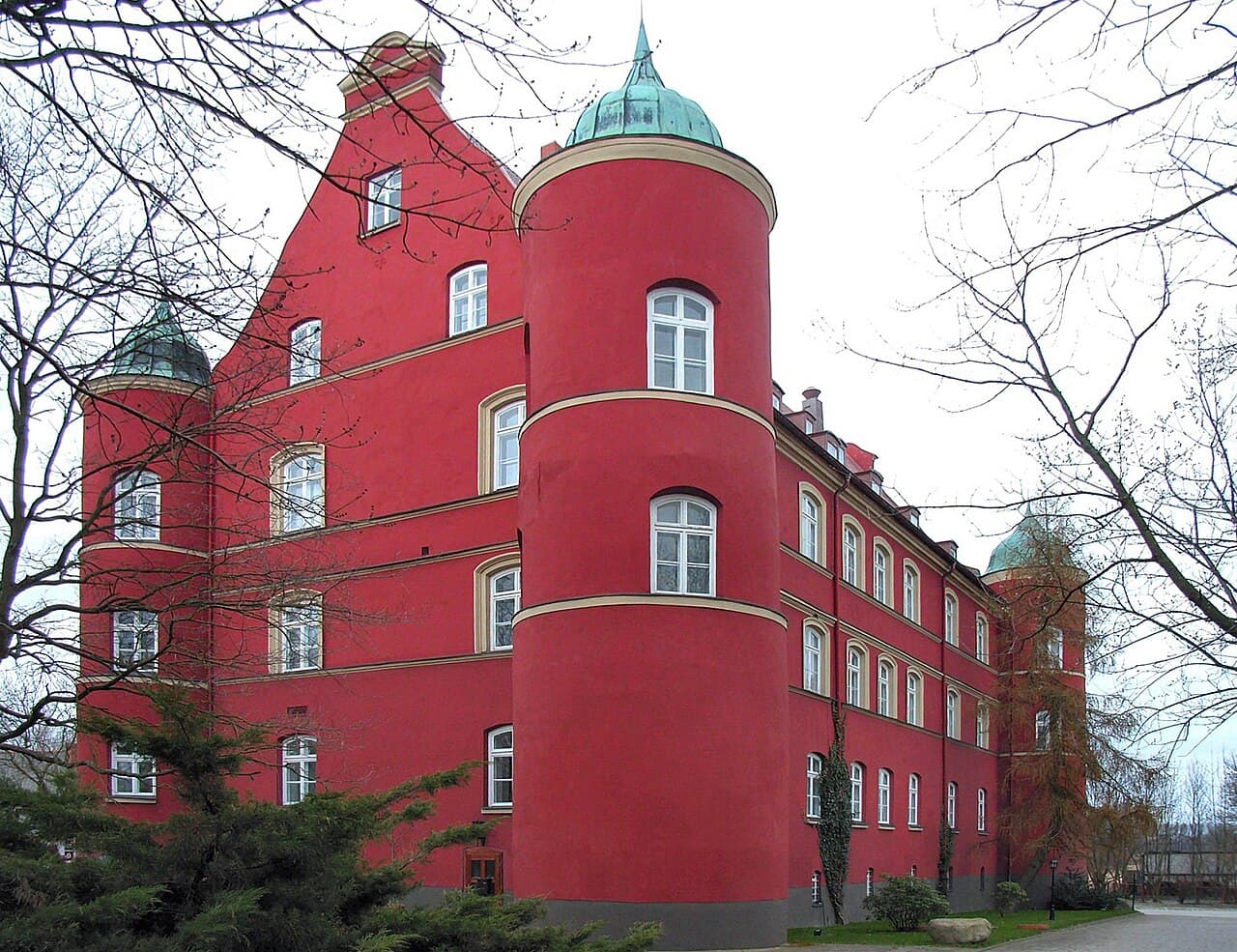
Wrangel undertook a comprehensive transformation of the medieval fortress around 1650, remodeling it into a Renaissance schloss featuring architectural elements characteristic of the period and painted in the distinctive Swedish Falu red plaster, a rare sight on Rügen. The castle's original defensive moat, typical of medieval fortifications, was retained during this transition but gradually lost its military function.
After Wrangel's death in 1676, the property passed to his daughter Eleanora-Sophia, married to the lord of Putbus. Following her death in 1687, ownership transferred to the Swedish noble family Brahe, connected by marriage to Eleanora-Sophia's sister. The castle's strategic importance persisted into the early 19th century, serving as the seat of the French governor of Rügen during the Napoleonic Wars in 1806-07.
Following the Congress of Vienna in 1815, Rügen was incorporated into Prussia. In 1817, the estate was sold to Prince Wilhelm Malte I of Putbus, whose family retained ownership until the Soviet land reforms of 1945. The castle subsequently fell into disrepair during the post-war years.
Architectural features and restoration
Spyker Castle is a three-story rectangular building primarily dating from the Renaissance reconstruction around 1650. Constructed of brick and coated with plaster, it is distinguished by its four round corner towers, which recall its medieval fortress origins. The exterior walls are covered with the characteristic Falu red plaster, a Swedish stylistic element uncommon in the Rügen region.
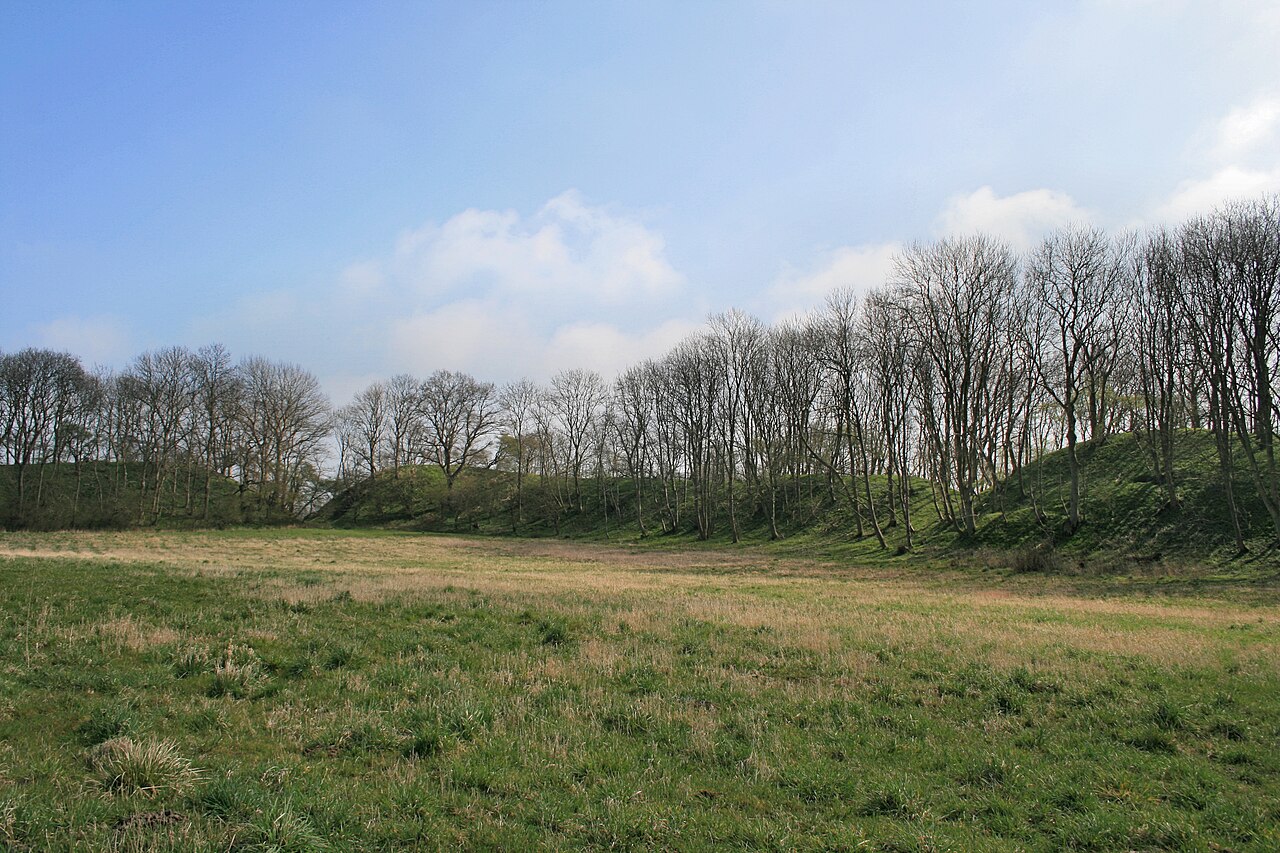
The castle was originally surrounded by a defensive moat, traces of which remain today, although much of its original structure has been lost. Inside, the main floor or Beletage features full-plastic stucco ceilings dating to circa 1652. These ceilings are unique in the Baltic region and display intricate motifs including representations of the four seasons, the four elements, and a peacock design. During 20th-century restorations, these stucco decorations were carefully removed and reinstalled to preserve their artistic and historical value.
Renovations carried out in the 1960s included replacing wooden intermediate ceilings and timber-framed interior walls, as well as substituting the original wooden spiral staircase with a concrete one. Two hand-carved oak doors on the ground floor were meticulously restored to maintain their historic character. The castle occupies a substantial estate of approximately 67,000 square meters and remains well preserved, blending its historical features with modern adaptations.
Modern use and cultural significance
After German reunification, Spyker Castle was converted into a hotel featuring 32 guest rooms, providing visitors with an opportunity to experience its historic ambiance. From the 1960s until 1989, the castle served as a holiday home for the Free German Trade Union Federation (FDGB). In 1995, a significant restoration project sought to restore the castle's historical appearance.
In March 2006, architect Dominik von Boettinger acquired the castle and its extensive estate at a forced sale. Since then, Spyker Castle has functioned not only as a hotel and restaurant but also as a vibrant cultural center. It hosts exhibitions, concerts, readings, and a sculpture park, enriching the cultural landscape of Rügen and attracting visitors interested in history, architecture, and the arts.
Architectural legacy and heritage status
Spyker Castle represents a rare example of a Renaissance schloss with preserved stucco ceilings and Swedish architectural influences on Rügen island. Its historical layers reflect the region's complex political history, from medieval patrician ownership through Swedish rule, Napoleonic occupation, Prussian administration, and modern German stewardship.
The castle's preservation and adaptive reuse as a hotel and cultural venue underscore its significance as a heritage site. It offers a tangible connection to the Baltic Sea region's history and architectural evolution, making it a valuable destination for scholars, tourists, and cultural enthusiasts alike.
Visiting Spyker Castle
Visitors to Spyker Castle can explore its historic interiors, admire the unique stucco ceilings, and enjoy the tranquil surroundings of the large estate. The castle's hotel and restaurant facilities provide comfortable accommodations and dining options, enhancing the visitor experience. Cultural events held at the castle throughout the year offer additional opportunities to engage with the site's rich heritage.
Frequently asked questions (FAQ)
- When was Spyker Castle originally built?
- Spyker Castle was first recorded in 1318, with its origins dating back to the early 14th century.
- What architectural style characterizes Spyker Castle?
- The castle is primarily a Renaissance schloss with Swedish Falu red plaster and unique stucco ceilings from around 1650.
- Who was Carl Gustav Wrangel and what was his role at Spyker Castle?
- Carl Gustav Wrangel was a Swedish field marshal who received Spyker Castle in 1649 and remodeled it into a Renaissance residence.
- Can visitors stay overnight at Spyker Castle?
- Yes, Spyker Castle operates as a hotel with 32 guest rooms, offering accommodations within the historic building.
- What cultural activities take place at Spyker Castle today?
- The castle hosts exhibitions, concerts, readings, and a sculpture park, serving as a cultural center on Rügen island.
- Is Spyker Castle accessible to the public year-round?
- Spyker Castle is generally open to visitors year-round, with hotel and restaurant services available; specific opening hours may vary seasonally.
Photo gallery

Information
Sources & official resources
Verify the information above using these authoritative references.
Loading map...
Visitor reviews
No reviews yet. Been here? Write the first review and help other travelers!
Write the first reviewVisited this castle? Share your experience
Your review helps other travelers and adds first-hand knowledge to our encyclopedia.