Charenza
Charenza, also known historically as Karentia, Karenz, and later Gharense, was a significant medieval Slavic burgwall located on the island of Rügen in the Baltic Sea. This fortification served as the administrative center of the Rani tribe and the Principality of Rugia, playing a crucial role in the political and cultural landscape of the region during the early and high medieval periods.
Historical importance of Charenza
The site of Charenza was central to the governance and defense of the Rani, a West Slavic tribe prominent in the southern Baltic region. As the seat of the principality, it was a focal point for tribal administration, religious activities, and military operations. The Rani tribe, known for their resistance to Christianization and external domination, used Charenza as a stronghold to maintain their cultural identity and political autonomy.
During the 12th century, Charenza witnessed significant historical events, including conflicts with Danish forces and the eventual Christianization of the region. The castle's strategic location on Rügen island allowed it to control maritime routes and regional trade, enhancing its importance beyond a mere tribal fortification.
Architecture and structure of the burgwall
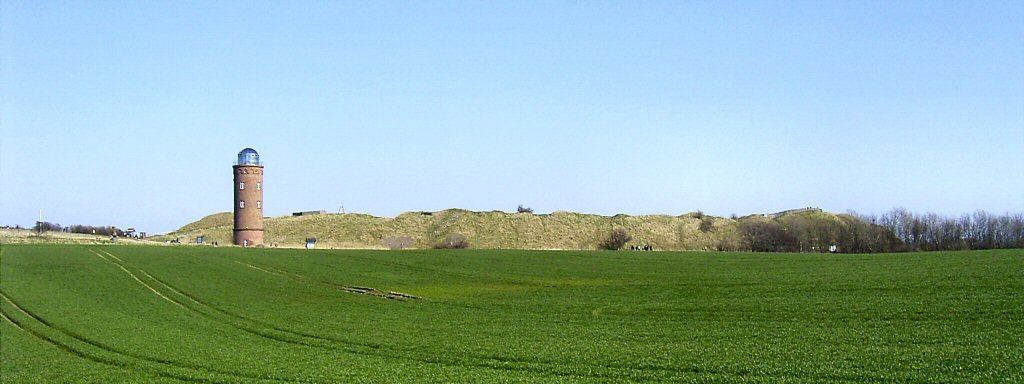
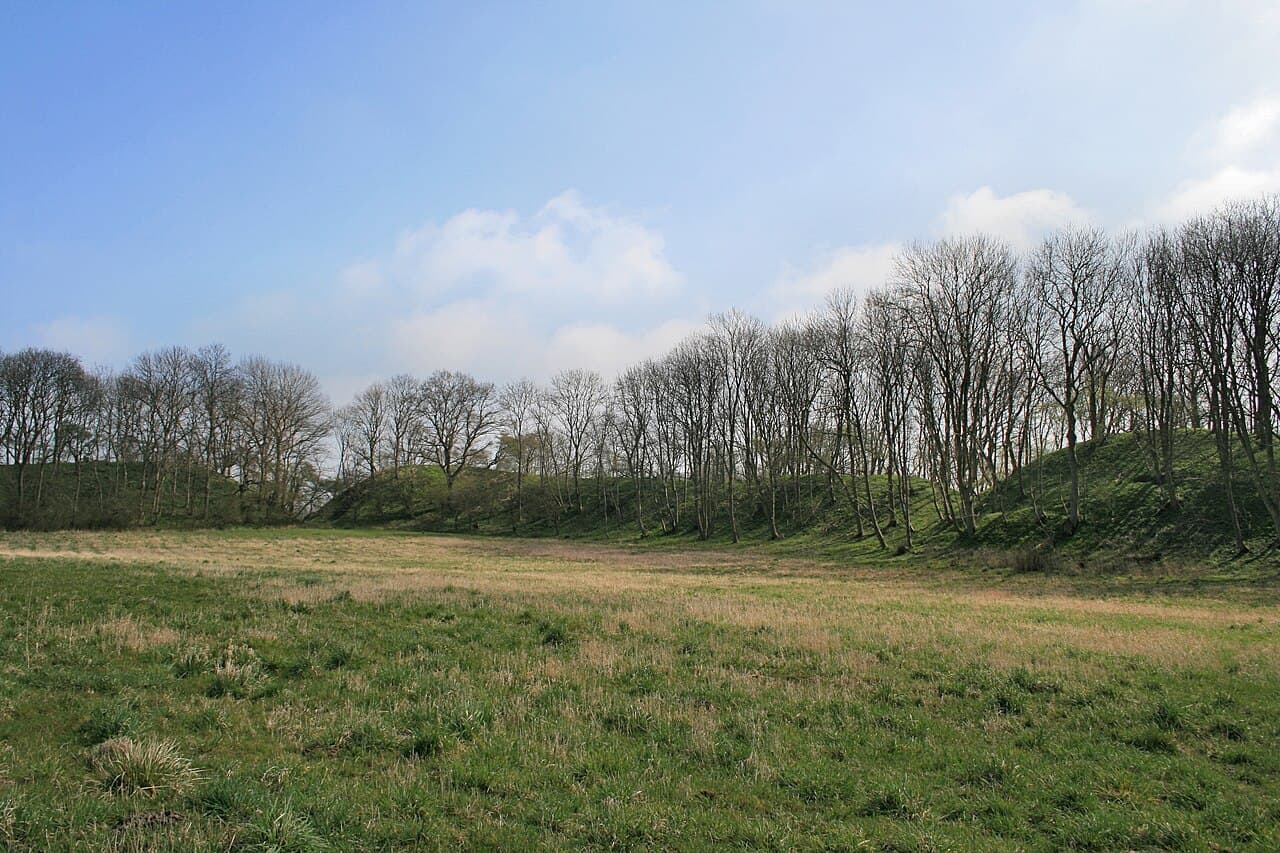
Charenza was constructed as a hill castle, typical of Slavic fortifications known as burgwalls. These were earthwork fortresses characterized by large ramparts made of soil and timber palisades, often supplemented by ditches and moats for defense. The site, now referred to as Venz Castle (Venzer Burgwall in German), preserves remnants of these defensive earthworks.
The burgwall was strategically built on elevated terrain, providing a commanding view over the surrounding landscape and the Baltic Sea, which was essential for early warning against invaders. The fortifications likely included a central area for the ruling elite, with residential buildings, religious structures, and storage facilities enclosed within the ramparts.
While no large stone structures remain, archaeological investigations have revealed postholes and artifacts indicating the presence of wooden buildings and fortifications. The construction techniques reflect the typical Slavic approach to fortification during the early and high medieval periods, emphasizing earthworks and timber rather than stone masonry.
Religious and cultural significance
Charenza was not only a military and administrative center but also a religious hub for the Rani tribe. The site contained temples and sacred spaces dedicated to the Slavic pagan gods before the Christianization of the region. These religious structures were integral to the tribe's identity and governance.
Following the Danish conquest and the spread of Christianity in the 12th century, many pagan sites were dismantled or repurposed. The transformation of Charenza reflects the broader cultural shifts occurring in the Baltic region during this period.
Archaeological research and preservation
Today, the remains of Charenza are known as Venz Castle and are classified as an archaeological site. Excavations have uncovered artifacts such as pottery, tools, and remnants of wooden structures that provide insight into the daily life and defense mechanisms of the Rani tribe.
The site is protected and studied to better understand the Slavic presence in the Baltic region and the transition from paganism to Christianity. Conservation efforts focus on preserving the earthworks and preventing further erosion, as no significant above-ground stone structures survive.
Location and accessibility
Charenza is located on the island of Rügen, which is part of the modern German state of Mecklenburg-Vorpommern. The exact city or town associated with the site is not clearly defined, as it lies in a rural area near the village of Venz.
The site can be visited by those interested in medieval Slavic history and archaeology, offering a glimpse into the early medieval fortifications and cultural landscape of northern Germany.
Frequently asked questions (FAQ)
- What is Charenza and why is it historically important?
- Charenza was a medieval Slavic burgwall on Rügen island, serving as the administrative center of the Rani tribe and the Principality of Rugia, significant for its role in regional governance and defense.
- When was Charenza built and what type of castle is it?
- Charenza was constructed during the early medieval period as a hill castle, typical of Slavic earthwork fortifications known as burgwalls.
- Can visitors access the Charenza archaeological site today?
- Yes, the remains of Charenza, known as Venz Castle, are accessible as an archaeological site on Rügen island, offering insights into Slavic medieval history.
- What remains can be seen at the Charenza site?
- Visitors can observe earthwork ramparts and ditches, remnants of wooden structures, and archaeological finds like pottery and tools, although no stone buildings remain.
- Where is Charenza located exactly?
- Charenza is situated on the island of Rügen in Mecklenburg-Vorpommern, Germany, near the village of Venz, but not within a defined city.
Photo gallery

Information
Loading map...
Visitor reviews
No reviews yet. Been here? Write the first review and help other travelers!
Write the first reviewVisited this castle? Share your experience
Your review helps other travelers and adds first-hand knowledge to our encyclopedia.