Granitz Hunting Lodge — Germany castle

Granitz Hunting Lodge

Granitz Hunting Lodge on Rugen Island, Germany
Binz, Mecklenburg-Vorpommern, Germany
Modern (19th–20th c.)
Restored

Granitz Hunting Lodge stands prominently on the highest hill of East Rugen, overlooking the scenic landscapes of the German island of Rugen. Constructed between 1838 and 1846, this 19th-century hunting lodge exemplifies the romantic historicism of the Modern period and remains one of the most visited castles in Mecklenburg-Vorpommern, attracting over 200,000 visitors annually.

Historical background and patronage

The lodge was commissioned by Prince Wilhelm Malte I of Putbus, a notable nobleman who played a key role in the cultural development of Rugen Island. The site was chosen for its strategic and picturesque location on the highest hill, providing panoramic views of the surrounding Baltic Sea coast and the island's dense beech forests.

Throughout the 19th century, the lodge served as a favored retreat for European aristocracy and influential figures. Distinguished visitors included King Frederick William IV of Prussia, King Christian VIII of Denmark, the German statesman Otto von Bismarck, the British writer Elizabeth von Arnim, and the German landscape painter Johann Jacob Grumbke. Their visits underscore the lodge's status as a cultural and social hub during its heyday.

Architectural design and features

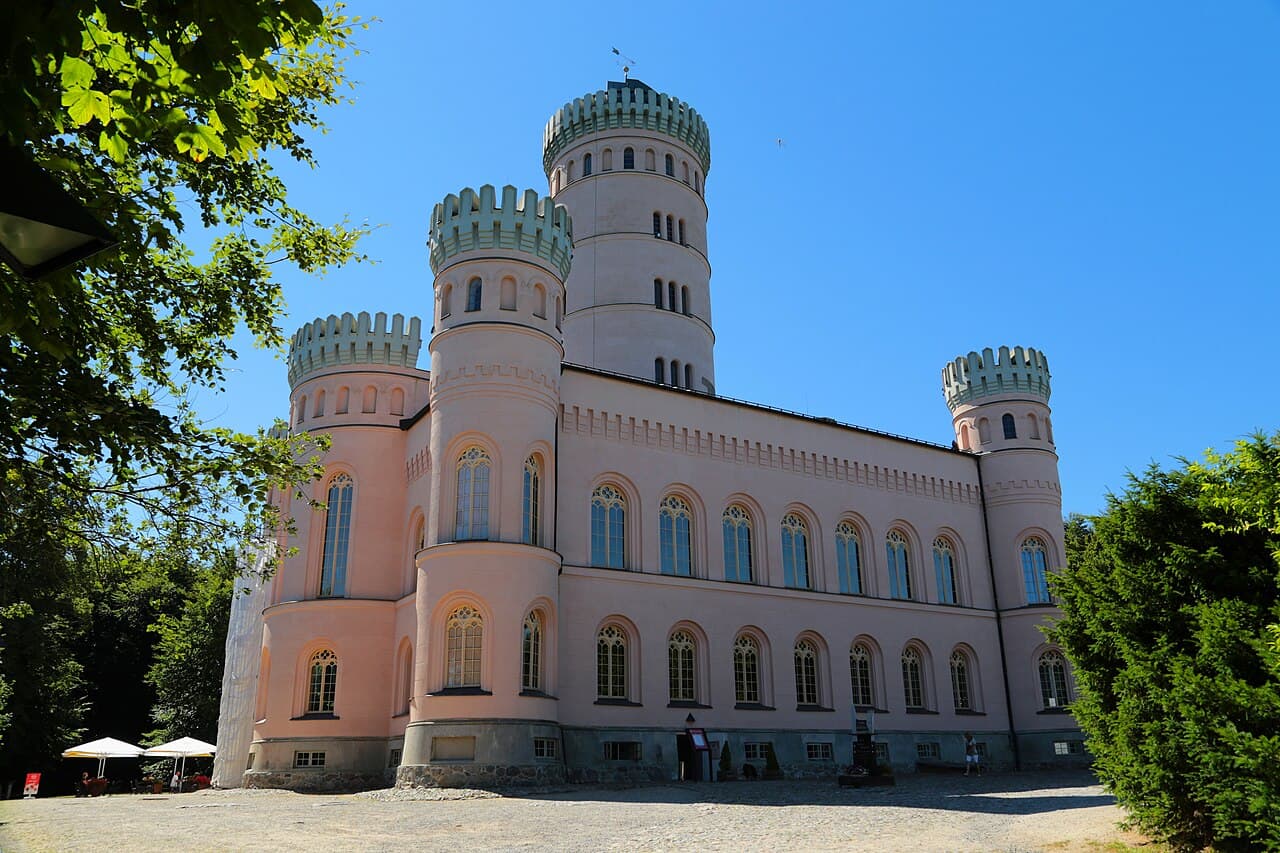
Granitz Hunting Lodge is a striking example of Romantic historicism in architecture, blending elements inspired by medieval castles with 19th-century innovations. The building is characterized by its towers, including a prominent central observation tower that rises above the treetops, offering sweeping views of Rugen Island and the Baltic Sea.

The lodge's exterior features ornate crenellations, battlements, and turrets, evoking the imagery of a fortress while serving a leisure purpose. The interiors were designed for comfort and elegance, with richly decorated halls, hunting trophies, and period furnishings that reflect the tastes of the aristocratic patrons.

The central tower and viewing platform

The central tower is one of the lodge's most iconic architectural elements. Visitors can climb its spiral staircase to reach the viewing platform, which provides one of the best vantage points on the island. This feature not only served a recreational purpose but also symbolized the princely status of the lodge's owner.

Renovation and modern use

By the late 20th century, Granitz Hunting Lodge required significant restoration to preserve its structural integrity and historical character. A comprehensive renovation was undertaken at the beginning of the 21st century, with an investment of approximately 7.9 million euros. This restoration carefully conserved the original architectural details while upgrading facilities to accommodate modern tourism.

Today, the lodge functions as a museum and cultural site, offering visitors insights into 19th-century aristocratic leisure and hunting traditions. Exhibitions include historical artifacts, hunting equipment, and interpretive displays about the lodge's construction and its role in the region's history.

Visitor experience and accessibility

Granitz Hunting Lodge is easily accessible from the nearby seaside resort town of Binz, making it a popular day-trip destination. The surrounding natural environment, including the ancient beech forests of Rugen, enhances the visitor experience, providing opportunities for hiking and nature observation.

The lodge is open to the public with guided tours available, allowing guests to explore the castle's architecture, interior rooms, and the panoramic views from the tower. Its popularity is reflected in the high annual visitor numbers, confirming its status as a cultural landmark on the island.

Nearby attractions

  • The seaside resort of Binz, known for its beaches and historic architecture.
  • The Granitz Forest, a protected natural area ideal for walking and wildlife observation.
  • Other historic sites on Rugen Island, including medieval churches and traditional fishing villages.

Significance in regional heritage

Granitz Hunting Lodge holds a prominent place in the cultural heritage of Mecklenburg-Vorpommern. It exemplifies the 19th-century romantic fascination with medieval architecture and aristocratic leisure pursuits. The lodge's preservation and continued use as a museum contribute to the understanding of regional history and the lifestyle of the European nobility during the Modern period.

Its architectural grandeur combined with its natural setting makes it a unique destination that bridges history, culture, and nature on Rugen Island.

Frequently asked questions (FAQ)

How do I get to Granitz Hunting Lodge?
Granitz Hunting Lodge is located in Binz, Germany, and can be accessed via public transport or by car. If traveling by train, the nearest station is Binz, from which you can take a bus or enjoy a scenic walk through the Granitz forest to reach the lodge.
What is the historical significance of Granitz Hunting Lodge?
Granitz Hunting Lodge, built between 1864 and 1866, was commissioned by Prince Wilhelm Malte I of Putbus as a hunting retreat. This architectural gem showcases the Romantic style and reflects the cultural heritage of the Rügen region, making it an important historical site.
When was Granitz Hunting Lodge built?
Construction of Granitz Hunting Lodge began in 1864 and was completed in 1866. The lodge was designed to serve as a hunting residence and has since become a popular tourist attraction due to its historical and architectural significance.
Can I visit Granitz Hunting Lodge year-round?
Yes, Granitz Hunting Lodge is open to visitors throughout the year, but hours may vary by season. It is advisable to check the official website for the latest information on opening hours and any seasonal events.
Why is Granitz Hunting Lodge a popular tourist attraction?
Granitz Hunting Lodge is renowned for its stunning architecture, picturesque location in the Granitz forest, and its panoramic views from the observation tower. Visitors are drawn to its historical significance and the opportunity to explore the surrounding nature trails.
Is it possible to access the observation tower at Granitz Hunting Lodge?
Yes, visitors can climb the observation tower for breathtaking views of the surrounding landscape. The ascent involves a staircase, so be prepared for a bit of exercise, but the panoramic vistas are well worth the effort.
What are the ticket prices for Granitz Hunting Lodge?
Ticket prices for Granitz Hunting Lodge are generally reasonable, with discounts available for children, students, and seniors. It's best to check the official website for the most current pricing information and any special offers.
What are the best times to visit Granitz Hunting Lodge?
The best times to visit Granitz Hunting Lodge are during the spring and fall when the weather is mild and the surrounding forests are vibrant with color. Summer is also popular, but expect more visitors during peak tourist season.
Are there any nearby attractions to Granitz Hunting Lodge?
Yes, nearby attractions include the beautiful beaches of Binz and the Jasmund National Park, known for its striking chalk cliffs. Additionally, the charming town of Binz offers shops, restaurants, and cultural experiences, making it a great base for exploring the area.

Photo gallery

Granitz Hunting Lodge
Click to view

Photo by J.-H. Janßen•CC BY-SA 3.0

1 photo • Click any image to view in full screen

Information

Hill Castle

Sources & official resources

Verify the information above using these authoritative references.

Loading map...

Visitor reviews

No reviews yet. Been here? Write the first review and help other travelers!

Write the first review

Visited this castle? Share your experience

Your review helps other travelers and adds first-hand knowledge to our encyclopedia.
Write a review

(5/5)

0/2000 characters

Your review will be visible after admin approval

Nearby castles

16.7 km
Spyker Castle — Germany castle

Spyker Castle

Glowe, Germany

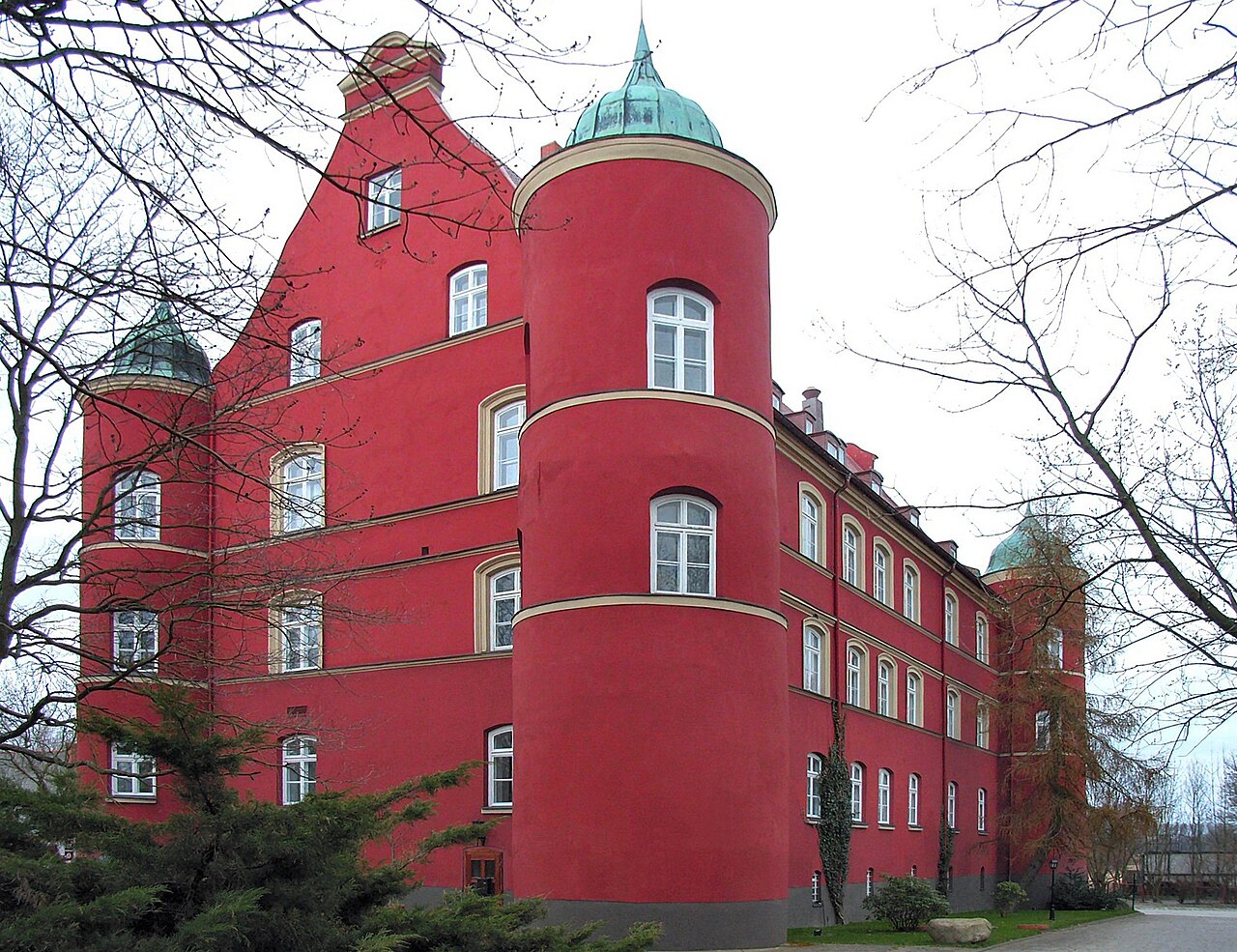
Spyker Castle, located in the village of Spyker within the municipality of Glowe on the Baltic Sea island of Rügen, Germany, stands as the oldest profane structure on the island. The castle's origins date back to the early 14th century, with the first documented mention in 1318. Initially owned by the Stralsund patrician family von Külpens, the estate passed by marriage in 1344 to the von Jasmund family, who established the Spyker branch that endured until 1648. The historical evolution of Spyker Castle The mid-17th century marked a pivotal era for Spyker Castle and the surrounding region. Following the Thirty Years' War, the Treaty of Westphalia in 1648 transferred control of Pomerania, including Rügen, to Sweden. In recognition of his military services, Queen Christina of Sweden granted the Spyker estate in 1649 to Carl Gustav Wrangel, a distinguished Swedish field marshal and later governor-general of Swedish Pomerania. Wrangel undertook a comprehensive transformation of the medieval fortress around 1650, remodeling it into a Renaissance schloss featuring architectural elements characteristic of the period and painted in the distinctive Swedish Falu red plaster, a rare sight on Rügen. The castle's original defensive moat, typical of medieval fortifications, was retained during this transition but gradually lost its military function. After Wrangel's death in 1676, the property passed to his daughter Eleanora-Sophia, married to the lord of Putbus. Following her death in 1687, ownership transferred to the Swedish noble family Brahe, connected by marriage to Eleanora-Sophia's sister. The castle's strategic importance persisted into the early 19th century, serving as the seat of the French governor of Rügen during the Napoleonic Wars in 1806-07. Following the Congress of Vienna in 1815, Rügen was incorporated into Prussia. In 1817, the estate was sold to Prince Wilhelm Malte I of Putbus, whose family retained ownership until the Soviet land reforms of 1945. The castle subsequently fell into disrepair during the post-war years. Architectural features and restoration Spyker Castle is a three-story rectangular building primarily dating from the Renaissance reconstruction around 1650. Constructed of brick and coated with plaster, it is distinguished by its four round corner towers, which recall its medieval fortress origins. The exterior walls are covered with the characteristic Falu red plaster, a Swedish stylistic element uncommon in the Rügen region. The castle was originally surrounded by a defensive moat, traces of which remain today, although much of its original structure has been lost. Inside, the main floor or Beletage features full-plastic stucco ceilings dating to circa 1652. These ceilings are unique in the Baltic region and display intricate motifs including representations of the four seasons, the four elements, and a peacock design. During 20th-century restorations, these stucco decorations were carefully removed and reinstalled to preserve their artistic and historical value. Renovations carried out in the 1960s included replacing wooden intermediate ceilings and timber-framed interior walls, as well as substituting the original wooden spiral staircase with a concrete one. Two hand-carved oak doors on the ground floor were meticulously restored to maintain their historic character. The castle occupies a substantial estate of approximately 67,000 square meters and remains well preserved, blending its historical features with modern adaptations. Modern use and cultural significance After German reunification, Spyker Castle was converted into a hotel featuring 32 guest rooms, providing visitors with an opportunity to experience its historic ambiance. From the 1960s until 1989, the castle served as a holiday home for the Free German Trade Union Federation (FDGB). In 1995, a significant restoration project sought to restore the castle's historical appearance. In March 2006, architect Dominik von Boettinger acquired the castle and its extensive estate at a forced sale. Since then, Spyker Castle has functioned not only as a hotel and restaurant but also as a vibrant cultural center. It hosts exhibitions, concerts, readings, and a sculpture park, enriching the cultural landscape of Rügen and attracting visitors interested in history, architecture, and the arts. Architectural legacy and heritage status Spyker Castle represents a rare example of a Renaissance schloss with preserved stucco ceilings and Swedish architectural influences on Rügen island. Its historical layers reflect the region's complex political history, from medieval patrician ownership through Swedish rule, Napoleonic occupation, Prussian administration, and modern German stewardship. The castle's preservation and adaptive reuse as a hotel and cultural venue underscore its significance as a heritage site. It offers a tangible connection to the Baltic Sea region's history and architectural evolution, making it a valuable destination for scholars, tourists, and cultural enthusiasts alike. Visiting Spyker Castle Visitors to Spyker Castle can explore its historic interiors, admire the unique stucco ceilings, and enjoy the tranquil surroundings of the large estate. The castle's hotel and restaurant facilities provide comfortable accommodations and dining options, enhancing the visitor experience. Cultural events held at the castle throughout the year offer additional opportunities to engage with the site's rich heritage.

Late Medieval (14th–15th c.)
Details
18.6 km
Charenza — Germany castle

Charenza

, Germany

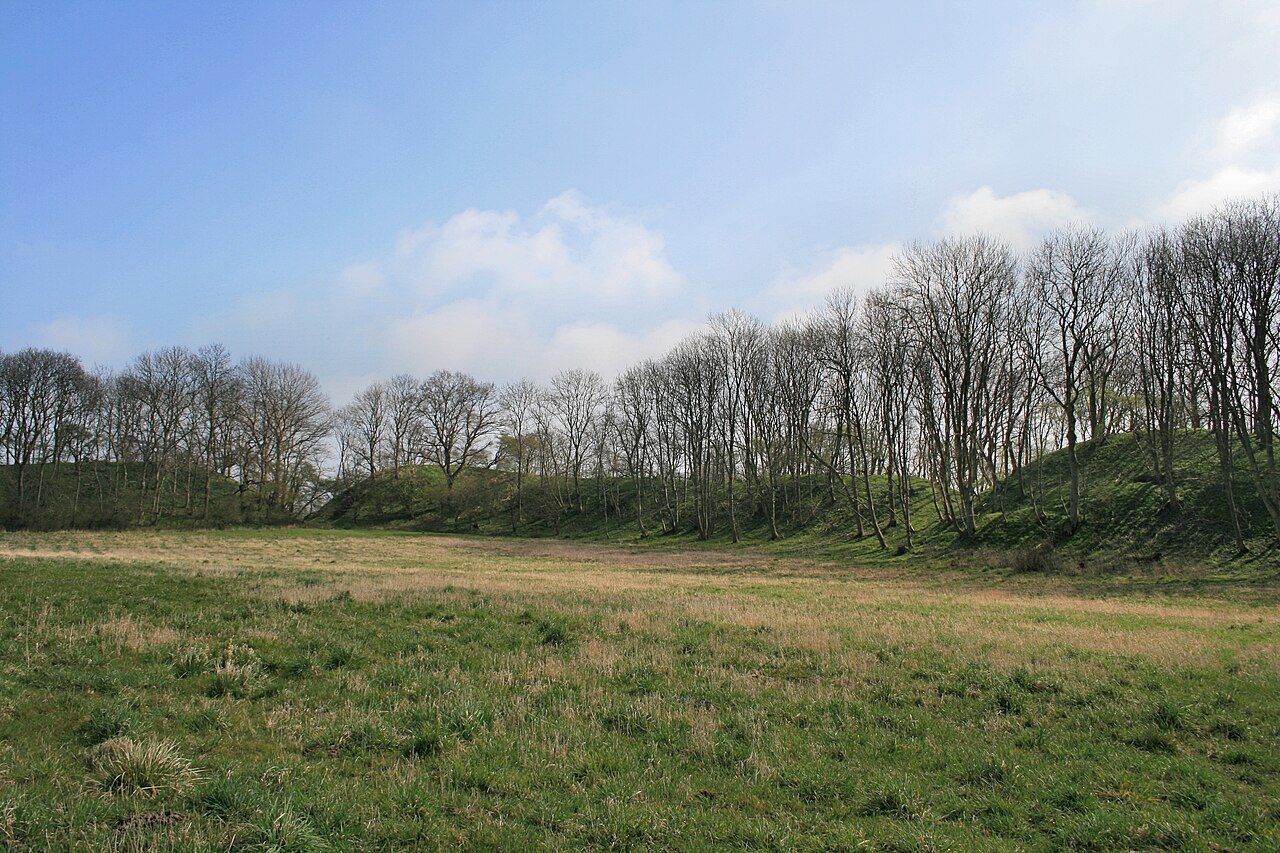
Charenza, also known historically as Karentia, Karenz, and later Gharense, was a significant medieval Slavic burgwall located on the island of Rügen in the Baltic Sea. This fortification served as the administrative center of the Rani tribe and the Principality of Rugia, playing a crucial role in the political and cultural landscape of the region during the early and high medieval periods. Historical importance of Charenza The site of Charenza was central to the governance and defense of the Rani, a West Slavic tribe prominent in the southern Baltic region. As the seat of the principality, it was a focal point for tribal administration, religious activities, and military operations. The Rani tribe, known for their resistance to Christianization and external domination, used Charenza as a stronghold to maintain their cultural identity and political autonomy. During the 12th century, Charenza witnessed significant historical events, including conflicts with Danish forces and the eventual Christianization of the region. The castle's strategic location on Rügen island allowed it to control maritime routes and regional trade, enhancing its importance beyond a mere tribal fortification. Architecture and structure of the burgwall Charenza was constructed as a hill castle, typical of Slavic fortifications known as burgwalls. These were earthwork fortresses characterized by large ramparts made of soil and timber palisades, often supplemented by ditches and moats for defense. The site, now referred to as Venz Castle (Venzer Burgwall in German), preserves remnants of these defensive earthworks. The burgwall was strategically built on elevated terrain, providing a commanding view over the surrounding landscape and the Baltic Sea, which was essential for early warning against invaders. The fortifications likely included a central area for the ruling elite, with residential buildings, religious structures, and storage facilities enclosed within the ramparts. While no large stone structures remain, archaeological investigations have revealed postholes and artifacts indicating the presence of wooden buildings and fortifications. The construction techniques reflect the typical Slavic approach to fortification during the early and high medieval periods, emphasizing earthworks and timber rather than stone masonry. Religious and cultural significance Charenza was not only a military and administrative center but also a religious hub for the Rani tribe. The site contained temples and sacred spaces dedicated to the Slavic pagan gods before the Christianization of the region. These religious structures were integral to the tribe's identity and governance. Following the Danish conquest and the spread of Christianity in the 12th century, many pagan sites were dismantled or repurposed. The transformation of Charenza reflects the broader cultural shifts occurring in the Baltic region during this period. Archaeological research and preservation Today, the remains of Charenza are known as Venz Castle and are classified as an archaeological site. Excavations have uncovered artifacts such as pottery, tools, and remnants of wooden structures that provide insight into the daily life and defense mechanisms of the Rani tribe. The site is protected and studied to better understand the Slavic presence in the Baltic region and the transition from paganism to Christianity. Conservation efforts focus on preserving the earthworks and preventing further erosion, as no significant above-ground stone structures survive. Location and accessibility Charenza is located on the island of Rügen, which is part of the modern German state of Mecklenburg-Vorpommern. The exact city or town associated with the site is not clearly defined, as it lies in a rural area near the village of Venz. The site can be visited by those interested in medieval Slavic history and archaeology, offering a glimpse into the early medieval fortifications and cultural landscape of northern Germany.

Early Medieval (5th–10th c.)
Details
20.1 km
Garz Slavic Fort — Germany castle

Garz Slavic Fort

Garz, Germany

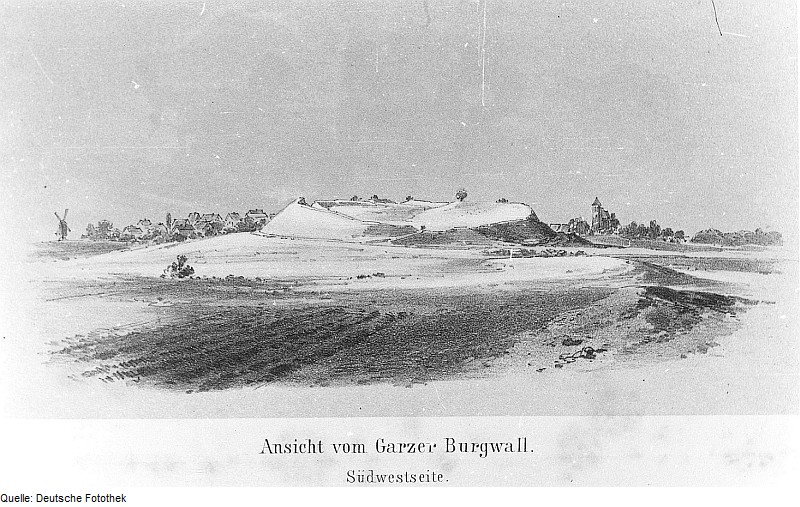
Garz Slavic fort is an early medieval burgwall located southwest of the town of Garz on the German Baltic Sea island of Rügen. This Slavic stronghold is distinguished by its large oval earthworks, measuring approximately 200 metres in length and 140 metres in width. The fort's ramparts, constructed primarily from earth, enclose the site and feature a prominent entrance roughly in the middle of the western side, which historically served as the main access point. Towards the south, facing the Garzer See lake, the ramparts are notably lower, likely due to the natural protection offered by the water body. The site is elevated up to 15 metres above the nearby town, providing strategic oversight of the surrounding landscape. Historical context and significance The fort was first mentioned in historical records in 1165 under the name Borgar Gardz, during a period marked by small-scale skirmishes with Danish warriors. While the fort itself does not appear to have been directly attacked at that time, these conflicts highlight its strategic importance in the Baltic region during the early medieval period. Over time, the original fortifications gradually fell into disrepair. In 1300, Prince Vitslav III of Rügen initiated the construction of a new castle and chapel within the original burgwall. This addition reflects the continued use and adaptation of the site into the late medieval period. However, following the prince's death in 1325, the castle was abandoned and eventually fell into ruin. Architectural features and layout The fort's design as a burgwall is typical of Slavic fortifications from the early medieval era, characterized by earthen ramparts and a defensive ditch. The oval shape of the earthworks encloses a substantial area, suggesting it could accommodate a significant settlement or garrison within. The western entrance was likely fortified and controlled access to the interior. The lower ramparts on the southern side facing the lake may have been a deliberate design choice, taking advantage of the natural defensive barrier provided by the water. This strategic positioning would have enhanced the fort's defensibility while allowing for access to water resources. Later use and preservation After the castle's abandonment in the 14th century, the site gradually deteriorated. Today, the remains of the fort are classified as archaeological ruins and are protected as a significant cultural heritage site. The earthworks remain visible and are considered among the best-preserved Slavic strongholds in terms of size and condition. A war memorial dedicated to those who fell in the First World War has been erected on the ramparts, linking the site's historical military significance to more recent history. Nearby, the Ernst Moritz Arndt Museum offers visitors detailed information about the fort's history and the broader regional context. Visiting Garz Slavic fort today The site is accessible to the public and provides a unique glimpse into early medieval Slavic fortifications. Its location near the town of Garz and proximity to the Garzer See lake make it a notable destination for those interested in medieval history and archaeology. The fort's elevated position offers scenic views of the surrounding landscape, enhancing its appeal as a historical and cultural landmark. Visitors can explore the earthworks and imagine the fort's role in the turbulent history of the Baltic region during the early and late medieval periods. The combination of natural and man-made defenses exemplifies the strategic considerations of Slavic fort builders.

Early Medieval (5th–10th c.)
Details