Jaromarsburg
Jaromarsburg stands as a significant Early Medieval cult site and fortress of the Slavic tribe known as the Rani. Located on the northeastern tip of the German Baltic Sea island of Rügen at Cape Arkona, this site was dedicated to the worship of the god Svantovit and was in use from the 9th to the 12th century. Its strategic position was naturally defended on two sides by steep cliffed coasts, while the landward side was fortified with a substantial Slavic burgwall, a type of earthen rampart typical of Slavic fortifications.
Geographical and structural features
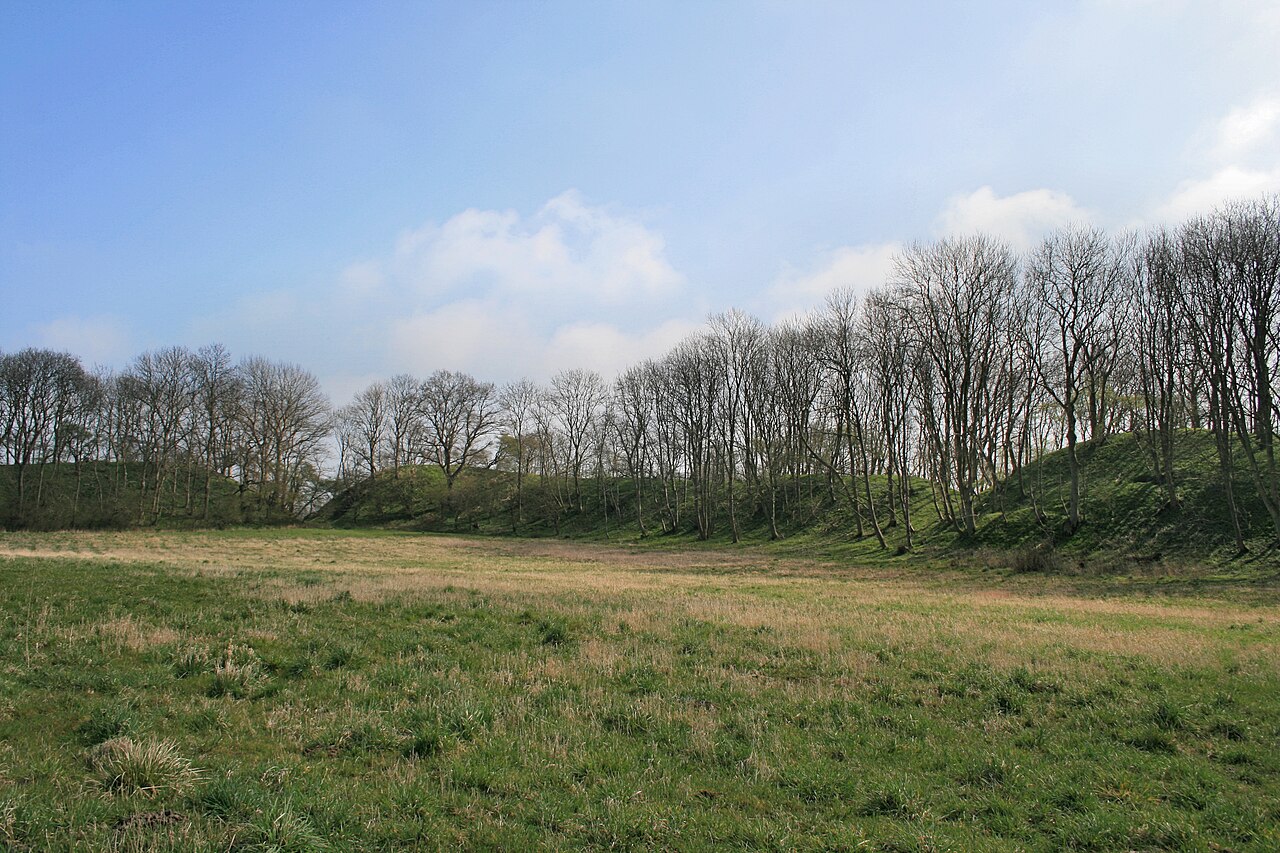
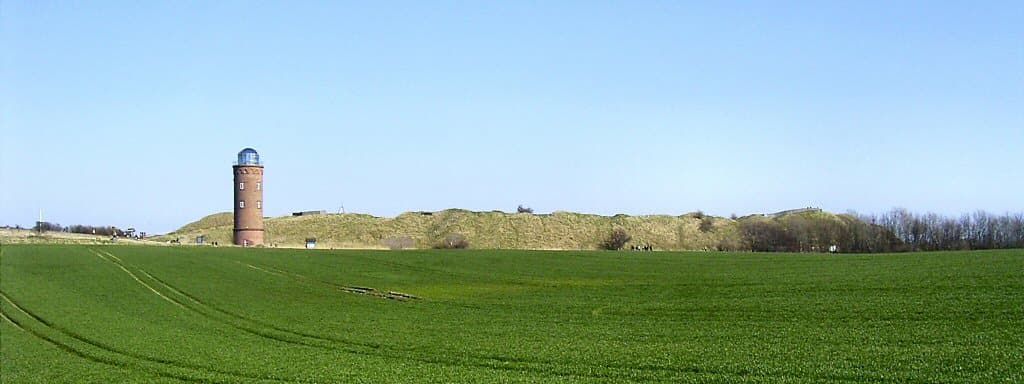
The castle was classified as a hill castle, perched on a promontory that provided both religious significance and military advantage. The original fortifications extended approximately 300 metres north to south and 350 metres east to west, enclosing an area that included the temple and associated structures. These defenses included two successive ramparts reaching heights of up to 13 metres, constructed primarily from earth and timber, common materials in Slavic fortifications of the period.
Over the centuries, the site has suffered considerable erosion due to coastal collapse. It is estimated that the cliffs have receded by 10 to 20 metres per century, resulting in the loss of a significant portion of the original site. Today, only about one-third of the original area within the ramparts remains visible. This ongoing erosion has prompted urgent archaeological excavations to recover and study what remains of the site, including the foundations of the famed Svetovid temple.
The Svetovid temple and religious significance
The temple dedicated to Svetovid was a rectangular wooden structure located within the fortified area. According to the medieval Danish historian Saxo Grammaticus, the temple was surrounded by two enclosures, the outer one covered by a distinctive purple roof. Inside stood a remarkable four-metre-high statue of Svetovid, carved from a single oak trunk. This statue held a drinking horn made of various metals in its right hand, which the priest annually filled with mead. The mead that spilled was used for divination, prophesying the coming harvest, highlighting the temple's role as an oracle site.
The temple was considered so sacred that priests were forbidden even to breathe within its confines to avoid defiling the holy space. Archaeological findings around the temple site include offerings such as broken weapons, consistent with ritual practices described in historical accounts. These findings support the temple's importance not only to the Rani but also to other Slavic and Baltic peoples who visited for religious purposes.
Historical context and the Rani tribe
The Rani settled on Rügen from about the 9th century and likely established the sanctuary and fortifications during this period. The 11th century saw the ramparts raised further by adding soil from the castle's interior, reflecting the site's growing importance. Following the destruction of the Slavic religious center at Rethra in 1068, Jaromarsburg became the primary religious center for the Slavs in the southern Baltic region.
The Rani exercised dominance over Rügen and the temple attracted offerings and pilgrims from various peoples, attesting to its regional significance. Nearby settlements related to the temple likely existed where the modern fishing villages of Vitt and Putgarten now stand, with the latter's name meaning "at the foot of the castle."
Conquest and decline
The temple fortress came under attack from Danish forces multiple times. In 1136, King Eric the Memorable led a Danish army that captured the site, compelling the Rani to pledge conversion to Christianity, although they later renounced this promise after the Danes withdrew.
In 1157, a devastating storm destroyed a large Slavic fleet, weakening the Rani's position. King Valdemar I of Denmark seized this opportunity and launched a campaign against Rügen. On 19 May 1168, he landed at Arkona with his fleet and army commander Bishop Absalon. After a four-week siege, the fortress fell on 15 June 1168 when Danish forces set fire to the temple, which the defenders could not extinguish due to a lack of water.
The temple was destroyed, and the statue of Svetovid was chopped into pieces and burned. The Rani princes, including Tetzlav and Jaromar, submitted to Danish rule. Jaromar became a vassal prince until 1218. The temple's extensive estates were transferred to the Church, and Rügen came under the suzerainty of the bishops of Lund, who oversaw the Christianization of the island.
Legacy and archaeological significance
Following the conquest, numerous chapels were built on former pagan cult and burial sites. The first Christian church on Rügen was erected near the former Svetovid sanctuary. In the nearby church of Altenkirchen, a notable stone known as the Priest Stone or Svantevit Stone lies just above the foundation. This stone may represent a pre-Christian carving of Svetovid or possibly the gravestone of Prince Tetzlav, symbolizing the transition from paganism to Christianity.
Continuous archaeological efforts have uncovered important artifacts and structural remains, shedding light on the religious practices and social organization of the Rani. The site remains a vital link to understanding Slavic paganism and the cultural transformations in the Baltic region during the Middle Ages.
Frequently asked questions (FAQ)
- What is the historical significance of Jaromarsburg?
- Jaromarsburg is a historic Slavic fortification that dates back to the 9th century, serving as a crucial center for the Obotrite Confederation. It is renowned for its strategic location and role in the defense against Viking invasions, making it a significant landmark in German history.
- When was Jaromarsburg built?
- Construction of Jaromarsburg began in the early 9th century, though the site has undergone several modifications and restorations since then. Its establishment marked an important phase in the development of Slavic settlements in the region.
- How do I get to Jaromarsburg?
- Jaromarsburg is located in Arkona, Germany, accessible by car or public transport. The nearest major city is Sassnitz, which offers bus services to Arkona, making it convenient for visitors.
- Is it possible to visit Jaromarsburg with children?
- Yes, Jaromarsburg is family-friendly and provides an engaging experience for children. The site offers ample space for exploration and educational opportunities about history and architecture.
- What are the opening hours for Jaromarsburg?
- Jaromarsburg is typically open to visitors daily from 10 AM to 6 PM, though hours may vary seasonally. It is advisable to check the official website for any updates or special events that may affect visiting hours.
- Can I take guided tours of Jaromarsburg?
- Yes, guided tours are available for those interested in a more in-depth experience of Jaromarsburg's history and architecture. These tours are led by knowledgeable guides who provide valuable insights into the castle's significance.
- What is the best time to visit Jaromarsburg?
- The best time to visit Jaromarsburg is during the late spring and early fall when the weather is mild and conducive for outdoor exploration. Additionally, these seasons often feature fewer crowds, allowing for a more enjoyable experience.
- Are there any nearby attractions to visit along with Jaromarsburg?
- Yes, nearby attractions include the beautiful beaches of the Baltic Sea and the historic town of Putgarten, which offers charming local shops and eateries. Visitors can also explore the stunning cliffs of Cape Arkona, making for a full day of sightseeing.
- What are the ticket prices for Jaromarsburg?
- Ticket prices for Jaromarsburg are generally affordable, with discounts available for children, students, and seniors. Check the official website for the most current pricing and any special offers that may be available during your visit.
Photo gallery

Information
Loading map...
Visitor reviews
No reviews yet. Been here? Write the first review and help other travelers!
Write the first reviewVisited this castle? Share your experience
Your review helps other travelers and adds first-hand knowledge to our encyclopedia.