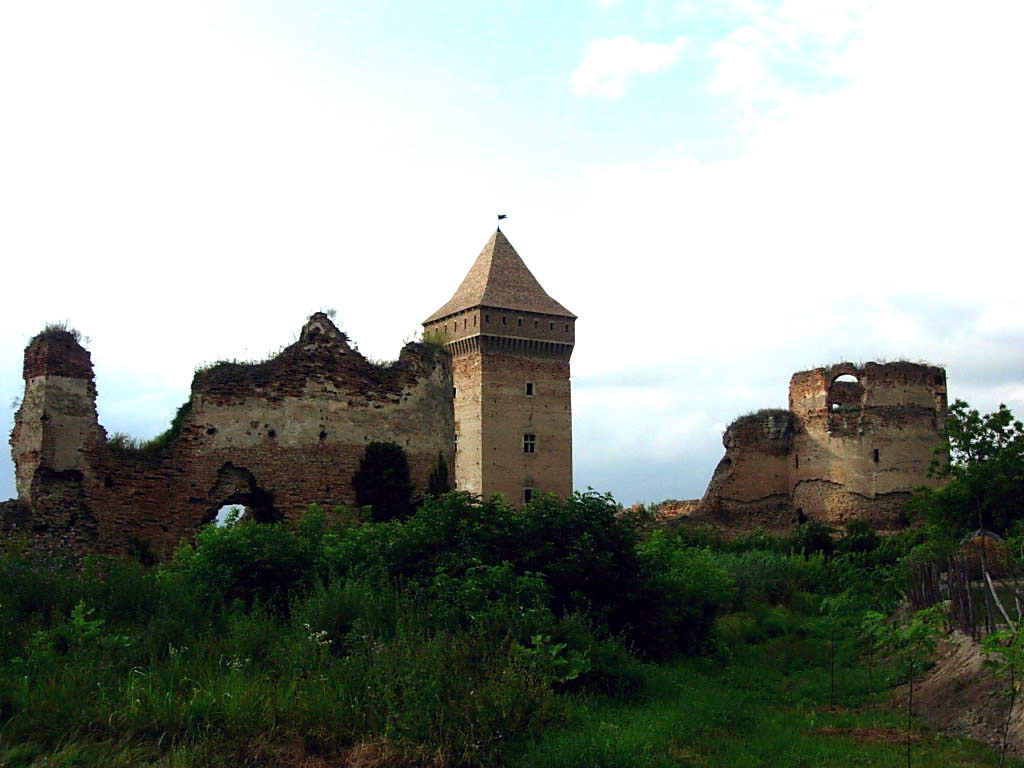
Spitzer Castle stands as a unique architectural monument on the slopes of the Fruška Gora mountain in Beočin, Serbia. This remarkable mansion, now in ruins and long forgotten, exemplifies the eclectic architectural trends of the late 19th century in the northern province of Vojvodina. Built by Eduard Ede Spitzer, co-owner of the Beočin cement factory, the castle is a testament to the wealth and cultural ambitions of the industrial elite in this region during the Austro-Hungarian period.
Construction of the castle was completed in 1889, following designs by the renowned Hungarian architect Imre Steindl, famous for his work on the Hungarian Parliament Building in Budapest. Steindl's involvement brought a sophisticated blend of styles to the mansion, combining elements of Gothic, Renaissance, Baroque, and Romanesque architectural traditions. This eclectic approach was characteristic of the period, reflecting a desire to express prestige and cultural refinement through a fusion of historical styles.
Architectural features and style
The castle's exterior showcases a harmonious yet complex mix of stylistic elements. The Gothic influence is visible in pointed arches and decorative tracery, while the Renaissance style contributes symmetrical proportions and classical motifs. Baroque touches appear in the ornate detailing and dynamic forms, and Romanesque elements provide robust, rounded arches and solid masonry. This eclectic combination creates a visually striking mansion that stands out in the Vojvodina region.
Inside, the castle boasts an interior design that contrasts with the historicist exterior by embracing the classical Hungarian Art Nouveau style. Notably, the main hall features a Zsolnay ceramics fireplace, a hallmark of Hungarian decorative arts, renowned for its colorful and durable ceramic glazes. This fireplace is a centerpiece of the interior, demonstrating the high level of craftsmanship and artistic taste that characterized the mansion's decoration.
Historical context and ownership
The castle was built as a family residence for the Spitzer family, who were prominent industrialists in the region due to their ownership stake in the Beočin cement factory. The factory itself was a significant enterprise, contributing to the economic development of the area. The choice to commission Imre Steindl and to construct such an elaborate mansion reflected the family's social status and aspirations.
From 1889 until the outbreak of World War II, the Spitzer family lived in the castle, enjoying its grandeur and the surrounding parkland that originally enveloped the estate. The park was an important feature, providing a landscaped setting that complemented the mansion's architectural splendor and offered leisure space for the family and their guests.
In 1941, with the turmoil of the war escalating, the Spitzer family left Beočin and relocated to Germany. Following their departure, the castle gradually fell into neglect and disrepair, leading to its current ruined state. Despite this, the building remains a significant cultural and architectural landmark that reflects the region's complex history and diverse influences.
Current condition and cultural significance
Today, Spitzer Castle is recognized as one of the rare examples of eclectic architecture in Serbia, particularly in the Vojvodina province. Although it is currently in ruins, the castle's architectural features continue to draw interest from historians, architects, and cultural heritage enthusiasts. Its combination of styles and the involvement of a prominent architect like Imre Steindl make it an important study subject for the evolution of architectural trends in the late 19th century Central Europe.
The castle's location on the Fruška Gora slopes adds to its appeal, as this mountainous region is known for its natural beauty and historical sites, including numerous monasteries and other heritage landmarks. Efforts to preserve and possibly restore elements of the castle could enhance its role as a cultural attraction and contribute to the local tourism economy.
Architectural legacy of imre steindl
Imre Steindl's architectural legacy is significant not only because of the Hungarian Parliament but also due to his ability to blend various historic styles into cohesive and elegant designs. Spitzer Castle exemplifies this skill, combining multiple architectural vocabularies into a single residence that exudes both grandeur and artistic sophistication.
The zsolnay ceramics and interior artistry
The use of Zsolnay ceramics in the fireplace highlights the mansion's connection to Hungarian artistic traditions. The Zsolnay factory was famed for its innovative ceramic glazes and decorative techniques, which were widely used in Art Nouveau interiors across the Austro-Hungarian Empire. This feature adds a layer of cultural depth to the castle's interior, linking it to broader artistic movements of the time.
Frequently asked questions (FAQ)
- What is the historical significance of Spitzer Castle?
- Spitzer Castle, located in Beočin, Serbia, dates back to the 18th century and is a remarkable example of baroque architecture. It was originally built as a noble residence and has played a crucial role in the region's history, reflecting the social and political changes of its time.
- When was Spitzer Castle constructed?
- Construction of Spitzer Castle began in the 1720s and it was completed in the late 1750s. Its architectural style and design elements are representative of the period, making it a significant landmark in Serbian history.
- Can I visit Spitzer Castle?
- Yes, Spitzer Castle is open to visitors, allowing them to explore its historical architecture and beautiful surroundings. Guided tours are often available to provide insights into the castle's rich history and significance.
- What are the opening hours for Spitzer Castle?
- The opening hours of Spitzer Castle may vary depending on the season, but it typically welcomes visitors from 9 AM to 5 PM. It is advisable to check in advance for any changes or special events that may affect visiting times.
- Is it possible to access Spitzer Castle by public transportation?
- Yes, Spitzer Castle is accessible by public transportation, with bus services connecting Beočin to nearby cities. Visitors can easily reach the castle from major urban centers in the region.
- What is the best time to visit Spitzer Castle?
- The best time to visit Spitzer Castle is during the spring and early autumn months when the weather is mild and the surrounding gardens are in full bloom. These seasons provide a pleasant atmosphere for exploring the castle and its grounds.
- Are there any nearby attractions to Spitzer Castle?
- Yes, nearby attractions include the picturesque town of Novi Sad and the famous Petrovaradin Fortress. Visitors can enjoy exploring these sites while also taking in the scenic beauty of the area surrounding Spitzer Castle.
- How much are the ticket prices for Spitzer Castle?
- Ticket prices for Spitzer Castle are generally affordable, with discounts often available for students and seniors. It is recommended to check the official website or contact the castle for the most current pricing information before your visit.
Loading map...
Visitor reviews
No reviews yet. Been here? Write the first review and help other travelers!
Write the first reviewVisited this castle? Share your experience
Your review helps other travelers and adds first-hand knowledge to our encyclopedia.