Spinalonga Fortress
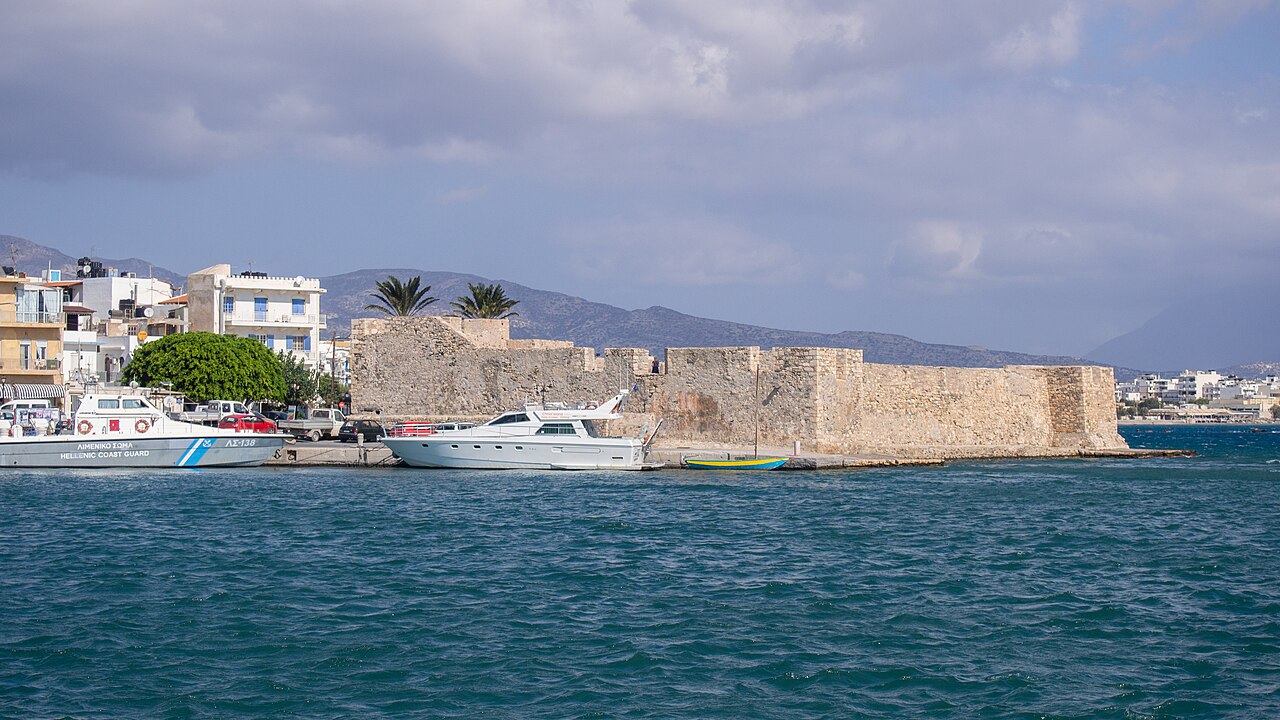
Spinalonga Fortress is a remarkable historical site located on a barren, arid rocky islet at the mouth of the natural harbour of Elounda, near Agios Nikolaos in Crete, Greece. The islet's strategic position made it an important defensive location from antiquity, originally fortified to protect the ancient city of Olous. However, the fortress as it stands today largely dates from the 16th century, when the Venetians constructed a formidable bastion-type fortress as part of their extensive fortification efforts to defend Crete against Ottoman expansion during the Renaissance period.
Venetian fortifications and architectural features
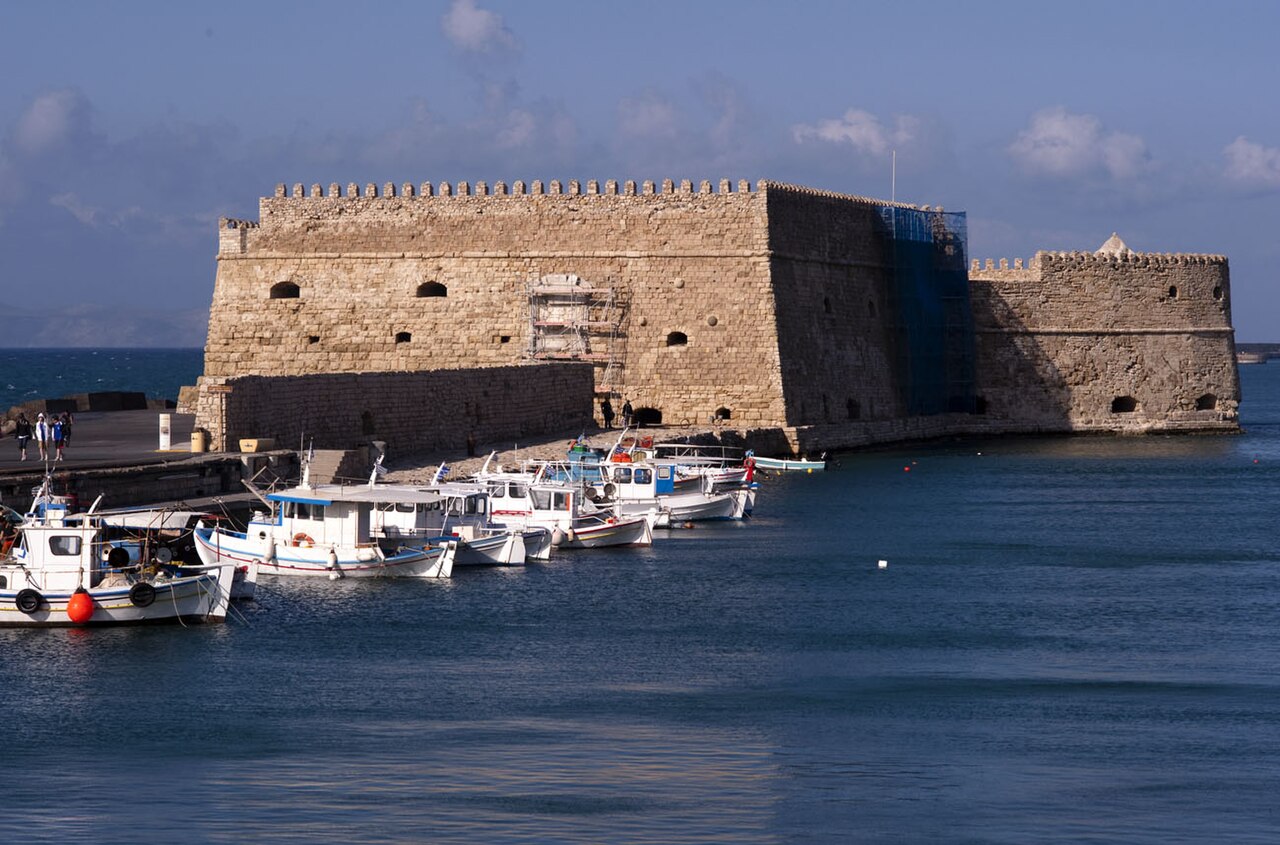
The Venetians designed Spinalonga as one of the most significant bastioned seaward fortresses in the Mediterranean. Its fortifications are notable for their sophisticated military architecture, including two prominent demilunes—crescent-shaped outworks that provided additional defensive firepower and protection against artillery attacks. These bastions were strategically placed to cover vulnerable approaches by sea, reflecting the advanced Renaissance military engineering principles of the era.
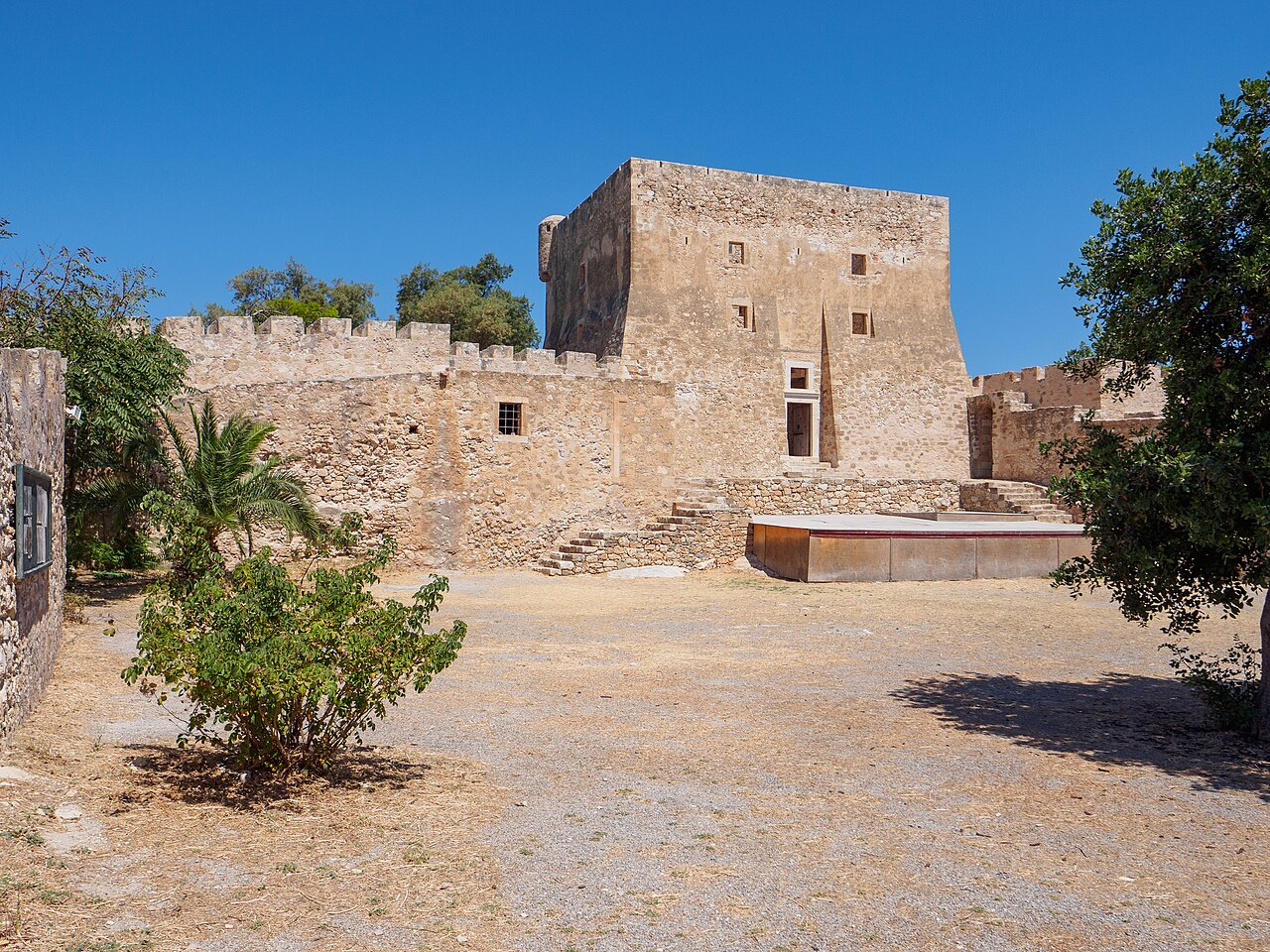
The fortress walls, constructed from local stone, are robust and thick, designed to withstand prolonged sieges and cannon bombardment. The layout includes curved bastions, curtain walls, and a central courtyard, typical of Venetian fortresses built during this period. The fortress also features gates, embrasures, and casemates for artillery placement, emphasizing its role as a defensive maritime stronghold.
Historical significance and military role
During the Cretan War (1645-1669), Spinalonga served as a refuge for local inhabitants fleeing Ottoman advances and as a base for Venetian and Cretan rebels who launched raids against Ottoman forces. The fortress's strategic importance was underscored by the fact that it remained under Venetian control even after the surrender of Chandax (modern Heraklion) in 1669, as stipulated in the peace treaty. This made Spinalonga the last Venetian possession on Crete for several decades.
In 1715, after a prolonged siege, the fortress was finally surrendered to the Ottomans. The Venetian garrison evacuated, and the approximately 600 inhabitants were taken captive. Following the Ottoman takeover, Spinalonga was settled by Muslim families who constructed their homes atop the existing Venetian foundations, creating a unique blend of architectural styles.
Ottoman period and village development
Under Ottoman rule, Spinalonga evolved into a thriving village, particularly from the mid-19th century onwards. By 1881, it had become the largest Muslim commercial centre in the Merabello Bay area, with a population of over 1,100 residents. The village was characterized by around 200 homes and 25 shops or workshops, arranged in a stepped pattern across the west and south sides of the islet.
The houses were typically two-storey structures, reflecting a blend of local Cretan and broader Balkan architectural traditions. Their symmetrical proportions and well-built stone construction illustrate the cultural influences and practical adaptations to the islet's rugged terrain. The village's layout and architecture provide valuable insights into the daily life and social organization of its Ottoman-era inhabitants.
The leper colony era
In 1904, during the period of the autonomous Cretan State, Spinalonga was repurposed as a leper hospital and quarantine colony. This marked a significant shift in the fortress's function from military stronghold to medical isolation facility. Lepers sent to the island were supported by state funding and charitable donations, creating a self-sustaining community despite the hardships of their condition.
The inhabitants of the leper colony organized their lives with remarkable resilience. They established homes, formed relationships, married, and even raised children on the island. The colony operated until 1957, when advances in medical treatment and changing public health policies led to its closure. Afterward, Spinalonga was abandoned and remained uninhabited for nearly two decades.
Archaeological recognition and tourism
In 1976, Spinalonga was officially designated as an archaeological site, recognizing its multifaceted historical and cultural significance. Today, the fortress and the remnants of the village and leper colony are preserved as an open-air museum, attracting hundreds of thousands of visitors annually.
Visitors can explore the extensive fortifications, including the bastions, walls, gates, and demilunes, as well as the ruins of the Ottoman village and the leper hospital buildings. The site offers a unique window into the layered history of Crete, from Venetian maritime defense to Ottoman settlement and 20th-century medical history.
Architectural highlights for visitors
- Venetian bastions and curtain walls: showcasing Renaissance military design
- Demilunes: advanced fortification outworks for seaward defense
- Ottoman village houses: two-storey stone buildings with Balkan influences
- Leper colony structures: residential and medical buildings reflecting early 20th-century isolation practices
- Natural rocky terrain: integrated into the fortress design for enhanced defense
Cultural and historical legacy
Spinalonga Fortress stands as a testament to the complex history of Crete, embodying layers of Venetian military ambition, Ottoman cultural integration, and modern medical history. Its well-preserved fortifications and village ruins provide scholars and visitors alike with tangible connections to the island's diverse past.
The fortress's story is also a poignant reminder of human resilience, particularly during its time as a leper colony, where despite isolation and hardship, a vibrant community life persisted. Today, Spinalonga is not only a significant archaeological site but also a symbol of the enduring human spirit amid adversity.
Frequently asked questions (FAQ)
- How do I get to Spinalonga Fortress from Agios Nikolaos?
- Spinalonga Fortress is accessible by boat from Agios Nikolaos and Elounda. Regular boat tours operate daily during the tourist season, providing easy access to the island.
- What is the historical significance of Spinalonga Fortress?
- Spinalonga Fortress was a key Venetian bastion built in the 16th century to defend Crete from Ottoman invasion. It later served as an Ottoman settlement and a leper colony, reflecting its layered history.
- Can I explore the leper colony buildings on Spinalonga?
- Yes, visitors can explore the remains of the leper colony, including residential and medical buildings, which offer insight into the lives of the patients who lived there until 1957.
- When is the best time to visit Spinalonga Fortress?
- The best time to visit is during the spring and autumn months when the weather is mild and the site is less crowded, allowing for a more comfortable and immersive experience.
- Are there guided tours available at Spinalonga?
- Guided tours are available and highly recommended to fully appreciate the complex history and architecture of Spinalonga Fortress. Many tours depart from nearby ports.
Information
Opening hours
08:00-19:00, daily
Ticket prices
€8 adult, €4 child
Current owner
Greek Ministry of Culture
Loading map...
Visitor reviews
No reviews yet. Been here? Write the first review and help other travelers!
Write the first reviewVisited this castle? Share your experience
Your review helps other travelers and adds first-hand knowledge to our encyclopedia.