Kastro Kales — Greece castle

Kastro Kales

Kastro Kales: a 13th-century bastioned fortress in Greece
High Medieval (11th–13th c.)

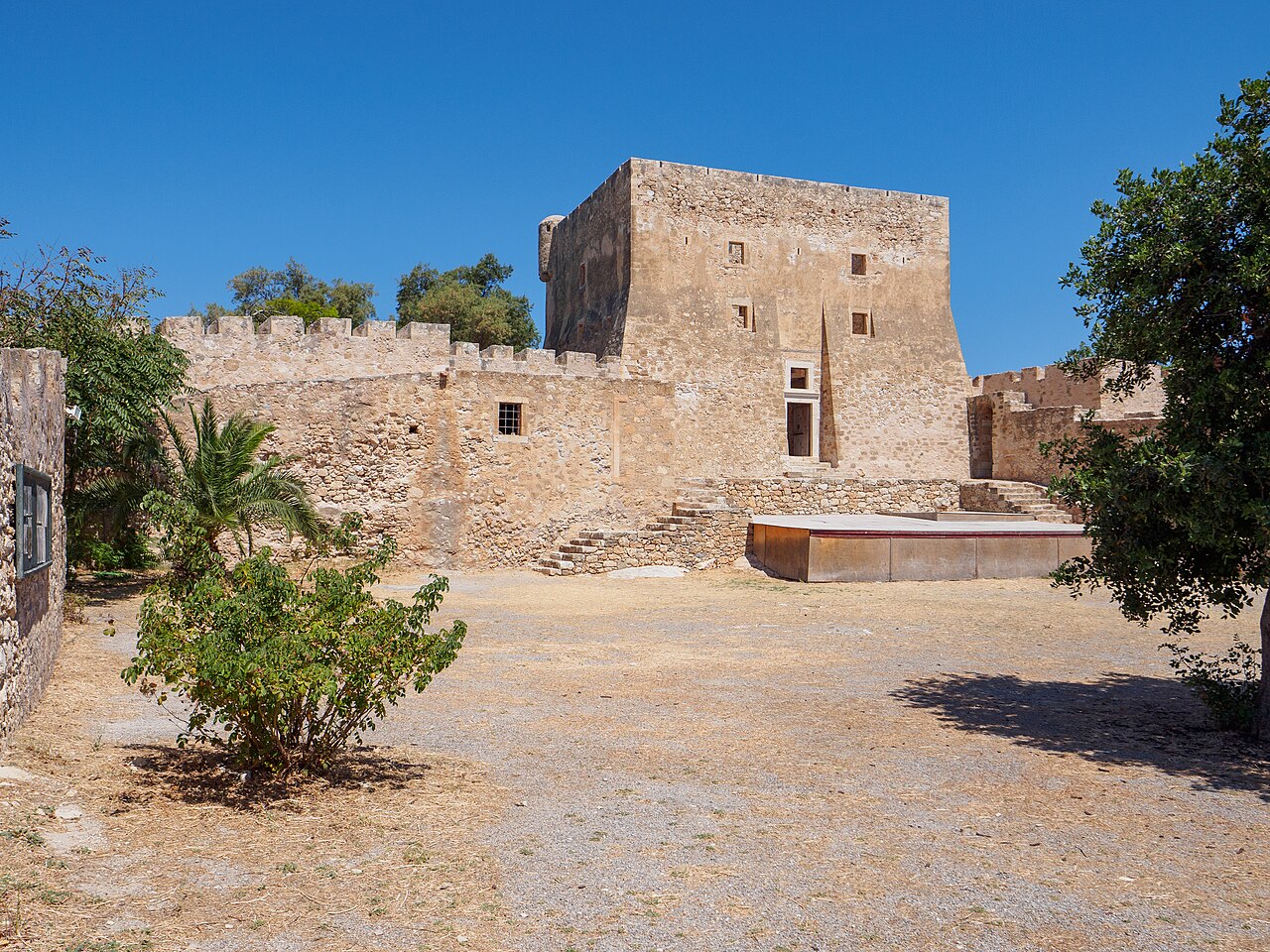
Kastro Kales is a notable example of a 13th-century bastioned fortress located in Greece, representing the military architectural advancements of the High Medieval period. Although the exact city location remains uncertain, the castle's design reflects the strategic defensive principles that were common in the Mediterranean region during this era.

Historical context and significance

Constructed during the High Medieval period, Kastro Kales was likely built amid the turbulent political and military landscape of the 13th century, a time when fortifications were essential for controlling territory and protecting against invasions. The era was marked by frequent conflicts between local powers, crusader states, and the Byzantine Empire, which influenced the castle's architectural style and defensive features.

Architectural features of Kastro Kales

Bastioned fortress design

The defining characteristic of Kastro Kales is its classification as a bastioned fortress. This type of castle incorporates projecting bastions or angular structures that extend from the main curtain walls, allowing defenders to cover adjacent walls with crossfire and reduce blind spots. This design reflects a transition in fortification techniques responding to the increasing use of siege engines and early artillery.

Walls and defensive structures

The fortress likely features thick stone curtain walls reinforced by bastions at key points, which would have provided robust protection against attackers. These walls were probably complemented by moats or ditches to impede enemy advances. The entrance would have been heavily fortified, possibly with a gatehouse equipped with defensive mechanisms such as a portcullis and murder holes.

Internal layout and facilities

Inside the fortress, there would have been essential structures such as living quarters, armories, and storage rooms to support a garrison. The presence of a keep or donjon is probable, serving as the last line of defense and a residence for the commanding officer.

Strategic location and role

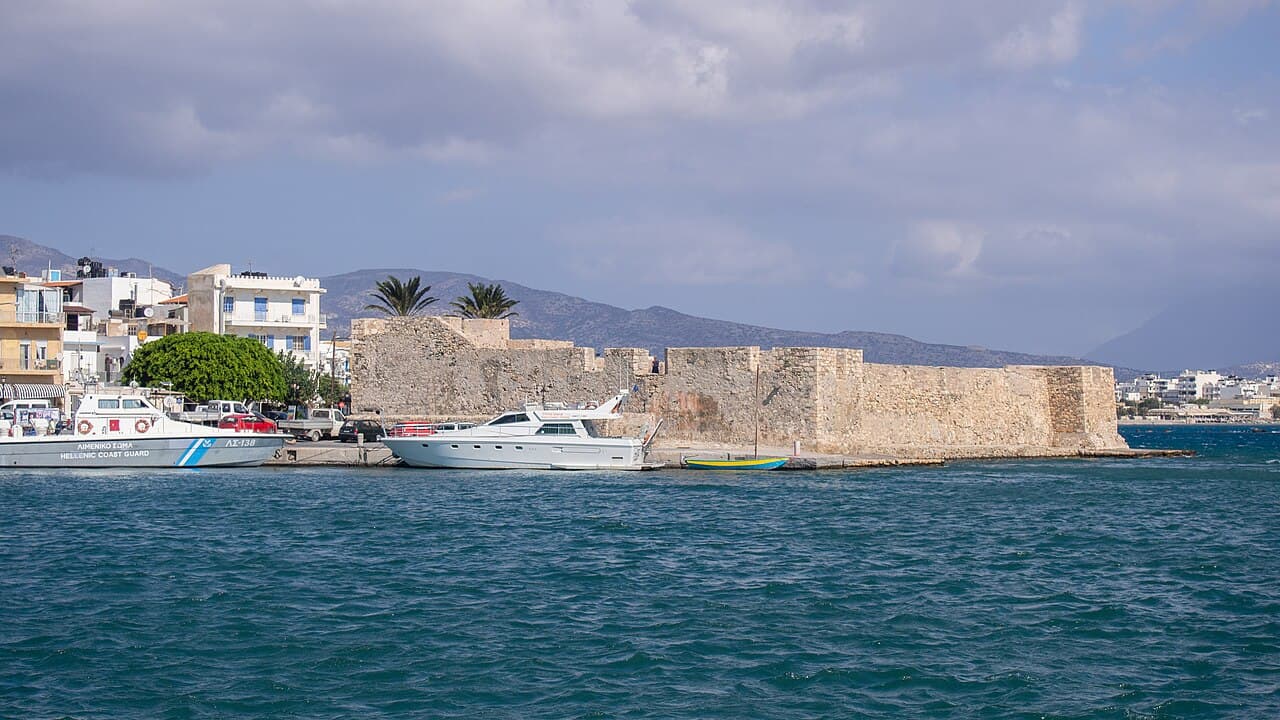
While the precise location of Kastro Kales is not documented, bastioned fortresses of this type were typically situated on elevated terrain or near important trade routes to maximize their strategic value. The fortress would have played a critical role in regional defense, controlling access to key areas and serving as a military stronghold during conflicts.

Preservation and current condition

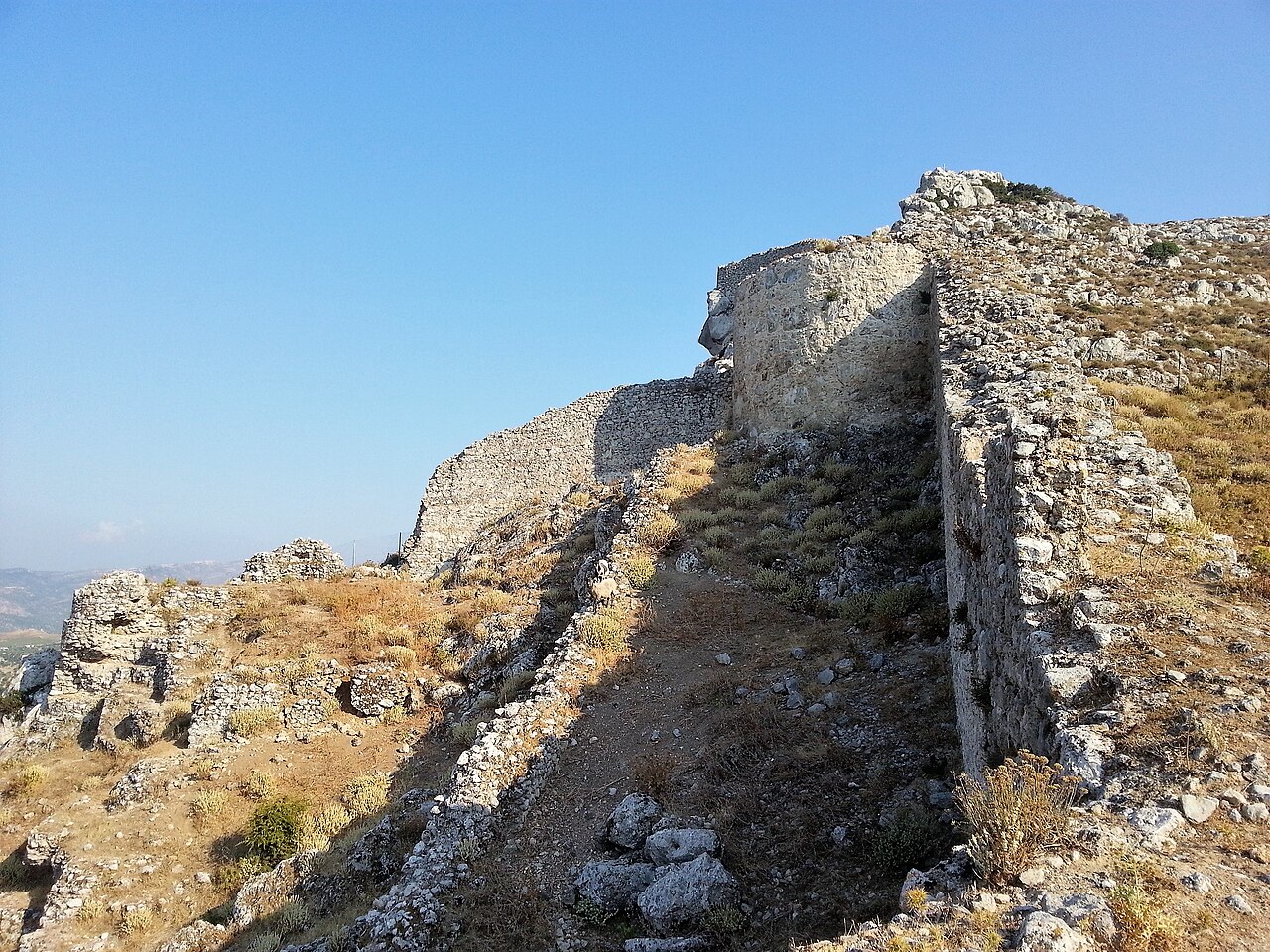
The current condition of Kastro Kales is not definitively recorded, but bastioned fortresses from the 13th century often survive as ruins or partially preserved structures. The stone construction tends to endure, allowing for archaeological study and potential restoration efforts.

Architectural legacy and influence

Kastro Kales exemplifies the evolution of medieval military architecture in Greece, illustrating the adaptation of fortress design to emerging warfare technologies. Its bastioned layout influenced later fortifications, contributing to the development of Renaissance and early modern defensive structures.

Frequently asked questions (FAQ)

What is Kastro Kales and when was it built?
Kastro Kales is a bastioned fortress in Greece constructed in the 13th century during the High Medieval period, designed for military defense.
What architectural features define Kastro Kales?
The fortress features bastions projecting from thick stone curtain walls, designed to allow crossfire and reduce blind spots during attacks.
Where is Kastro Kales located?
The exact city location of Kastro Kales in Greece is unknown, but it was likely positioned strategically on elevated ground or near trade routes.
What was the strategic role of Kastro Kales?
Kastro Kales served as a military stronghold controlling key access points and protecting territory during medieval conflicts.
What is the current condition of Kastro Kales?
The current preservation state of Kastro Kales is unclear, but similar bastioned fortresses from the 13th century often survive as ruins or partially preserved structures.

Photo gallery

Kastro Kales
Click to view

Photo by C messier•CC BY-SA 4.0

1 photo • Click any image to view in full screen

Information

Bastioned Fortress

Loading map...

Visitor reviews

No reviews yet. Been here? Write the first review and help other travelers!

Write the first review

Visited this castle? Share your experience

Your review helps other travelers and adds first-hand knowledge to our encyclopedia.

Write a review

(5/5)

0/2000 characters

Your review will be visible after admin approval

Nearby castles

32.7 km

Spinalonga Fortress

Agios Nikolaos, Greece

Spinalonga Fortress is a remarkable historical site located on a barren, arid rocky islet at the mouth of the natural harbour of Elounda, near Agios Nikolaos in Crete, Greece. The islet's strategic position made it an important defensive location from antiquity, originally fortified to protect the ancient city of Olous. However, the fortress as it stands today largely dates from the 16th century, when the Venetians constructed a formidable bastion-type fortress as part of their extensive fortification efforts to defend Crete against Ottoman expansion during the Renaissance period. Venetian fortifications and architectural features The Venetians designed Spinalonga as one of the most significant bastioned seaward fortresses in the Mediterranean. Its fortifications are notable for their sophisticated military architecture, including two prominent demilunes—crescent-shaped outworks that provided additional defensive firepower and protection against artillery attacks. These bastions were strategically placed to cover vulnerable approaches by sea, reflecting the advanced Renaissance military engineering principles of the era. The fortress walls, constructed from local stone, are robust and thick, designed to withstand prolonged sieges and cannon bombardment. The layout includes curved bastions, curtain walls, and a central courtyard, typical of Venetian fortresses built during this period. The fortress also features gates, embrasures, and casemates for artillery placement, emphasizing its role as a defensive maritime stronghold. Historical significance and military role During the Cretan War (1645-1669), Spinalonga served as a refuge for local inhabitants fleeing Ottoman advances and as a base for Venetian and Cretan rebels who launched raids against Ottoman forces. The fortress's strategic importance was underscored by the fact that it remained under Venetian control even after the surrender of Chandax (modern Heraklion) in 1669, as stipulated in the peace treaty. This made Spinalonga the last Venetian possession on Crete for several decades. In 1715, after a prolonged siege, the fortress was finally surrendered to the Ottomans. The Venetian garrison evacuated, and the approximately 600 inhabitants were taken captive. Following the Ottoman takeover, Spinalonga was settled by Muslim families who constructed their homes atop the existing Venetian foundations, creating a unique blend of architectural styles. Ottoman period and village development Under Ottoman rule, Spinalonga evolved into a thriving village, particularly from the mid-19th century onwards. By 1881, it had become the largest Muslim commercial centre in the Merabello Bay area, with a population of over 1,100 residents. The village was characterized by around 200 homes and 25 shops or workshops, arranged in a stepped pattern across the west and south sides of the islet. The houses were typically two-storey structures, reflecting a blend of local Cretan and broader Balkan architectural traditions. Their symmetrical proportions and well-built stone construction illustrate the cultural influences and practical adaptations to the islet's rugged terrain. The village's layout and architecture provide valuable insights into the daily life and social organization of its Ottoman-era inhabitants. The leper colony era In 1904, during the period of the autonomous Cretan State, Spinalonga was repurposed as a leper hospital and quarantine colony. This marked a significant shift in the fortress's function from military stronghold to medical isolation facility. Lepers sent to the island were supported by state funding and charitable donations, creating a self-sustaining community despite the hardships of their condition. The inhabitants of the leper colony organized their lives with remarkable resilience. They established homes, formed relationships, married, and even raised children on the island. The colony operated until 1957, when advances in medical treatment and changing public health policies led to its closure. Afterward, Spinalonga was abandoned and remained uninhabited for nearly two decades. Archaeological recognition and tourism In 1976, Spinalonga was officially designated as an archaeological site, recognizing its multifaceted historical and cultural significance. Today, the fortress and the remnants of the village and leper colony are preserved as an open-air museum, attracting hundreds of thousands of visitors annually. Visitors can explore the extensive fortifications, including the bastions, walls, gates, and demilunes, as well as the ruins of the Ottoman village and the leper hospital buildings. The site offers a unique window into the layered history of Crete, from Venetian maritime defense to Ottoman settlement and 20th-century medical history. Architectural highlights for visitors Venetian bastions and curtain walls: showcasing Renaissance military design Demilunes: advanced fortification outworks for seaward defense Ottoman village houses: two-storey stone buildings with Balkan influences Leper colony structures: residential and medical buildings reflecting early 20th-century isolation practices Natural rocky terrain: integrated into the fortress design for enhanced defense Cultural and historical legacy Spinalonga Fortress stands as a testament to the complex history of Crete, embodying layers of Venetian military ambition, Ottoman cultural integration, and modern medical history. Its well-preserved fortifications and village ruins provide scholars and visitors alike with tangible connections to the island's diverse past. The fortress's story is also a poignant reminder of human resilience, particularly during its time as a leper colony, where despite isolation and hardship, a vibrant community life persisted. Today, Spinalonga is not only a significant archaeological site but also a symbol of the enduring human spirit amid adversity.

Renaissance (15th–17th c.)
Details
40.8 km
Kazarma Fortress — Greece castle

Kazarma Fortress

Sitia, Greece

Kazarma Fortress in Sitia, Crete, is a prominent example of Venetian military architecture built in the 13th century. The fortress was originally constructed as the Casa di Arma, or guard barracks, which evolved in name to Kazarma. It served as the primary defensive stronghold for the town of Sitia, strategically positioned to oversee and protect the coastal area. The fortress's elevated location provides commanding views of the town and the surrounding sea, emphasizing its role in coastal defense. Construction and architectural features The Kazarma Fortress is classified as a bastioned fortress, a style that became increasingly important during the High Medieval period for adapting to the use of gunpowder artillery. Its design includes thick defensive walls and bastions that allowed defenders to cover all approaches with overlapping fields of fire, a typical feature of Venetian fortifications across Crete. The fortress's layout was intended to house the garrison troops securely while offering a formidable barrier against both land and sea attacks. The original structure was built using local stone materials, with walls designed to withstand cannon fire and sieges. The fortress included essential military elements such as battlements, a main gate fortified with defensive mechanisms, and internal barracks to accommodate soldiers. Over time, modifications were made to adapt to evolving military technology and threats. Historical challenges and damages The fortress endured significant damage throughout its history due to natural disasters and military conflicts. In 1303, a powerful earthquake partially destroyed the structure, necessitating repairs that, however, did not restore its full defensive capacity. Another major earthquake struck in 1508, further weakening the fortress. In 1538, the fortress suffered a devastating attack by the Ottoman admiral Barbarossa, who destroyed much of the fortification during his campaigns in the region. Despite these setbacks, the Venetians undertook extensive fortification programs across Crete in the 16th century to strengthen their hold on the island. Venetian abandonment and turkish occupation When the Ottoman Turks invaded Crete in 1645, the Venetian General Mocenigo assessed that Kazarma Fortress could not effectively defend Sitia against a prolonged siege. Consequently, in 1651, the Venetians withdrew their forces and military equipment to the more defensible fortress of Chandax (Heraklion), deliberately damaging parts of Kazarma to prevent its use by the enemy. The Ottoman forces captured the fortress and repurposed it as a fort, making significant alterations to its interior layout. They constructed a new fortification at the base of the original Venetian castle, adapting the site to their military needs and architectural preferences. Current status and visitor information Today, Kazarma Fortress remains a notable historical monument in Sitia. Although it has undergone various phases of damage and reconstruction, its ruins still convey the strategic importance it held during Venetian and Ottoman rule. Visitors can explore the site daily except Mondays, enjoying panoramic views of the town and the Mediterranean coastline. The fortress's location offers insight into the military history of Crete and the architectural evolution of coastal fortifications in the Mediterranean. It stands as a testament to the island's turbulent past and the legacy of Venetian maritime power.

High Medieval (11th–13th c.)
Details
61.7 km
Castle of Temenos — Greece castle

Castle of Temenos

, Greece

The Castle of Temenos is an early medieval hill castle located in Greece, dating back to the 10th century. Its exact city or town location remains undocumented in modern sources, but it is recognized as a significant example of hilltop fortifications from this period in Greek history. The castle was strategically positioned on elevated terrain, a common defensive measure in the early medieval era to maximize visibility and protection against invaders. Historical context and significance Constructed during the early medieval period, the Castle of Temenos reflects the turbulent times in Greece following the decline of the Byzantine Empire's early dominance and the increasing threats from various invading forces, including Slavic tribes and later the Normans. Hill castles such as Temenos played a crucial role in regional defense networks, serving both military and administrative functions. The castle's name, "Temenos," suggests a sacred or protected precinct, which may indicate that the site had religious or cultural importance in addition to its military use. This dual role was not uncommon in medieval fortifications, where castles often served as centers of local power and governance. Architectural features and construction The Castle of Temenos is classified as a hill castle, characterized by its construction on elevated ground to exploit natural defensive advantages. Its design likely included thick stone walls adapted to the uneven terrain, with battlements and possibly a keep or donjon serving as the last line of defense. Typical of early medieval Greek fortifications, the castle would have incorporated simple yet robust masonry techniques, using locally sourced stone. Defensive features such as arrow slits, gatehouses, and watchtowers would have been integrated to monitor and repel attackers. While detailed architectural plans or extensive ruins have not been widely documented, the Castle of Temenos represents the strategic military architecture of its time, emphasizing functionality over ornate design. Military and strategic role During the 10th century, the region where the Castle of Temenos stands was marked by frequent conflicts and shifting control. The castle's elevated position would have allowed defenders to observe approaching enemies from a distance, providing early warning and a tactical advantage. Its role likely extended beyond mere defense; the castle may have served as a local administrative center, overseeing nearby settlements and controlling key routes through the surrounding landscape. Such castles were vital in maintaining the security and stability of frontier regions during the early medieval period. Preservation and current status The Castle of Temenos today is considered to be in a ruins state, with only partial remains visible. The lack of extensive restoration means that much of its original structure has been lost to time, though archaeological interest persists in uncovering more about its history and construction. Its remote location and the scarcity of detailed records contribute to its enigmatic status among Greek medieval castles. Efforts to preserve what remains focus on protecting the site from further deterioration while allowing limited public access for educational and cultural purposes. Visiting the castle Information on visiting hours and ticket prices is not well documented, reflecting the castle's lesser-known status. Visitors interested in early medieval Greek fortifications may find the site intriguing, especially those with a focus on military architecture and Byzantine history. Due to its hilltop location, access may require a moderate hike and preparation for uneven terrain. Visitors are advised to check local resources or tourism offices for the latest information before planning a visit.

Early Medieval (5th–10th c.)
Details