Kazarma Fortress
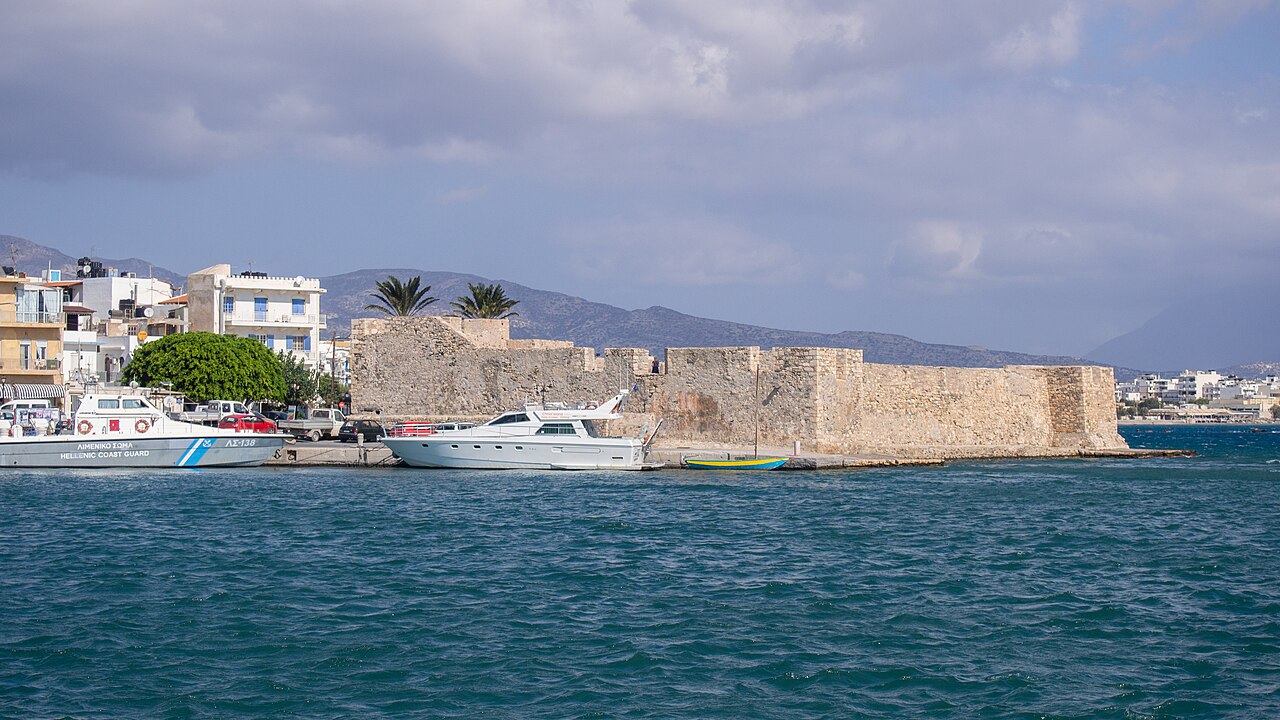
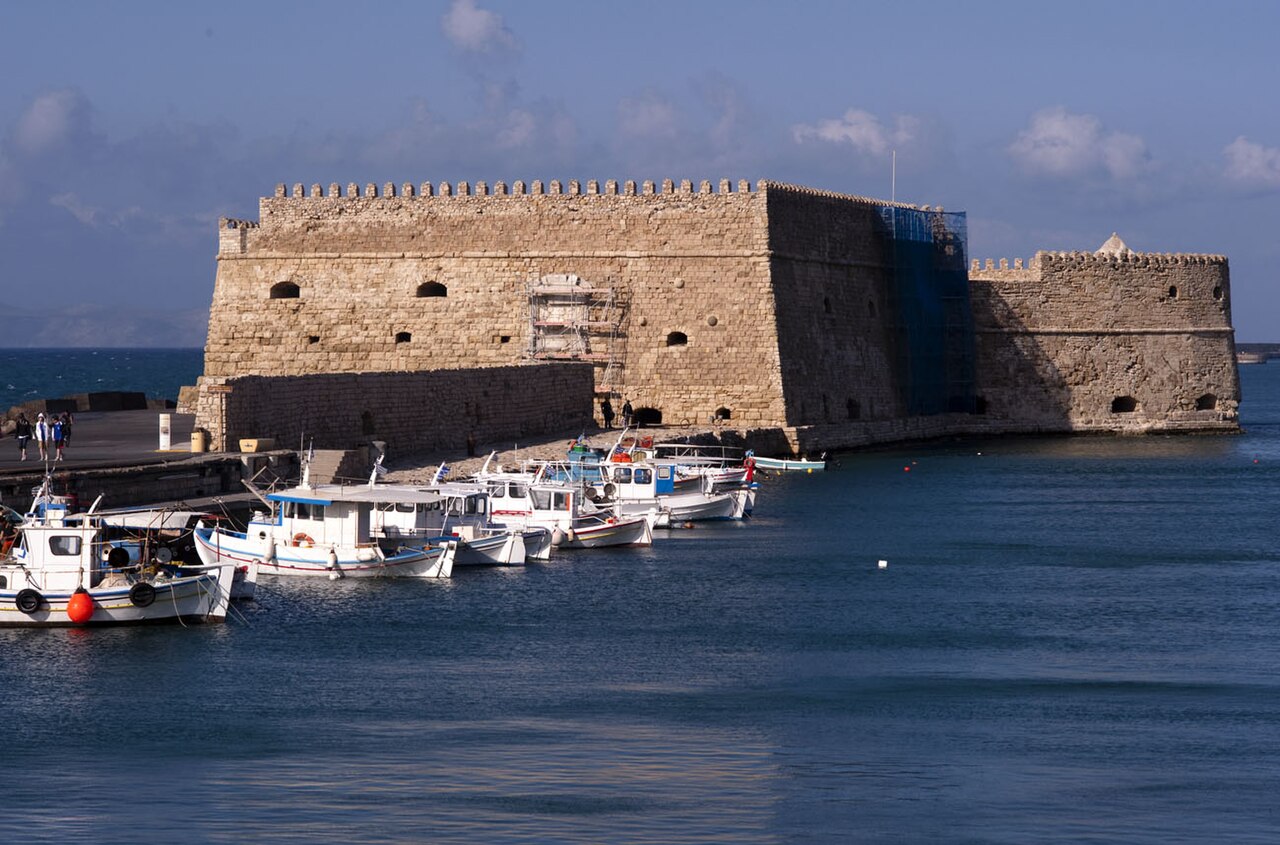
Kazarma Fortress in Sitia, Crete, is a prominent example of Venetian military architecture built in the 13th century. The fortress was originally constructed as the Casa di Arma, or guard barracks, which evolved in name to Kazarma. It served as the primary defensive stronghold for the town of Sitia, strategically positioned to oversee and protect the coastal area. The fortress's elevated location provides commanding views of the town and the surrounding sea, emphasizing its role in coastal defense.
Construction and architectural features
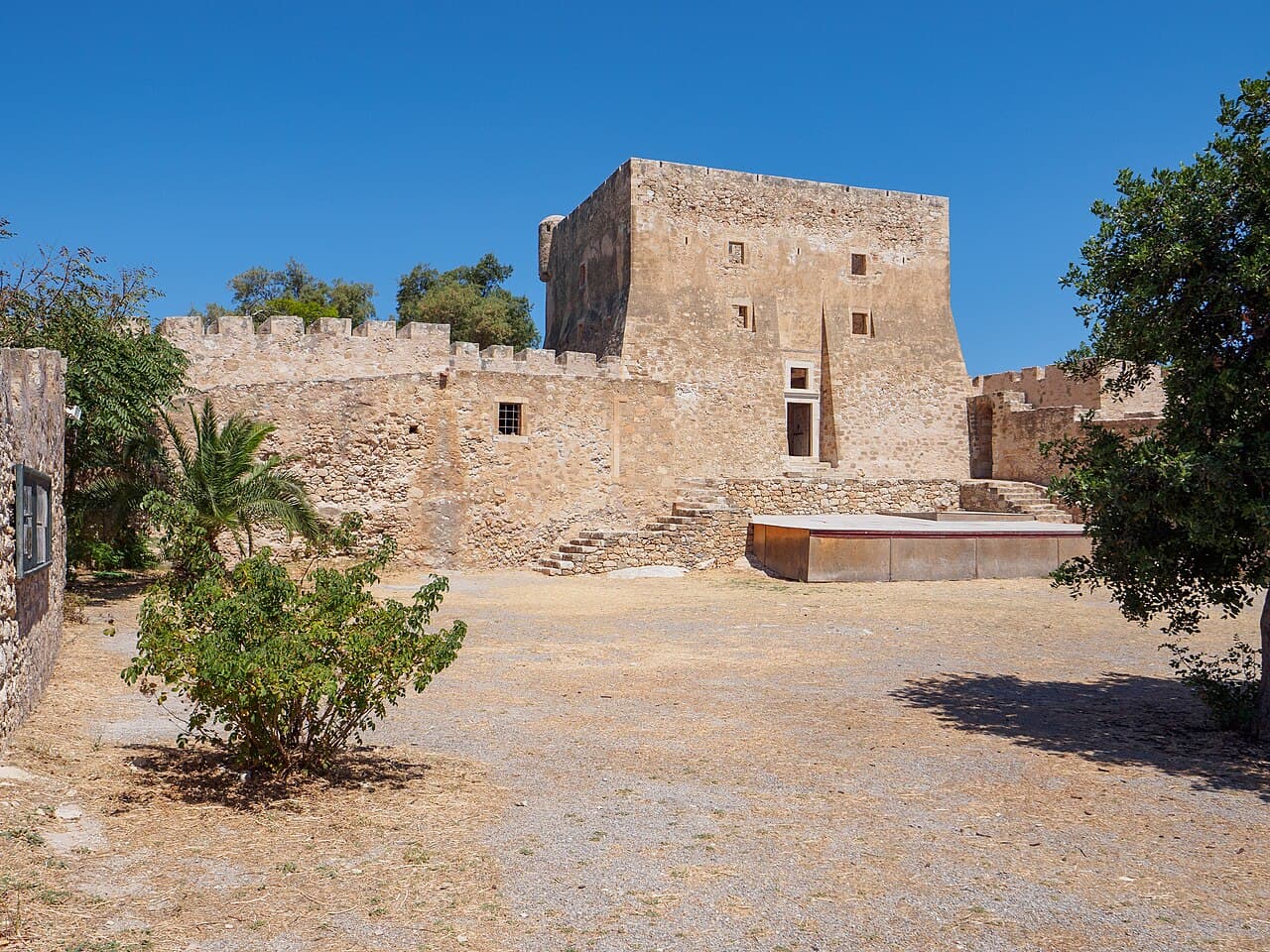
The Kazarma Fortress is classified as a bastioned fortress, a style that became increasingly important during the High Medieval period for adapting to the use of gunpowder artillery. Its design includes thick defensive walls and bastions that allowed defenders to cover all approaches with overlapping fields of fire, a typical feature of Venetian fortifications across Crete. The fortress's layout was intended to house the garrison troops securely while offering a formidable barrier against both land and sea attacks.
The original structure was built using local stone materials, with walls designed to withstand cannon fire and sieges. The fortress included essential military elements such as battlements, a main gate fortified with defensive mechanisms, and internal barracks to accommodate soldiers. Over time, modifications were made to adapt to evolving military technology and threats.
Historical challenges and damages
The fortress endured significant damage throughout its history due to natural disasters and military conflicts. In 1303, a powerful earthquake partially destroyed the structure, necessitating repairs that, however, did not restore its full defensive capacity. Another major earthquake struck in 1508, further weakening the fortress.
In 1538, the fortress suffered a devastating attack by the Ottoman admiral Barbarossa, who destroyed much of the fortification during his campaigns in the region. Despite these setbacks, the Venetians undertook extensive fortification programs across Crete in the 16th century to strengthen their hold on the island.
Venetian abandonment and turkish occupation
When the Ottoman Turks invaded Crete in 1645, the Venetian General Mocenigo assessed that Kazarma Fortress could not effectively defend Sitia against a prolonged siege. Consequently, in 1651, the Venetians withdrew their forces and military equipment to the more defensible fortress of Chandax (Heraklion), deliberately damaging parts of Kazarma to prevent its use by the enemy.
The Ottoman forces captured the fortress and repurposed it as a fort, making significant alterations to its interior layout. They constructed a new fortification at the base of the original Venetian castle, adapting the site to their military needs and architectural preferences.
Current status and visitor information
Today, Kazarma Fortress remains a notable historical monument in Sitia. Although it has undergone various phases of damage and reconstruction, its ruins still convey the strategic importance it held during Venetian and Ottoman rule. Visitors can explore the site daily except Mondays, enjoying panoramic views of the town and the Mediterranean coastline.
The fortress's location offers insight into the military history of Crete and the architectural evolution of coastal fortifications in the Mediterranean. It stands as a testament to the island's turbulent past and the legacy of Venetian maritime power.
Frequently asked questions (FAQ)
- How do I get to Kazarma Fortress?
- Kazarma Fortress is located in Sitia, Greece, and can be easily reached by car or public transport. If you're traveling from Agios Nikolaos or Heraklion, take the main road to Sitia, and follow local signs directing you to the fortress.
- What is the historical significance of Kazarma Fortress?
- Kazarma Fortress was built in the 13th century to protect the town of Sitia from pirate attacks and foreign invasions. It played a crucial role during various historical conflicts and stands as a testament to the region's rich history and architectural evolution.
- When was Kazarma Fortress constructed?
- Kazarma Fortress was constructed in 1303 by the Venetians as part of their defense system in Crete. Its strategic location and robust design helped it serve as a military stronghold for centuries.
- Can I visit Kazarma Fortress year-round?
- Yes, Kazarma Fortress is open to visitors throughout the year. However, it's always best to check local conditions or any specific events that might affect accessibility during your planned visit.
- Why is Kazarma Fortress considered an architectural marvel?
- Kazarma Fortress showcases a blend of Venetian and Byzantine architectural styles, characterized by its imposing walls and well-preserved structures. Its design not only served defensive purposes but also reflects the artistry and engineering skills of its time.
- Is it possible to explore the interior of Kazarma Fortress?
- Yes, visitors can explore the interior of Kazarma Fortress, which includes various rooms and battlements. Guided tours are available, providing insights into its history and architecture.
- What are the opening hours for Kazarma Fortress?
- Kazarma Fortress typically opens daily from 8:00 AM to 7:00 PM during the summer months and from 8:00 AM to 5:00 PM in the winter. It’s advisable to check for any seasonal changes to the schedule before your visit.
- Are there any ticket prices for entering Kazarma Fortress?
- Yes, there is a small entrance fee to visit Kazarma Fortress, which helps maintain the site. Discounts may be available for students and seniors, so be sure to inquire about any applicable rates at the ticket booth.
- What are some nearby attractions to Kazarma Fortress?
- Nearby attractions include the picturesque town of Sitia, the archaeological site of Itanos, and the beautiful beaches along the eastern coast of Crete. These sites offer rich cultural experiences and stunning natural scenery to enhance your visit.
Photo gallery

Information
Loading map...
Visitor reviews
No reviews yet. Been here? Write the first review and help other travelers!
Write the first reviewVisited this castle? Share your experience
Your review helps other travelers and adds first-hand knowledge to our encyclopedia.