Soutomaior Castle
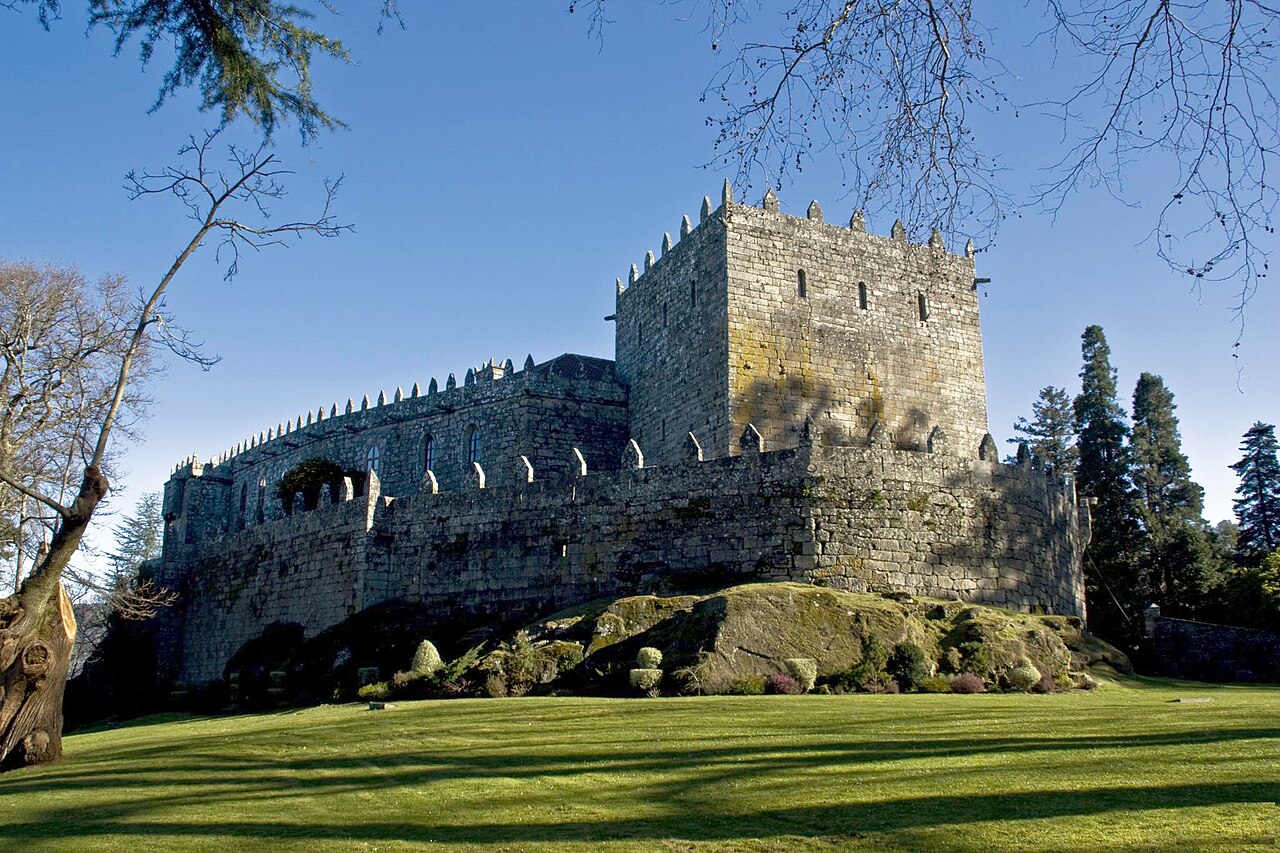
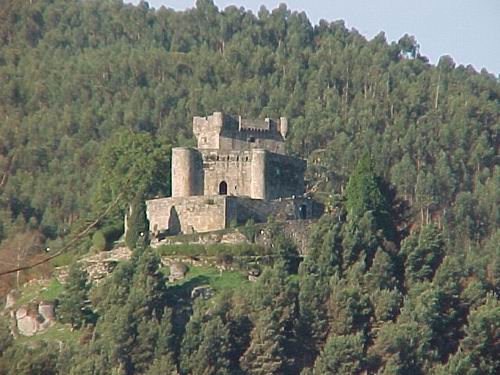
Soutomaior Castle stands as a prominent medieval fortress in the region of Southern Galicia, Spain. Constructed in the 12th century by Pedro Álvarez de Soutomaior, it occupies a strategic hilltop position at 119 metres above sea level, overseeing the Ría de Vigo and the valley of the Verdugo River. Its location was chosen for defensive purposes against seaborne threats such as Norman, Turkish, and pirate incursions, while also controlling vital land communication routes from north to south. The castle's early origins trace back to the reign of Alfonso VII, during which a military structure was first established on this site.
Historical background and strategic importance
During the High Medieval period, Soutomaior Castle played a crucial role as a seat of feudal power in Galicia. The castle's defensive capabilities were enhanced in the 15th century when the original defensive tower was expanded into a complex featuring two concentric walls, reflecting the evolving military architecture of the time. This expansion coincided with the prominence of Pedro Álvarez de Sotomayor, also known as Pedro Madruga, who held titles such as Count of Camiña, Viscount of Tui, and Mariscal of Baiona. His influence was significant in the castle's history and the wider region.
Architectural features and renovations
The castle is a classic example of a hill castle designed to maximize natural defensive advantages. The original keep tower formed the core of the fortress, surrounded by thick stone walls and defensive battlements. The later addition of a second wall created a formidable two-walled complex, providing enhanced protection against siege warfare. Over the centuries, Soutomaior Castle underwent several renovations and alterations, which contributed to its current impressive state. These modifications reflect changes in military technology and residential needs, transitioning the fortress from purely defensive to also serving as a noble residence.
Defensive structures
The castle's fortifications include strong curtain walls with battlements for archers, a fortified gatehouse, and strategically placed towers that offered vantage points for surveillance and defense. The location on a hilltop allowed defenders to monitor the surrounding landscape, including the Verdugo River valley and the coastal approaches, ensuring control over the region.
Residential and garden areas
In addition to its military functions, Soutomaior Castle served as a summer residence for noble families. The castle grounds include a garden recognized as an International Garden of Excellence, showcasing a blend of historical landscaping and botanical interest. This garden enhances the cultural and aesthetic value of the site, attracting visitors interested in both history and horticulture.
Legends and historical associations
One of the intriguing aspects of Soutomaior Castle's history is its association with Pedro Madruga and the theory that he may have been the same person as Christopher Columbus. This hypothesis is based on shared acquaintances and rivalries, as well as the naming of numerous places in the New World after locations in As Rías Baixas, the coastal area near the castle. While this theory remains speculative, it adds a layer of mystery and interest to the castle's narrative.
Current status and public access
Today, Soutomaior Castle is a well-preserved historic site open to the public. It offers visitors the chance to explore its medieval architecture, defensive features, and beautiful gardens. The castle functions as a cultural landmark and a reminder of Galicia's medieval past, drawing tourists and history enthusiasts alike.
Its preservation and restoration efforts have maintained the castle's structural integrity and historical authenticity, allowing it to serve as both an educational resource and a scenic destination.
Frequently asked questions (FAQ)
- How do I get to Soutomaior Castle?
- Soutomaior Castle is easily accessible by car or public transport, located just a short distance from the town center. If you're coming from Vigo, there are regular bus services that can take you directly to the castle.
- What is the historical significance of Soutomaior Castle?
- Soutomaior Castle dates back to the 12th century and has played a vital role in the region's history, serving as a fortress and noble residence. It is recognized for its connection to the medieval conflicts in Galicia and its restoration efforts in the 20th century, which have preserved its historical integrity.
- When was Soutomaior Castle built?
- Soutomaior Castle was originally constructed in the 12th century, although it underwent significant renovations in the 15th and 16th centuries. The castle showcases various architectural styles that reflect its long history and the changes it has undergone over the centuries.
- Can I visit Soutomaior Castle year-round?
- Yes, Soutomaior Castle is open to visitors throughout the year, although hours may vary seasonally. It's advisable to check the official website for the most current opening times before your visit.
- Why is the architecture of Soutomaior Castle unique?
- The architecture of Soutomaior Castle is a blend of Gothic and Renaissance styles, featuring impressive stone walls and a picturesque courtyard. Its strategic design reflects the castle's defensive purpose while also serving as a noble residence, making it a fascinating example of medieval architecture.
- Is it possible to explore the gardens of Soutomaior Castle?
- Yes, visitors can explore the beautiful gardens surrounding Soutomaior Castle, which are known for their diverse plant species and stunning views. The gardens provide a serene environment to enjoy the natural beauty and historical context of the castle.
- What are the ticket prices for visiting Soutomaior Castle?
- The ticket prices for Soutomaior Castle are quite affordable, typically ranging from €3 to €5 for adults, with discounts available for children and seniors. Purchasing tickets in advance online can help you avoid long lines and ensure a smooth entry.
- What are the best times to visit Soutomaior Castle?
- The best times to visit Soutomaior Castle are during the spring and fall when the weather is mild and the gardens are in full bloom. Visiting during weekdays can also help you avoid the larger crowds typically seen on weekends and holidays.
- Are there any nearby attractions to Soutomaior Castle?
- Yes, there are several nearby attractions, including the scenic village of Soutomaior and the beautiful beaches of the Galician coast. Additionally, the city of Vigo is only a short drive away, offering more cultural and historical experiences for visitors.
Information
Website
Visit websiteSources & official resources
Verify the information above using these authoritative references.
Loading map...
Visitor reviews
No reviews yet. Been here? Write the first review and help other travelers!
Write the first reviewVisited this castle? Share your experience
Your review helps other travelers and adds first-hand knowledge to our encyclopedia.