Southern Saru Castle
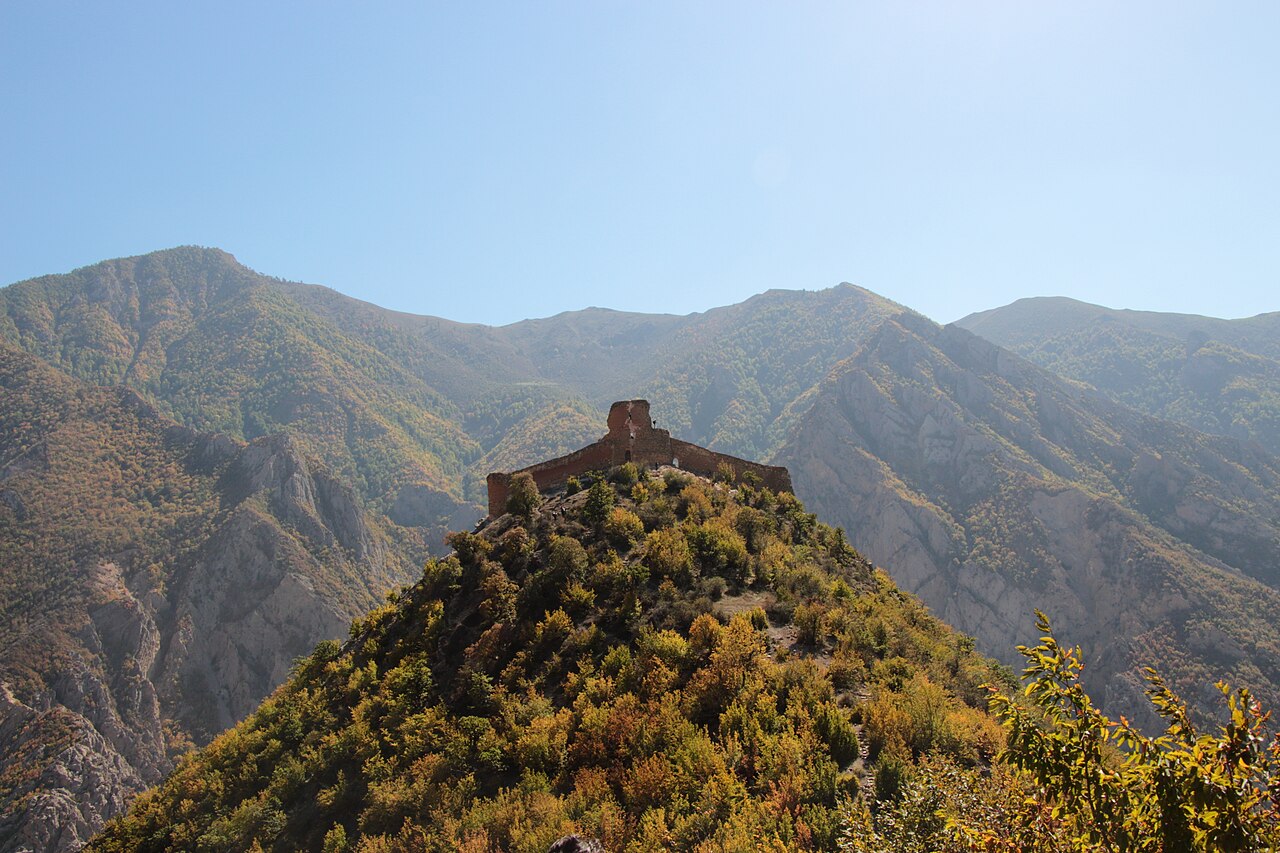
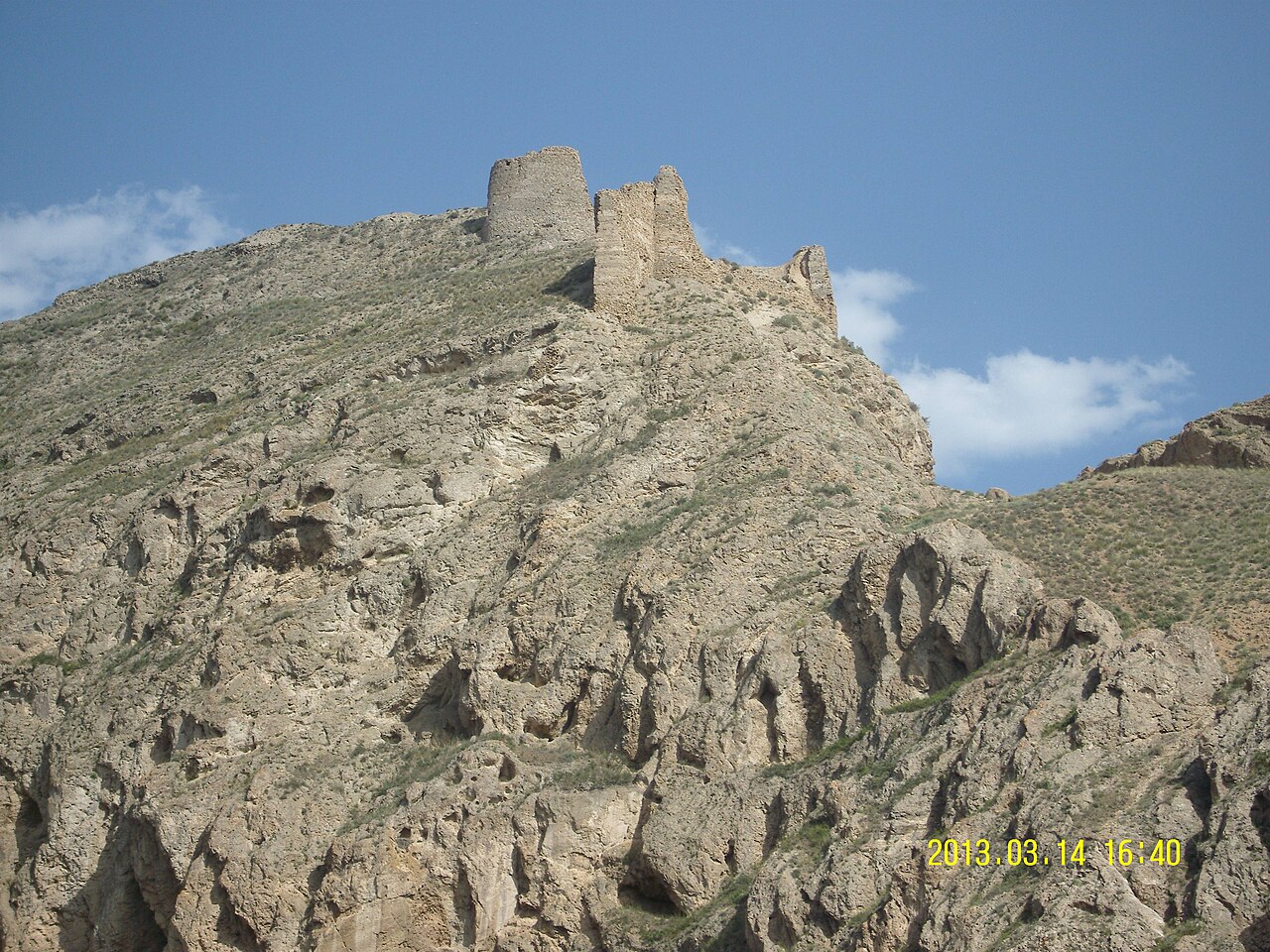
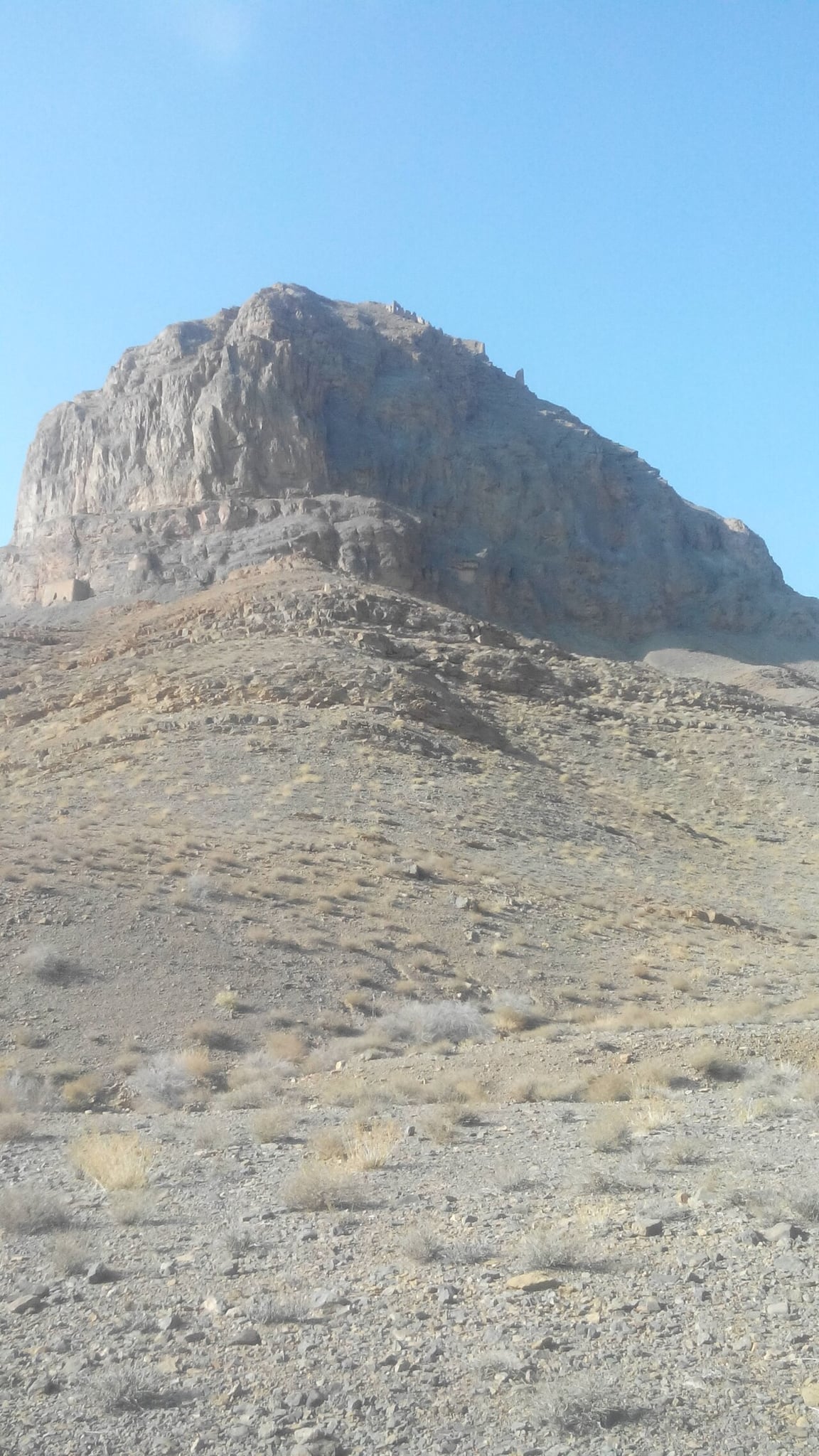
Southern Saru Castle, located in the mountainous region northeast of Semnan, Iran, is a remarkable example of a hill castle with significant historical and architectural value. Situated approximately 10 km from Semnan city, it stands on the southern mountain overlooking the valley known as Kalāteh Sārū or Mazra'eh-ye Sārū. This castle, also called the Greater Saru, is distinguished by its relatively intact condition compared to its companion, the Lesser Saru Castle, which lies on the northern mountain and is mostly in ruins.
Strategic location and defensive features
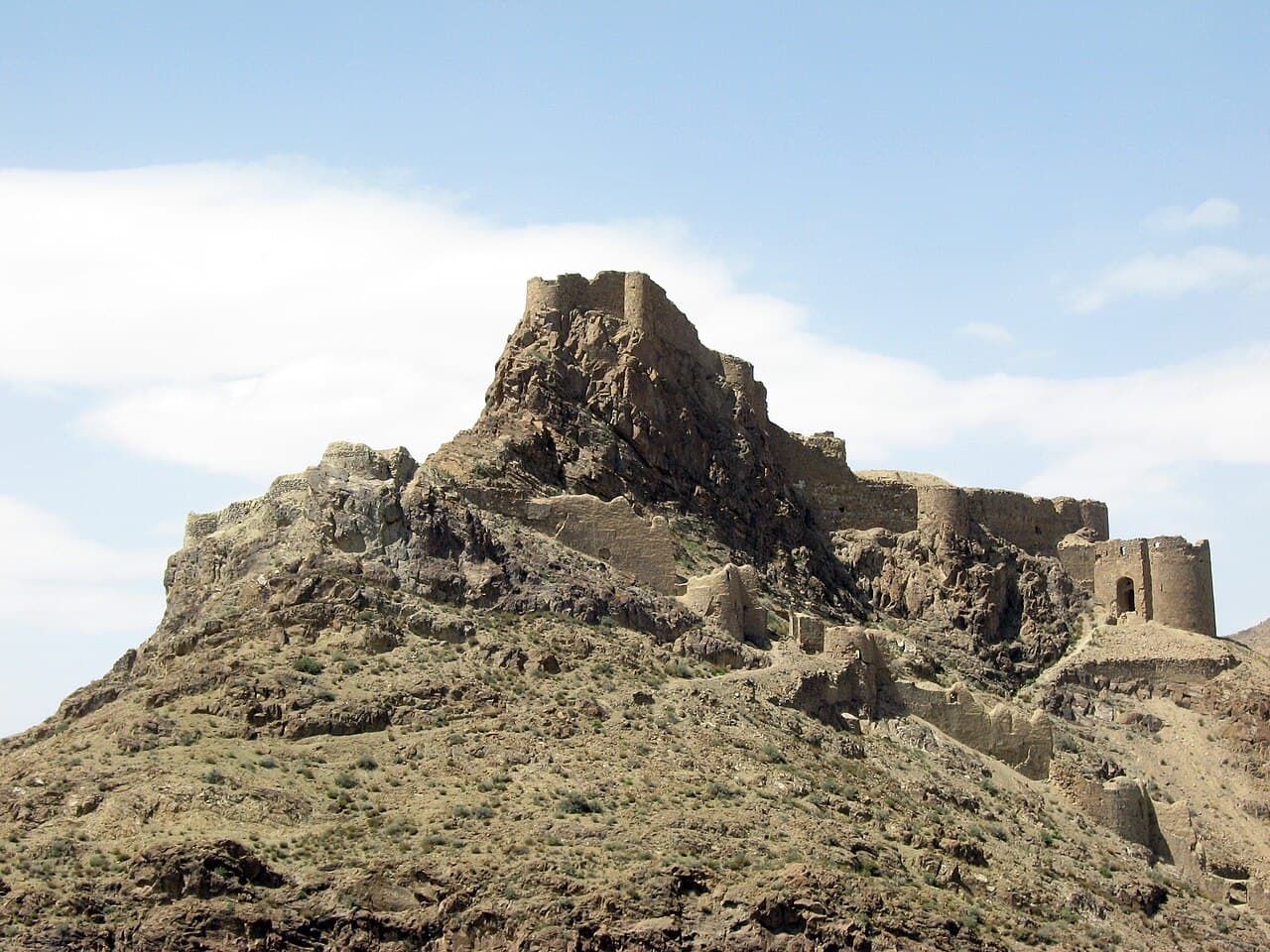
The Greater Saru Castle rises about 100 meters higher than the Lesser Saru, commanding a strategic vantage point over the valley and the natural springs below. These springs were crucial for sustaining the castle's inhabitants and were protected by the Lesser Saru Castle, which functioned as an outpost to safeguard the water source. The castle's defensive system is notable for its triple outer walls, which provided multiple layers of fortification against attackers. The main entrance is architecturally unique, featuring a double-bend passageway designed to slow down and expose invaders, a sophisticated defensive tactic uncommon in many contemporary fortresses.
Architectural design and water management
The castle's design reflects a high degree of planning and adaptation to its environment. One of the most impressive features is the water catchment system, which collected and stored water to ensure a reliable supply during sieges. This system highlights the castle's self-sufficiency and the importance of water management in medieval fortifications in arid regions. The walls, built with local stone and mortar, incorporate towers and battlements that allowed defenders to monitor and repel enemy advances effectively.
Historical significance and occupants
The history of Southern Saru Castle spans several important Iranian dynasties and groups. It is believed to have origins dating back to the Arsacid period, with subsequent use and modifications by the Dabuyids of Tabaristan and the Buyids. Most notably, the castle was utilized and expanded by the Nizari Ismailis, a sect known for their network of fortified strongholds across Iran during the medieval period. The current structure largely reflects the Ismaili architectural style and military requirements, making it an important site for studying Ismaili fortification techniques and regional power dynamics.
Relation to other ismaili fortresses
Southern Saru Castle is part of a broader network of Ismaili castles in the Qumis region, including the nearby Gerdkuh fortress located about 80 km away. This network was crucial for the Ismailis' control and communication across the region, providing refuge and defense during periods of conflict. The castle's preservation offers valuable insights into the military architecture and strategic planning of the Ismaili state.
Current condition and archaeological importance
Today, Southern Saru Castle is well preserved relative to many other castles of similar age in Iran. Its intact walls and defensive structures allow archaeologists and historians to study its construction techniques and usage comprehensively. Despite being understudied, the site represents a rare opportunity to explore the architectural evolution from earlier fortifications to the more complex Ismaili designs. The Lesser Saru, while mostly in ruins, complements the site by illustrating the broader defensive system protecting vital water resources.
Etymology and cultural context
The name "Sārū" remains of uncertain origin, with no definitive explanation available. The castle's Persian name, قلعه سارو, simply translates to Saru Castle, linking it directly to the local geographical features. Its cultural significance is tied to its role in regional defense and its connection to multiple dynasties that shaped the history of northeastern Iran.
Visiting southern saru castle
While the castle is located in a remote mountainous area, it attracts visitors interested in medieval Iranian architecture and Ismaili history. The site offers a glimpse into the strategic military architecture of the period and the challenges of sustaining a fortress in an arid environment. Visitors can explore the extensive walls, the unique entrance design, and the remains of the water management system, gaining an understanding of the castle's operational complexity.
Frequently asked questions (FAQ)
- What is the historical significance of Southern Saru Castle?
- Southern Saru Castle was used by several dynasties including the Arsacids, Dabuyids, Buyids, and notably the Nizari Ismailis, reflecting its strategic importance in medieval Iran.
- How is the castle's architecture adapted to its environment?
- The castle features triple outer walls, a unique double-bend entrance, and a sophisticated water catchment system designed to ensure defense and self-sufficiency in an arid mountainous region.
- Can visitors access both the Greater and Lesser Saru castles?
- While the Greater Saru Castle is relatively intact and accessible, the Lesser Saru Castle is mostly in ruins and may be less safe or accessible for visitors.
- Where is Southern Saru Castle located?
- Southern Saru Castle is located about 10 km northeast of Semnan city in Iran, positioned on the southern mountain overlooking the Kalāteh Sārū valley.
- What other Ismaili castles are near Southern Saru Castle?
- Gerdkuh Castle, another significant Ismaili fortress, is located approximately 80 km from Southern Saru Castle in the Qumis region.
Photo gallery

Information
Loading map...
Visitor reviews
No reviews yet. Been here? Write the first review and help other travelers!
Write the first reviewVisited this castle? Share your experience
Your review helps other travelers and adds first-hand knowledge to our encyclopedia.