Kangelo Castle
Kangelo Castle stands as a remarkable testament to the ingenuity and spiritual life of the Sassanian Empire, located in the village of Kangelo within the municipality of Savadkuh, in Iran's Gilan region. This ancient fortress, built approximately 1,500 years ago during the late antiquity period, showcases a unique blend of military architecture and religious significance that reflects the complex cultural landscape of its time.
The historical significance of Kangelo Castle
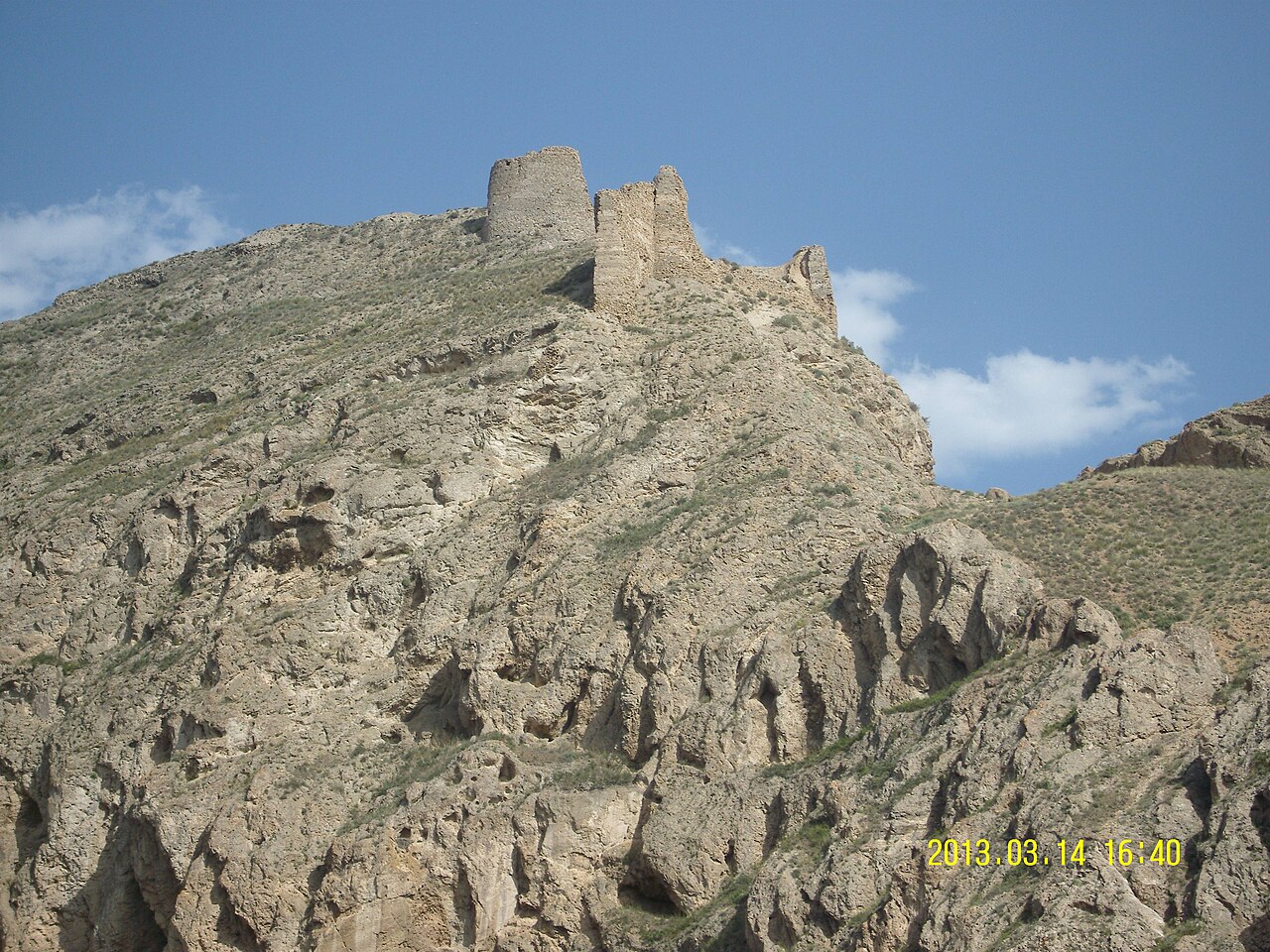
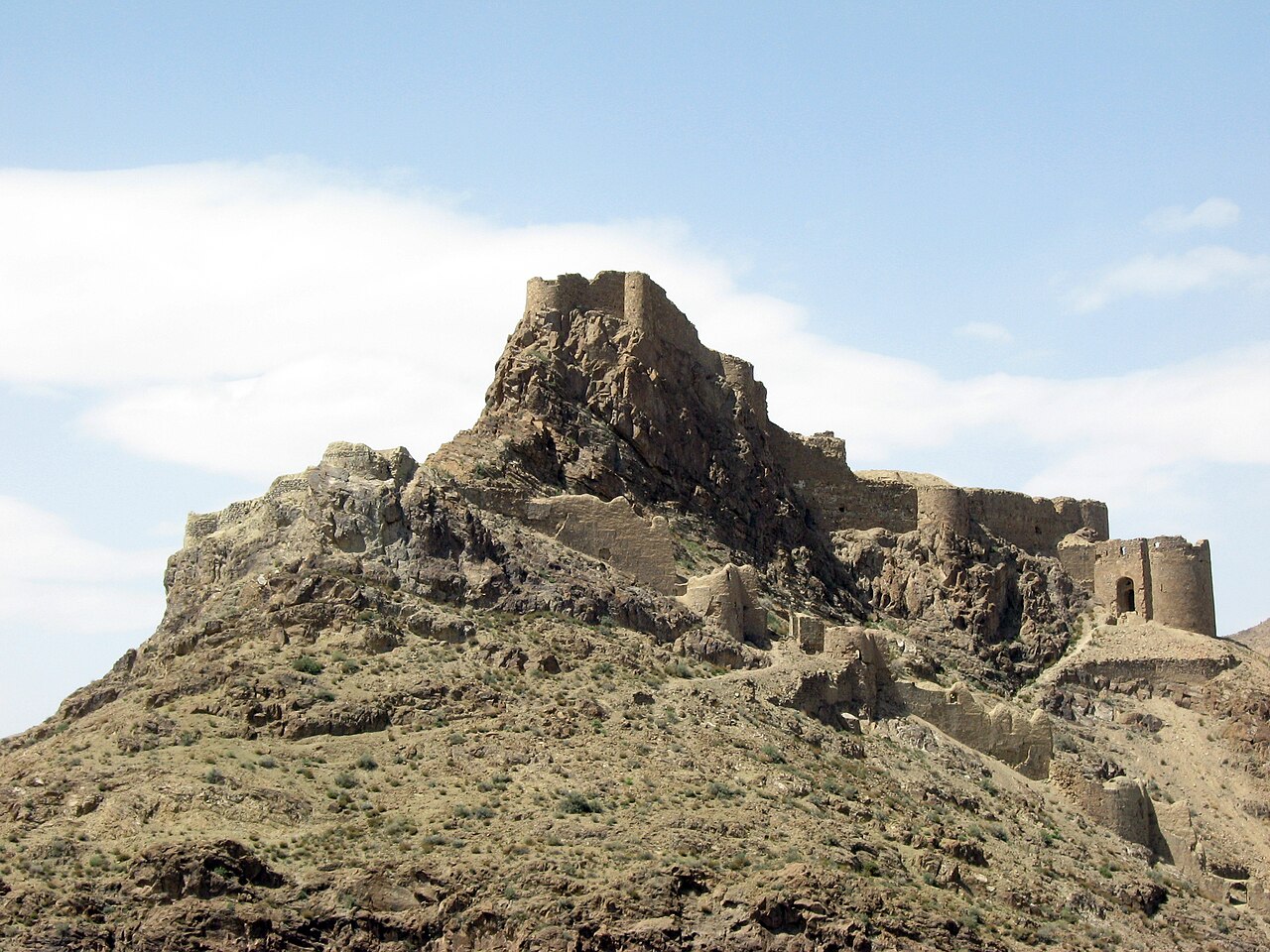
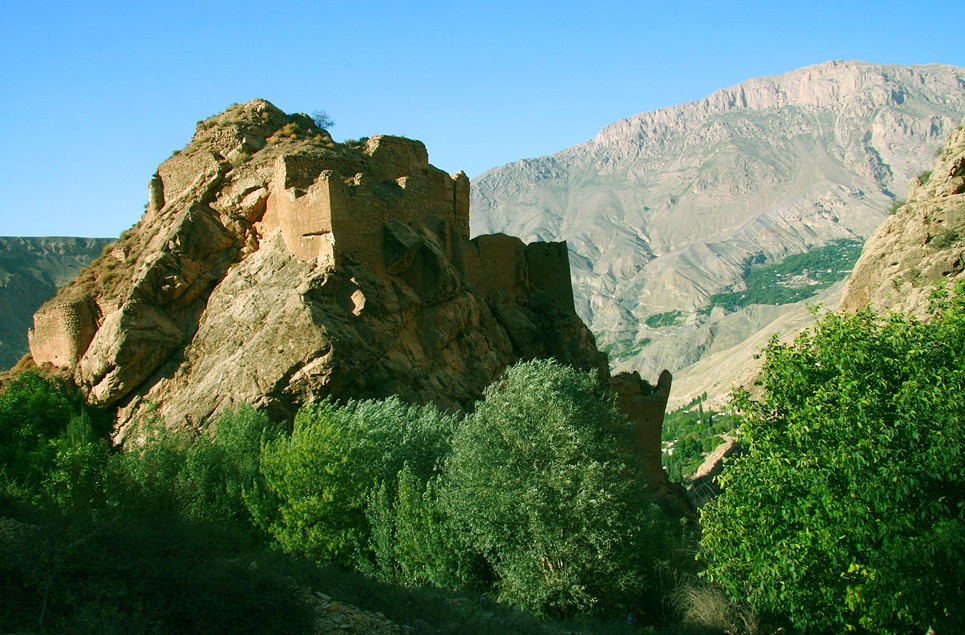
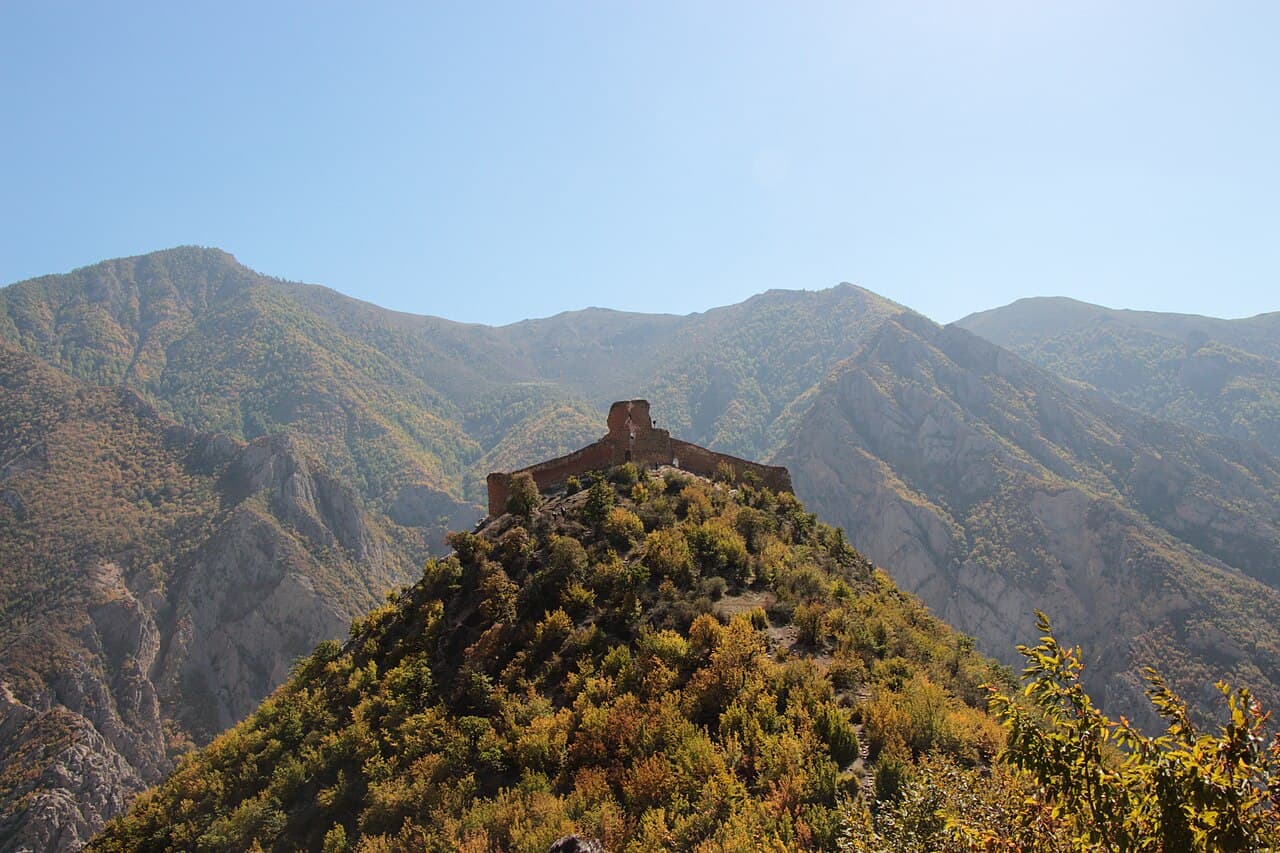
The origins of Kangelo Castle are deeply rooted in the Sassanian civilization, a dominant political and cultural force in pre-Islamic Iran. Constructed as a hill castle atop a large rock at an altitude of 1,811 meters, it served multiple roles beyond mere defense. The fortress was not only a military stronghold designed to control strategic mountain passes but also a sacred site associated with ancient Iranian religious practices.
Archaeological findings reveal that the castle was a center for worship dedicated to Mithra, the ancient Indo-Iranian deity linked to covenant, light, and truth. This religious role is underscored by the discovery of a carved six-pointed sun emblem, a symbol commonly associated with Mithraic worship. Additionally, some evidence suggests the castle may have functioned as a sanctuary for Anahita, the goddess of water and fertility, highlighting the fortress's multifaceted spiritual importance.
During the early Islamic conquests, while much of the region underwent religious transformation, Kangelo Castle continued to operate as a Zoroastrian fire temple. The local military leaders, known as spahbeds, preserved these ancient religious traditions within the fortress walls. Its strategic location and robust construction enabled it to withstand several attacks from Arab and later Mongol forces, maintaining its defensive integrity throughout turbulent periods.
Recognizing its cultural and historical value, the Iranian government officially designated Kangelo Castle as a national heritage site on July 22, 2000. Today, it remains an important symbol of Iran's rich pre-Islamic history and architectural heritage.
Architectural features and construction details
Kangelo Castle was originally a three-story fortress, though much of the uppermost level has succumbed to time, leaving the first two floors partially preserved. The fortress's circular internal layout is particularly notable for its era, demonstrating advanced architectural planning. The castle was constructed primarily from rubble stone bound together with lime mortar and smaller stones, with additional use of gypsum and sarooj—a traditional waterproof mortar—enhancing the structure's durability against the harsh mountain climate.
The external defenses include two large stone ramparts shaped like open arms, designed to shield the fortress from enemy assaults. These ramparts incorporate several watchtowers: a prominent central tower and flanking side towers. The side towers are solidly built, reinforcing the walls and connecting to the main circular tower or citadel. Access to the citadel was tightly controlled through a small entrance at its base, emphasizing the fortress's defensive strategy.
Inside, the second floor features three distinct rooms: a central rectangular chamber flanked by two semicircular rooms. These chambers sit above a gypsum mortar floor covering the first level, showcasing sophisticated construction techniques. Architectural elements such as partition walls, window arches, niches, and doorways reveal the castle's dual function as both a residential and military complex.
Defensive positioning and strategic importance
The castle's location was carefully chosen to dominate the surrounding landscape and control access routes. It blocks a steep, sugarloaf-shaped mountain path, effectively preventing enemy forces from approaching undetected. This natural defensive advantage, combined with the castle's robust stone ramparts and watchtowers, made Kangelo Castle a formidable obstacle for invading armies.
Archaeological findings and religious artifacts
Excavations around Kangelo Castle have uncovered a stone and mud-brick grave located to the west of the fortress. The grave contained a skeleton positioned in a fetal posture, a burial custom indicative of ancient Iranian rituals. Alongside the remains were artifacts including an agate ring inscribed in Pahlavi script, the official language of the Sassanian Empire, and a carved six-pointed sun emblem symbolizing Mithraic worship.
These findings confirm the fortress's role as a religious sanctuary, blending military and spiritual functions. The presence of Zoroastrian fire temple elements during the Islamic conquest period further illustrates the persistence of pre-Islamic religious traditions in this remote region.
Preservation and cultural heritage status
Although much of Kangelo Castle has fallen into ruin, the remaining structures provide invaluable insight into Sassanian military architecture and religious practices. The partial preservation of the first two floors, along with the surviving ramparts and towers, allows visitors and scholars to appreciate the castle's original grandeur and strategic design.
As a national heritage site of Iran, Kangelo Castle is protected and recognized for its exceptional historical and cultural importance. Efforts to study and conserve the site continue, contributing to a broader understanding of Iran's ancient history and architectural legacy.
Visiting Kangelo Castle
Visitors to Kangelo Castle can explore the rugged terrain and observe the impressive stonework and layout that have endured for over a millennium. The site offers a unique glimpse into the Sassanian era's military and religious life, set against the dramatic backdrop of the Gilan mountains.
While the castle is partially in ruins, its remaining structures and archaeological significance make it a compelling destination for those interested in ancient history, architecture, and Iranian cultural heritage.
Frequently asked questions (FAQ)
- What is the historical significance of Kangelo Castle?
- Kangelo Castle is a remarkable example of Persian architecture, reflecting the rich history of the region. It dates back to the 16th century and served as a strategic military stronghold during various dynasties, showcasing the importance of fortifications in Iran's past.
- When was Kangelo Castle constructed?
- Kangelo Castle was constructed in the late 16th century, specifically around 1580. Its construction was part of a larger trend during this period to fortify regions against invasions and to assert territorial control.
- How do I get to Kangelo Castle?
- Kangelo Castle is located in Iran, and the best way to reach it is by car or through guided tours available from nearby cities. Public transportation options may be limited, so it's advisable to plan your visit ahead of time.
- Is it possible to visit Kangelo Castle year-round?
- Yes, Kangelo Castle is open to visitors throughout the year. However, the best time to visit is during the spring and autumn months when the weather is mild and more comfortable for exploring the outdoor surroundings.
- What are the opening hours for Kangelo Castle?
- Kangelo Castle typically opens at 9 AM and closes at 6 PM, but it's recommended to check for any seasonal changes or local holidays that may affect these hours. Arriving earlier in the day can help you avoid larger crowds.
- Can I take photographs inside Kangelo Castle?
- Yes, visitors are generally allowed to take photographs inside and around Kangelo Castle. However, it’s courteous to respect any signs indicating restrictions, especially in areas of historical significance.
- Are there any nearby attractions to visit along with Kangelo Castle?
- Yes, there are several nearby attractions, including ancient ruins and local markets that showcase the culture of the region. A visit to the nearby town can also provide insight into the local lifestyle and history.
- What are the ticket prices for Kangelo Castle?
- The ticket prices for Kangelo Castle are usually quite affordable, catering to both local and international tourists. Discounts may be available for students or groups, so it's worth inquiring at the ticket office upon arrival.
- How accessible is Kangelo Castle for visitors with disabilities?
- Kangelo Castle may present some challenges for visitors with mobility issues, as it is an ancient structure with uneven terrain. However, efforts have been made to improve accessibility, and staff can assist when needed.
Photo gallery

Information
Loading map...
Visitor reviews
No reviews yet. Been here? Write the first review and help other travelers!
Write the first reviewVisited this castle? Share your experience
Your review helps other travelers and adds first-hand knowledge to our encyclopedia.