Gerdkuh
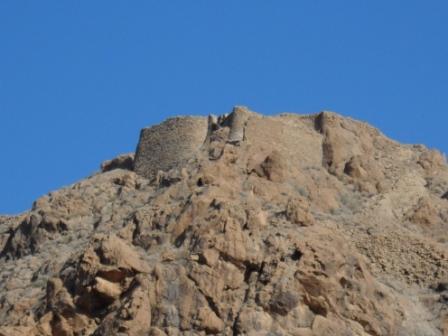
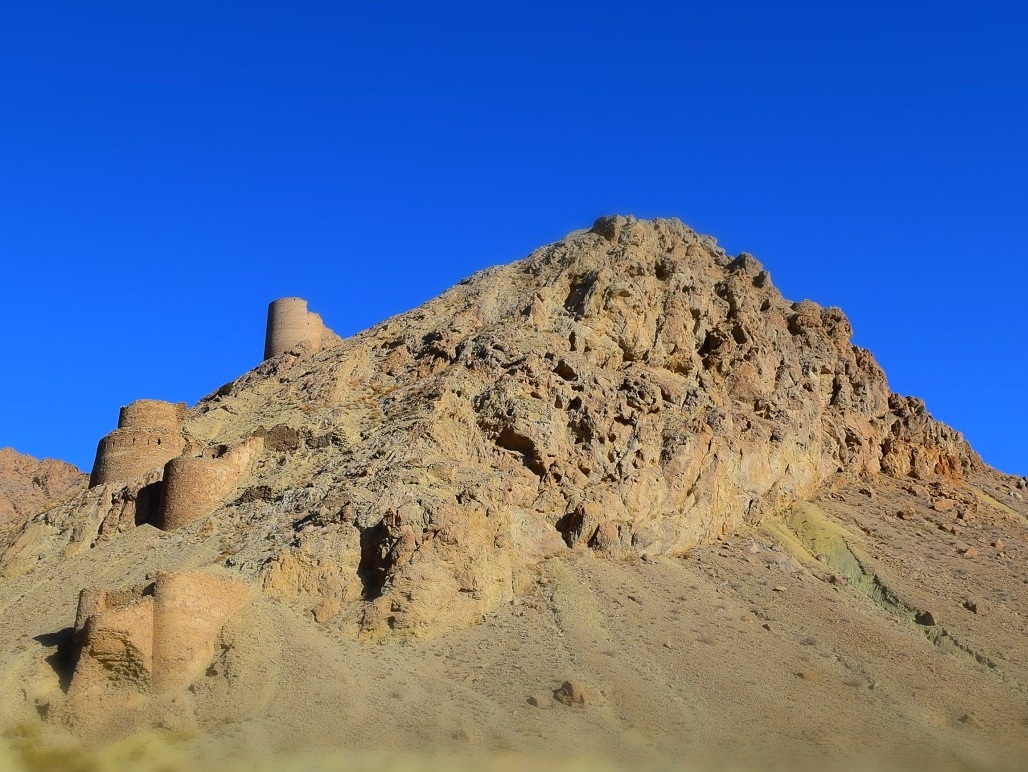
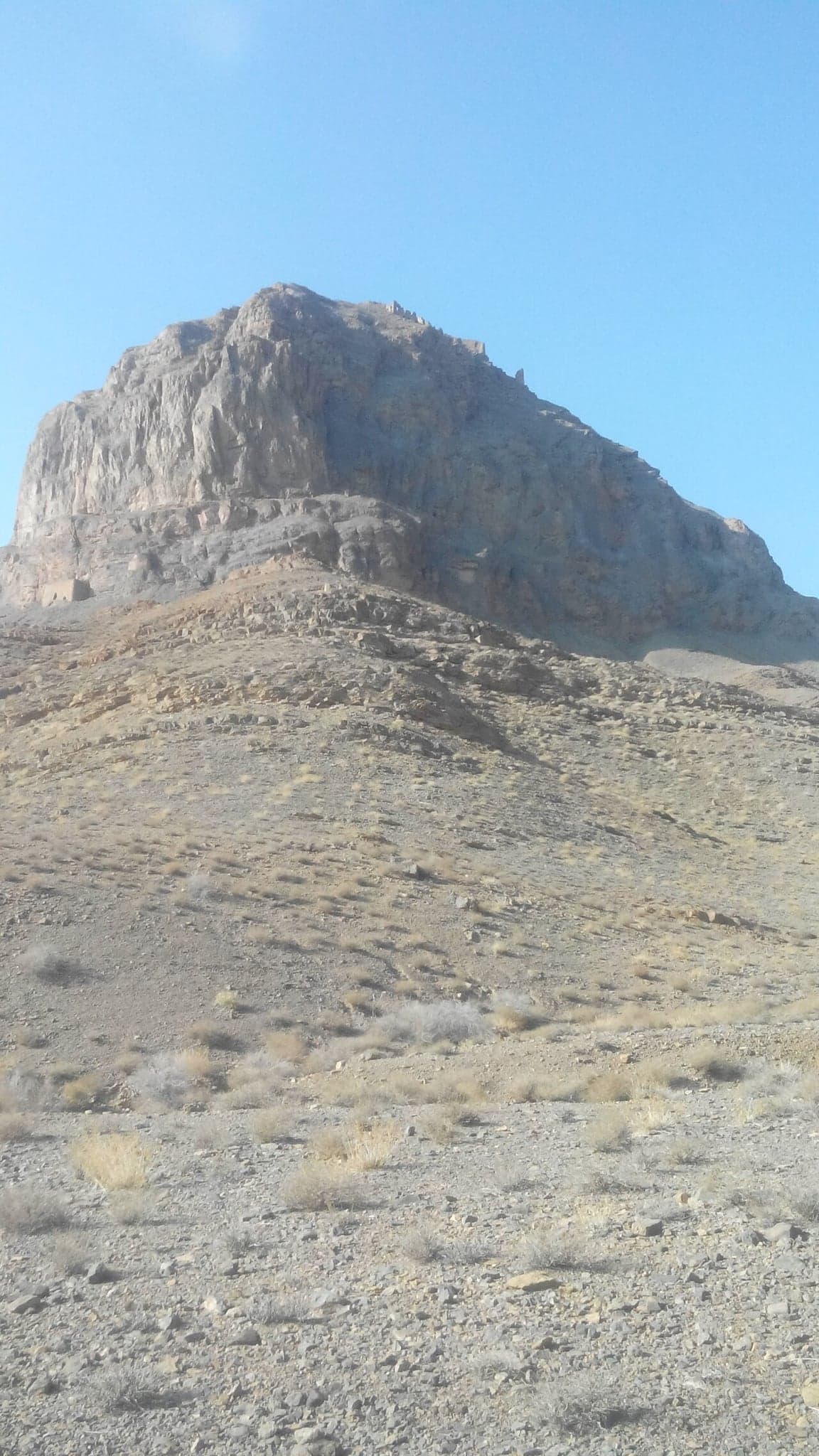
Gerdkuh Castle stands as a remarkable example of a hill castle strategically built on a towering vertical rock formation approximately 300 meters high, located near Damghan in the historic region of Qumis, now part of Semnan Province, Iran. This fortress was a vital stronghold of the Nizari Isma'ili state during the medieval period, serving both military and administrative roles along the important Silk Road trade route.
Geographical and strategic significance
The castle's unique position atop a steep, isolated rock made it an almost impregnable fortress. Its natural vertical cliffs provided a formidable barrier against attackers, further reinforced by a triple ring of fortifications at the base of the rock, which included defensive walls and towers designed to repel direct assaults. This combination of natural and man-made defenses made Gerdkuh one of the most defensible fortresses of its time.
Its location near the middle of the Khorasan Road, a critical segment of the Silk Road, allowed the Nizaris to control and levy taxes on passing caravans, securing economic benefits and enhancing their regional influence. The castle also functioned as a refuge for the families and followers of the Nizari Isma'ili community, providing safety during periods of conflict.
Historical context and construction
Originally a modest fort, Gerdkuh was acquired and extensively refortified in 1096 AD by a Seljuq commander who secretly adhered to the Nizari Isma'ili sect. This period marked the expansion of Nizari fortresses across Persia, characterized by the adaptation of natural rock formations into defensible strongholds.
The castle's architecture is typical of a hill castle, with buildings constructed on the summit and defensive walls following the contours of the rock. The fortifications included multiple layers of walls, battlements, and lookout towers, designed to withstand prolonged sieges and attacks.
Siege and resistance during the mongol invasion
Gerdkuh is historically significant for its role during the Mongol invasions of the 13th century. In 1253 AD, the fortress came under siege by Mongol forces. Demonstrating exceptional resilience, it withstood a prolonged siege lasting approximately 17 years, making it the last Nizari stronghold in Persia to fall to the Mongols.
The fortress's natural defenses, combined with its robust fortifications and the determination of its defenders, contributed to this extraordinary resistance. The prolonged siege also highlights the strategic importance of Gerdkuh as a military and symbolic bastion of Nizari power in the region.
Later history and current status
Following the Mongol conquest, Gerdkuh remained in use until the early Safavid period, indicating its continued strategic or administrative relevance for several centuries. Despite its historical importance, it is among the least studied of the major Nizari fortresses, with much of its detailed history and architectural specifics still under-researched.
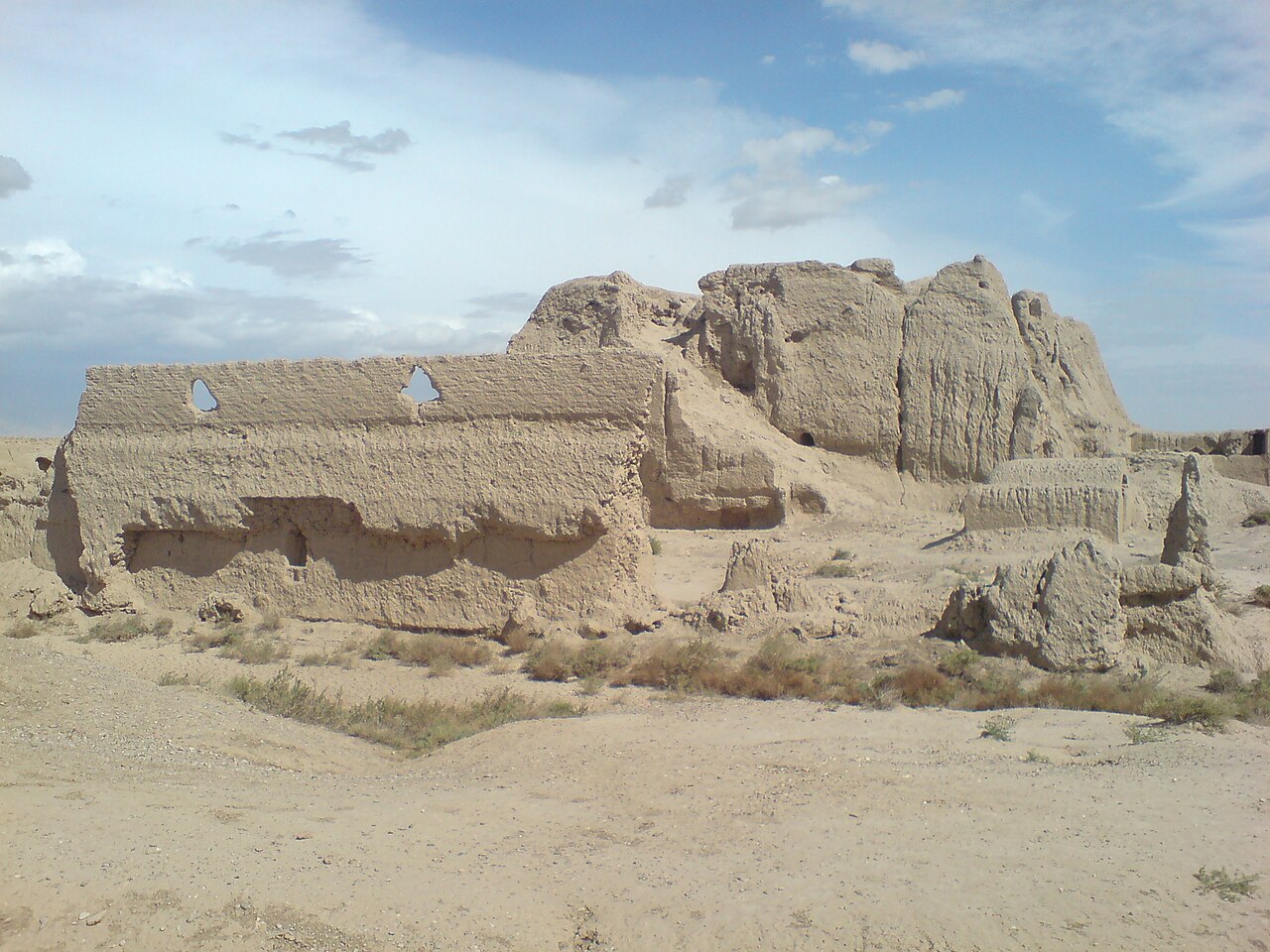
Today, the castle is classified as a hill castle and stands as a ruin, with remnants of its fortifications and buildings visible on the summit and slopes of the rock. Its preservation state reflects the challenges of maintaining such a remote and rugged site.
Architectural features and defensive design
The fortress's design capitalized on the natural topography, with the vertical rock face serving as a natural wall on most sides. The triple ring of fortifications at the base included curtain walls and towers arranged to provide overlapping fields of fire and to prevent enemy forces from establishing siege works close to the rock.
On the summit, the remains of residential quarters, storage facilities, and defensive towers suggest a self-sustaining community capable of enduring long sieges. Water supply and food storage would have been critical considerations, likely managed through cisterns and granaries integrated into the castle's design.
Cultural and historical significance
Gerdkuh Castle represents a significant chapter in the history of the Nizari Isma'ili state and the broader medieval history of Iran. Its prolonged resistance against the Mongols underscores the military capabilities and strategic acumen of the Nizari defenders.
As part of the network of Nizari fortresses, Gerdkuh contributed to the political and economic landscape of the region, controlling key trade routes and serving as a refuge for the community. Its relative obscurity in modern scholarship invites further archaeological and historical investigation to fully understand its role and features.
Frequently asked questions (FAQ)
- When was Gerdkuh castle built and by whom?
- Gerdkuh castle was refortified in 1096 AD by a Seljuq commander who was secretly a member of the Nizari Isma'ili sect.
- What made Gerdkuh castle impregnable?
- Its location on a 300-meter-high vertical rock combined with a triple ring of fortifications at its base made Gerdkuh castle extremely difficult to assault directly.
- How long did Gerdkuh resist the Mongol invasion?
- Gerdkuh withstood a Mongol siege for approximately 17 years, making it the last Nizari stronghold in Persia to fall during the Mongol invasions.
- Where is Gerdkuh castle located?
- Gerdkuh castle is located near Damghan in the Semnan Province of Iran, historically in the region known as Qumis.
- Is Gerdkuh castle accessible to visitors today?
- Currently, Gerdkuh is a ruin and not widely developed for tourism, but visitors interested in medieval fortifications and Nizari history may explore the site with appropriate guidance.
Photo gallery

Information
Loading map...
Visitor reviews
No reviews yet. Been here? Write the first review and help other travelers!
Write the first reviewVisited this castle? Share your experience
Your review helps other travelers and adds first-hand knowledge to our encyclopedia.