Firuzkuh Castle — Iran castle

Firuzkuh Castle

Firuzkuh castle in Tehran province, Iran
Early Medieval (5th–10th c.)
Partially Preserved

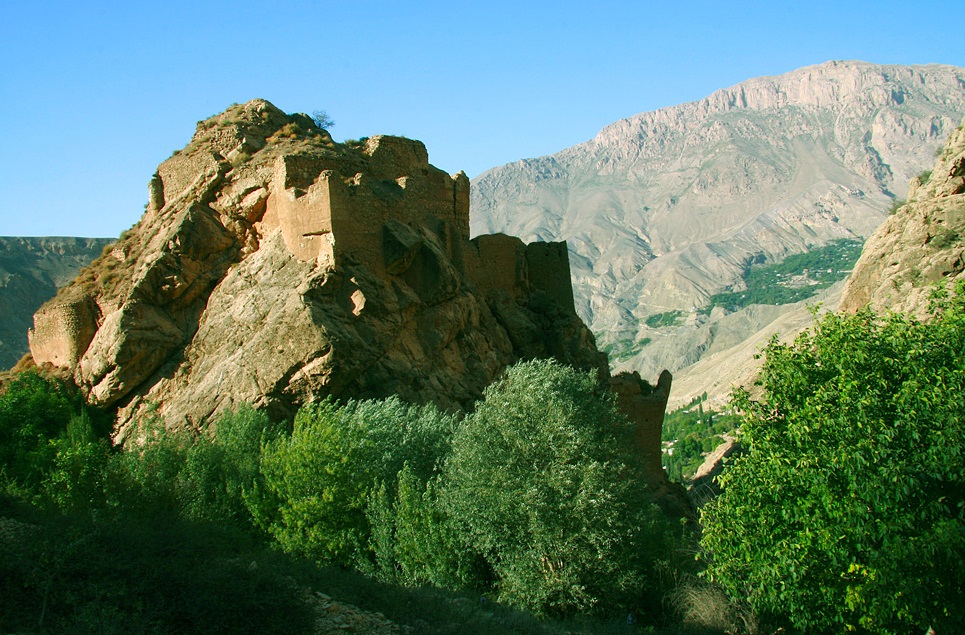
Firuzkuh castle (Persian: قلعه فیروزکوه) is a significant historic hill castle situated in Firuzkuh County within Tehran province, Iran. This fortress is notable for its origins dating back to the 6th century, corresponding to the early medieval period, with construction phases extending into the 7th century AH (Islamic calendar), which aligns roughly with the 13th century CE. The castle's strategic location on a hilltop provided a commanding view of the surrounding landscape, making it a vital defensive stronghold in the region.

Historical background and significance

The history of Firuzkuh castle is intertwined with the complex political and military developments of medieval Iran. Built during a period marked by regional conflicts and the rise and fall of various dynasties, the castle served as a fortress to protect local territories and control key routes through the mountainous terrain of northern Iran. Its endurance through centuries highlights its importance in the defense systems of the era.

During the 6th and 7th centuries AH, the castle was an active military post, witnessing various sieges and power struggles. It is believed that the castle was used by local rulers and military commanders to assert control over the region and to defend against invading forces. The presence of Firuzkuh castle in historical records underscores its role as a regional power center.

Architectural features and construction

Firuzkuh castle exemplifies typical characteristics of early medieval hill castles in Iran. Its construction utilizes local stone and mortar, adapted to the rugged terrain of the hilltop. The castle complex includes defensive walls built to withstand attacks, with battlements and towers positioned strategically for surveillance and defense.

The layout of the castle is designed to maximize defensive capabilities, with multiple layers of fortification. The main gate is heavily fortified, and the castle likely contained courtyards, residential quarters, and storage facilities for provisions during sieges. The use of natural rock formations was integrated into the design to enhance its defensive strength.

Defensive structures

The castle's walls are thick and robust, constructed to resist battering and scaling. Towers placed at intervals along the walls allowed defenders to cover all approaches with archery and other projectile weapons. The elevated position on the hill provided a natural advantage, making direct assault difficult for enemies.

Materials and techniques

Builders employed local stone, carefully shaped and fitted, combined with mortar to create durable structures. The masonry reflects the construction techniques of the early Islamic period in Iran, characterized by functional design focused on defense rather than ornate decoration.

Firuzkuh castle in the regional context

Located in the mountainous terrain of northern Iran, Firuzkuh castle was part of a network of fortifications that protected the region from external threats. Its position in Tehran province placed it near important trade and military routes, enhancing its strategic value.

The castle's control over the surrounding area allowed local rulers to monitor movements and secure their domain. Its presence contributed to the stability and security of the region during turbulent periods of Iranian history.

Current condition and preservation

Today, Firuzkuh castle remains a partially preserved ruin. The remnants of its walls and towers are still visible, providing valuable insight into medieval military architecture in Iran. Preservation efforts focus on maintaining the structural integrity of the remaining features and preventing further decay.

The site attracts historians, archaeologists, and visitors interested in Iran's rich cultural heritage. It offers a tangible connection to the early medieval period and the defensive strategies employed by past civilizations in the region.

Visiting Firuzkuh castle

Visitors to Firuzkuh castle can explore the ruins and enjoy panoramic views of the surrounding landscape. Access to the castle involves a hike up the hill, which adds to the experience of discovering this historic fortress. Due to its condition, caution is advised when navigating the site.

The castle is an important cultural landmark in Tehran province, providing educational opportunities about medieval Iranian architecture and history. Guided tours and informational signage help contextualize the site's significance for visitors.

Frequently asked questions (FAQ)

What is the historical significance of Firuzkuh Castle?
Firuzkuh Castle, located in Iran, is a remarkable example of Persian military architecture from the medieval period. Built during the Seljuk era, it served as a strategic fortress that protected the region and demonstrated the engineering prowess of its time. The castle's remnants offer valuable insights into the historical conflicts and architectural techniques of ancient Persia.
When was Firuzkuh Castle built?
Firuzkuh Castle was constructed in the 11th century, during the height of the Seljuk Empire. Its establishment coincided with a period of territorial expansion and consolidation of power in the region. The castle has endured through the centuries, reflecting the architectural evolution and historical events that shaped Iran.
Can I visit Firuzkuh Castle?
Yes, Firuzkuh Castle is open to visitors who are interested in exploring its historical and architectural significance. However, it is advisable to check local regulations and access conditions before planning your visit, as there may be seasonal considerations or restoration activities that affect accessibility.
What are the opening hours of Firuzkuh Castle?
Firuzkuh Castle typically opens to visitors from early morning until sunset. Specific opening hours may vary depending on the season, so it is recommended to verify the current hours before your visit. Additionally, local holidays may also affect access to the site.
Is it possible to access Firuzkuh Castle by public transport?
Accessing Firuzkuh Castle by public transport can be challenging, as it is located in a more remote area. Visitors may need to take a bus or taxi to the nearest town and then arrange for local transport. It is advisable to plan your journey in advance to ensure a smooth visit.
What is the best time to visit Firuzkuh Castle?
The best time to visit Firuzkuh Castle is during the spring and autumn months, when the weather is mild and pleasant for outdoor exploration. Summers can be quite hot, while winters may bring snow, making access more difficult. Planning your visit during these transitional seasons will enhance your experience.
Are there any nearby attractions to visit?
Yes, there are several attractions near Firuzkuh Castle, including the charming town of Firuzkuh itself, which boasts beautiful landscapes and traditional Iranian architecture. Additionally, you can explore nearby natural parks and historical sites, enriching your overall experience of the region. Be sure to allocate time to discover the local culture and heritage.
What are the ticket prices for Firuzkuh Castle?
Ticket prices for Firuzkuh Castle are generally quite affordable, allowing visitors to experience this historical site without a significant financial burden. Prices may vary for locals and foreign tourists, so it's best to check the latest information upon arrival. Discounts for students and groups may also be available.

Photo gallery

Firuzkuh Castle
Click to view

Photo by Deemeh•CC BY-SA 4.0

1 photo • Click any image to view in full screen

Information

Hill Castle

Loading map...

Visitor reviews

No reviews yet. Been here? Write the first review and help other travelers!

Write the first review

Visited this castle? Share your experience

Your review helps other travelers and adds first-hand knowledge to our encyclopedia.
Write a review

(5/5)

0/2000 characters

Your review will be visible after admin approval

Nearby castles

40.8 km
Kangelo Castle — Iran castle

Kangelo Castle

, Iran

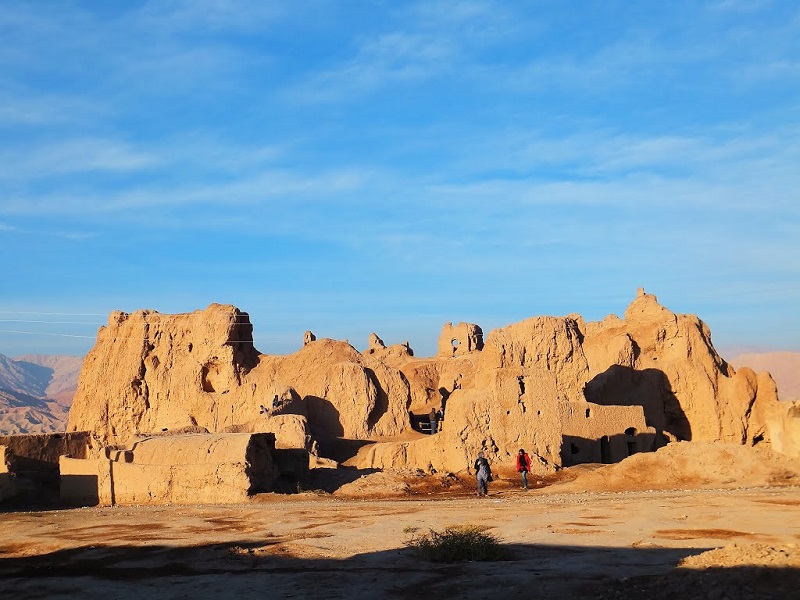
Kangelo Castle stands as a remarkable testament to the ingenuity and spiritual life of the Sassanian Empire, located in the village of Kangelo within the municipality of Savadkuh, in Iran's Gilan region. This ancient fortress, built approximately 1,500 years ago during the late antiquity period, showcases a unique blend of military architecture and religious significance that reflects the complex cultural landscape of its time. The historical significance of Kangelo Castle The origins of Kangelo Castle are deeply rooted in the Sassanian civilization, a dominant political and cultural force in pre-Islamic Iran. Constructed as a hill castle atop a large rock at an altitude of 1,811 meters, it served multiple roles beyond mere defense. The fortress was not only a military stronghold designed to control strategic mountain passes but also a sacred site associated with ancient Iranian religious practices. Archaeological findings reveal that the castle was a center for worship dedicated to Mithra, the ancient Indo-Iranian deity linked to covenant, light, and truth. This religious role is underscored by the discovery of a carved six-pointed sun emblem, a symbol commonly associated with Mithraic worship. Additionally, some evidence suggests the castle may have functioned as a sanctuary for Anahita, the goddess of water and fertility, highlighting the fortress's multifaceted spiritual importance. During the early Islamic conquests, while much of the region underwent religious transformation, Kangelo Castle continued to operate as a Zoroastrian fire temple. The local military leaders, known as spahbeds, preserved these ancient religious traditions within the fortress walls. Its strategic location and robust construction enabled it to withstand several attacks from Arab and later Mongol forces, maintaining its defensive integrity throughout turbulent periods. Recognizing its cultural and historical value, the Iranian government officially designated Kangelo Castle as a national heritage site on July 22, 2000. Today, it remains an important symbol of Iran's rich pre-Islamic history and architectural heritage. Architectural features and construction details Kangelo Castle was originally a three-story fortress, though much of the uppermost level has succumbed to time, leaving the first two floors partially preserved. The fortress's circular internal layout is particularly notable for its era, demonstrating advanced architectural planning. The castle was constructed primarily from rubble stone bound together with lime mortar and smaller stones, with additional use of gypsum and sarooj—a traditional waterproof mortar—enhancing the structure's durability against the harsh mountain climate. The external defenses include two large stone ramparts shaped like open arms, designed to shield the fortress from enemy assaults. These ramparts incorporate several watchtowers: a prominent central tower and flanking side towers. The side towers are solidly built, reinforcing the walls and connecting to the main circular tower or citadel. Access to the citadel was tightly controlled through a small entrance at its base, emphasizing the fortress's defensive strategy. Inside, the second floor features three distinct rooms: a central rectangular chamber flanked by two semicircular rooms. These chambers sit above a gypsum mortar floor covering the first level, showcasing sophisticated construction techniques. Architectural elements such as partition walls, window arches, niches, and doorways reveal the castle's dual function as both a residential and military complex. Defensive positioning and strategic importance The castle's location was carefully chosen to dominate the surrounding landscape and control access routes. It blocks a steep, sugarloaf-shaped mountain path, effectively preventing enemy forces from approaching undetected. This natural defensive advantage, combined with the castle's robust stone ramparts and watchtowers, made Kangelo Castle a formidable obstacle for invading armies. Archaeological findings and religious artifacts Excavations around Kangelo Castle have uncovered a stone and mud-brick grave located to the west of the fortress. The grave contained a skeleton positioned in a fetal posture, a burial custom indicative of ancient Iranian rituals. Alongside the remains were artifacts including an agate ring inscribed in Pahlavi script, the official language of the Sassanian Empire, and a carved six-pointed sun emblem symbolizing Mithraic worship. These findings confirm the fortress's role as a religious sanctuary, blending military and spiritual functions. The presence of Zoroastrian fire temple elements during the Islamic conquest period further illustrates the persistence of pre-Islamic religious traditions in this remote region. Preservation and cultural heritage status Although much of Kangelo Castle has fallen into ruin, the remaining structures provide invaluable insight into Sassanian military architecture and religious practices. The partial preservation of the first two floors, along with the surviving ramparts and towers, allows visitors and scholars to appreciate the castle's original grandeur and strategic design. As a national heritage site of Iran, Kangelo Castle is protected and recognized for its exceptional historical and cultural importance. Efforts to study and conserve the site continue, contributing to a broader understanding of Iran's ancient history and architectural legacy. Visiting Kangelo Castle Visitors to Kangelo Castle can explore the rugged terrain and observe the impressive stonework and layout that have endured for over a millennium. The site offers a unique glimpse into the Sassanian era's military and religious life, set against the dramatic backdrop of the Gilan mountains. While the castle is partially in ruins, its remaining structures and archaeological significance make it a compelling destination for those interested in ancient history, architecture, and Iranian cultural heritage.

Late Medieval (14th–15th c.)
Details
49.4 km
Malek Bahman Castle — Iran castle

Malek Bahman Castle

, Iran

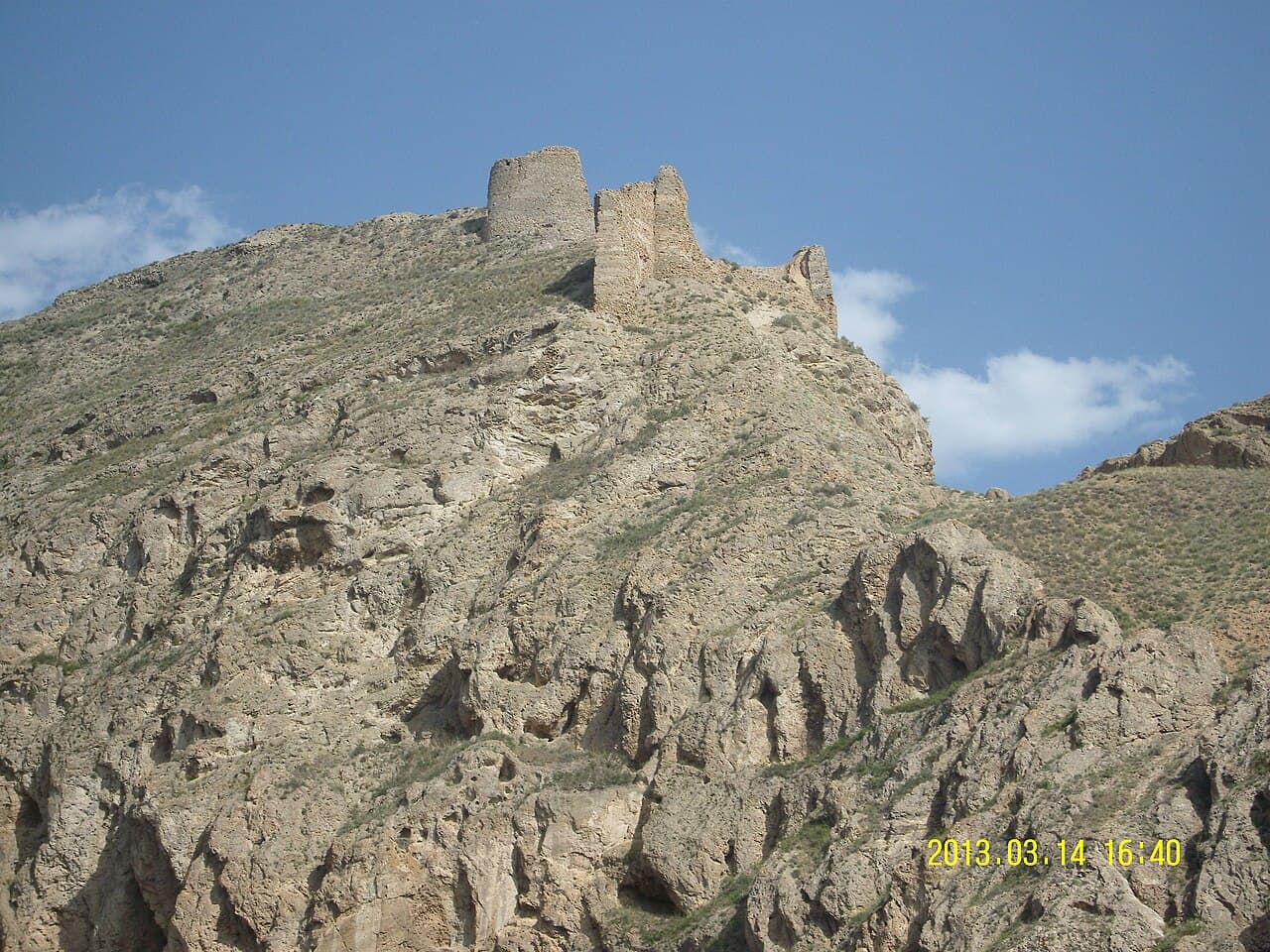
Malek Bahman Castle is a prominent hill castle located in the northern region of Iran, notable for its strategic placement and historical significance. Perched atop a steep hill, the castle was designed to oversee and control the surrounding landscape, serving both as a defensive stronghold and a symbol of power. Historical background and significance The origins of Malek Bahman Castle date back to the early medieval period, with some evidence suggesting construction phases spanning several centuries. The castle played a crucial role during various regional conflicts, guarding important trade routes and providing refuge during invasions. Its location in the mountainous terrain of northern Iran offered natural protection, making it a formidable fortress throughout its active use. Architectural features and construction The castle exemplifies traditional hill castle architecture, integrating the natural topography into its defensive design. The stone walls follow the contours of the hill, creating a complex layout that includes towers, battlements, and gatehouses. The construction utilizes locally sourced stone and mortar, with thick walls designed to withstand sieges and attacks. Defensive structures Malek Bahman Castle features multiple defensive elements typical of hill castles, such as watchtowers positioned to maximize visibility across valleys and approaches. The battlements provided archers with protected firing positions. Access to the castle was controlled through narrow, winding paths and fortified gates, complicating enemy advances. Internal layout Inside the castle, remnants of residential quarters, storage rooms, and water cisterns have been identified. These facilities indicate that the castle was designed to support a garrison for extended periods. The presence of courtyards and chambers suggests a multifunctional use, combining military, administrative, and domestic functions. Preservation and current condition Today, Malek Bahman Castle stands as partially preserved ruins. While some walls and towers remain intact, other sections have succumbed to natural erosion and human activity over the centuries. Efforts to document and conserve the site have been undertaken, highlighting its cultural and historical value within Iran. Visiting Malek Bahman Castle The castle is accessible to visitors interested in exploring Iran's medieval fortifications and hilltop castles. Due to its elevated position, reaching the site requires a moderate hike, offering panoramic views of the surrounding landscape. Visitors should prepare for rugged terrain and check local guidance for access and opening times. Nearby attractions The region around Malek Bahman Castle includes other historical sites and natural landmarks, making it a destination for cultural tourism and hiking enthusiasts. Exploring the area provides insight into the broader historical context of northern Iran's defensive architecture and settlement patterns.

Early Medieval (5th–10th c.)
Details
59 km
Padeh Castle — Iran castle

Padeh Castle

, Iran

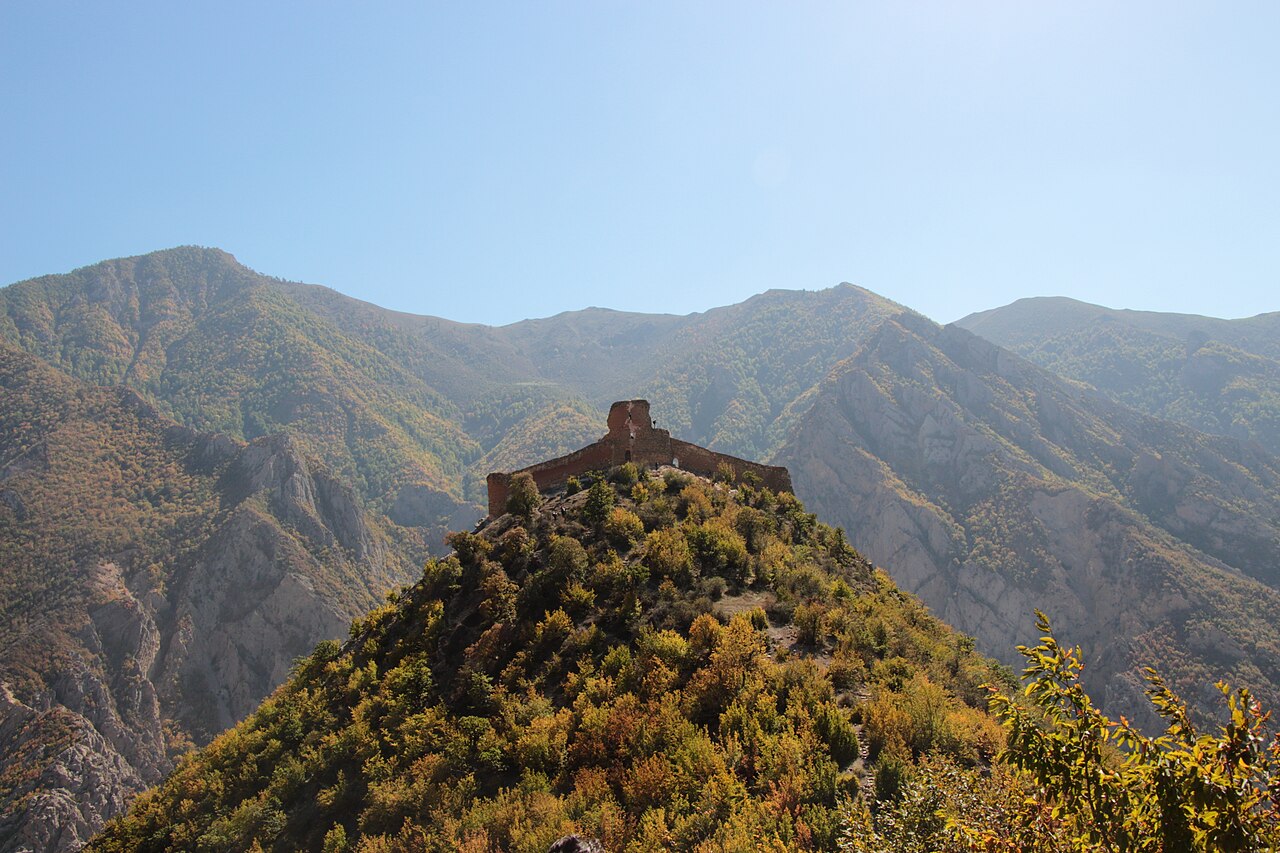
Padeh Castle (Persian: قلعه پاده) is a significant historical fortress situated in Aradan County, within Semnan Province in Iran. This hill castle stands as a remarkable example of post-Islamic military architecture in the region, reflecting the strategic importance of fortifications in Iranian history following the advent of Islam. The historical context of Padeh Castle The castle's origins trace back to the historical periods after Islam, a broad era that spans from the 7th century onward. Although the exact date of construction is not precisely documented, the architectural features and location suggest it was built to serve as a defensive stronghold during times of regional conflict and political fragmentation in medieval Iran. The castle likely played a role in controlling local trade routes and protecting settlements in the Semnan area. Architectural features and layout Padeh Castle is classified as a hill castle, meaning it is strategically positioned on elevated terrain to maximize defensive advantages. This elevated location would have provided extensive visibility over the surrounding landscape, allowing defenders to monitor approaching enemies from a distance. The castle's construction materials include locally sourced stone and mortar, typical of Iranian fortifications of the time. Its defensive structures likely included thick walls, battlements, and towers designed to withstand sieges and attacks. While detailed archaeological studies are limited, the remaining ruins suggest a complex layout with multiple defensive layers, including possibly a central keep or citadel, surrounded by outer walls and courtyards. Defensive elements The castle's walls would have incorporated crenellations and arrow slits, enabling archers to defend the fortress effectively. The entrance gate was probably fortified with heavy wooden doors and possibly a barbican or gatehouse to control access. The steep hill on which the castle sits adds a natural layer of defense, making direct assaults more difficult for attackers. Historical significance and function Padeh Castle served as a military and administrative center in the region, overseeing local governance and defense. Its strategic location in Semnan Province suggests it was part of a network of fortifications that helped secure the region against invasions and internal conflicts during the medieval Islamic period. The castle's endurance through centuries highlights its importance in the local history and its role in protecting the communities around Aradan County. It also reflects broader patterns of castle-building in Iran, where fortresses were adapted to the landscape and local needs. Current condition and preservation Today, Padeh Castle remains in a state of ruins, with many of its original structures partially collapsed or eroded over time. The site has not undergone extensive restoration, but it continues to attract interest from historians, archaeologists, and visitors fascinated by Iran's rich medieval heritage. Preservation efforts are limited, and the castle's remote location contributes to its relatively untouched condition. Visitors to the site can explore the remains and gain insight into the defensive architecture and historical context of the region. Visiting Padeh Castle The castle is accessible to visitors interested in exploring Iran's historical fortifications. Due to its location in a rural part of Semnan Province, visitors should prepare for travel on less developed roads and limited facilities nearby. The site offers a unique opportunity to experience the rugged terrain and historical ambiance of a medieval Iranian hill castle. While there are no formal visitor centers or guided tours currently available, local guides may provide information about the castle's history and significance. Visitors are encouraged to respect the site and its surroundings to help preserve its condition.

Details