Cowes Castle
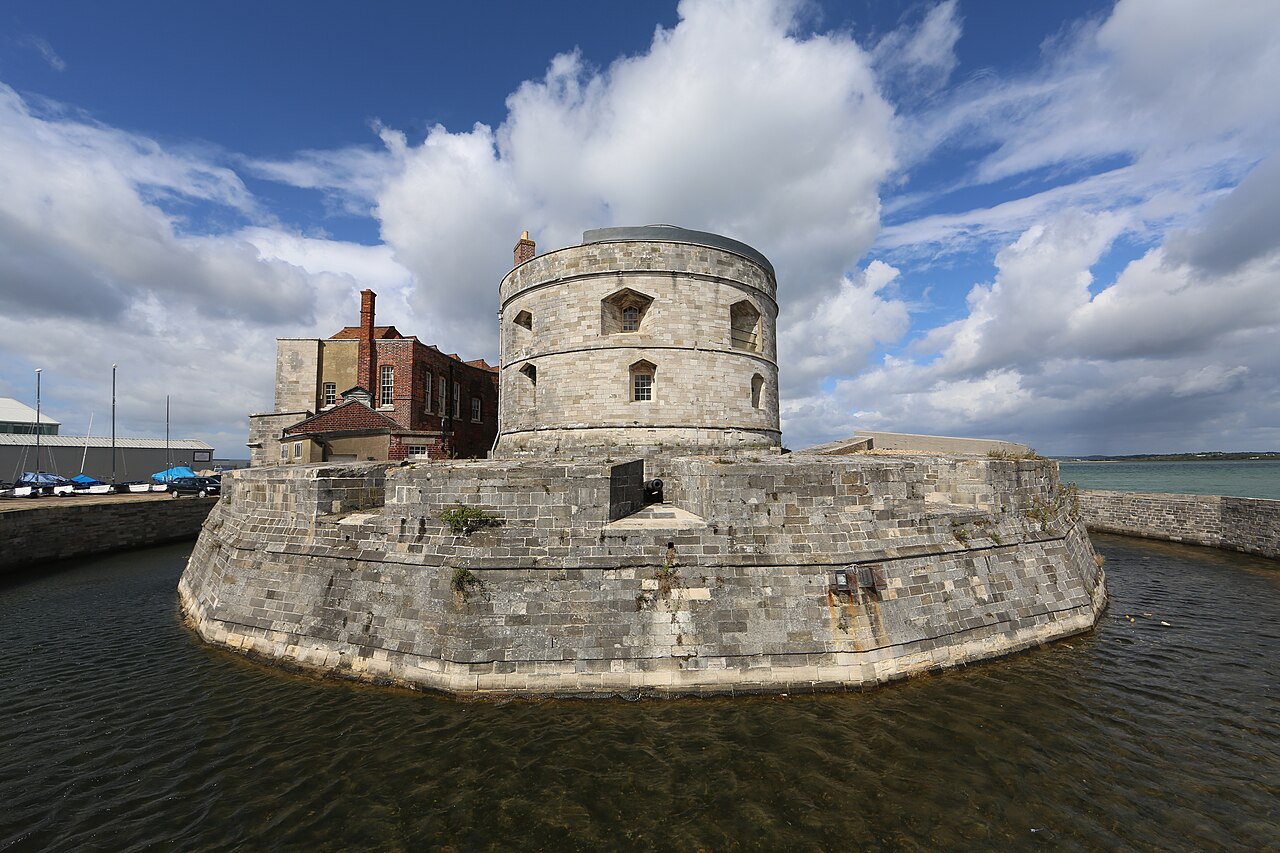
Cowes Castle, also known as West Cowes Castle, is a prominent Device Fort located on the Isle of Wight in England. Constructed in 1539 under the orders of King Henry VIII, it was part of a network of coastal defenses built to protect England from potential invasions by France and the Holy Roman Empire during a period of heightened European conflict. The castle's strategic position on the western shore of Cowes allowed it to guard the entrance to the River Medina, a crucial anchorage and maritime route.
Architectural design and fortifications
The original design of Cowes Castle featured a circular bastion flanked by wings and a central keep, embodying the military architectural principles of the early Tudor period. This layout was intended to maximize defensive capabilities, allowing artillery to cover all approaches to the river mouth. By 1547, the castle was equipped with 17 pieces of artillery, highlighting its role as a formidable coastal fortress. The castle's robust stone walls and compact footprint reflect the Renaissance military engineering style, which emphasized artillery defense and strategic placement over the medieval high walls and towers.
Historical significance and military use
Although the immediate threat of invasion diminished over time, Cowes Castle remained an active military installation well into the 19th century. It briefly saw action during the English Civil War in 1642, underscoring its continued strategic importance. The castle was decommissioned in 1854, marking the end of its military function. Its companion fortification, East Cowes Castle, worked in tandem to secure the river entrance, forming a defensive pair that controlled naval access to the island's interior waterways.
Transformation into a yacht club headquarters
Following decommissioning, Cowes Castle was leased and later purchased by the Royal Yacht Squadron, one of the world's most prestigious yacht clubs. Between 1856 and 1858, the Squadron commissioned the noted architect Anthony Salvin to undertake significant rebuilding and remodeling of the castle. Salvin's work adapted the fortress into a functional and elegant clubhouse while preserving key elements of its historic military architecture. This transformation marked a shift from martial use to recreational and social functions, aligning with Cowes' emergence as a center for yachting and maritime leisure.
Role during the second world war and later use
During the Second World War, Cowes Castle served as the headquarters for part of the D-Day invasion force, reaffirming its strategic maritime importance. Post-war, the castle has continued to function as the Royal Yacht Squadron's clubhouse and remains a distinctive landmark for yacht races and maritime events around the Isle of Wight. Its well-preserved structure and scenic location contribute to its status as a symbol of both England's coastal defense history and its rich sailing heritage.
Architectural features and conservation
The castle retains many of its original Renaissance fortification features, including the circular bastion and defensive walls, though these have been modified by Anthony Salvin's Victorian restoration. The blend of Tudor military architecture with 19th-century adaptations provides a unique architectural narrative. Today, Cowes Castle is classified as a well-preserved historic site, maintained by the Royal Yacht Squadron, which ensures its continued upkeep and accessibility for members and visitors alike.
Visitor information and cultural importance
While primarily a private club, Cowes Castle holds cultural significance as a heritage site reflecting England's Tudor coastal defenses and maritime traditions. Its silhouette is a familiar sight during the famous Cowes Week sailing regatta, attracting enthusiasts and tourists. The castle's combination of military history, architectural interest, and ongoing nautical use makes it a unique destination on the Isle of Wight.
Frequently asked questions (FAQ)
- What is the historical significance of Cowes Castle?
- Cowes Castle, built in the early 19th century, is a key example of coastal defense architecture. It played a vital role in protecting the Solent during conflicts, particularly during the Napoleonic Wars, and has been a witness to the maritime history of Cowes and the surrounding area.
- When was Cowes Castle constructed?
- Cowes Castle was constructed between 1860 and 1861. It was designed by the renowned architect, Sir Henry Seymour, as part of a series of coastal fortifications aimed at defending England against potential naval threats.
- What are the opening hours for Cowes Castle?
- Cowes Castle is typically open to visitors from 10 AM to 5 PM during the summer months, and reduced hours may apply in the winter. It is advisable to check the official website for specific dates and any seasonal changes to the schedule.
- Can I visit Cowes Castle during the winter?
- Yes, Cowes Castle is open for visitors during the winter months, although hours may be limited. It’s best to check ahead for any closures or special events that might affect access during this time.
- Is Cowes Castle accessible for individuals with disabilities?
- Cowes Castle has made efforts to be accessible for visitors with disabilities, including ramps and designated pathways. However, it is recommended to contact the castle in advance to inquire about specific accessibility features and accommodations.
- What is the best time to visit Cowes Castle?
- The best time to visit Cowes Castle is during the late spring and summer months when the weather is pleasant and local events often take place. Visiting during this time allows you to enjoy the scenic views and the vibrant atmosphere of Cowes.
- Are there any nearby attractions to Cowes Castle?
- Yes, Cowes Castle is located near several attractions, including the Cowes Maritime Museum and the beautiful beaches along the Solent. Additionally, the charming streets of Cowes are filled with shops and restaurants worth exploring.
- How much do tickets cost for Cowes Castle?
- Entrance fees to Cowes Castle typically range from £5 to £10 for adults, with discounted rates for children and seniors. There may also be family packages available, so it's worth checking the official site for the most current pricing and any special offers.
Information
Loading map...
Visitor reviews
No reviews yet. Been here? Write the first review and help other travelers!
Write the first reviewVisited this castle? Share your experience
Your review helps other travelers and adds first-hand knowledge to our encyclopedia.