Sønderborg Castle — Denmark castle

Sønderborg Castle

Sønderborg Castle: historic fortress and museum in Denmark
Sønderborg, Denmark
Late Medieval (14th–15th c.)

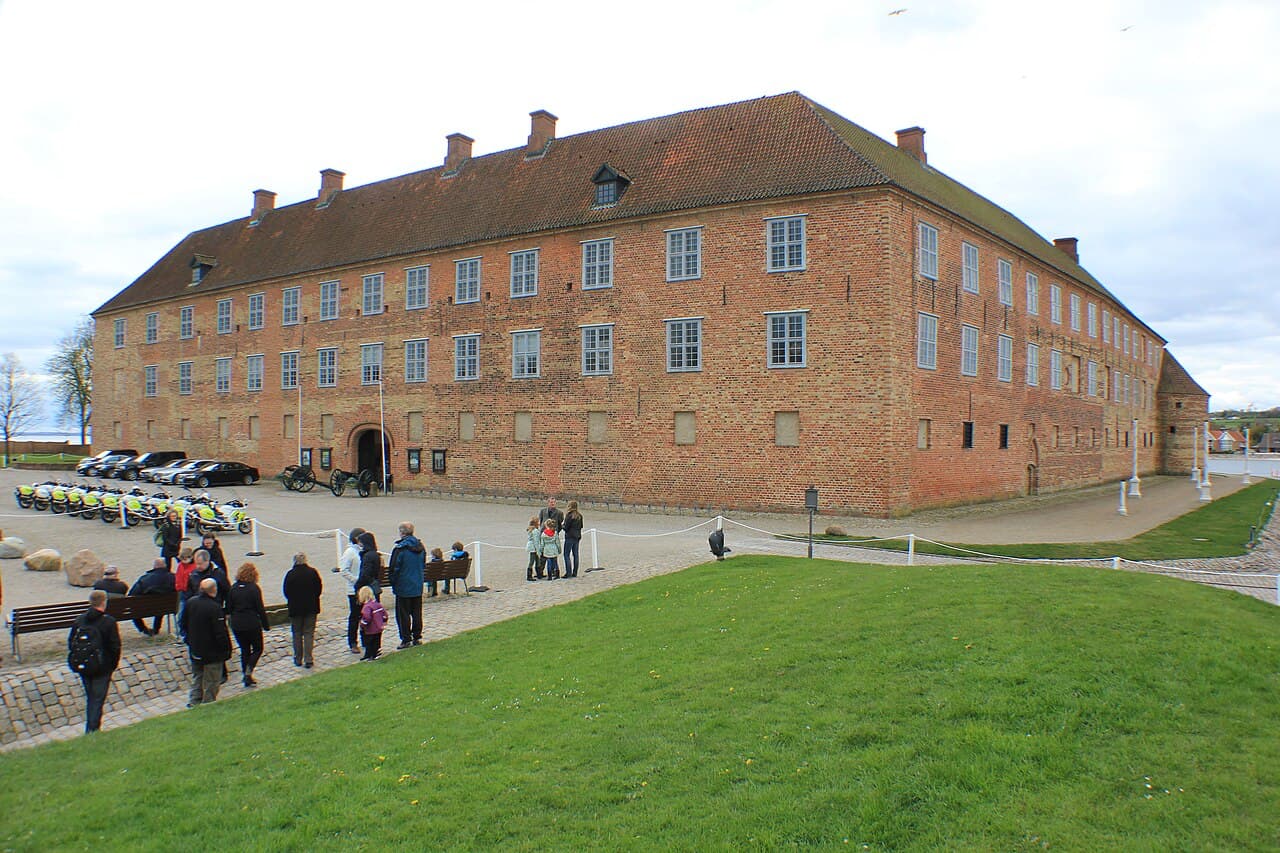
Sønderborg Castle stands as a monumental symbol of Danish history and architectural evolution, located in the town of Sønderborg on the island of Als in southern Denmark. Its origins trace back to the mid-12th century when King Valdemar I, also known as Valdemar the Great, initiated the construction of a fortified tower in 1158. This early structure was built to defend the region against incursions by the Wends, a Slavic people known for their raids along the Baltic coasts. Strategically positioned on a natural peninsula overlooking the Als Sound, the castle guarded the vital waterways near the island of Als and controlled access to the Flensburg Fjord, making it a key military and political asset in the borderland between Denmark and the duchies of Schleswig and Holstein.

Over the centuries, Sønderborg Castle evolved from a simple fortified tower into a complex fortress and later a Renaissance palace reflecting the shifting tides of Danish and regional history. The castle's history is marked by numerous expansions, sieges, and changes of ownership, illustrating the contested nature of Southern Jutland. Its architecture embodies a blend of medieval fortification techniques and Renaissance-Baroque stylistic elements, making it a unique example of castle development in Denmark.

The medieval origins and strategic importance

The castle's initial construction in 1158 was part of a broader defensive strategy by the Danish crown to secure its southern borders and protect against pirate raids and territorial disputes. The earliest written record of the castle dates to 1253, when King Christopher I captured and damaged it during a conflict with local powers. Despite this, the fortress was repaired and gradually expanded throughout the late 13th and 14th centuries.

Expansion in the 14th century

A significant phase of enlargement occurred around 1350 under the reign of King Valdemar IV, known as Valdemar Atterdag. During this period, the castle saw the construction of the imposing Blue Tower (Blåtårn) and the erection of extensive outer walls, forming a robust defensive perimeter. These enhancements transformed Sønderborg into a formidable stronghold capable of withstanding sieges, which it endured notably in 1358 and 1410 amid the power struggles between the Danish monarchy and the dukes of Schleswig.

Ownership and political conflicts

The castle's ownership frequently shifted between the Danish crown and various ducal families, reflecting the complex feudal and dynastic politics of the region. The marriage of Valdemar IV to Helvig of Schleswig, the duke's sister, symbolized an attempt to consolidate claims and ease tensions. However, the castle remained a focal point of conflict, including serving as a prison for notable figures such as King Christian II, who was held captive there for seventeen years starting in 1532.

Renaissance transformation and architectural developments

In the mid-16th century, Sønderborg Castle underwent a major transformation under King Christian III. Architect Hercules von Oberberg was commissioned between 1549 and 1557 to convert the fortress into a four-winged Renaissance castle. This project preserved the existing west wing built by King Hans but added three new wings featuring Renaissance architectural elements such as symmetrical layouts, ornamental brickwork, and large windows.

Queen Dorothea's chapel

One of the castle's most remarkable features is the castle chapel, constructed between 1568 and 1570 for Queen Mother Dorothea. Designed by Hercules von Oberberg, the chapel is a rare and well-preserved example of early Lutheran royal chapels in Europe. Its interior decorations were crafted in Antwerp, with many items produced in the workshop of painter Frans Floris. The chapel also houses Denmark's oldest organ, built around 1570 by the Dutch organ builder Hermann Raphaëlis, whose work is notable for its historical significance and craftsmanship.

Later Renaissance additions

Following Queen Dorothea's death in 1571, the castle became the seat of the dukes of Schleswig-Holstein-Sonderburg, a small duchy established by Duke Hans II. Under their stewardship, the castle maintained its status as a princely residence and administrative center. The chapel was further enhanced with a burial crypt for Duke Hans II, featuring an imposing portal made of marble and alabaster, underscoring the duchy's prestige.

Baroque renovations and later history

In the early 18th century, King Frederik IV commissioned extensive Baroque-style renovations led by contractor general Wilhelm von Platen from 1718 to 1726. These works simplified the castle's exterior, removing the distinctive tower roofs and enlarging the windows to create a more regular and restrained facade. The castle gardens were developed on the site of the original earthworks, integrating landscaped green spaces within the historic fortifications.

Decline and military use

After the duchy was dissolved in 1667 and Sønderborg Castle became a Danish estate, it saw periods of neglect and changing uses. It was rented out as a warehouse in the late 18th century and later served as a camp hospital and barracks during the Schleswig Wars of 1848-1850 and 1864. Following the Second Schleswig War, the castle came under Prussian control and was used as military barracks until the region's reunification with Denmark in 1920.

20th-century restoration and museum establishment

In 1920, the last Duke of Augustenborg permitted the establishment of the Sønderborg County Museum within the castle. The Danish state purchased the property in 1921, initiating efforts to preserve and interpret its rich history. Between 1964 and 1973, architects Peter Koch and Jørgen Stærmose conducted a thorough restoration, returning the castle to its Baroque appearance from the early 18th century. This included replacing windows installed during the barracks period with historically accurate 'mask' windows featuring broad wooden frames, reminiscent of the original design by von Platen.

Architectural features and current state

Today, Sønderborg Castle presents as a large, three-story complex arranged in four wings around a central courtyard, forming a rhombus-shaped layout. The primary building material is brick set on foundations of large stone blocks, reflecting its medieval origins and durable construction. While the massive corner towers characteristic of the Renaissance period survive only as foundations, the castle retains several notable architectural elements.

Interior spaces and historical artifacts

The castle's interior includes a 34-meter-long Knights’ Hall, historically used for ceremonial gatherings and still employed for special occasions such as weddings. The Renaissance chapel remains a highlight, showcasing exquisite woodwork, painted decorations, and the historic organ by Hermann Raphaëlis. Visitors can also explore parts of the former dungeons, which provide insight into the castle's role as a prison, including the confinement of King Christian II.

Fortifications and gardens

Although much of the original defensive bastions and curtain walls have been dismantled, remnants of these fortifications are visible, particularly along the eastern approach. The castle gardens, developed in the 20th century, incorporate the visible remains of the original ramparts, blending historical preservation with landscape design.

Historical significance and cultural heritage

Sønderborg Castle is a remarkable testament to over eight centuries of Danish history, embodying the evolution of military architecture, Renaissance and Baroque artistic influences, and the complex political history of the Schleswig-Holstein border region. It played pivotal roles in regional conflicts, royal imprisonment, and the spread of Lutheranism during the Reformation. Today, as home to the Sønderborg Castle Museum, it preserves and interprets this rich heritage, focusing on themes such as the Schleswig wars, World War II, and the reunification of Southern Jutland with Denmark.

The castle's status as one of Denmark's best-preserved historic sites, combined with its unique architectural features such as the early Lutheran chapel and Renaissance fortifications, makes it a significant cultural landmark. Its ongoing use as a museum and event venue ensures that Sønderborg Castle remains a vibrant part of Denmark's historical landscape.

Visitor information and accessibility

The castle is managed by the Danish government and is part of the Museum Sønderjylland network, which ensures its conservation and public accessibility. Visitors can explore the museum's extensive collections, the chapel, the Knights’ Hall, and the castle grounds. The museum offers exhibitions on local history, navigation, textiles, and art, providing a comprehensive cultural experience.

The chapel is open to visitors during museum hours and is noted for its exceptional preservation and artistic value. The castle's location in the town of Sønderborg makes it easily accessible, and its gardens offer a pleasant setting for visitors to appreciate the historic landscape.

Frequently asked questions (FAQ)

How do I get to Sønderborg Castle?
Sønderborg Castle is conveniently located in the heart of Sønderborg, Denmark. You can reach the castle by public transportation, with buses regularly servicing the area, or by walking from nearby hotels and attractions. If you're driving, there is parking available nearby for visitors.
What is the historical significance of Sønderborg Castle?
Sønderborg Castle dates back to the 12th century and has played a crucial role in Denmark's history. Originally built as a fortress, it has served various purposes, including royal residence and military stronghold. The castle's rich history is reflected in its architecture and the artifacts displayed within.
When was Sønderborg Castle built?
Sønderborg Castle was originally constructed in the late 12th century, making it one of Denmark's oldest castles. Over the centuries, it has undergone numerous renovations and expansions, most notably in the Renaissance period. This blend of architectural styles showcases its long and varied history.
Can I visit Sønderborg Castle year-round?
Yes, Sønderborg Castle is open for visitors throughout the year, although opening hours may vary by season. It’s advisable to check the official website for the most current visiting hours and any potential seasonal closures. This ensures you have the best experience during your visit.
Why is Sønderborg Castle a popular tourist attraction?
Sønderborg Castle attracts visitors due to its stunning architecture, rich history, and beautiful location by the water. The castle houses a museum with exhibits that highlight its historical significance and the cultural heritage of the region. The picturesque surroundings also make it a favorite spot for photography and leisurely strolls.
Is it possible to take guided tours of Sønderborg Castle?
Yes, guided tours are available at Sønderborg Castle, providing visitors with in-depth knowledge of its history and architecture. These tours are led by knowledgeable guides who can share fascinating stories and insights that enhance your visit. Reservations are recommended, especially during peak tourist seasons.
What are the ticket prices for Sønderborg Castle?
Ticket prices for Sønderborg Castle are quite reasonable, with discounts available for students and seniors. Children under a certain age often enter for free, making it an affordable outing for families. Check the castle's official website for the most up-to-date pricing information.
What are the best times to visit Sønderborg Castle?
The best times to visit Sønderborg Castle are during the spring and early autumn when the weather is mild and pleasant. These seasons also see fewer crowds compared to the peak summer months, allowing for a more relaxed experience. Visiting on weekdays can also help avoid the weekend rush.
Are there any nearby attractions to visit after Sønderborg Castle?
Yes, there are several nearby attractions to explore after visiting Sønderborg Castle. The beautiful Sønderborg Marina and the picturesque Sønderborg Beach are just a short walk away. Additionally, the town offers charming cafes and shops, perfect for a leisurely afternoon.

Photo gallery

Sønderborg Castle
Click to view

Photo by Sönke Rahn•CC BY-SA 3.0

1 photo • Click any image to view in full screen

Information

Hill Castle

Sources & official resources

Verify the information above using these authoritative references.

Loading map...

Visitor reviews

No reviews yet. Been here? Write the first review and help other travelers!

Write the first review

Visited this castle? Share your experience

Your review helps other travelers and adds first-hand knowledge to our encyclopedia.
Write a review

(5/5)

0/2000 characters

Your review will be visible after admin approval

Nearby castles

17.1 km
Nordborg Castle — Denmark castle

Nordborg Castle

Nordborg, Denmark

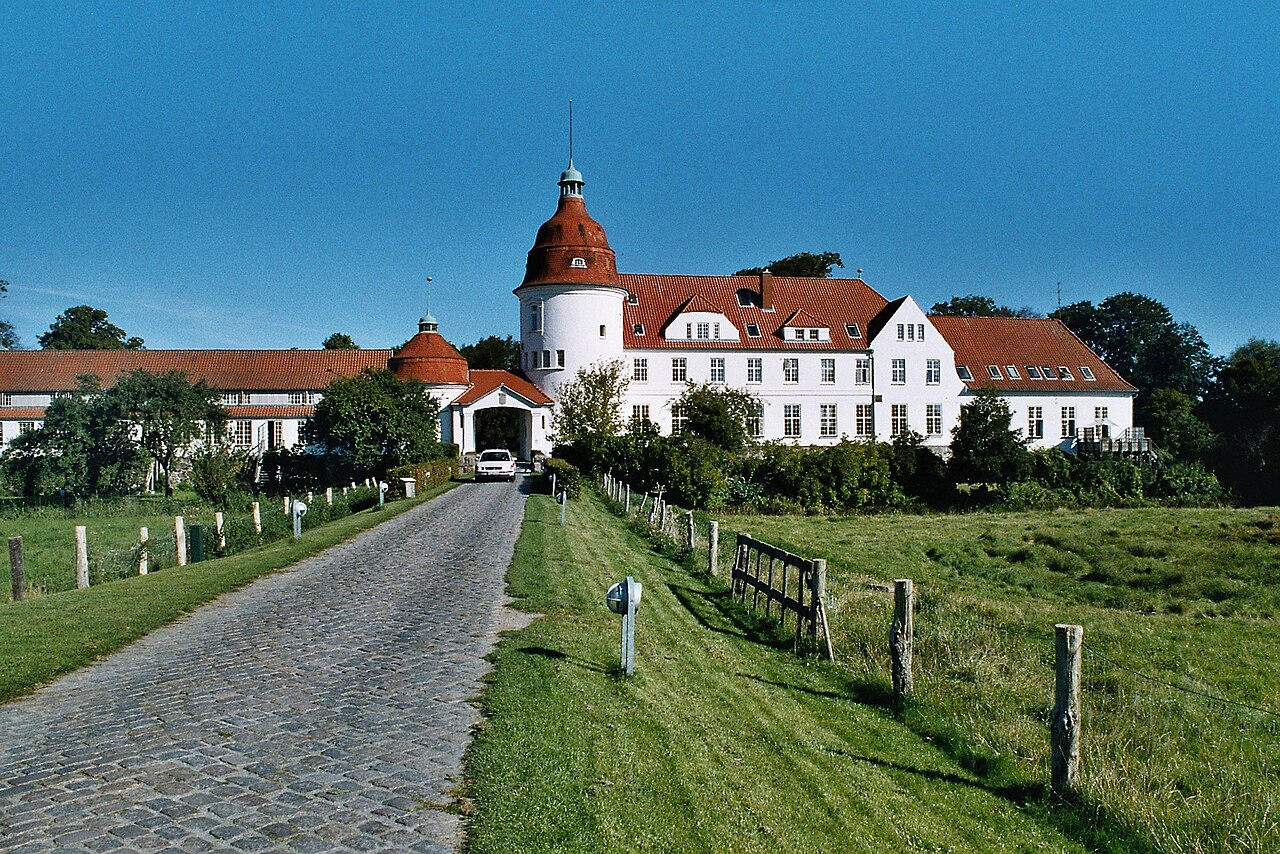
Nordborg Castle, located on the southern shore of Nordborg Lake (Nordborg Sø) on the island of Als in Sønderborg Municipality, Denmark, is a historic Renaissance hill castle with origins dating back to the 12th century. Originally founded as Alsborg around 1150 by Svend Grathe, the castle was strategically positioned a few kilometers inland to provide early warning against coastal attacks by the Wends, who dominated the Danish coast at the time. Its inland location allowed the local population to seek refuge within its walls, a common defensive strategy in medieval fortifications. Medieval origins and early history The first documented mention of Alsborg appears at the end of the 12th century, notably recording the imprisonment of Bishop Valdemar of Slesvig there between 1192 and 1197. During the Middle Ages, the castle was part of the Danish king's properties and served as a valuable asset, sometimes providing income for the king's widow. The castle's importance is underscored by its use as a royal stronghold and its role in regional power dynamics. Transition to nordborg and ducal ownership Following the construction of Sønderborg Castle, Alsborg was renamed Nordborg. In 1571, the castle and surrounding estates of Als and Sundeved were inherited by Hans the Younger, brother to King Frederik II, from their mother Dorothea. Hans was a proactive landowner who undertook extensive expansions and improvements to his properties over the next five decades, including a series of building projects at Nordborg. After his death in 1622, his estates were divided into dukedoms, with Nordborg passing first to his son Hans Adolf and then to his other son Frederik following Hans Adolf's early death. Military conflicts and destruction During the turbulent Swedish wars of the 17th century, Nordborg Castle changed hands multiple times, being occupied by Swedish, Brandenburgian, and Polish troops. The castle remained under Swedish control until the peace treaty of 1660. In 1665, a devastating fire severely damaged the castle, leading to its partial destruction. The financial ruin of Duke Johan Bugislaw resulted in the forfeiture of the estate, which then reverted to August of Plön. Rebuilding and later ownership Reconstruction of Nordborg Castle began in 1678, during which the ducal coat-of-arms was prominently placed above the main entrance, symbolizing its noble heritage. In 1730, the castle was reclaimed by the Danish crown. The estate originally encompassed around 400 hectares, but over the following decades, much of the land was parceled out into farms. By 1766, the castle was sold to private owners, leading to the demolition of some buildings and the sale of materials for construction elsewhere. 20th-century restoration and modern use In 1909, the town of Nordborg purchased the castle. The pro-German mayor at the time, Klinkers, envisioned establishing a high school to serve as a cultural counterbalance to Danish schools north of the border. Architect Eugen Fink was commissioned to restore the castle, and by 1910 it was leased to the German high school association in Northern Schleswig. Following the reunification of Southern Jutland with Denmark in 1920, the castle was acquired by merchant Johan Hansen. He founded the Nordborg Slot Foundation, which has managed the castle since 1922 as a Danish boarding school, known as Nordborg Slots Efterskole. The castle grounds also serve as the venue for the annual Nord-Als Musikfestival, linking the historic site with contemporary cultural events. Architectural features and setting Nordborg Castle exemplifies a Renaissance hill castle adapted over centuries to meet changing defensive and residential needs. Its position on a hill overlooking Nordborg Lake provides natural defensive advantages and scenic views. The castle complex includes traditional elements such as fortified walls, gatehouses, and courtyards, which have been modified and restored through various phases of construction and reconstruction. The 17th-century rebuilding introduced characteristic Renaissance architectural details, including the ducal coat-of-arms and refined masonry work. Restoration efforts in the early 20th century aimed to preserve these historic features while adapting the castle for educational use, balancing heritage conservation with functional modernization. Cultural and historical significance Nordborg Castle holds a unique place in Danish history as a site of medieval royal power, ducal residence, and cultural transformation. Its survival through wars, fires, and changing political landscapes reflects the resilience of Danish heritage sites. Today, it stands not only as a monument to the past but also as a living institution fostering education and the arts.

Renaissance (15th–17th c.)
Details
17.2 km
Glucksburg Castle — Germany castle

Glucksburg Castle

Glucksburg, Germany

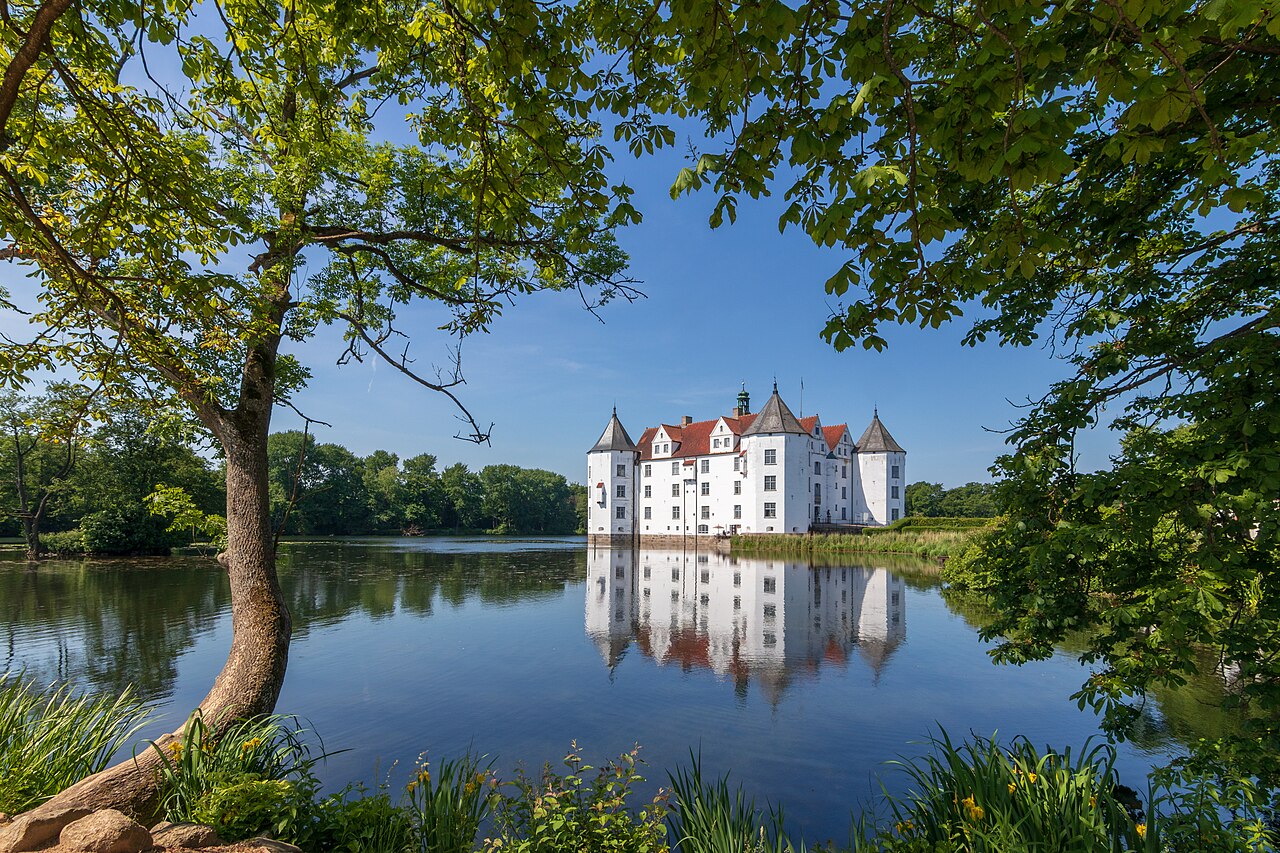
Glucksburg Castle stands as one of the most significant Renaissance castles in northern Europe, renowned for its architectural beauty and historical importance. Located on the scenic Flensburg Fjord in Glucksburg, Schleswig-Holstein, Germany, this castle has served as the seat of the House of Schleswig-Holstein-Sonderburg-Glucksburg and was also a residence for the Danish kings. Today, it functions as a museum owned by a foundation, preserving its rich heritage for visitors and scholars alike.The foundation and construction of Glucksburg CastleConstructed between 1583 and 1587 under the direction of Duke John II the Younger (1545-1622), Glucksburg Castle was built by the master builder Nikolaus Karies. The castle was erected on the site of a former Cistercian monastery known as Kloster Rude, which itself had medieval religious origins. The builders ingeniously reused granite and bricks from the demolished monastery, integrating these materials into the castle's structure. This reuse is evident in the castle's robust granite foundation that rises about 2.5 meters above the water, providing a sturdy base for the whitewashed walls above.The castle's name derives from Duke John's personal motto: "Gott Gebe Glück Mir Frieden" (God wants happiness and peace). The initials of this motto, along with the Duke's coat of arms, are prominently displayed above the main entrance. Flanking the coat of arms are the heraldic symbols of the Duke's two wives from the Brunswick-Lüneburg family and the Electorate of Saxony, reflecting the castle's dynastic connections.Architectural design and layoutGlucksburg Castle is notable for its square base, with sides measuring nearly 30 meters, comprising three separate houses each with its own roof. The central building contains the great halls and the vestibule, while the two side wings house the living quarters. A unique feature is the chapel, which spans two of the houses, underscoring the castle's integration of religious and residential functions.The castle was originally adorned with characteristic Renaissance embellishments, although many of these decorative elements were removed in the 19th century. Despite this, the exterior has remained remarkably unchanged for over four centuries, preserving its historical authenticity.Defensive and environmental featuresThe grounds of the former monastery were flooded to create a large pond that almost entirely surrounds the castle, serving as a defensive moat and also supporting fishing activities. This water feature enhances the castle's picturesque setting and historic defensive capabilities.Gardens and landscape evolutionThe castle's gardens have evolved significantly over the centuries. Initially, the only garden was a kitchen garden established in 1622, replacing the monastery's original garden lost to the pond's creation. Between 1706 and 1709, a small pleasure garden was added, located in the area now known as the rose garden.From 1733 onward, a Baroque garden was laid out in the main park in front of the castle's outer buildings. This garden featured an orangery constructed in 1743, which was later renovated in 1827 into a Neoclassical building. Today, the orangery serves as a venue for art exhibitions and concerts, blending cultural activities with historical preservation.In the 20th century, the formal gardens were transformed into English landscape parks, though remnants of the older garden styles remain visible. The Glücksburger Rosarium, established in 1990-91 on the site of the former castle nursery, boasts over 500 varieties of roses. Unlike the castle gardens, the Rosarium is a private garden that charges an admission fee.Historical significance and cultural heritageGlucksburg Castle has played a vital role as the ancestral seat of the House of Schleswig-Holstein-Sonderburg-Glucksburg, a cadet branch of the Danish royal family. Its use by Danish kings underscores its importance in the region's political and cultural history. The castle's architecture and preserved interiors offer valuable insights into Renaissance design and noble life in northern Europe during the late 16th century.As a museum, the castle now welcomes visitors to explore its richly decorated rooms, historic artifacts, and extensive grounds. It stands as a testament to the enduring legacy of Renaissance architecture and the intertwined histories of Germany and Denmark.Preservation and current statusGlucksburg Castle is well preserved, maintaining much of its original structure and charm. The castle's ownership by a foundation ensures ongoing conservation efforts and public accessibility. Its location on the Flensburg Fjord provides a stunning backdrop that enhances the visitor experience.The castle is accessible to the public, offering guided tours that highlight its architectural features, history, and the stories of the noble families who lived there. Seasonal events and exhibitions held in the orangery and castle grounds contribute to its vibrant cultural life.

Renaissance (15th–17th c.)
Details
26.2 km
Duborg Castle — Germany castle

Duborg Castle

Flensburg, Germany

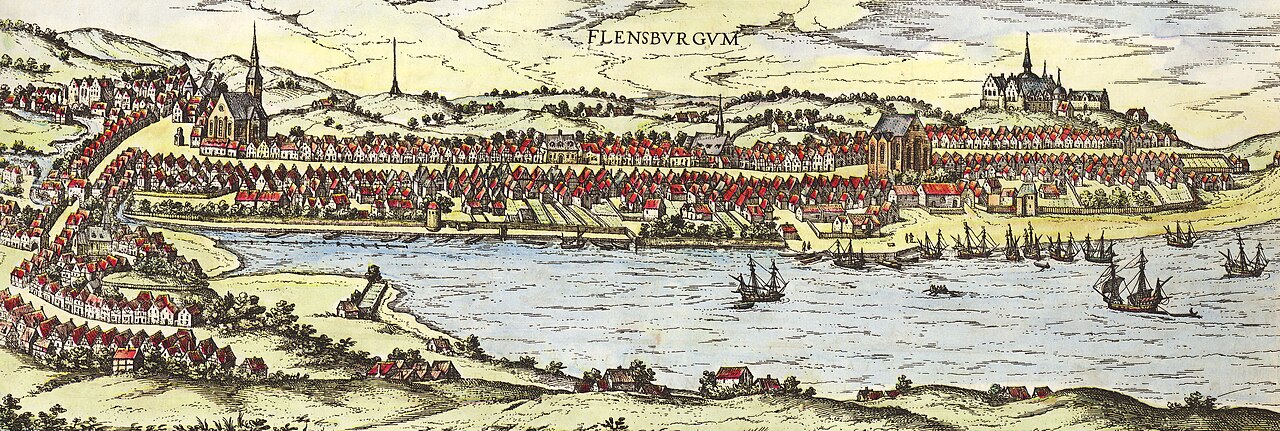
Duborg Castle (Danish: Duborg Slot, German: Duburg Schloss) is a historic hill castle located in Flensburg, in the region of Schleswig, Germany. Constructed in the 15th century during the late medieval period, the castle functioned as a significant fortification and noble residence throughout the Middle Ages and into the early modern era. It is also historically known by the name Flensborghus (German: Flensburghaus), reflecting its importance within the local territorial power structures. Historical background and significance The origins of Duborg Castle trace back to the late medieval period, a time marked by territorial conflicts and the consolidation of noble power in the Schleswig region. The castle was strategically positioned on elevated terrain, characteristic of a hill castle, which provided natural defensive advantages overlooking the surrounding landscape and controlling key trade routes near the Danish-German border. Throughout its history, Duborg Castle played a role in the complex political dynamics between the Danish crown and the German duchies. Its location in Flensburg, a city with a mixed Danish and German cultural heritage, made the castle a focal point in regional power struggles. The castle’s fortifications and residential quarters were adapted over time to meet evolving military and domestic needs. Architectural features and layout The castle’s architecture reflects typical late medieval design elements, including robust stone walls, defensive towers, and a fortified gatehouse. The elevated site allowed for the construction of curtain walls that enclosed the inner courtyard and residential buildings. Defensive features such as battlements and arrow slits were incorporated to enhance protection against sieges. While detailed architectural plans of Duborg Castle are limited, historical records suggest the presence of a central keep or donjon serving as the main stronghold and residence. The castle likely included ancillary buildings such as stables, storage facilities, and a chapel within its walls, consistent with the multifunctional nature of medieval castles. Defensive structures The castle’s defensive system was typical of hill castles from the 15th century, featuring thick stone walls designed to withstand artillery and siege weapons that were becoming more prevalent during this period. The gatehouse would have been heavily fortified, possibly with a drawbridge and portcullis, to control access effectively. Residential and functional spaces Inside the castle, the residential quarters were designed to accommodate the lord and his household, with halls for dining and administration. The presence of a chapel would have provided for the spiritual needs of the inhabitants. The layout balanced defensive priorities with the requirements of noble domestic life. Later history and current status Following the early modern period, the military importance of Duborg Castle declined as warfare evolved and centralized state powers reduced the need for local fortifications. Over time, the castle fell into disuse and was partially dismantled or repurposed. Today, only limited remains or archaeological traces of the original structure may survive, reflecting its status as a historical site rather than an intact fortress. Duborg Castle’s legacy persists in the cultural memory of Flensburg and the Schleswig region, symbolizing the medieval heritage and the intertwined Danish-German history of the area. Duborg Castle in the context of regional heritage As a late medieval hill castle, Duborg Castle represents the architectural and strategic trends of northern European fortifications during the 15th century. Its role in the borderland between Denmark and Germany highlights the complexities of medieval political geography and cultural exchange. The castle’s historical significance is recognized in local heritage conservation efforts and serves as a point of interest for scholars and visitors interested in medieval architecture and the history of Schleswig-Holstein.

Late Medieval (14th–15th c.)
Details