Sommeregg Castle
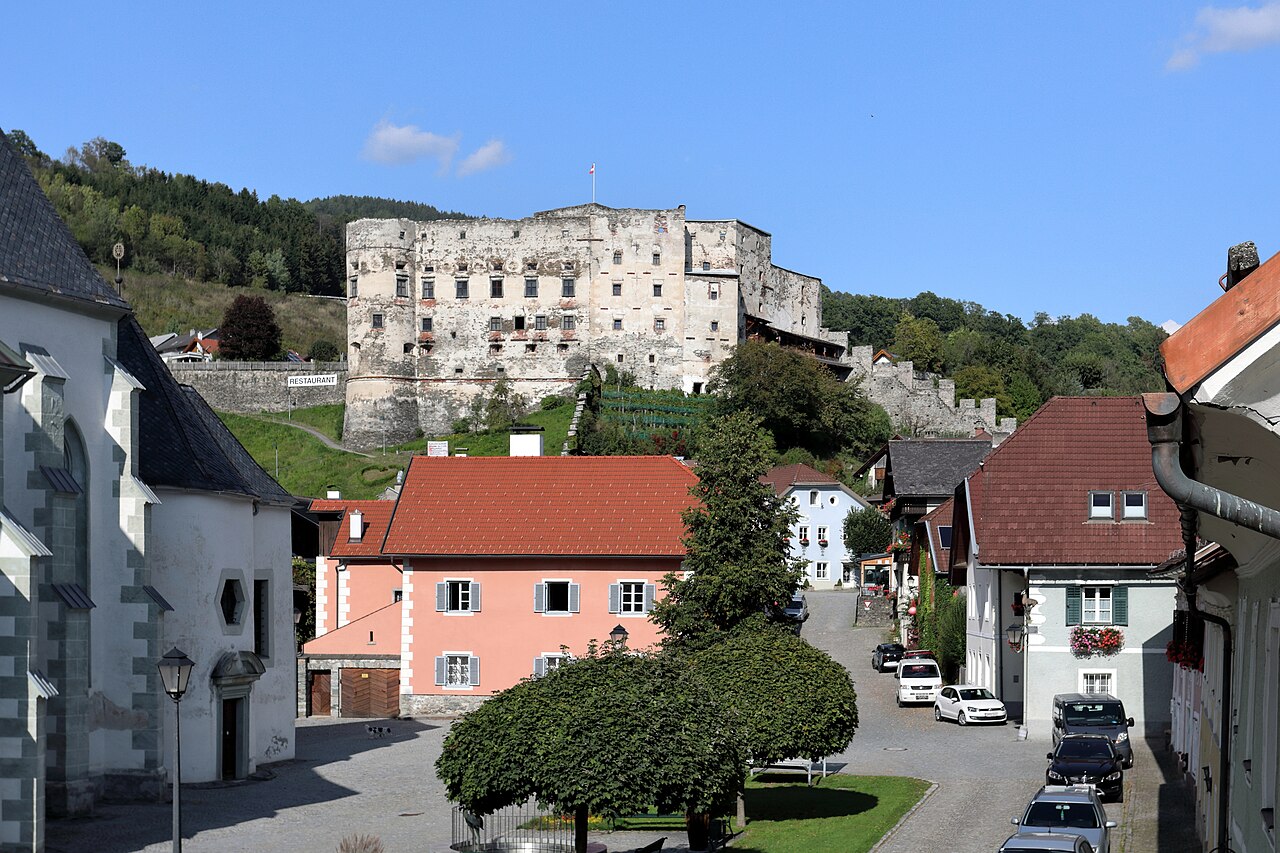
Sommeregg Castle is a medieval fortress located near Seeboden in the Austrian state of Carinthia, nestled in the foothills of the Nock Mountains at an altitude of 749 meters. Constructed in the 12th century, it stands as a significant example of High Medieval fortification architecture, reflecting the turbulent feudal history of the region. The castle's strategic position allowed it to serve as a vital administrative and military center throughout the Middle Ages.
The origins and medieval significance of Sommeregg Castle
The castle was likely erected in the early 12th century by the Lords of Sommeregg, who were ministeriales—unfree knights serving under the authority of Count Otto II of Ortenburg. The Ortenburg family controlled extensive estates in Upper Carinthia, competing for influence with the powerful House of Gorizia and the Archbishops of Salzburg. Sommeregg Castle was a key stronghold in this regional power dynamic, serving both as a defensive fortress and an administrative center.
By the 14th century, the Lords of Sommeregg had risen in prominence, achieving knightly status and becoming burgraves and castellans of Ortenburg. This elevated position granted them comprehensive administrative and military responsibilities over the lordship, underscoring the castle's importance as a seat of local governance and defense.
Transition of ownership and political shifts
The extinction of the Counts of Ortenburg in 1418 led to the transfer of their estates, including Sommeregg Castle, to the Counts of Celje in Carniola. The Celje family, however, managed these remote Upper Carinthian holdings through local stadtholders, maintaining the castle's role as a regional administrative hub.
In 1442, the Styrian noble Andreas von Graben inherited the Sommeregg burgraviate through marriage. His feudal rights were confirmed by Count Frederick II of Celje, and the castle became a residence of the House of Graben. The Graben family retained the title of Sommeregg burgraves even after the assassination of the last Celje count, Ulrich II, in 1456.
Following a dispute with Count John II of Gorizia, the former Ortenburg possessions, including Sommeregg, were absorbed by the Habsburg emperor Frederick III. The emperor reaffirmed the Graben family's feudal rights, ensuring continuity of local governance under Habsburg sovereignty.
Siege, destruction, and reconstruction
In 1487, Sommeregg Castle suffered significant damage when it was occupied and devastated by Hungarian forces led by King Matthias Corvinus during his campaign against the Austrian Habsburgs. This military action reflected the broader conflicts between the Habsburgs and Hungary in the late 15th century.
After the siege, Virgil von Graben, son of Andreas von Graben, undertook the castle's reconstruction. The fortress was rebuilt in its current form, incorporating architectural features typical of late medieval fortifications designed to withstand artillery and prolonged sieges. This rebuilding phase preserved Sommeregg's strategic and administrative functions for subsequent centuries.
Later ownership and decline
Through the heiress Rosina, the niece of Virgil von Graben, Sommeregg passed to the Bavarian Lords of Rain. In 1550, the castle was acquired by Christoph Khevenhüller, a member of a prominent Carinthian noble family. The Khevenhüller dynasty maintained possession of Sommeregg until 1628.
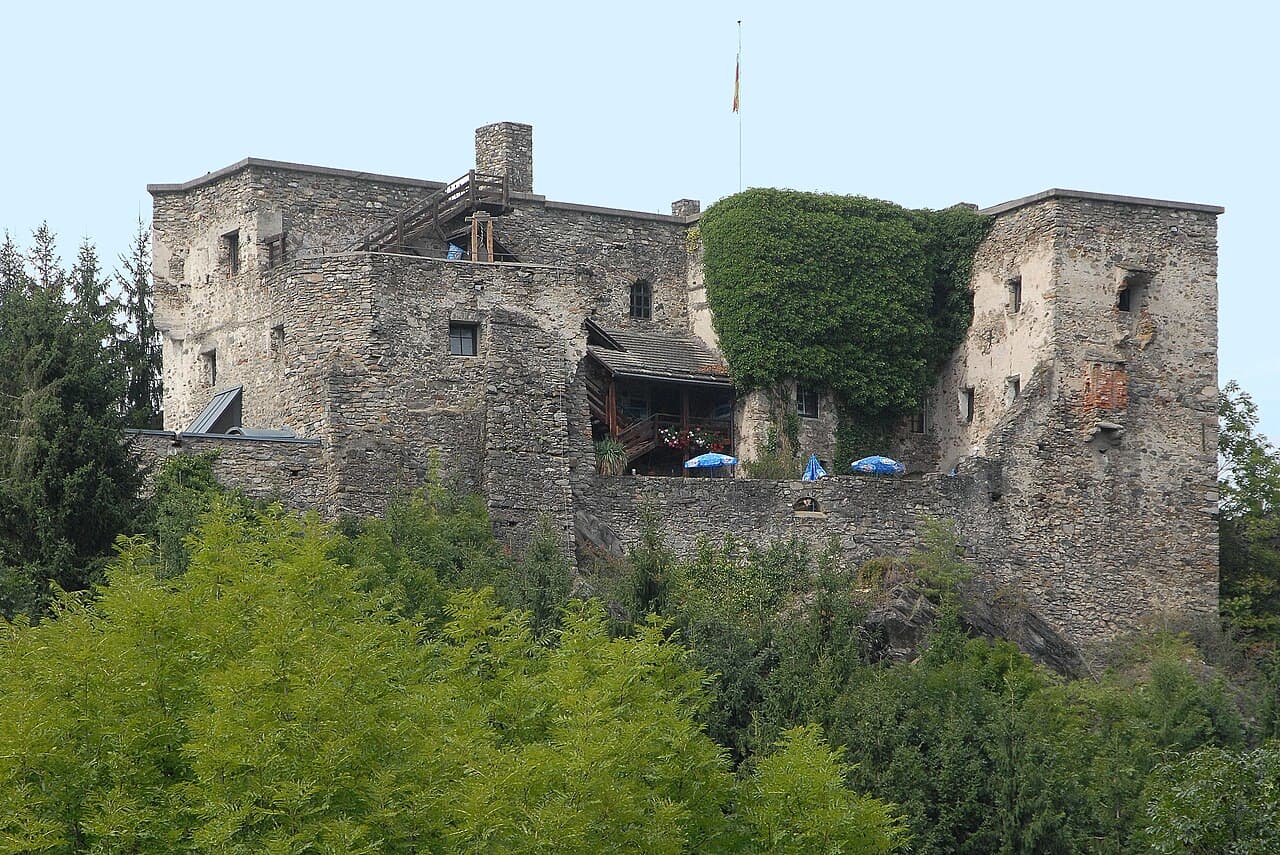
Following the dissolution of feudal structures during the Revolution of 1848, the Sommeregg manor was dissolved. Over time, the castle fell into ruin, with its remains now classified as archaeological ruins. Despite this, Sommeregg continues to be a site of historical interest, illustrating the feudal and military history of Carinthia.
Architectural features and castle layout
Sommeregg Castle's original construction reflects typical High Medieval defensive design, featuring robust stone walls, fortified gatehouses, and towers for surveillance and defense. The castle's position in the foothills provided natural protection and strategic oversight of the surrounding territory.
The post-1487 reconstruction under Virgil von Graben introduced enhancements to the fortress's defenses, likely including thicker walls and improved battlements to resist artillery attacks. The castle complex would have included a keep or central stronghold, residential quarters, administrative offices, and possibly a chapel, consistent with contemporary castle design.
Defensive structures
The castle's layout capitalized on the natural terrain, with steep slopes on several sides acting as natural barriers. The main entrance was fortified with a gatehouse and defensive walls designed to repel attackers. Towers placed at strategic points allowed defenders to monitor and control access routes.
Residential and administrative areas
Within the castle walls, the residential quarters accommodated the burgraves and their retinue, while administrative chambers served as the center for managing the lordship's affairs. The presence of a courtyard would have facilitated daily activities and gatherings.
Historical context and regional importance
Sommeregg Castle played a significant role in the feudal politics of Upper Carinthia, particularly during the Middle Ages when regional noble families vied for control. Its function as a burgraviate seat meant it was central to the administration of justice, military command, and estate management.
The castle's history reflects broader European conflicts, including the rivalry between the Habsburgs and Hungarian kings, and the shifting allegiances among noble houses such as Ortenburg, Celje, Graben, and Khevenhüller. Sommeregg's endurance through these periods highlights its strategic and symbolic importance.
Visiting Sommeregg Castle today
Today, Sommeregg Castle remains a site of archaeological and historical interest. Visitors can explore the ruins, which offer insight into medieval fortification techniques and regional history. The castle's location provides scenic views of the Nock Mountains and the surrounding Carinthian landscape.
While the castle is in a state of ruin, efforts to preserve and study the site contribute to understanding Carinthia's medieval heritage. The site is accessible to the public, often attracting history enthusiasts and tourists interested in Austria's feudal past.
Frequently asked questions (FAQ)
- How do I get to Sommeregg Castle?
- Sommeregg Castle is located in Seeboden, Austria, and can be easily reached by car or public transport. If you are driving, there is parking available nearby. The nearest train station is in Spittal an der Drau, from which you can take a short bus ride or taxi to the castle.
- What are the opening hours of Sommeregg Castle?
- Sommeregg Castle is typically open to visitors from April to October, with specific hours varying throughout the season. Generally, the castle opens at 10 AM and closes at 6 PM. It is advisable to check the official website for any changes or special events that may affect these hours.
- Can I take guided tours of Sommeregg Castle?
- Yes, guided tours are available at Sommeregg Castle, providing visitors with insights into its rich history and architectural features. Tours are led by knowledgeable guides who share fascinating stories about the castle's past. It is recommended to book in advance during peak tourist seasons.
- Is Sommeregg Castle accessible for individuals with disabilities?
- Sommeregg Castle strives to be accessible to all visitors, with certain areas designed for individuals with disabilities. However, due to the castle's historical nature, some parts may have limitations. It is best to contact the castle management ahead of your visit to inquire about specific accessibility options.
- Why is Sommeregg Castle historically significant?
- Sommeregg Castle dates back to the 12th century and is a prime example of medieval architecture in Austria. It has served various purposes throughout its history, including as a noble residence and a military stronghold. The castle's preservation allows visitors to explore and appreciate its historical importance.
- What is the best time to visit Sommeregg Castle?
- The best time to visit Sommeregg Castle is during the spring and early autumn months when the weather is mild, making it pleasant for outdoor exploration. Additionally, during these seasons, the surrounding natural scenery is at its most beautiful. Summer can be busy with tourists, while winter months may limit access due to weather conditions.
- What are the ticket prices for Sommeregg Castle?
- Ticket prices for Sommeregg Castle vary depending on age and group size, with discounts often available for children and seniors. Standard adult tickets are generally around €8, while children under 12 may enter for free when accompanied by an adult. Be sure to check the official website for the most current pricing and any special offers.
- Are there any nearby attractions to visit?
- Yes, there are several nearby attractions to explore after visiting Sommeregg Castle, including the beautiful Lake Millstatt and the charming town of Seeboden. Outdoor activities, such as hiking and cycling, are also available in the surrounding area. Visitors can enjoy a full day of activities by combining their castle visit with these local highlights.
Photo gallery

Information
Loading map...
Visitor reviews
No reviews yet. Been here? Write the first review and help other travelers!
Write the first reviewVisited this castle? Share your experience
Your review helps other travelers and adds first-hand knowledge to our encyclopedia.