Sofiero Castle
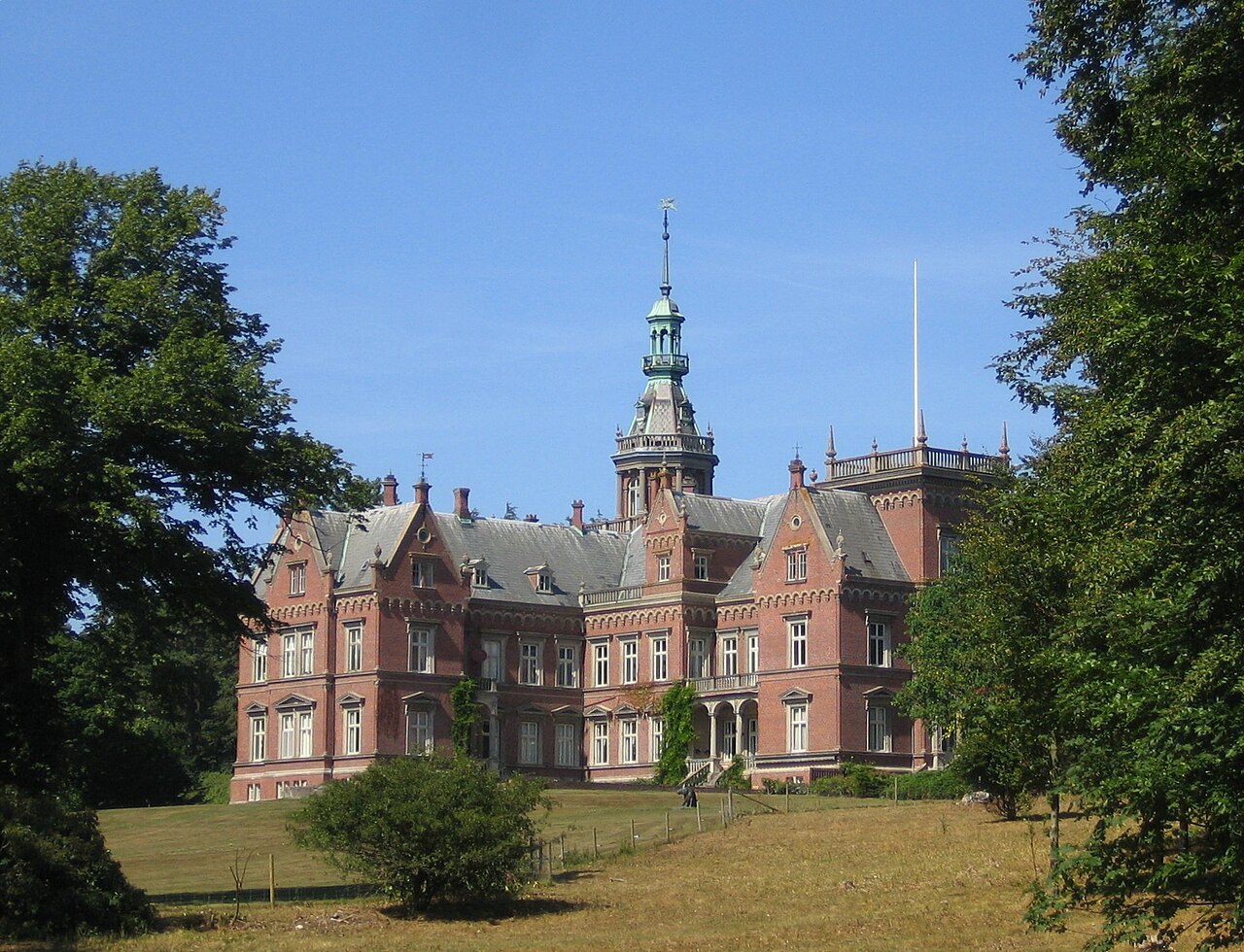
Sofiero Castle stands as a distinguished former country mansion of the Swedish royal family, located in the municipality of Helsingborg, Sweden. Originally a Scanian farm named Skabelycke, the estate was acquired in 1864 by Crown Prince Oscar of Sweden and his wife Sophia of Nassau. The initial construction phase culminated in 1865 with the completion of a modest one-story palace, marking the estate's transformation into a royal residence.
Following Crown Prince Oscar's ascension as King Oscar II of Sweden and Norway, the palace underwent significant expansion between 1874 and 1876. This development elevated the structure to a two-story building with 35 rooms, reflecting the growing status and needs of the royal household. The castle's architecture features elements typical of the period, blending functional design with aesthetic touches suitable for a royal summer retreat.
Historical significance and royal heritage
In 1905, Prince Gustaf Adolf, later King Gustaf VI Adolf, and his wife Crown Princess Margareta of Connaught received Sofiero Castle as a wedding gift. This marked the beginning of a new era for the estate, as the royal couple undertook extensive renovations and modernization efforts. They are especially credited with developing the expansive gardens, notably establishing the celebrated rhododendron collection that has become synonymous with Sofiero.
Throughout the 20th century, Sofiero served as the official summer residence of King Gustaf VI Adolf and his second wife, Lady Louise Mountbatten, until his death in 1973. The king's deep affection for the estate was evident, and upon his passing, he generously bequeathed Sofiero to the city of Helsingborg. His intention was for the public to enjoy the castle and its gardens as much as he had during his lifetime.
The castle has hosted numerous notable guests, including Tsar Alexander III in 1893, King Edward VII of the United Kingdom in 1901, Indian Prime Minister Jawaharlal Nehru in 1957, US President Dwight D. Eisenhower in 1962, and Vice President Lyndon B. Johnson in 1963, underscoring its diplomatic and cultural significance.
Architectural features and estate layout
The castle is a two-story structure originally built as a summer villa with six towers, a feature that adds to its distinctive silhouette. It is situated approximately five kilometers north of Helsingborg, perched above a ravine that slopes down to the shore of the Öresund strait. The location provides commanding views and a serene environment befitting a royal retreat.
The estate encompasses an extensive 15-hectare park designed in the English Arts and Crafts gardening style. This park is renowned for its diverse plant life, especially the rhododendrons, which number around 10,000 plants representing nearly 500 species and hybrids. These are primarily arranged in two valleys flanking the palace, creating a spectacular floral display during blooming seasons.
Gardens and horticultural highlights
- The rhododendron collection is the largest in northern Europe and a major draw for visitors.
- Additional garden features include a rose path, a kitchen garden, and dedicated plots for dahlias and melons.
- The estate houses a greenhouse and a labyrinth, providing varied visitor experiences and botanical interest.
- A pond and several sculptures, including a monument to King Gustaf VI Adolf, enhance the landscape's aesthetic and cultural value.
- A winery built in 1914 remains a functional part of the estate, nurturing grapevines planted during its original construction.
- The eastern boundary of the park is marked by a long stone wall, alongside which fruit trees such as plum and pear are cultivated.
- The Jubilee Garden, created in 2016 by landscape architect Mona Wembling, commemorates Sofiero's 150th anniversary and offers a peaceful retreat within the estate.
Modern use and cultural importance
Today, Sofiero Castle serves multiple public functions. The palace building hosts a restaurant, café, and occasional art exhibitions, blending hospitality with cultural enrichment. The surrounding park is meticulously maintained according to King Gustaf VI Adolf's wishes, ensuring the preservation of its historical layout and botanical treasures.
The estate is also a vibrant cultural venue, hosting large outdoor concerts during summer on its expansive lawns. These events feature national and international artists, making Sofiero a lively destination that combines natural beauty with contemporary entertainment.
In 2010, the gardens were recognized as Europe's most beautiful park, a testament to their horticultural excellence and design. Further enhancing the estate's infrastructure, Sofia's Bridge was constructed in 2018 across a ravine near the castle. This 57-meter-long steel bridge received a prestigious steel construction award in 2021, symbolizing a successful blend of historical preservation and modern engineering.
Visitor experience and facilities
Visitors to Sofiero Castle can explore the extensive gardens, enjoy the diverse plant collections, and relax in the carefully designed landscapes. The castle's restaurant and café provide amenities for dining and refreshments, while the occasional art exhibitions offer cultural engagement beyond the natural surroundings.
The estate also includes a souvenir shop, a children's playground featuring a historic house from 1917, and workshop and exhibition spaces that support educational and artistic activities. The combination of historical architecture, botanical richness, and cultural programming makes Sofiero a unique destination in southern Sweden.
Frequently asked questions (FAQ)
- How do I get to Sofiero Castle?
- Sofiero Castle is located just a short drive from Helsingborg city center. You can reach it by car, public transport, or even by bike, with several local bus routes serving the area. The castle is well-signposted, making it easy to find.
- What is the historical significance of Sofiero Castle?
- Sofiero Castle was built in the 19th century and served as a summer residence for the Swedish royal family. It is renowned for its beautiful gardens and rich history, showcasing the architectural styles of the period. The castle is also a symbol of Swedish heritage and is often used for cultural events.
- When was Sofiero Castle built?
- Construction of Sofiero Castle began in 1865 and was completed in 1874. Originally a simple wooden structure, it was later expanded and renovated into the magnificent castle we see today. Its design reflects the Romantic architectural style popular during that era.
- Can I visit the gardens at Sofiero Castle?
- Yes, the gardens at Sofiero Castle are open to visitors and are a highlight of the site. The gardens feature a variety of plants, flowers, and landscaped areas that change with the seasons, making them a beautiful attraction year-round. Admission to the gardens is included with your ticket to the castle.
- Why is Sofiero Castle considered an architectural gem?
- Sofiero Castle is considered an architectural gem due to its unique blend of Romantic and Renaissance styles, which is evident in its intricate details and grandeur. The design showcases the creativity and artistry of its time, with beautiful interiors and stunning exterior views. The castle's gardens also enhance its architectural appeal, making it a popular spot for photography.
- Is it possible to host events at Sofiero Castle?
- Yes, Sofiero Castle offers facilities for hosting various events, including weddings, corporate meetings, and cultural activities. The picturesque setting and elegant interiors provide a stunning backdrop for any occasion. Interested parties should contact the castle's administration for more information on booking and services.
- What are the opening hours of Sofiero Castle?
- Sofiero Castle is typically open to visitors from May to September, with varying hours depending on the day of the week. During peak season, the castle may open earlier and close later to accommodate tourists. Always check the official website for the most current opening hours before your visit.
- What are the ticket prices for Sofiero Castle?
- Ticket prices for Sofiero Castle vary based on age and the time of year. Generally, adults can expect to pay a standard entry fee, while children and seniors often receive discounts. It's advisable to check the official website for the latest pricing and any special offers available.
- When is the best time to visit Sofiero Castle?
- The best time to visit Sofiero Castle is during the late spring and summer months when the gardens are in full bloom. This period offers the most vibrant displays of flowers and foliage, making for a stunning visual experience. Additionally, many events and exhibitions take place during these months, enhancing your visit.
- Are there any nearby attractions to visit along with Sofiero Castle?
- Yes, there are several nearby attractions to explore, including the beautiful Kullaberg Nature Reserve and the charming town of Helsingborg. You can also visit the Dunkers Kulturhus, which offers art exhibitions and cultural events. Combining these attractions with your visit to Sofiero Castle makes for a delightful day out.
Information
Website
Visit websiteSources & official resources
Verify the information above using these authoritative references.
Loading map...
Visitor reviews
No reviews yet. Been here? Write the first review and help other travelers!
Write the first reviewVisited this castle? Share your experience
Your review helps other travelers and adds first-hand knowledge to our encyclopedia.