Smbataberd
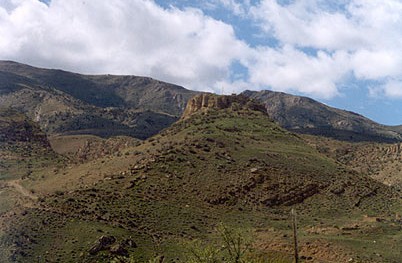
Smbataberd fortress stands prominently on a hilltop between the villages of Artabuynk and Yeghegis in the Vayots Dzor Province of Armenia. This early medieval bastioned fortress is notable for its imposing basalt defensive walls that encircle the hill, offering commanding views of the surrounding landscape. While the exact date of its initial construction is debated, archaeological and historical evidence suggests origins possibly as early as the 5th century, though many scholars place its foundation between the 9th and 11th centuries. This period corresponds with the height of Armenian fortress-building activities during the medieval era.
Historical significance and role in Syunik
Smbataberd served as the principal stronghold for the Armenian princes of Syunik, a significant medieval Armenian province. The fortress's strategic location allowed it to function as a military bastion and administrative center during times when Yeghegis was the provincial capital. The fortress was integral to the defense system of Syunik against external invasions and internal conflicts.
In the 13th century, the fortress underwent substantial expansion and fortification under the Orbelian dynasty, a powerful noble family that controlled the region. These enhancements included strengthening the bastions and walls to adapt to evolving military technologies and threats. The Orbelians' contributions are evident in the fortress's architectural complexity and improved defensive capabilities.
Architectural features and layout
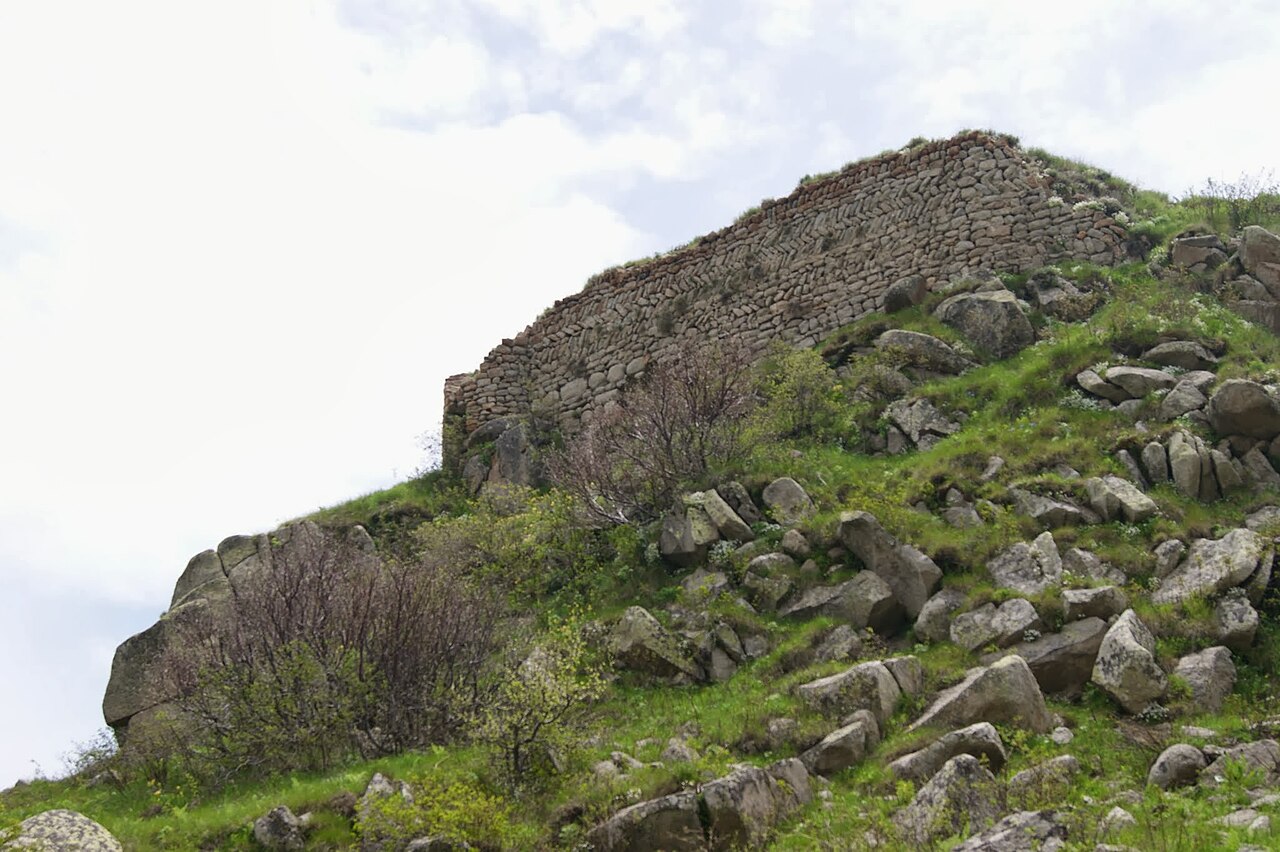
The fortress is characterized by its massive basalt walls, which have been remarkably well preserved despite centuries of exposure to natural elements and historical conflicts. These walls form a bastioned perimeter, a defensive design that allowed defenders to cover all approaches with overlapping fields of fire. The use of basalt, a durable volcanic stone, contributed to the fortress's longevity.
Inside the fortress, fewer structural remains survive, but traces of residential quarters, storage facilities, and military installations have been identified. The layout suggests a self-sufficient fortress capable of withstanding prolonged sieges. The elevated position provided natural defense advantages, with steep slopes on several sides complicating enemy assaults.
Defensive bastions and walls
The bastions are strategically placed to cover vulnerable points along the perimeter. Their design reflects medieval Armenian military architecture, which emphasized robust construction and tactical placement. The walls incorporate narrow slits and embrasures for archers and later firearms, allowing defenders to repel attackers effectively.
Access points and gates
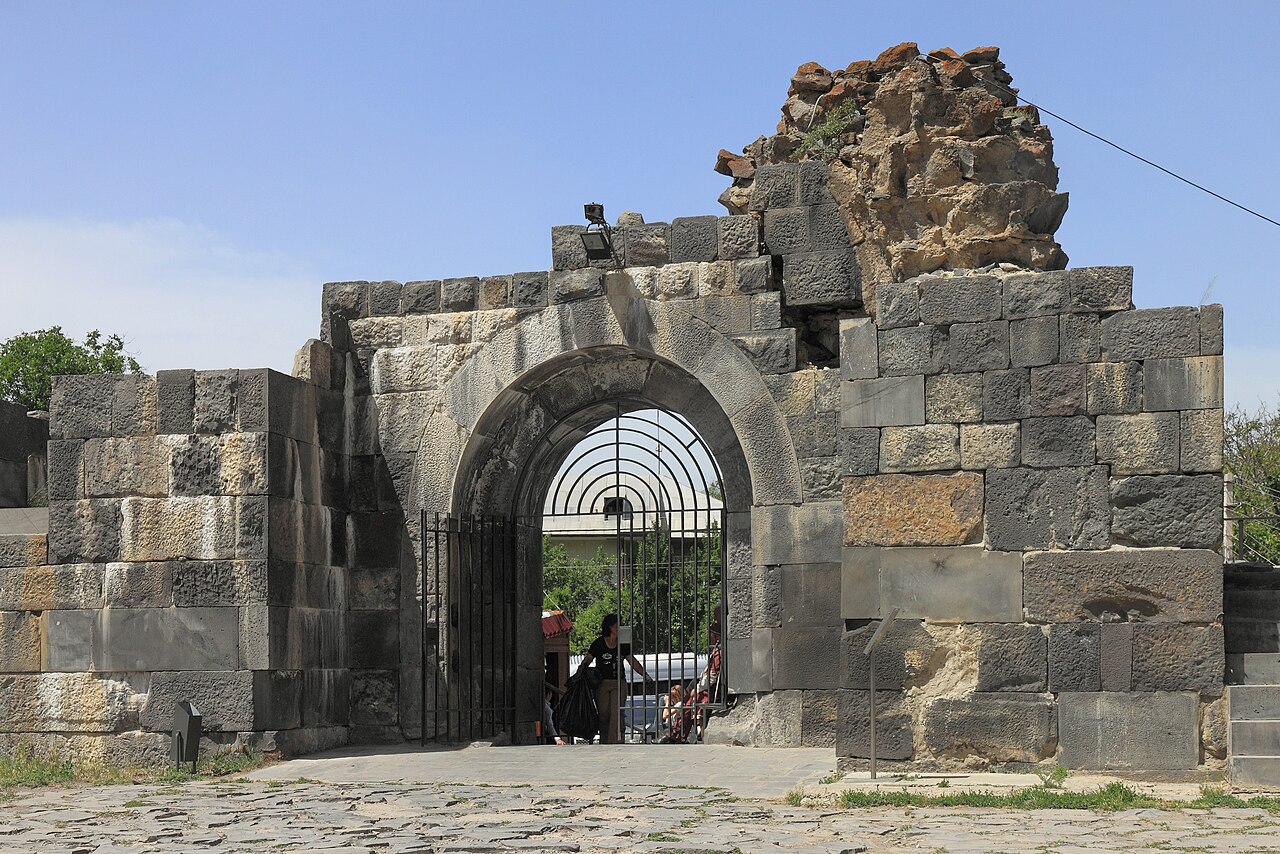
The fortress features a limited number of entrances, designed to be easily defensible. The main gate was likely reinforced with heavy wooden doors and metal fittings. Secondary postern gates may have existed for strategic sorties or communication with nearby settlements.
Preservation and current status
Today, Smbataberd is recognized as a well-preserved early medieval fortress and serves as a significant cultural and historical monument in Armenia. Its bastioned walls remain largely intact, attracting tourists and researchers interested in Armenian medieval fortifications. While the interior structures are less complete, ongoing archaeological efforts continue to reveal insights into its past.
The fortress's location in the scenic Vayots Dzor region adds to its appeal, combining natural beauty with historical depth. Visitors can explore the site, appreciating the fortress's imposing silhouette against the rugged landscape and gaining an understanding of medieval Armenian defensive architecture.
Visiting Smbataberd
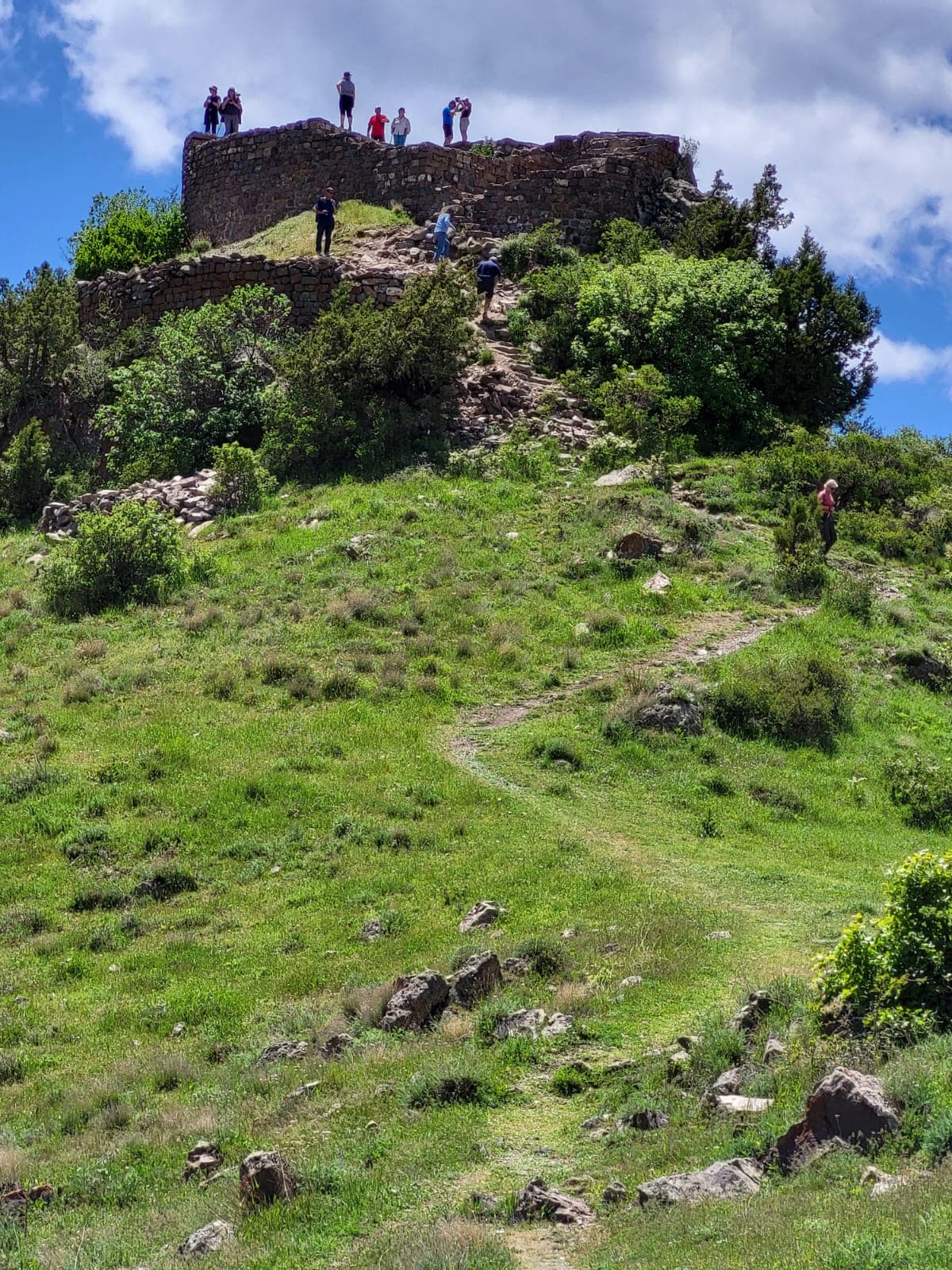
The site is accessible from the nearby villages of Artabuynk and Yeghegis, with hiking paths leading up to the fortress. Due to its elevated position, visitors should be prepared for a moderately challenging ascent. The fortress is open to the public year-round, with the best visiting seasons in spring and autumn when weather conditions are favorable.
Interpretive signage and local guides provide historical context, enhancing the visitor experience. The fortress's remote location means amenities are limited, so visitors should plan accordingly. Nearby attractions include other medieval Armenian monuments and natural features of Vayots Dzor.
Frequently asked questions (FAQ)
- When was Smbataberd fortress built?
- Smbataberd fortress was likely built as early as the 5th century, with significant construction phases occurring between the 9th and 11th centuries.
- What architectural style characterizes Smbataberd?
- Smbataberd features early medieval Armenian military architecture, notable for its massive basalt walls and bastioned defensive structures.
- Is Smbataberd fortress open to visitors?
- Yes, Smbataberd is open to the public year-round, with the best times to visit during spring and autumn for favorable weather conditions.
- How can I reach Smbataberd fortress?
- The fortress is accessible by hiking from the nearby villages of Artabuynk and Yeghegis, located in the Vayots Dzor Province of Armenia.
- What remains can be seen inside the fortress?
- Visitors can see the well-preserved basalt walls and traces of residential and military structures inside, though much of the interior buildings are in ruins.
Photo gallery

Information
Loading map...
Visitor reviews
No reviews yet. Been here? Write the first review and help other travelers!
Write the first reviewVisited this castle? Share your experience
Your review helps other travelers and adds first-hand knowledge to our encyclopedia.