Proshaberd — Armenia castle

Proshaberd

Proshaberd fortress in Vayots Dzor, Armenia
High Medieval (11th–13th c.)
Partially Preserved

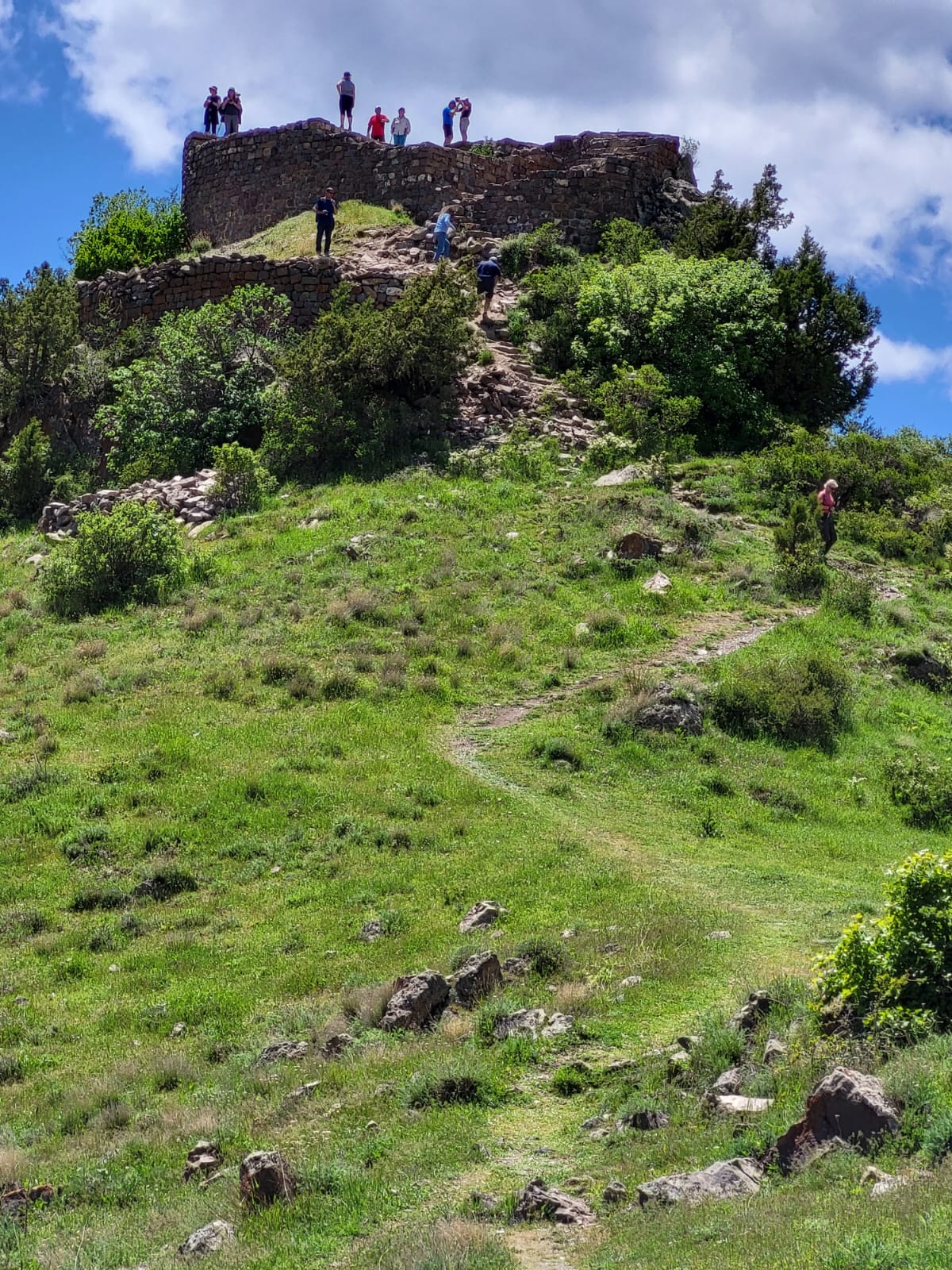
Proshaberd fortress, also known as Boloraberd, is a significant medieval stronghold constructed in the 13th century by Prince Prosh Khaghbakian. Located approximately 7 kilometres northeast of Vernashen in the Vayots Dzor Province of Armenia, this fortress occupies a strategic position about one kilometre east of the 14th-century Spitakavor Monastery, linking it closely with the region's religious and cultural heritage.

Historical context and significance

Proshaberd was built during the High Medieval period, a time characterized by the construction of numerous fortifications across Armenia to defend against frequent invasions and regional conflicts. The fortress was commissioned by Prince Prosh Khaghbakian, a member of the noble Proshian family, which played a prominent role in the political and military affairs of medieval Armenia. The fortress served both as a defensive bastion and a residence, reflecting the dual military and administrative functions typical of Armenian fortresses of the era.

Architectural features and layout

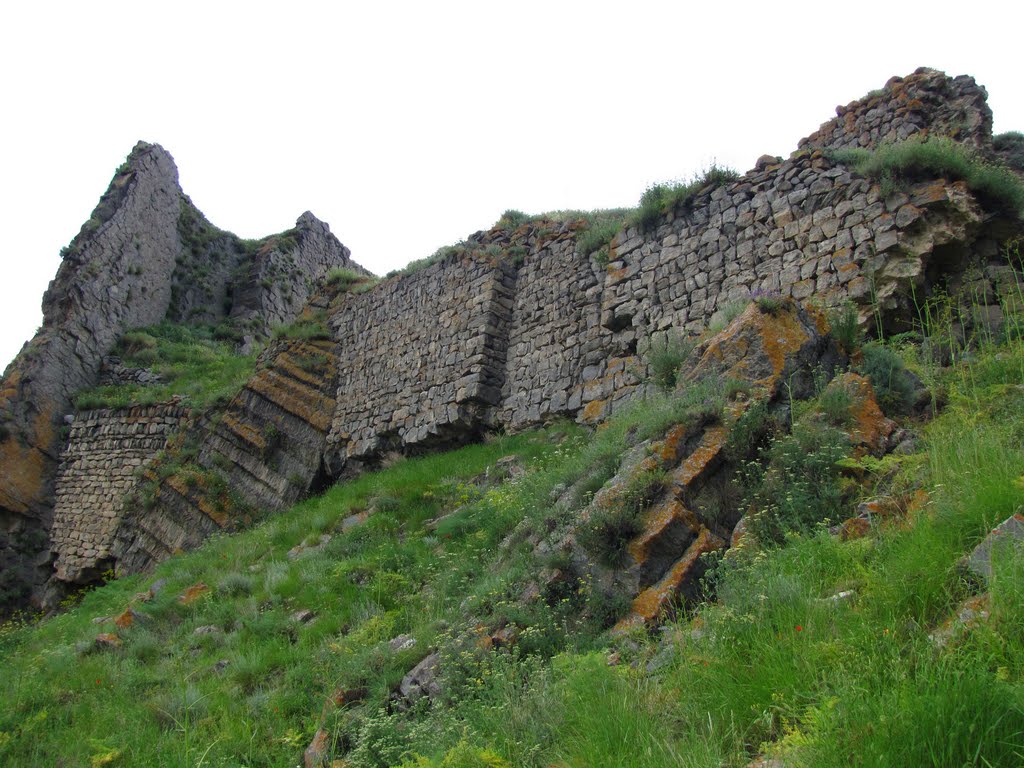
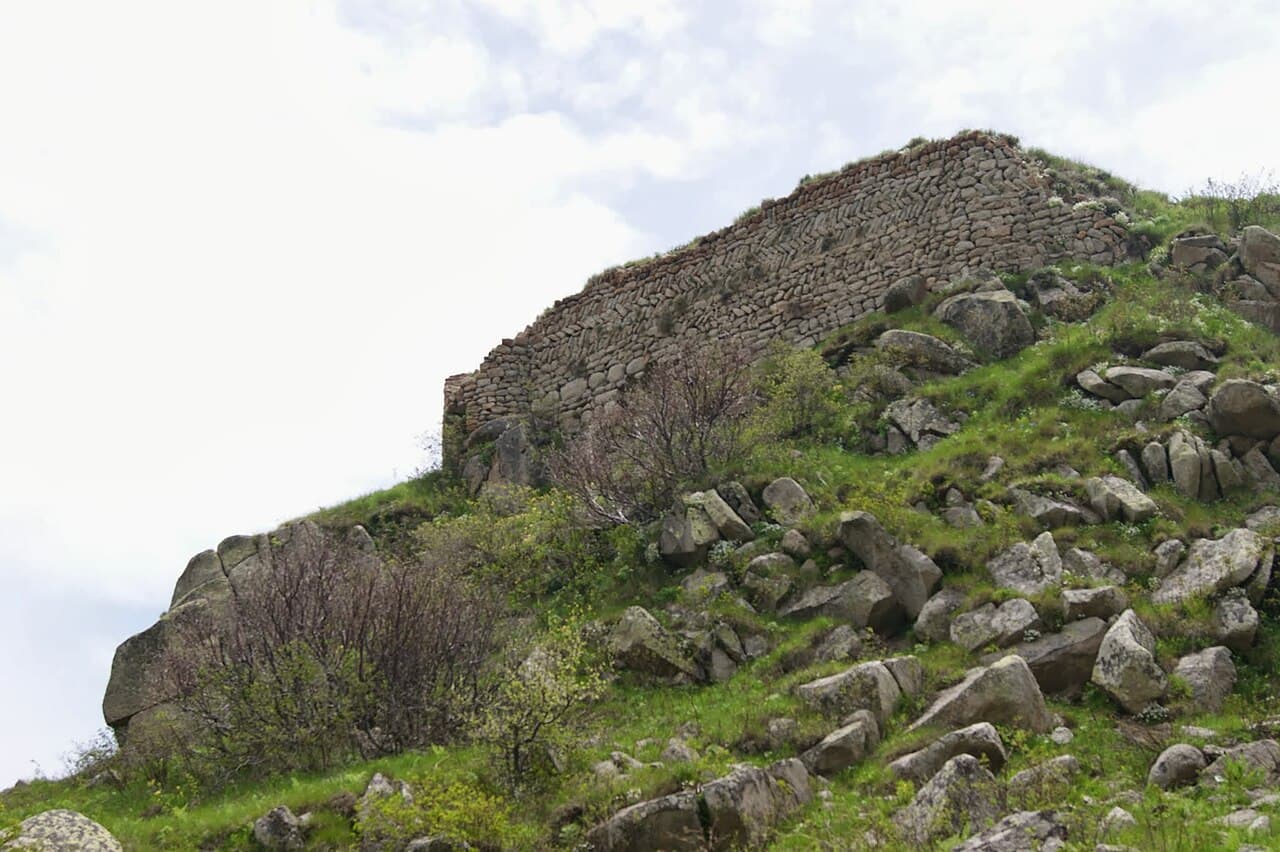
Proshaberd exemplifies the bastioned fortress type, featuring robust defensive walls reinforced with bastions designed to withstand siege warfare prevalent in the 13th century. The fortress is built on a rocky outcrop, utilizing the natural terrain to enhance its defensive capabilities. The walls are constructed of finely cut stone blocks, and the bastions project outward to provide overlapping fields of fire against attackers.

Defensive structures

The fortress includes multiple towers and bastions strategically placed along the perimeter walls. These structures provided vantage points for archers and artillery. The main gate is fortified with thick walls and possibly equipped with a portcullis, although specific details about gate mechanisms are limited. The design reflects an understanding of contemporary military architecture, blending local Armenian techniques with influences from neighboring regions.

Interior and auxiliary buildings

Within the fortress walls, remnants of residential quarters, storage rooms, and possibly a chapel have been identified. These internal structures supported the garrison and the noble family residing within. The proximity to the Spitakavor Monastery suggests that the fortress also had religious significance or at least close ties with monastic communities.

Strategic location and surrounding landscape

Situated in the mountainous terrain of Vayots Dzor, Proshaberd commands views over the surrounding valleys and routes, controlling access through the region. Its location northeast of Vernashen allowed it to oversee important trade and military paths. The nearby Spitakavor Monastery adds cultural and spiritual context to the site, indicating a landscape where defense, governance, and religion were interconnected.

Preservation and current condition

Today, Proshaberd stands as a partially preserved fortress, with substantial sections of its walls and bastions still visible. The site is an important cultural monument, attracting visitors interested in Armenian medieval architecture and history. Preservation efforts have focused on stabilizing the remaining structures to prevent further decay, though much of the interior buildings survive only as ruins.

Visiting Proshaberd

Visitors to Proshaberd can explore the fortress ruins and enjoy panoramic views of the surrounding landscape. The site is accessible from Vernashen and is often combined with visits to the nearby Spitakavor Monastery. While facilities at the site are limited, the fortress offers a compelling glimpse into Armenia's medieval defensive architecture and noble heritage.

Frequently asked questions about Proshaberd

  • When was Proshaberd built? Proshaberd was constructed in the 13th century during the High Medieval period by Prince Prosh Khaghbakian.
  • What type of fortress is Proshaberd? It is a bastioned fortress, designed with defensive walls and projecting bastions for military defense.
  • Where is Proshaberd located? The fortress is located in Vayots Dzor Province, about 7 kilometres northeast of Vernashen, Armenia.
  • Is Proshaberd open to visitors? Yes, visitors can explore the ruins, though there are limited facilities on-site.
  • What is the relationship between Proshaberd and Spitakavor Monastery? Proshaberd is situated about one kilometre east of the 14th-century Spitakavor Monastery, suggesting historical and cultural connections between the fortress and the monastic community.
  • What is the current condition of Proshaberd? The fortress is partially preserved, with significant walls and bastions still standing, though many interior buildings remain in ruins.

Frequently asked questions (FAQ)

What is the historical significance of Proshaberd Castle?
Proshaberd Castle, located in Armenia, dates back to the 10th century and served as a strategic fortress during the medieval period. It played a crucial role in the defense against invasions and is a testament to the architectural ingenuity of that era.
When was Proshaberd Castle built?
The construction of Proshaberd Castle began in the 10th century, specifically around the year 1000 AD. It was built during a time of political instability and served as a stronghold for various local rulers.
Can I visit Proshaberd Castle?
Yes, Proshaberd Castle is open to visitors. Guided tours are available, allowing you to explore the rich history and stunning architecture of the castle.
What are the opening hours for Proshaberd Castle?
Proshaberd Castle is typically open to visitors from 9 AM to 5 PM daily. However, it is advisable to check ahead for any seasonal changes in opening times.
Is it possible to access Proshaberd Castle by public transportation?
While public transportation options may be limited, visitors can reach Proshaberd Castle by taking a bus or taxi from nearby towns. It is recommended to plan your route in advance to ensure a smooth visit.
What is the best time to visit Proshaberd Castle?
The best time to visit Proshaberd Castle is during the spring and fall months when the weather is mild and the surrounding landscapes are particularly beautiful. This is also when tourist crowds are generally smaller.
Are there any nearby attractions to explore after visiting Proshaberd Castle?
Yes, nearby attractions include the beautiful landscapes of the Ararat Valley and several other historical sites like the ancient churches of the region. Exploring these sites can enhance your understanding of Armenia's rich cultural heritage.
What are the ticket prices for visiting Proshaberd Castle?
The entrance fee for Proshaberd Castle is quite affordable, generally around 1000 AMD for adults. Discounts may be available for students and children, but it’s best to check the latest information before your visit.

Photo gallery

Proshaberd
Click to view

Photo by Vahag851•CC BY-SA 3.0

1 photo • Click any image to view in full screen

Information

Bastioned Fortress

Loading map...

Visitor reviews

No reviews yet. Been here? Write the first review and help other travelers!

Write the first review

Visited this castle? Share your experience

Your review helps other travelers and adds first-hand knowledge to our encyclopedia.
Write a review

(5/5)

0/2000 characters

Your review will be visible after admin approval

Nearby castles

10.1 km
Ertij Fort — Armenia castle

Ertij Fort

, Armenia

Ertij Fort is a notable example of a 13th-century bastioned fortress located in the Vayots Dzor Province of Armenia. Perched strategically on a hill near the village of Arpi, the fort commands views over the surrounding landscape, including the gorge carved by the Arpa River. This location offered both natural defense and control over local routes during the high medieval period. Historical context and significance Constructed in the 13th century, Ertij Fort was built during a time of frequent regional conflicts and invasions in Armenia. The fort's design reflects the military architectural trends of the high medieval era, emphasizing fortified bastions and defensive walls to withstand sieges. The strategic position of Ertij Fort allowed it to serve as a defensive stronghold protecting the nearby settlements and trade routes that passed through the Arpa River gorge. Architectural features and layout Ertij Fort is classified as a bastioned fortress, a type of fortification that incorporates projecting bastions at its corners or intervals along the walls. These bastions provided defenders with overlapping fields of fire, covering the curtain walls and eliminating blind spots. The fortress likely features thick stone walls constructed from locally sourced materials, designed to resist artillery and infantry attacks common in the medieval period. The elevated position on a hill enhanced the fort's defensive capabilities, allowing surveillance of the surrounding terrain and early warning of approaching enemies. The layout probably includes a central courtyard, with residential and military buildings arranged within the fortified perimeter. The presence of a gatehouse or main entrance would have been fortified to control access. Relation to nearby landmarks Close to Ertij Fort is the cave shrine of Jrovank, situated within the Arpa River gorge. This religious site adds cultural and spiritual significance to the area surrounding the fortress. The proximity of the shrine suggests that the fort not only had military importance but also was part of a landscape with religious and community functions. Preservation and current condition Today, Ertij Fort remains a partially preserved medieval fortress. Although some sections of the walls and bastions survive, the structure has suffered from the effects of time and natural erosion. The fort's ruins offer valuable insights into medieval Armenian military architecture and the region's historical defensive strategies. Visitors to the site can explore the remnants of the fortress and enjoy panoramic views of the Vayots Dzor landscape. The site is accessible from the nearby village of Arpi, although facilities and detailed visitor information might be limited due to its remote location. Architectural and cultural importance Ertij Fort exemplifies the adaptation of medieval fortification techniques to the Armenian highland environment. Its bastioned design reflects the influence of contemporary military architecture, aimed at enhancing defensive firepower and structural resilience. The fort contributes to the understanding of Armenia's medieval history, particularly in the context of regional defense and settlement patterns. The combination of military and religious sites in close proximity highlights the intertwined nature of defense, community, and spirituality in medieval Armenian society. Ertij Fort remains a significant cultural heritage site within the Vayots Dzor Province, attracting historians, archaeologists, and visitors interested in Armenia's rich medieval past.

High Medieval (11th–13th c.)
Details
22.6 km
Smbataberd — Armenia castle

Smbataberd

, Armenia

Smbataberd fortress stands prominently on a hilltop between the villages of Artabuynk and Yeghegis in the Vayots Dzor Province of Armenia. This early medieval bastioned fortress is notable for its imposing basalt defensive walls that encircle the hill, offering commanding views of the surrounding landscape. While the exact date of its initial construction is debated, archaeological and historical evidence suggests origins possibly as early as the 5th century, though many scholars place its foundation between the 9th and 11th centuries. This period corresponds with the height of Armenian fortress-building activities during the medieval era. Historical significance and role in Syunik Smbataberd served as the principal stronghold for the Armenian princes of Syunik, a significant medieval Armenian province. The fortress's strategic location allowed it to function as a military bastion and administrative center during times when Yeghegis was the provincial capital. The fortress was integral to the defense system of Syunik against external invasions and internal conflicts. In the 13th century, the fortress underwent substantial expansion and fortification under the Orbelian dynasty, a powerful noble family that controlled the region. These enhancements included strengthening the bastions and walls to adapt to evolving military technologies and threats. The Orbelians' contributions are evident in the fortress's architectural complexity and improved defensive capabilities. Architectural features and layout The fortress is characterized by its massive basalt walls, which have been remarkably well preserved despite centuries of exposure to natural elements and historical conflicts. These walls form a bastioned perimeter, a defensive design that allowed defenders to cover all approaches with overlapping fields of fire. The use of basalt, a durable volcanic stone, contributed to the fortress's longevity. Inside the fortress, fewer structural remains survive, but traces of residential quarters, storage facilities, and military installations have been identified. The layout suggests a self-sufficient fortress capable of withstanding prolonged sieges. The elevated position provided natural defense advantages, with steep slopes on several sides complicating enemy assaults. Defensive bastions and walls The bastions are strategically placed to cover vulnerable points along the perimeter. Their design reflects medieval Armenian military architecture, which emphasized robust construction and tactical placement. The walls incorporate narrow slits and embrasures for archers and later firearms, allowing defenders to repel attackers effectively. Access points and gates The fortress features a limited number of entrances, designed to be easily defensible. The main gate was likely reinforced with heavy wooden doors and metal fittings. Secondary postern gates may have existed for strategic sorties or communication with nearby settlements. Preservation and current status Today, Smbataberd is recognized as a well-preserved early medieval fortress and serves as a significant cultural and historical monument in Armenia. Its bastioned walls remain largely intact, attracting tourists and researchers interested in Armenian medieval fortifications. While the interior structures are less complete, ongoing archaeological efforts continue to reveal insights into its past. The fortress's location in the scenic Vayots Dzor region adds to its appeal, combining natural beauty with historical depth. Visitors can explore the site, appreciating the fortress's imposing silhouette against the rugged landscape and gaining an understanding of medieval Armenian defensive architecture. Visiting Smbataberd The site is accessible from the nearby villages of Artabuynk and Yeghegis, with hiking paths leading up to the fortress. Due to its elevated position, visitors should be prepared for a moderately challenging ascent. The fortress is open to the public year-round, with the best visiting seasons in spring and autumn when weather conditions are favorable. Interpretive signage and local guides provide historical context, enhancing the visitor experience. The fortress's remote location means amenities are limited, so visitors should plan accordingly. Nearby attractions include other medieval Armenian monuments and natural features of Vayots Dzor.

Early Medieval (5th–10th c.)
Details
69.4 km
Vorotnaberd — Armenia castle

Vorotnaberd

, Armenia

Vorotnaberd, also known as Davit Bek's Castle, is a significant early medieval bastioned fortress located in the Syunik Province of Armenia. Perched at an altitude of 1,365 metres (4,478 feet) above sea level, it commands a strategic position on a ridge overlooking the Vorotan gorge, between the villages of Vaghatin and Vorotan. This fortress exemplifies the military architecture of its time and has played a key role in the region's defense throughout history. Historical significance and origins Vorotnaberd dates back to the 5th century, placing it firmly within the early medieval period of Armenian history. It is believed to have been constructed as a defensive stronghold to protect the surrounding territories from invasions and raids. The fortress is associated with Davit Bek, a prominent Armenian military leader of the 18th century who led resistance efforts against Ottoman and Persian forces. Although the original construction predates his time by over a millennium, the castle's later association with Davit Bek highlights its continued strategic importance. Architectural features and design The fortress is classified as a bastioned fortress, a style characterized by projecting bastions that allowed defenders to cover adjacent walls with defensive fire. Vorotnaberd's design takes advantage of the natural topography, with its walls and bastions following the contours of the ridge and steep slopes of the gorge below. This positioning provided a formidable defense against attackers attempting to scale the heights. The fortress walls are constructed from locally sourced stone, typical of Armenian fortifications, and include thick ramparts and towers that would have housed guards and artillery. The entrance is fortified with a gatehouse designed to control access securely. Within the fortress, there are remnants of residential quarters, storage rooms, and possibly a chapel, indicating it was not only a military installation but also a place of refuge and habitation. Defensive advantages Vorotnaberd's location on a ridge above the Vorotan gorge gave it natural defenses, with steep cliffs making direct assault difficult. The bastions allowed crossfire coverage, reducing blind spots and increasing the fortress's ability to repel sieges. The elevation also provided excellent visibility over the surrounding landscape, enabling early detection of enemy movements. Cultural and regional importance The fortress holds cultural significance as a symbol of Armenian resilience and military ingenuity. It is part of the broader network of fortifications in the Syunik region, which historically was a contested borderland between various empires. Vorotnaberd's endurance through centuries reflects the turbulent history of Armenia and its strategic importance in the South Caucasus. Current condition and accessibility Today, Vorotnaberd stands as partially preserved ruins. While much of the fortress remains intact, some sections have deteriorated due to natural erosion and lack of comprehensive restoration. The site is accessible to visitors who wish to explore its historical remains and enjoy panoramic views of the Vorotan gorge. Its remote location means that access may require a hike, and visitors should be prepared for rugged terrain. Visitor information Though there are no formal facilities or guided tours regularly available, the fortress attracts history enthusiasts and hikers interested in Armenia's medieval heritage. The best time to visit is during the warmer months when the weather is favorable for outdoor exploration.

Early Medieval (5th–10th c.)
Details