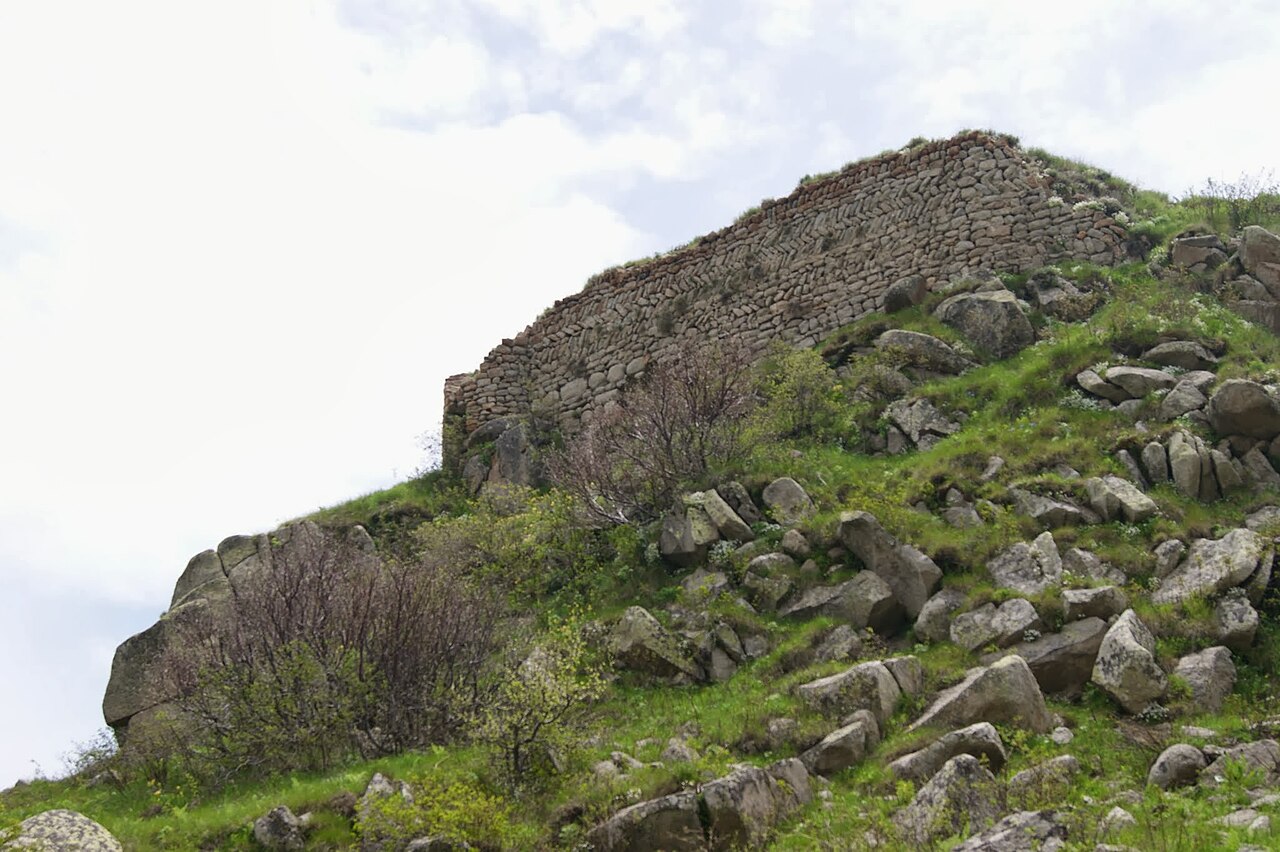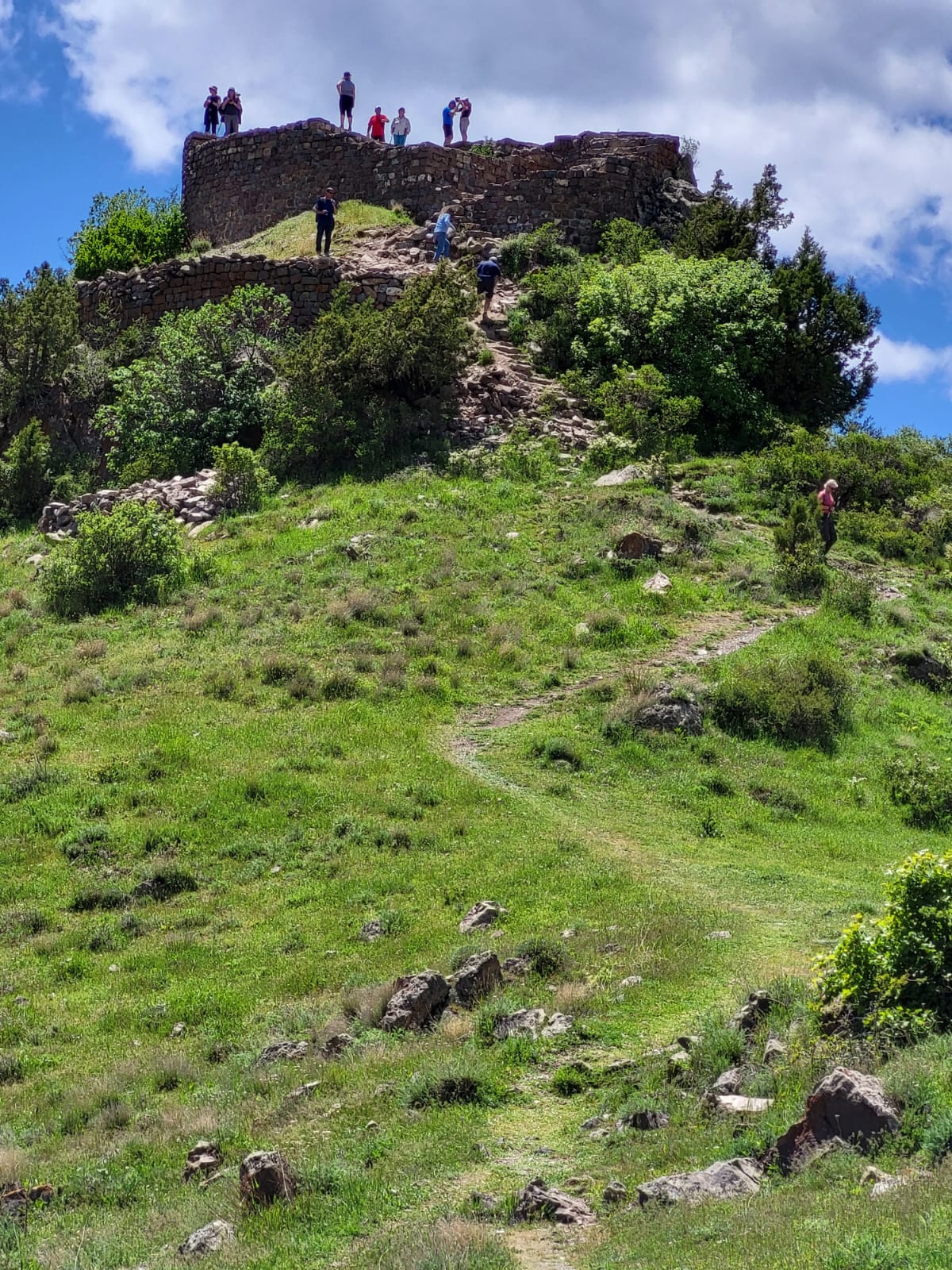
Ertij Fort is a notable example of a 13th-century bastioned fortress located in the Vayots Dzor Province of Armenia. Perched strategically on a hill near the village of Arpi, the fort commands views over the surrounding landscape, including the gorge carved by the Arpa River. This location offered both natural defense and control over local routes during the high medieval period.
Historical context and significance
Constructed in the 13th century, Ertij Fort was built during a time of frequent regional conflicts and invasions in Armenia. The fort's design reflects the military architectural trends of the high medieval era, emphasizing fortified bastions and defensive walls to withstand sieges. The strategic position of Ertij Fort allowed it to serve as a defensive stronghold protecting the nearby settlements and trade routes that passed through the Arpa River gorge.
Architectural features and layout
Ertij Fort is classified as a bastioned fortress, a type of fortification that incorporates projecting bastions at its corners or intervals along the walls. These bastions provided defenders with overlapping fields of fire, covering the curtain walls and eliminating blind spots. The fortress likely features thick stone walls constructed from locally sourced materials, designed to resist artillery and infantry attacks common in the medieval period.
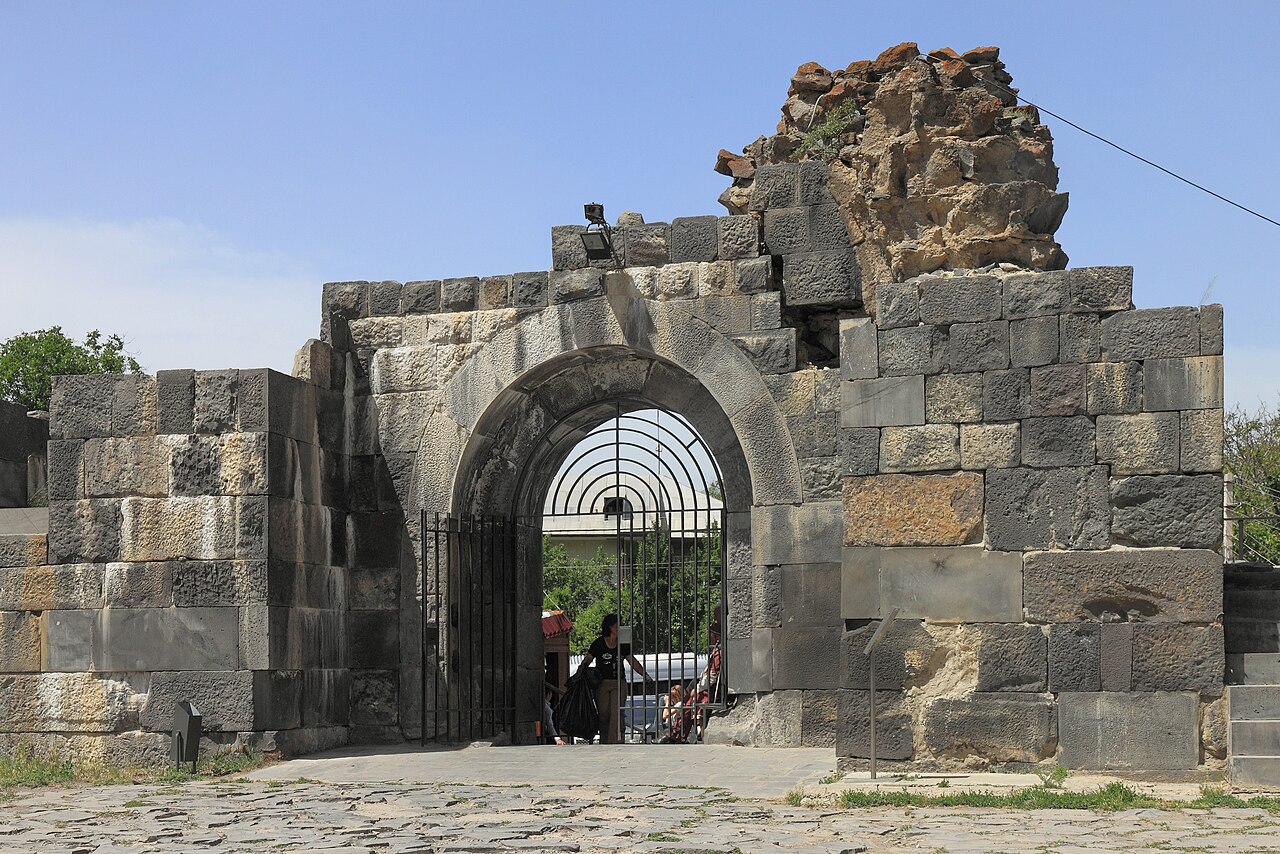
The elevated position on a hill enhanced the fort's defensive capabilities, allowing surveillance of the surrounding terrain and early warning of approaching enemies. The layout probably includes a central courtyard, with residential and military buildings arranged within the fortified perimeter. The presence of a gatehouse or main entrance would have been fortified to control access.
Relation to nearby landmarks
Close to Ertij Fort is the cave shrine of Jrovank, situated within the Arpa River gorge. This religious site adds cultural and spiritual significance to the area surrounding the fortress. The proximity of the shrine suggests that the fort not only had military importance but also was part of a landscape with religious and community functions.
Preservation and current condition
Today, Ertij Fort remains a partially preserved medieval fortress. Although some sections of the walls and bastions survive, the structure has suffered from the effects of time and natural erosion. The fort's ruins offer valuable insights into medieval Armenian military architecture and the region's historical defensive strategies.
Visitors to the site can explore the remnants of the fortress and enjoy panoramic views of the Vayots Dzor landscape. The site is accessible from the nearby village of Arpi, although facilities and detailed visitor information might be limited due to its remote location.
Architectural and cultural importance
Ertij Fort exemplifies the adaptation of medieval fortification techniques to the Armenian highland environment. Its bastioned design reflects the influence of contemporary military architecture, aimed at enhancing defensive firepower and structural resilience. The fort contributes to the understanding of Armenia's medieval history, particularly in the context of regional defense and settlement patterns.
The combination of military and religious sites in close proximity highlights the intertwined nature of defense, community, and spirituality in medieval Armenian society. Ertij Fort remains a significant cultural heritage site within the Vayots Dzor Province, attracting historians, archaeologists, and visitors interested in Armenia's rich medieval past.
Frequently asked questions (FAQ)
- How do I get to Ertij Fort from the nearest village?
- Ertij Fort is accessible by a hike or drive from the nearby village of Arpi in Vayots Dzor Province. Visitors should prepare for a rural route with limited signage and facilities.
- What is the historical significance of Ertij Fort?
- Ertij Fort was built in the 13th century as a bastioned fortress to protect local settlements and control trade routes through the Arpa River gorge during the high medieval period.
- Can I visit the cave shrine of Jrovank near Ertij Fort?
- Yes, the cave shrine of Jrovank is located nearby in the Arpa River gorge and can be visited in conjunction with a trip to Ertij Fort, offering a combined cultural and historical experience.
- What architectural features define Ertij Fort?
- Ertij Fort is characterized by its bastioned defensive walls, thick stone construction, and strategic hilltop location, typical of high medieval Armenian military architecture.
- Is Ertij Fort suitable for family visits?
- Due to its partially preserved condition and remote location, Ertij Fort is best suited for visitors who are comfortable with outdoor exploration and hiking. Families with young children should take precautions.
Photo gallery

Information
Loading map...
Visitor reviews
No reviews yet. Been here? Write the first review and help other travelers!
Write the first reviewVisited this castle? Share your experience
Your review helps other travelers and adds first-hand knowledge to our encyclopedia.