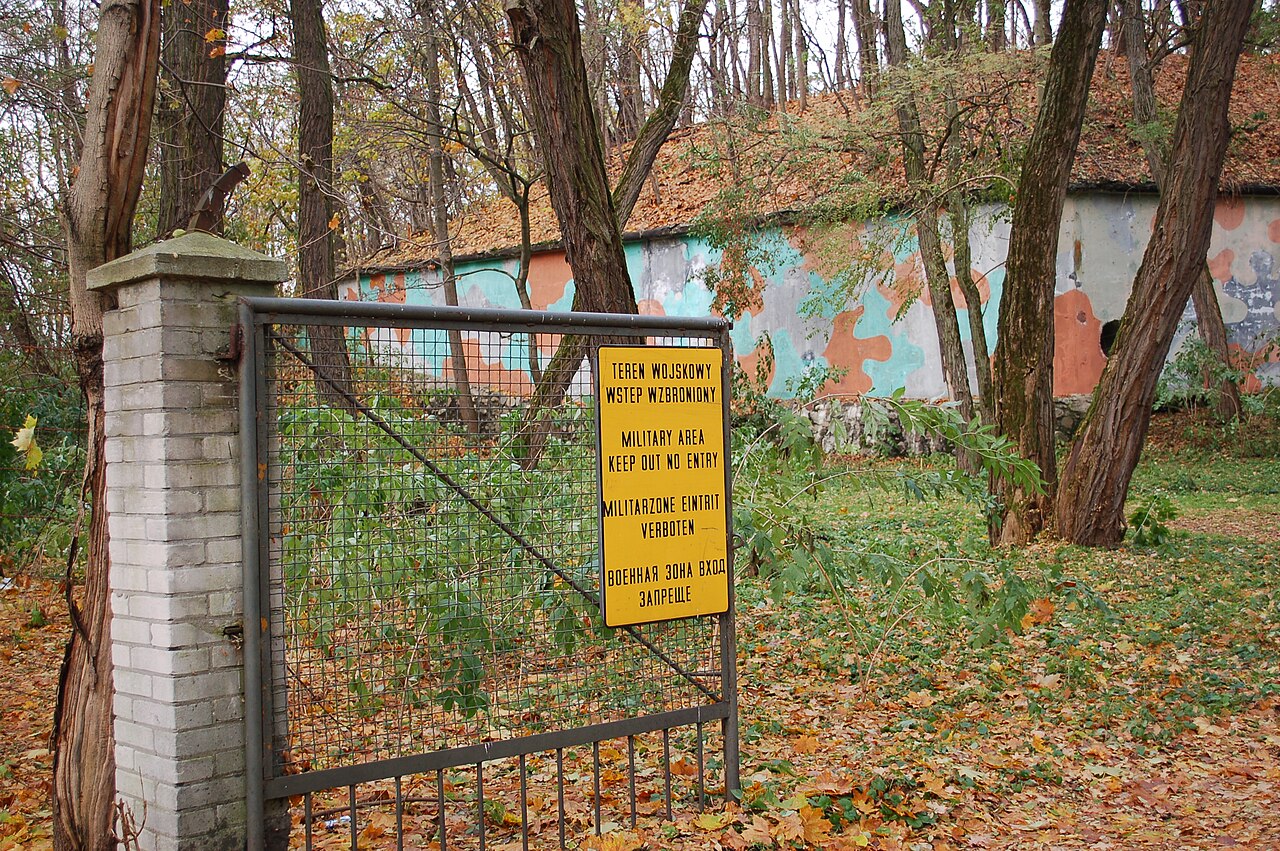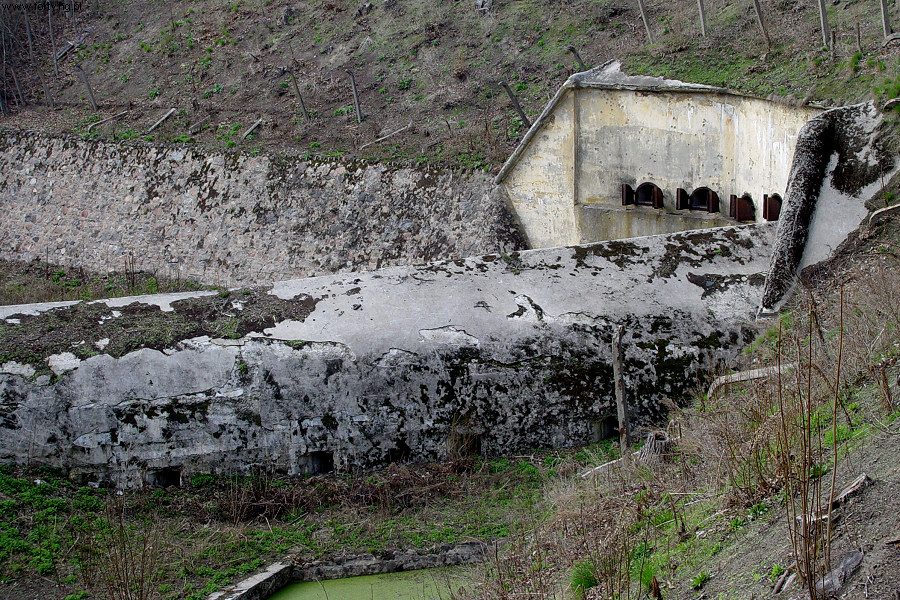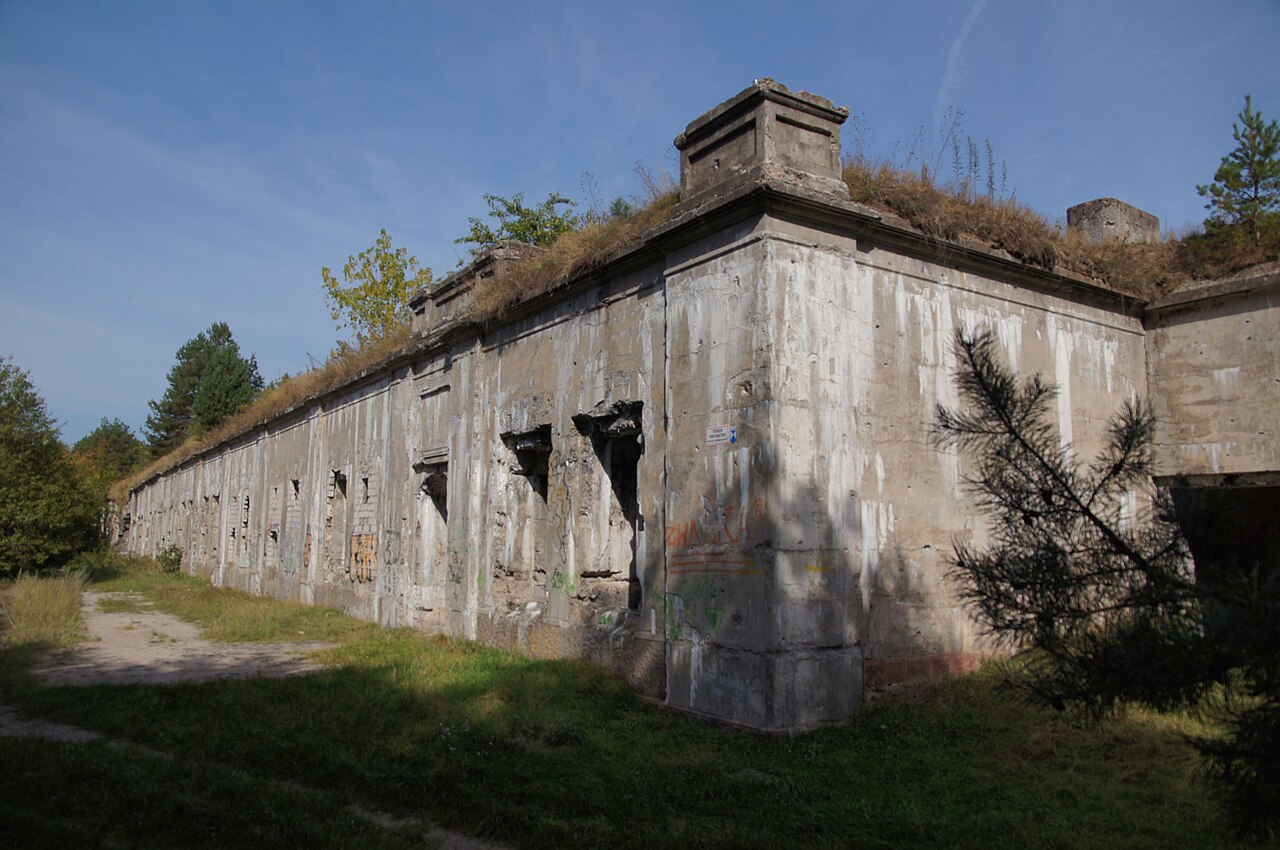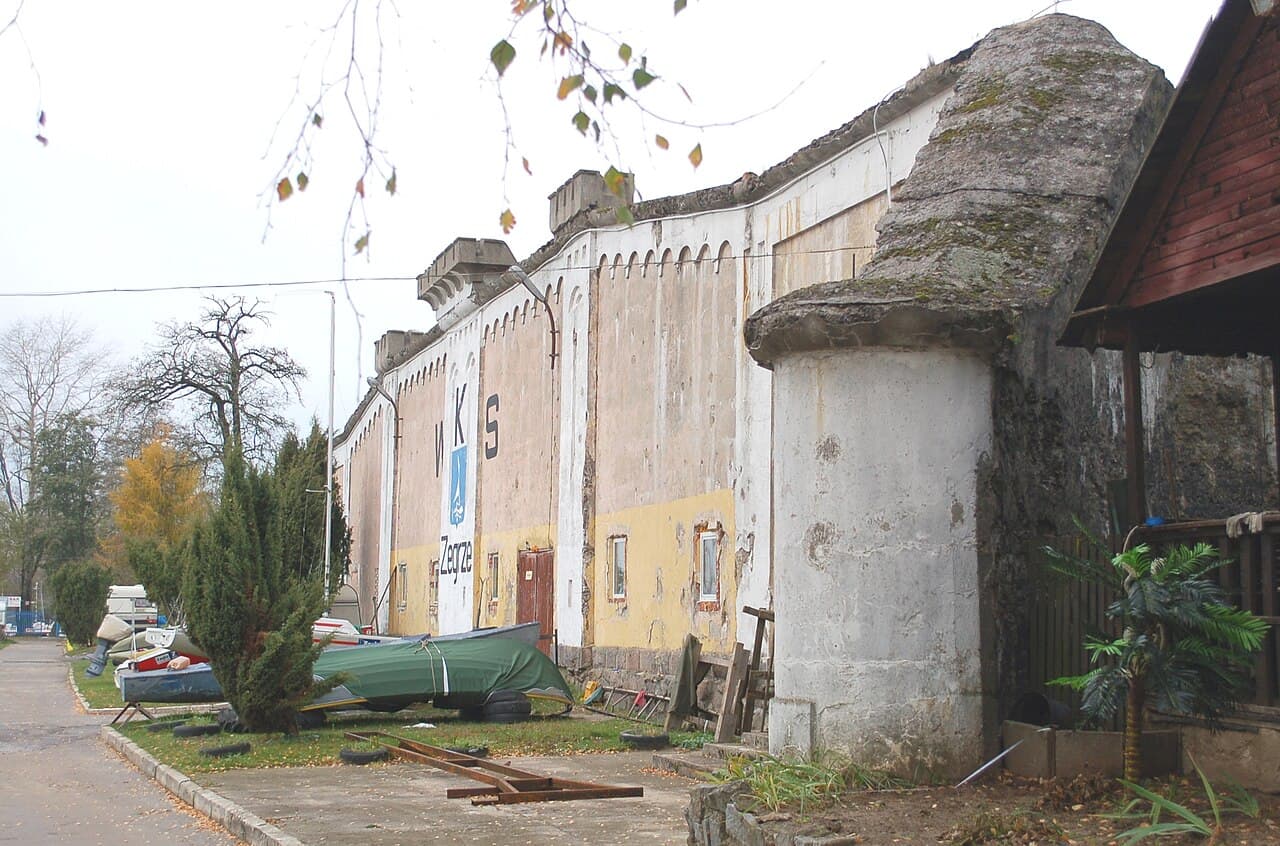
The Small Fort of Zegrze Fortress is a notable example of a bastioned fortress located in Poland, constructed in the 19th century as part of a broader network of fortifications. This type of fortress is characterized by its angular bastions designed to provide overlapping fields of fire, a defensive innovation that emerged in response to advances in artillery technology during the early modern period.
Historical context and construction
The Small Fort of Zegrze Fortress was built in the mid to late 1800s, during a period when Poland was under partitions and various powers sought to strengthen their military positions. The fortress was part of a larger defensive system intended to protect strategic locations and control key routes. Its construction reflects the military architectural trends of the post-medieval era, specifically the bastioned fortress style that was widely adopted across Europe.
The fortress's design incorporates thick walls and earthworks to absorb artillery fire, with angular bastions allowing defenders to cover adjacent walls with gunfire, minimizing blind spots. This design was crucial in providing a strong defensive perimeter against sieges.
Architectural features
The Small Fort of Zegrze includes several key architectural elements typical of bastioned fortresses. The bastions themselves are prominent, projecting outward from the main walls to enable defenders to fire along the faces of the walls and prevent attackers from approaching unseen.
The fortress likely features a ditch or moat surrounding the walls, which would have served as an additional obstacle to enemy forces. The walls are constructed using durable materials suited to withstand bombardment, possibly including brick and stone, combined with earthen ramparts.
Inside the fortress, there would have been casemates or covered gun emplacements, barracks for troops, and storage facilities for ammunition and supplies. The layout is typically compact but efficient, designed to maximize defensive capabilities while accommodating the needs of the garrison.
Military significance and usage
During its operational period, the Small Fort of Zegrze Fortress served as a strategic military installation. It was intended to delay or repel enemy advances and protect vital infrastructure or population centers in the region. The fortress's design reflects the military doctrines of its time, emphasizing strong static defense supported by artillery.
While specific battles or sieges involving the fortress are not well-documented, its presence contributed to the overall defensive posture of the area. The fortress would have been manned by a garrison trained in artillery and infantry tactics relevant to the late 19th and early 20th centuries.
Current condition and preservation
The current condition of the Small Fort of Zegrze Fortress is not extensively documented, but like many similar fortifications, it may exist in a state ranging from partially preserved to ruins. Such fortresses often face challenges related to preservation due to their size, construction materials, and changing land use.
Efforts to maintain or restore bastioned fortresses in Poland vary, with some sites being protected as cultural heritage monuments. The Small Fort of Zegrze may be accessible to visitors interested in military history and fortification architecture, though detailed visitor information is not widely available.
Architectural and cultural importance
The Small Fort of Zegrze Fortress represents an important phase in the evolution of military architecture, illustrating how fortifications adapted to new technologies and warfare tactics in the 19th century. Its bastioned design reflects a transitional period between medieval castles and modern fortresses.
As part of Poland's historical military landscape, the fortress contributes to understanding regional defense strategies during a complex period of political change. It offers insight into the engineering and strategic thinking of the time, making it a valuable subject for historians and enthusiasts of military architecture.
Frequently asked questions (FAQ)
- What is the historical significance of the Small Fort of Zegrze Fortress?
- The Small Fort of Zegrze Fortress, built in the 19th century, played a crucial role in the defense of Warsaw during various conflicts. Its strategic location allowed it to oversee the approaches to the capital, making it an important military installation in Polish history.
- When was the Small Fort of Zegrze Fortress constructed?
- Construction of the Small Fort of Zegrze Fortress began in the 1880s and was completed in 1887. It was part of a series of fortifications built to protect Warsaw from potential invasions.
- What are the opening hours for visiting the Small Fort of Zegrze Fortress?
- The Small Fort of Zegrze Fortress is typically open to visitors from 10 AM to 6 PM, but hours may vary depending on the season. It is advisable to check the official website or local resources for the most accurate information before planning your visit.
- Can I access the Small Fort of Zegrze Fortress with public transportation?
- Yes, the fortress is accessible via public transportation, with several bus routes servicing the area. Visitors can also consider local taxis or ride-sharing services to reach the site conveniently.
- Is it possible to take guided tours of the Small Fort of Zegrze Fortress?
- Yes, guided tours are available and offer a deeper insight into the fortress's history and architecture. These tours are typically conducted by knowledgeable local historians and can enhance your overall experience.
- What is the best time to visit the Small Fort of Zegrze Fortress?
- The best time to visit the Small Fort of Zegrze Fortress is during the spring and early autumn months when the weather is pleasant. Visiting during these times allows for a more enjoyable exploration of the grounds and surrounding nature.
- Are there any nearby attractions to visit along with the Small Fort of Zegrze Fortress?
- Yes, there are several nearby attractions, including the Zegrze Reservoir, which offers opportunities for water sports and relaxation. Additionally, the surrounding area has beautiful parks and trails for outdoor enthusiasts.
- What are the ticket prices to enter the Small Fort of Zegrze Fortress?
- Tickets for the Small Fort of Zegrze Fortress are generally affordable, with discounts available for students and seniors. Pricing may vary for guided tours, so it's best to check the official site for the latest ticket information.
- How do I prepare for my visit to the Small Fort of Zegrze Fortress?
- To prepare for your visit, consider wearing comfortable shoes, as the fortress has uneven terrain and several steps. Bringing a camera is also recommended to capture the stunning views and historical architecture.
Photo gallery

Information
Loading map...
Visitor reviews
No reviews yet. Been here? Write the first review and help other travelers!
Write the first reviewVisited this castle? Share your experience
Your review helps other travelers and adds first-hand knowledge to our encyclopedia.