Big Fort of Zegrze Fortress
Historical context and strategic importance
The Big Fort of Zegrze was built during a period when fortification design had to adapt to advances in artillery technology. Its construction reflects the military engineering principles of the post-Napoleonic era, particularly in the mid to late 1800s. The fortress was intended to serve as a key defensive stronghold in the region, controlling important routes and providing a fortified base for troops.
Located in Poland, the fortress was part of the broader network of fortifications that aimed to secure borders and important urban centers. The exact city location is not widely documented, but the fortress's design and scale indicate its role as a major military installation rather than a small local fortification.
Architectural features and design
The fortress exhibits the classic characteristics of a bastioned fortress, including star-shaped bastions that project outward from the main walls, allowing defenders to cover adjacent walls with gunfire. This design reduced blind spots and enhanced the fortress's defensive capabilities against siege artillery.
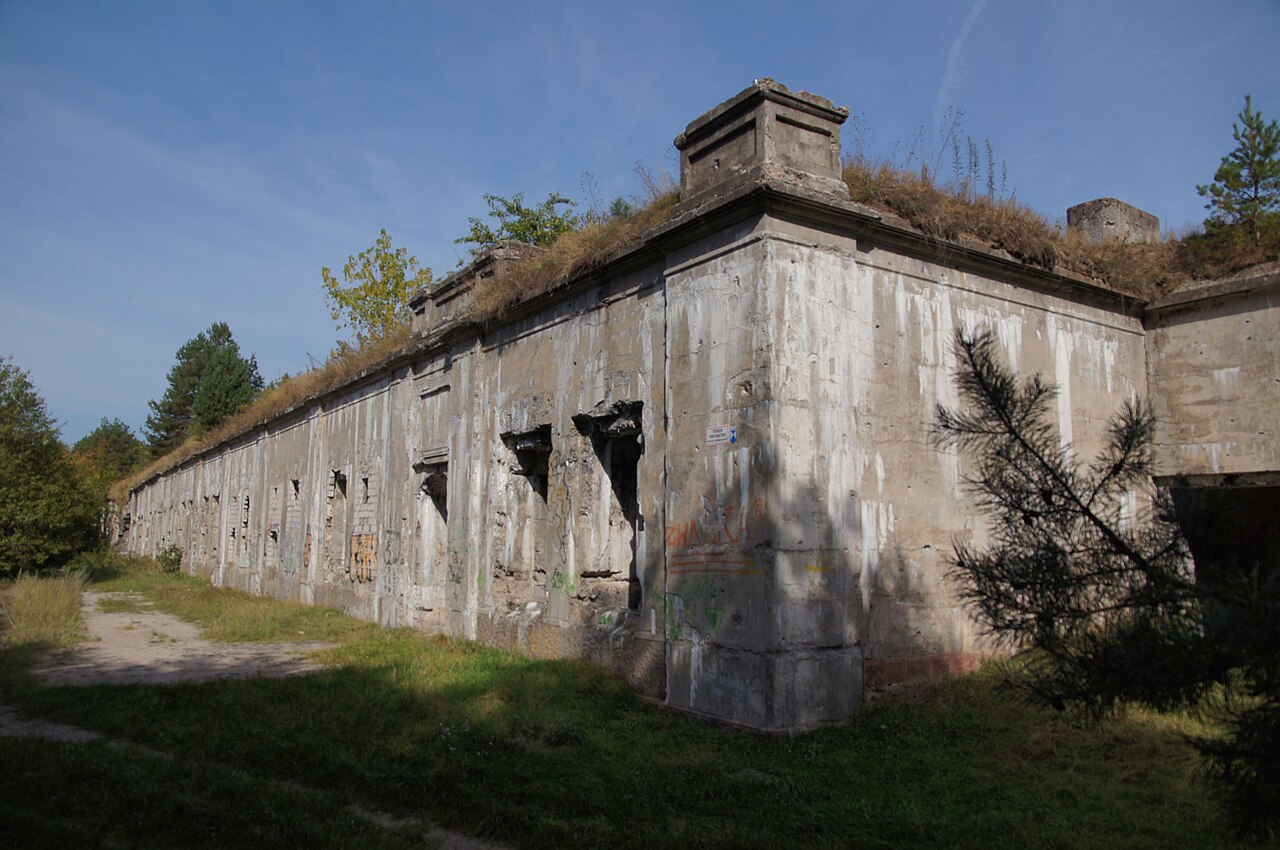
Thick curtain walls connect the bastions, constructed to absorb and deflect cannon fire. The walls were typically built with layers of brick and stone, sometimes backed by earthworks to further strengthen them against bombardment.
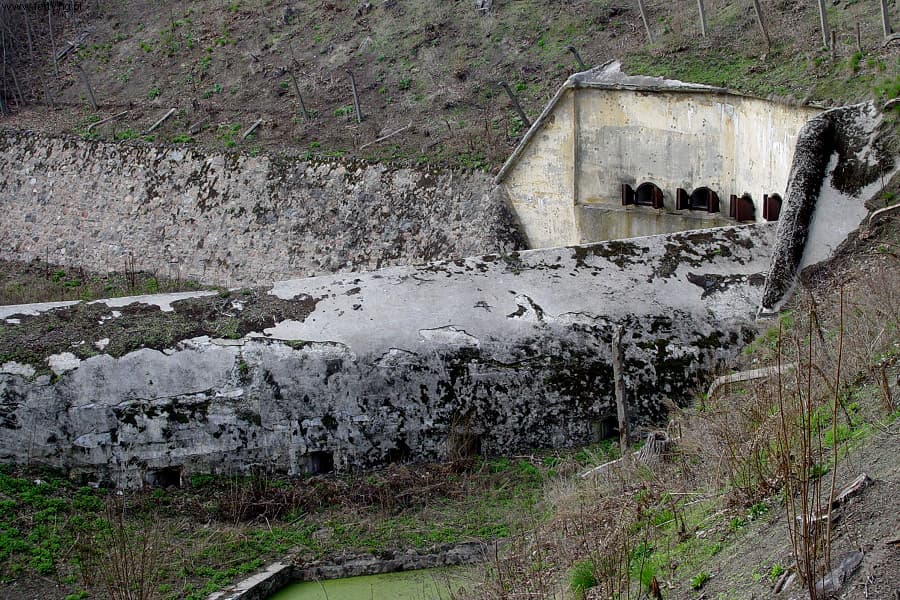
Within the fortress, there would have been casemates, magazines, and barracks to support the garrison. Defensive ditches or moats likely surrounded the fortress, adding an additional obstacle for attackers.
Defensive bastions and artillery placements
The bastions were designed to house artillery pieces, enabling defenders to fire upon approaching enemies from multiple angles. The angular shape of the bastions allowed overlapping fields of fire, a key tactical advantage in fortress defense.
Internal structures and facilities
Inside the fortress, facilities were arranged to support sustained military operations. This included storage for ammunition, living quarters for soldiers, command posts, and possibly underground tunnels or passages for secure movement within the fortress during sieges.
Preservation and current condition
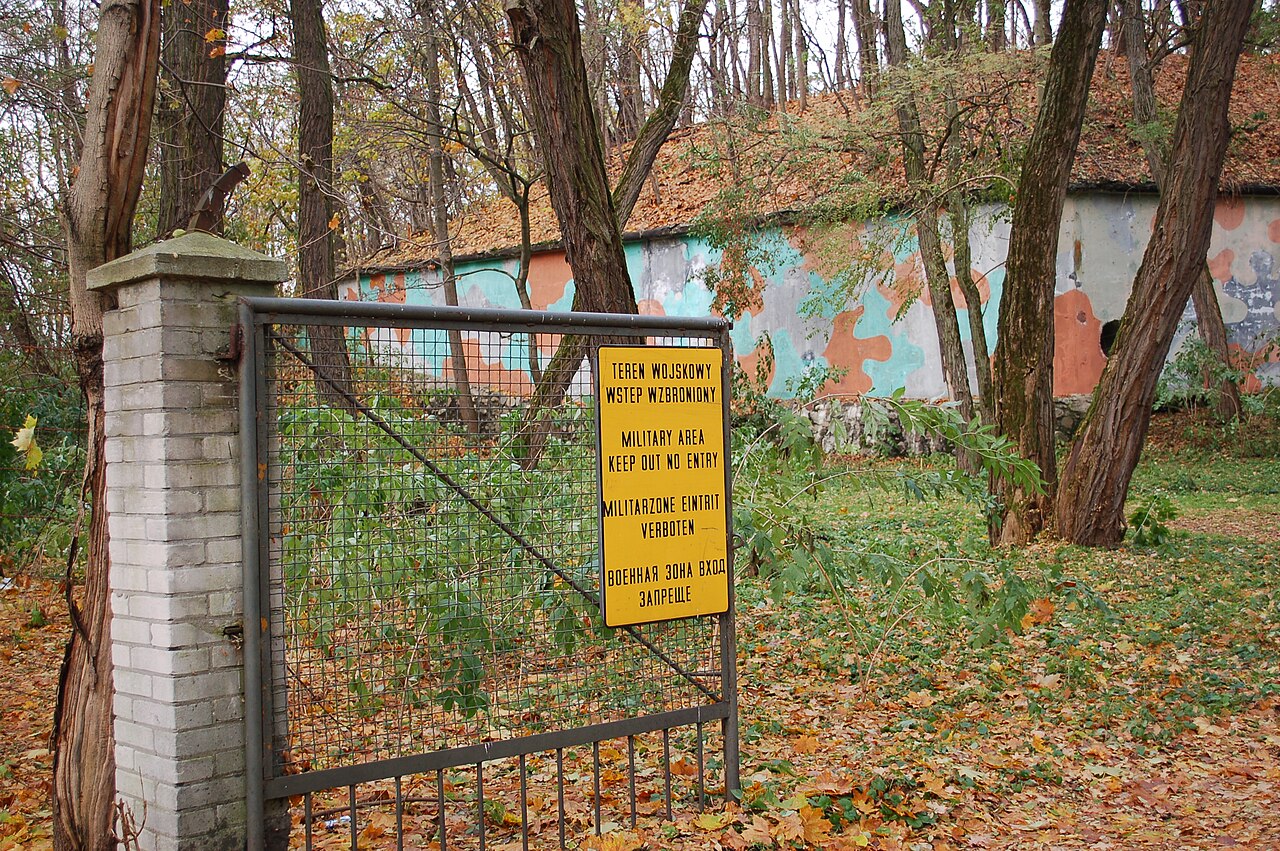
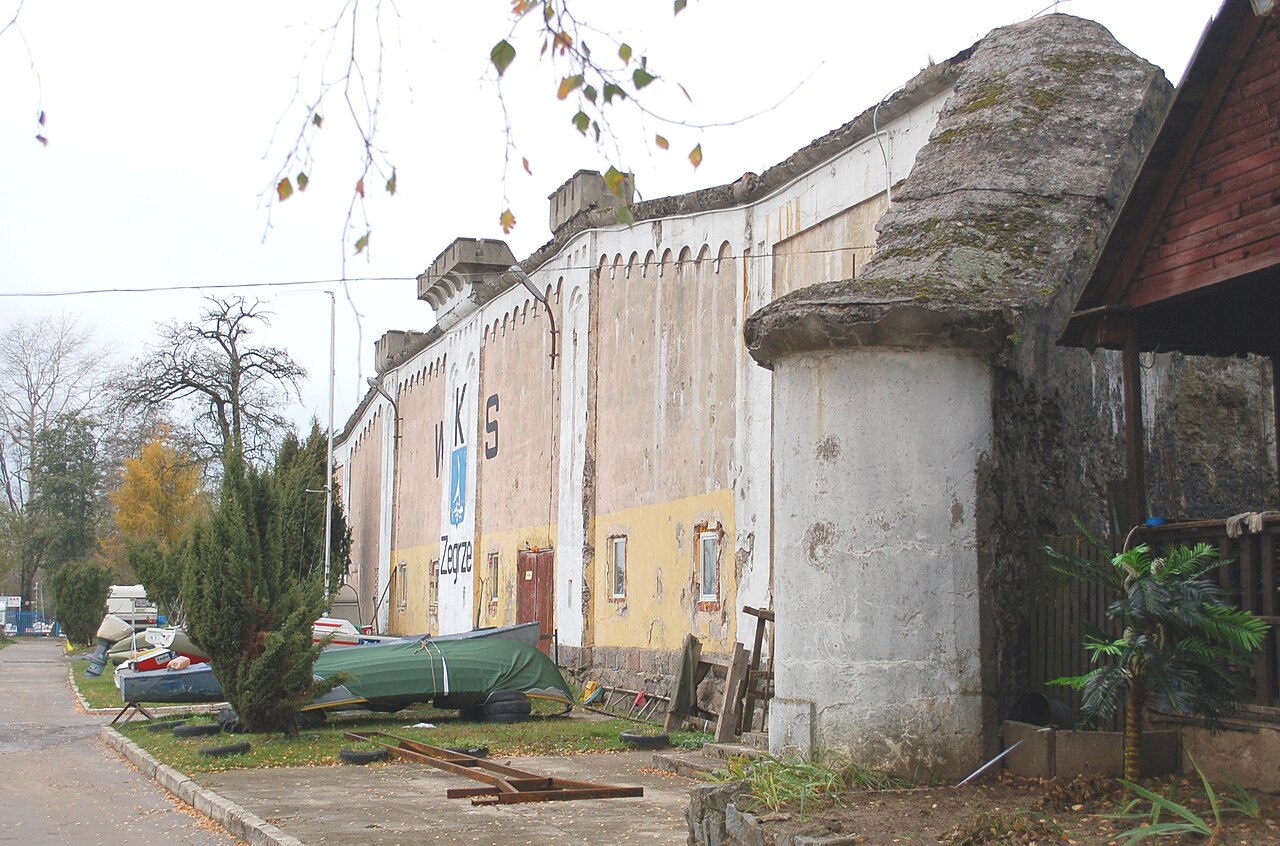
The Big Fort of Zegrze Fortress is currently classified as a partially preserved military structure. Over time, parts of the fortress have suffered from neglect and natural decay, but significant portions of the walls and bastions remain intact, providing valuable insight into 19th-century military architecture.
Efforts have been made to maintain the site, although it is not fully restored. The fortress stands as a historical monument reflecting Poland's military heritage and the evolution of fortress design in response to changing warfare technology.
Visiting the fortress
While specific visiting hours and ticket information are not widely published, the site attracts history enthusiasts and scholars interested in military fortifications. Visitors can explore the remaining structures and gain an understanding of the strategic importance of bastioned fortresses in the 19th century.
The fortress's location in Poland makes it accessible for those interested in European military history and architecture. It offers a tangible connection to the defensive strategies employed during a transformative period in fortification design.
Frequently asked questions (FAQ)
- What is the historical significance of the Big Fort of Zegrze Fortress?
- The Big Fort of Zegrze Fortress is significant as a 19th-century bastioned fortress reflecting advances in military architecture and artillery defense strategies.
- Can visitors explore the Big Fort of Zegrze Fortress?
- Yes, visitors can explore the partially preserved structures of the fortress, though specific visiting hours and ticket information are not widely published.
- What are the key architectural features of the fortress?
- Key features include star-shaped bastions, thick curtain walls, casemates, and artillery placements designed for overlapping fields of fire.
Photo gallery

Information
Loading map...
Visitor reviews
No reviews yet. Been here? Write the first review and help other travelers!
Write the first reviewVisited this castle? Share your experience
Your review helps other travelers and adds first-hand knowledge to our encyclopedia.