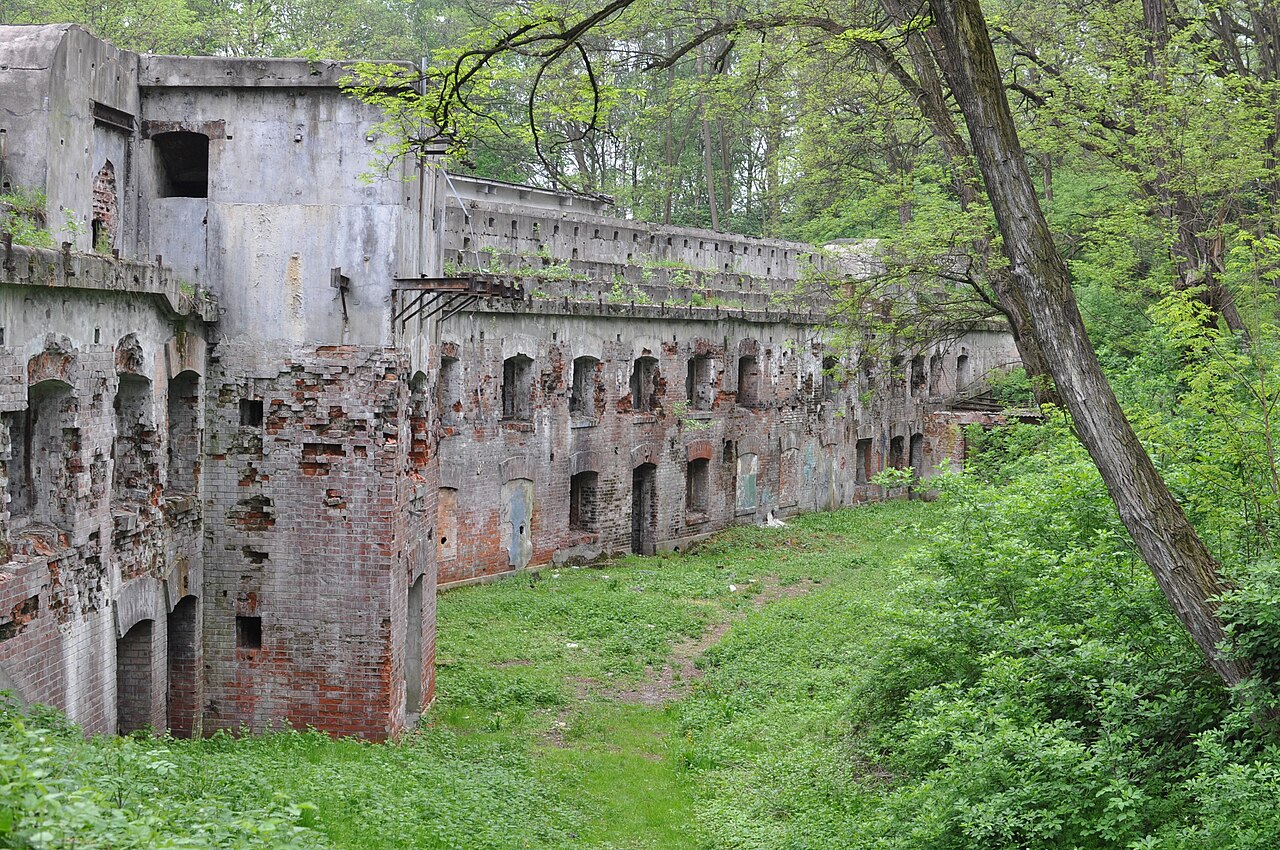
Skawina castle is a historically significant fortress located in Skawina, Poland. Although now existing only as ruins, the site offers valuable insights into medieval fortifications and the region's history. According to the chronicles of Jan Długosz and Janko z Czarnkowa, the castle was originally constructed under the reign of King Casimir III the Great in the 14th century, near the town of Skawina. This strategic location was likely chosen due to its proximity to a customs chamber on the Skawinka River, which played a role in controlling trade and collecting tolls during the medieval period.
Historical context and ownership
The castle served as a seat for local administrators, known as the wójtów of Skawina, after the town passed into the ownership of the Tyniec Abbey following the death of King Casimir III. This transition reflects the common medieval practice of ecclesiastical institutions acquiring territorial control and administrative responsibilities. Over time, the castle's military and administrative importance diminished, leading to its decline.
Architectural features and layout
Archaeological excavations conducted in 1958 near a local school uncovered fragments of walls dating back to the 14th century. These findings, though limited, suggest that the castle was designed as a quadrilateral fortress with a prominent polygonal tower positioned at the southwest corner. Along the western curtain wall, there was likely a residential building serving the castle's inhabitants. The castle's defensive structures would have included thick stone walls and possibly bastions, typical of medieval fortifications designed to withstand sieges and control the surrounding territory.
Bastioned fortress characteristics
While the existing records and archaeological evidence are sparse, the classification of Skawina castle as a bastioned fortress aligns with the defensive architectural trends of the period. Bastions allowed for improved angles of fire and better protection against artillery, which became increasingly important in the late medieval and Renaissance eras. However, given the castle's probable construction in the 14th century and its decline by the late 17th century, it may have undergone modifications to adapt to evolving military technologies.
Decline and current condition
By the late 17th century, historical sources indicate that the castle was already in a state of ruin. Its strategic and administrative functions had ceased, and it eventually fell into disuse. In the early 18th century, the remaining structures were dismantled, leaving only archaeological traces. Today, the site is recognized as an important archaeological ruin, providing scholars and visitors a glimpse into the medieval fortifications of the region.
Archaeological significance and preservation
The discovery of the castle's foundations and wall fragments has been crucial in piecing together the history of Skawina and its fortifications. Although the castle no longer stands above ground, the site continues to be a focus for archaeological study, helping to illuminate the architectural and historical development of medieval Poland. Preservation efforts emphasize protecting the ruins and making the site accessible for educational purposes.
Visiting Skawina castle ruins
Visitors to Skawina can explore the area where the castle once stood, appreciating its historical significance despite the absence of standing structures. The site is accessible and offers a unique opportunity to connect with Poland's medieval past. Nearby attractions include the town of Skawina itself, with its rich cultural heritage and historical landmarks.
Frequently asked questions about Skawina castle
- When was Skawina castle built? The castle was likely constructed in the 14th century during the reign of King Casimir III the Great.
- What remains of Skawina castle today? Today, only archaeological ruins and fragments of the original walls remain at the site.
- Can visitors access the castle ruins? Yes, the ruins are accessible to the public, though no standing structures remain.
- Why was the castle built near the Skawinka River? Its location was strategic for controlling trade and customs duties on the river.
- What type of castle was Skawina? It was a bastioned fortress, typical of medieval defensive architecture.
Frequently asked questions (FAQ)
- When was Skawina castle built?
- Skawina castle was likely built in the 14th century during the reign of King Casimir III the Great.
- What remains of Skawina castle today?
- Today, only archaeological ruins and fragments of the original walls remain at the site.
- Can visitors access the castle ruins?
- Yes, the ruins are accessible to the public, though no standing structures remain.
- Why was the castle built near the Skawinka River?
- Its location was strategic for controlling trade and customs duties on the river.
- What type of castle was Skawina?
- Skawina was a bastioned fortress, typical of medieval defensive architecture.
Information
Loading map...
Visitor reviews
No reviews yet. Been here? Write the first review and help other travelers!
Write the first reviewVisited this castle? Share your experience
Your review helps other travelers and adds first-hand knowledge to our encyclopedia.