Skanör Castle Ruins
Skanör Castle ruins stand as remnants of a medieval hill castle constructed in the early 13th century in what is now southern Sweden. Built during the High Medieval period, around the 1220s, the castle served a strategic administrative and economic role under Danish rule.
The castle was originally erected by the Danish crown to house the king's bailiffs, who were responsible for collecting taxes from merchants and visitors attending the prominent fish market held annually in Skanör. This market was a significant commercial event in the region, attracting traders from across the Baltic and North Sea, making the castle an important hub for enforcing royal authority and economic control.
Historical context and strategic importance
During the High Medieval era, the region of Scania (Skåne), where Skanör is located, was under Danish sovereignty. The castle's placement on a hill provided a defensible position overseeing the town and the surrounding coast, which was vital for monitoring trade routes and protecting economic interests.
In 1312, the castle was briefly occupied by forces of the Hanseatic League, a powerful confederation of merchant guilds and market towns in Northwestern and Central Europe. This occupation reflects the economic tensions between the Danish crown and the Hanseatic merchants, who sought to dominate Baltic trade.
Architectural features and layout
The original hill castle likely featured a fortified main building situated at the summit of the hill, surrounded by defensive walls and possibly a moat or ditch to enhance protection. The elevated position would have provided commanding views of the surrounding landscape and sea approaches.
While detailed architectural plans have not survived, archaeological investigations have revealed foundations and remnants consistent with a typical High Medieval fortress design, including thick stone walls and a central keep or main hall used for administration and residence.
Main building and defensive structures
The main building, now reduced to ruins, was the focal point of the castle complex. It housed the bailiffs and served as the administrative center for tax collection. Defensive features would have included battlements and narrow windows suitable for archers, reflecting the military architecture of the period.
Decline and abandonment
Following the construction of the nearby Falsterbohus castle, which offered more modern and strategically advantageous fortifications, Skanör Castle's importance diminished. By the 15th century, the castle was largely abandoned as the administrative functions and military presence shifted to the newer fortress.
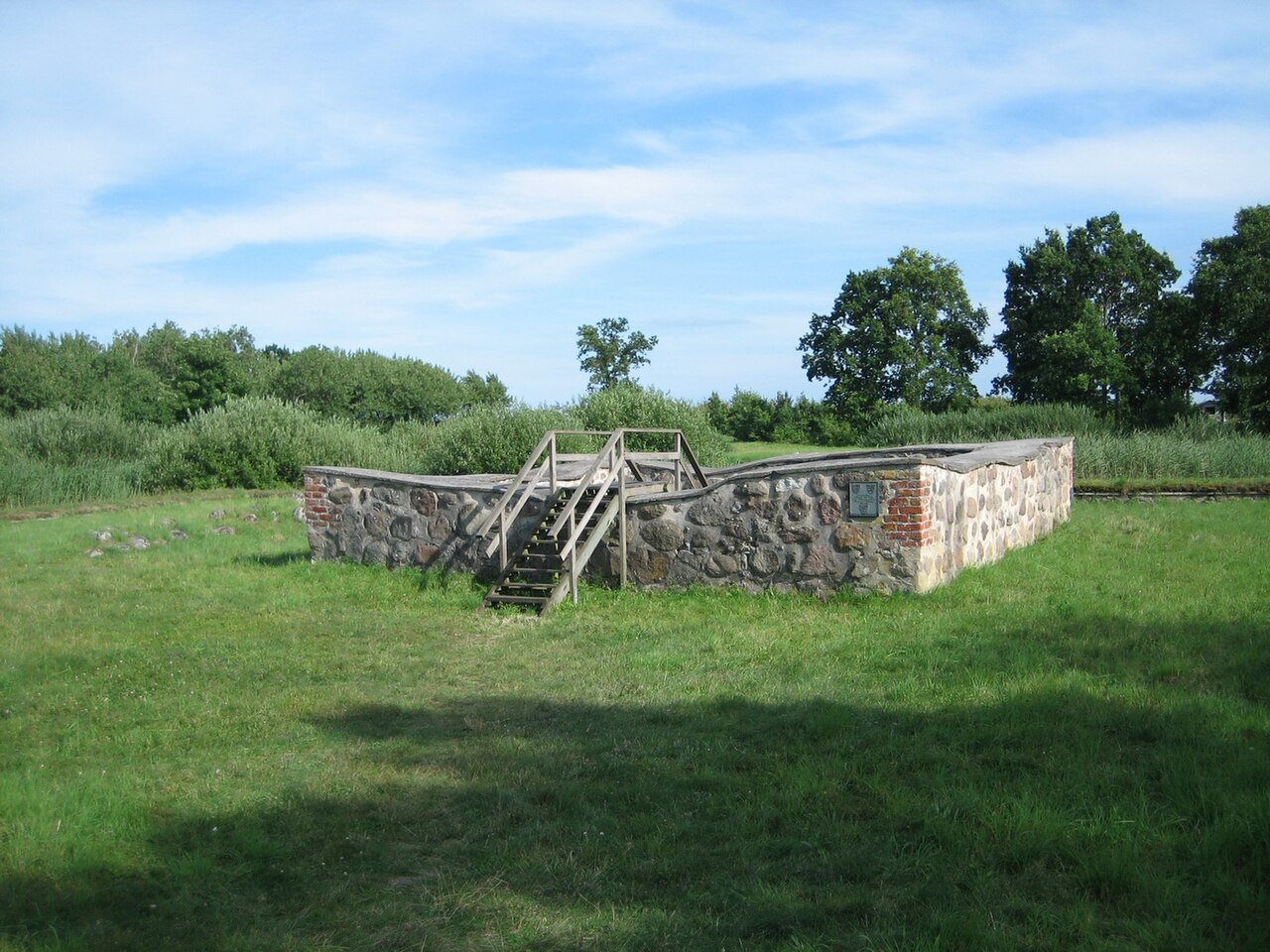
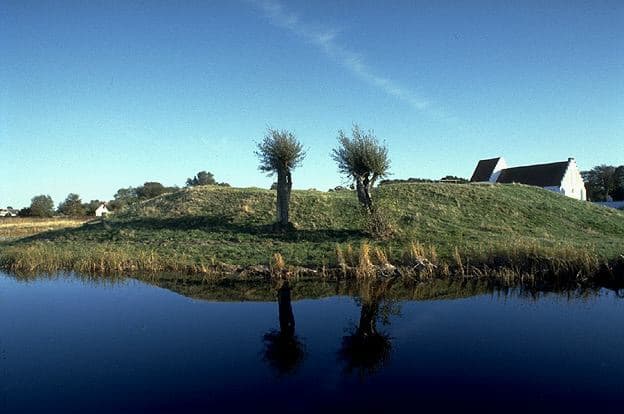
Over the following centuries, the castle fell into disrepair and was eventually demolished in the 18th century. Today, only the ruins remain, located just north of the Skanör church. These ruins primarily consist of the remnants of the main building's foundations atop the hill.
Present condition and heritage significance
The site of Skanör Castle ruins is recognized as an important cultural and historical landmark, offering insight into the medieval Danish administration and trade control in the Baltic region. The ruins are accessible to visitors and serve as a tangible connection to the area's medieval past.
Archaeological efforts continue to study the site, revealing more about the castle's construction techniques, layout, and role within the broader network of fortifications in medieval Scania.
Visiting the ruins
Visitors to Skanör can explore the ruins located north of the town's church, where information panels provide context about the castle's history and significance. The elevated site offers views over the town and surrounding countryside, enhancing the experience of this medieval fortress's remains.
Frequently asked questions (FAQ)
- When was Skanör Castle built and for what purpose?
- Skanör Castle was built in the 1220s during the High Medieval period by the Danish crown to house bailiffs who collected taxes from merchants at the important local fish market.
- What remains of Skanör Castle can be seen today?
- Today, only ruins remain of Skanör Castle, primarily the foundations of the main building located atop the hill north of Skanör church.
- Why did Skanör Castle lose its importance?
- The castle lost its strategic and administrative importance after the nearby Falsterbohus castle was built, leading to its abandonment in the 15th century.
- Can visitors access the Skanör Castle ruins?
- Yes, the ruins are accessible to the public and are located near Skanör church, with informational panels explaining the castle's history.
Photo gallery

Photo by Sven Rosborn•Public domain
Information
Loading map...
Visitor reviews
No reviews yet. Been here? Write the first review and help other travelers!
Write the first reviewVisited this castle? Share your experience
Your review helps other travelers and adds first-hand knowledge to our encyclopedia.