Falsterbohus Castle Ruins
Falsterbohus Castle ruins are located in the town of Skanör-Falsterbo in southern Sweden, representing the remains of a significant medieval fortress originally constructed in the 13th century. This site holds a rich history tied to the turbulent power struggles of the High Medieval period in the Baltic region, particularly involving Danish and Swedish forces, as well as the influential Hanseatic League.
Early history and construction
The initial Falsterbohus Castle was built by the Danes in the mid-1200s, serving as a strategic fortification to control the vital trade routes and the prosperous market of Scania. The castle's location near the southern tip of the Scania peninsula made it a key defensive and administrative center during a time when the region was contested between Denmark and Sweden.
The original castle was constructed as a typical high medieval fortress, likely featuring robust stone walls, defensive towers, and a moat to protect against sieges. Its architecture would have reflected the military needs of the era, emphasizing strong fortifications and a commanding position overlooking the surrounding landscape and the Baltic Sea.
Conflicts and destruction
Falsterbohus experienced significant military action in its early history. In 1311, the castle was destroyed during an attack by the Hanseatic League, a powerful commercial and defensive confederation of merchant guilds and market towns in northern Europe. This assault was part of a broader conflict against Eric VI of Denmark, reflecting the intense rivalry for control over trade and territory in the region.
Following its initial destruction, the castle was rebuilt but soon faced further turmoil. Only a few years later, it was destroyed again, this time by Swedish soldiers, underscoring the ongoing Danish-Swedish conflicts that shaped the political landscape of Scandinavia throughout the Middle Ages.
Reconstruction and decline
In the late 14th century, Falsterbohus Castle was reconstructed to serve as the residence of the king’s bailiff, a royal official responsible for administration and justice in the region. This rebuilding coincided with the relocation of the Scania market from Skanör to Falsterbo, enhancing the castle's role as a commercial and administrative hub.
Despite its renewed importance, the castle's strategic value diminished over time. By the 15th century, the king’s bailiff’s residence was moved to Malmö, reflecting shifting political and economic priorities. The castle gradually lost its military significance and was eventually demolished in 1596.
Architectural remains and modern site
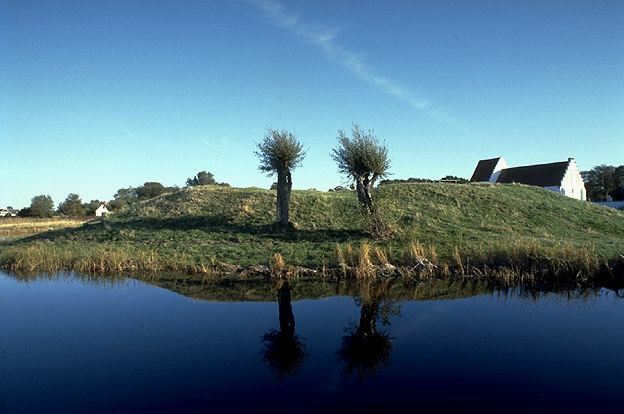
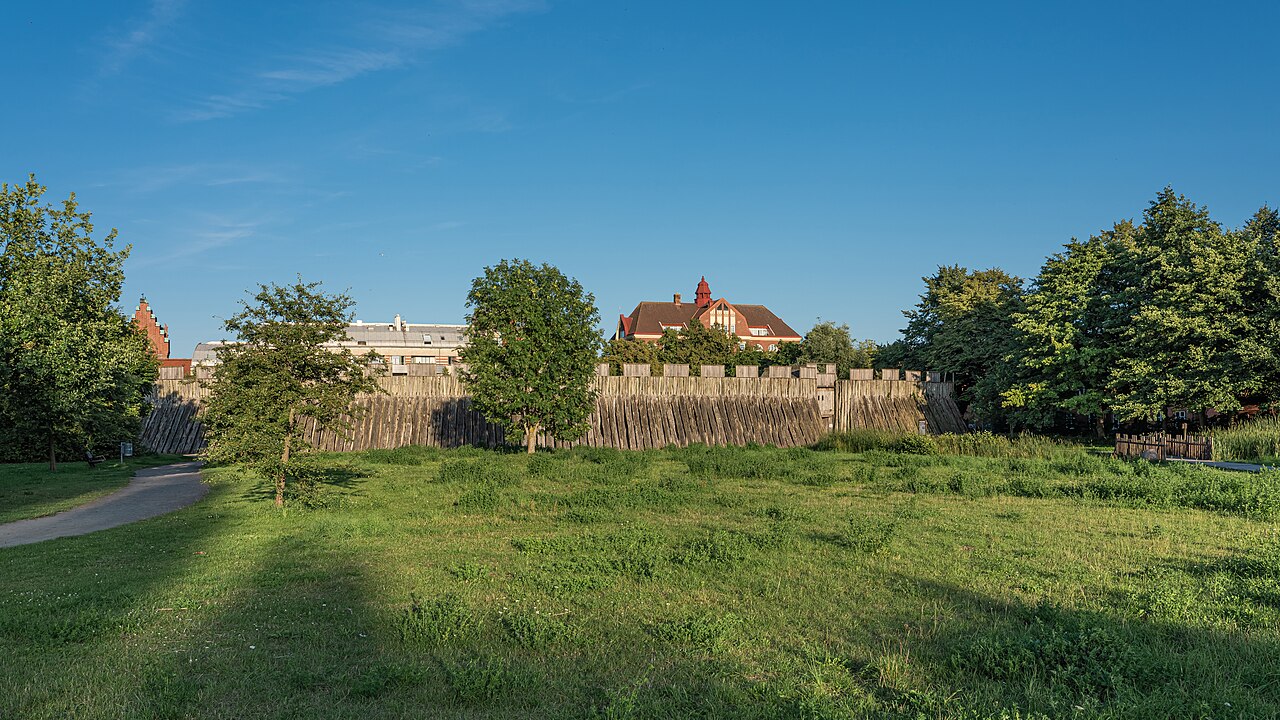
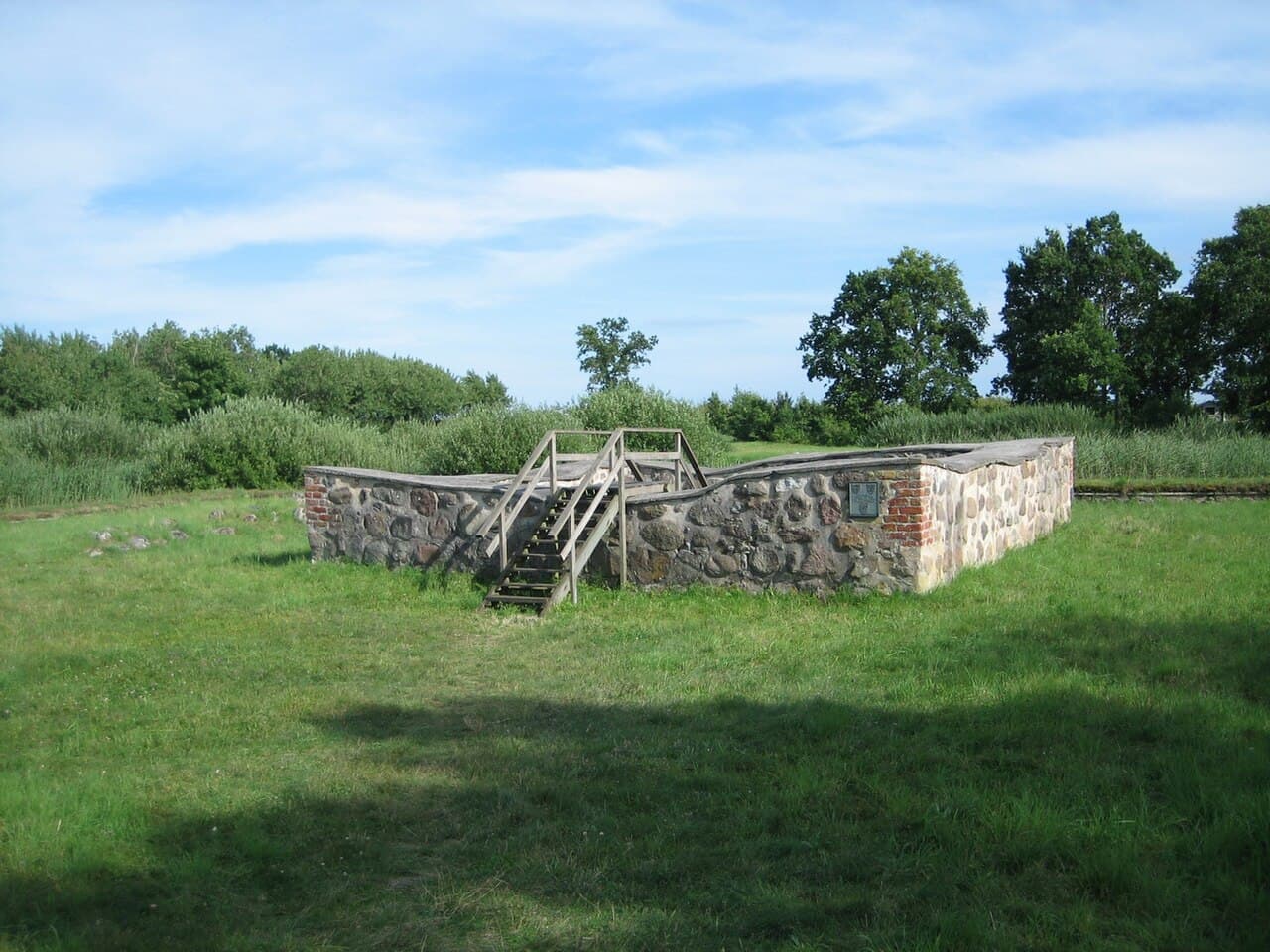
Today, only the foundations of Falsterbohus Castle remain, classified as archaeological ruins. These remnants provide valuable insights into medieval Danish fortification techniques and the historical conflicts that shaped the region.
The name Falsterbohus has also been given to a separate building constructed in 1908 near the original site. This structure was initially built as a hotel and casino and now serves as a condominium, distinct from the medieval castle ruins.
Historical significance and legacy
Falsterbohus Castle played a crucial role in the medieval history of southern Scandinavia, symbolizing the Danish crown's efforts to control trade and territory in the Baltic Sea area. The castle's repeated destruction and rebuilding reflect the intense military and political struggles between Denmark, Sweden, and the Hanseatic League during the High Medieval period.
Its ruins today stand as a testament to the region's complex history and provide a tangible connection to the medieval past of Scania.
Frequently asked questions (FAQ)
- How do I visit the Falsterbohus castle ruins?
- The Falsterbohus castle ruins are accessible to the public year-round with no entrance fee. Visitors can explore the site on foot, and information panels provide historical context. It is advisable to check local tourism websites for any guided tours or special events.
- What is the historical significance of Falsterbohus castle?
- Falsterbohus castle was a key Danish fortress in the 13th century, involved in conflicts with the Hanseatic League and Sweden. It served as a royal administrative center and controlled important trade routes in the Baltic region.
- When was Falsterbohus castle originally built?
- The original Falsterbohus castle was constructed in the 13th century, during the High Medieval period, to secure Danish interests in the Scania region.
- Can I see any original structures at the Falsterbohus ruins?
- Only the foundations of the original castle remain visible today. No standing structures survive, but the archaeological site offers a glimpse into medieval fortification layouts.
- Is there a visitor center or museum at the Falsterbohus site?
- There is no dedicated visitor center or museum at the Falsterbohus ruins. Visitors can find informational signs at the site, and nearby museums in Skanör-Falsterbo provide broader historical context.
Photo gallery

Information
Current owner
Municipality
Loading map...
Visitor reviews
No reviews yet. Been here? Write the first review and help other travelers!
Write the first reviewVisited this castle? Share your experience
Your review helps other travelers and adds first-hand knowledge to our encyclopedia.