Malmö Castle — Sweden castle

Malmö Castle

Malmö Castle: Renaissance fortress and historic stronghold in southern Sweden
Malmö, Skane lan, Sweden
Late Medieval (14th–15th c.)
Restored

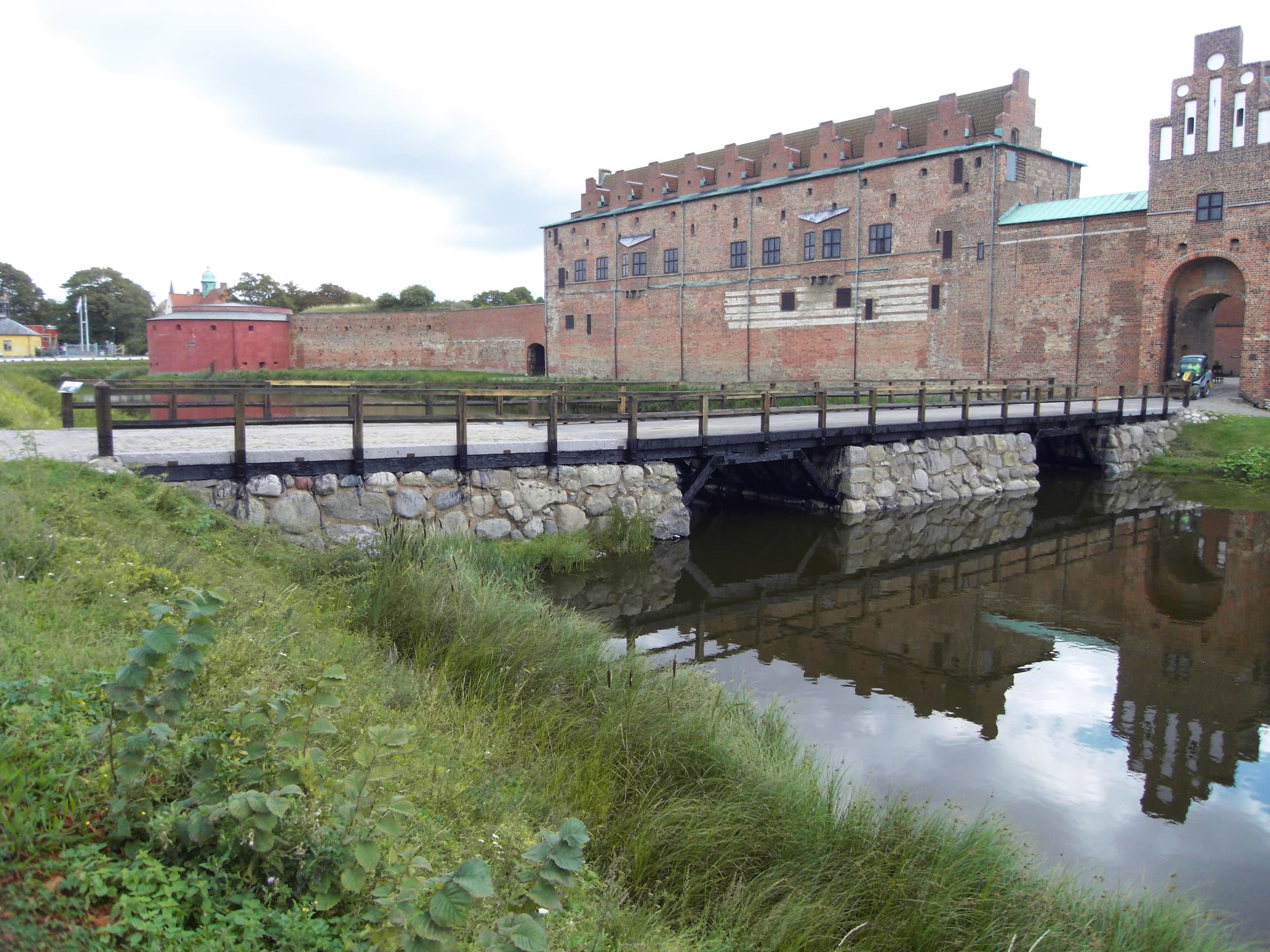
Malmö Castle (Swedish: Malmöhus) stands as a monumental fortress in the city of Malmö, in the southern Swedish province of Skåne. Founded in 1434 by King Eric of Pomerania, this castle has witnessed centuries of military, political, and cultural history, evolving from a medieval stronghold into a splendid Renaissance fortress. It occupies the island of Slottsholmen, strategically positioned near the vital Øresund strait, a key maritime route connecting the Baltic Sea to the North Sea.

The castle's original incarnation was a rectangular medieval fortress known as Møntergaarden, serving dual roles as a defensive bastion and the Danish mint during the Middle Ages. Its establishment was closely linked to the imposition of the Øresund toll in 1429, which made control of the area economically and militarily significant. Over time, Malmö Castle transformed through extensive renovations, particularly in the 16th century under King Christian III, who rebuilt it as a modern Renaissance fortress with advanced defensive features inspired by Dutch and Italian military architecture.

Historical development and significance

Early medieval origins and Danish rule

The first fortress was constructed in 1434 under the reign of King Eric of Pomerania. This original structure combined high defensive walls with a gate tower and an eastern outer bailey, which was later removed. It was designed to protect the city of Malmö and assert Danish control over the Øresund toll, a crucial source of revenue and strategic leverage in the region. The castle also housed the Danish mint, making it a center of economic as well as military importance.

Renaissance reconstruction and military enhancements

In the early 16th century, the original medieval castle was partially demolished to make way for a new fortress. Between 1526 and 1539, under the supervision of Albert Jepsen Ravensberg, the castle was rebuilt with a focus on Renaissance military architecture. This included a main building enclosing an inner courtyard surrounded by a three-storey shooting gallery (skyttegång), four-storey galleries extending to a gate tower, and the addition of a moat and earth ramparts fortified with four large brick corner towers between 1537 and 1540. These renovations reflected contemporary trends in fortress design, emphasizing artillery defense and multi-level firing positions.

Role in Danish and Swedish history

Malmö Castle was one of Denmark's most important strongholds and served as the administrative center for Malmöhus län from 1526. It housed noble Danish governors and notable historical figures, including Crown Prince Frederick (later King Frederick II), who resided there from 1554 to 1559. The castle also functioned as a prison, most famously incarcerating James Hepburn, 4th Earl of Bothwell, third husband of Mary, Queen of Scots, from 1568 to 1573. Following Sweden's conquest of the region in 1658, the castle transitioned from a royal residence and fortress to a national defensive stronghold and later to a prison facility.

Architectural features and layout

Fortress design and defensive structures

Malmö Castle exhibits a classic rectangular layout characteristic of a kastell, with robust brick and stone walls enclosing an inner courtyard. The three-storey shooting gallery surrounding the courtyard allowed defenders to fire upon attackers from multiple levels, a sophisticated feature for its time. The four-storey galleries connecting to the gate tower provided additional elevated vantage points. The moat and earthen ramparts with brick corner towers further enhanced the castle's defensive capabilities, creating a formidable barrier against siege warfare.

Auxiliary buildings and adaptations

Within the castle complex, several auxiliary buildings supported its administrative and military functions. The Commandant’s House served as the residence and office for the fortress commander. The Castle Mill, constructed in the mid-19th century on the remains of a bastion, exemplifies the site's continued adaptation during its prison phase. During the 19th century, new prison buildings were erected east of the moat to accommodate increasing inmate populations, including light and dark cells designed for various types of confinement.

Malmö Castle

Photo by Jin Zan • CC BY-SA 3.0

Transformation into a prison and museum

Prison era and modifications

By the early 18th century, Malmö Castle’s military importance declined, and it was repurposed as a prison. The 19th century saw extensive modifications to support this function, including the establishment of Malmö Correctionella Arbetshus in 1828, then considered Sweden’s largest and most modern prison. Additional facilities were built to house over 300 inmates, with specialized cells for punishment and solitary confinement. These changes significantly altered the castle's interior and surrounding structures.

Restoration and cultural heritage status

Prison operations ceased gradually after 1914, and the castle underwent restoration beginning in 1928 to revive its Renaissance-era appearance. The Malmö Museum moved to the site in 1937, occupying new buildings constructed after the demolition of prison barracks. Malmö Castle was declared a protected state monument in 1935 and today is managed by the National Property Board. It forms the centerpiece of Malmö Museums, the largest museum complex in southern Sweden, preserving and presenting the castle’s layered history to visitors.

Notable historical events and figures

James Hepburn, Earl of Bothwell

One of Malmö Castle’s most famous historical associations is with James Hepburn, 4th Earl of Bothwell, who was imprisoned here from 1568 to 1573. Bothwell was the third husband of Mary, Queen of Scots, and was detained on orders of the Protestant Danish King Frederick II after his ship was forced ashore during a storm. His imprisonment at Malmö Castle reflects the complex political and religious tensions of the period, linking Scandinavian and British histories.

Royal residents and political prisoners

The castle housed several Danish royals, including Crown Prince Frederick and King Frederick III. It also held political prisoners such as Jörgen Krabbe and Carl Gustaf Armfeldt the Younger, who died in custody in 1792. The castle’s courtyard was the site of executions in the 19th century, underscoring its role in law enforcement and justice over the centuries.

Visiting Malmö Castle today

Today, Malmö Castle stands as a well-preserved cultural monument and museum complex. Visitors can explore its Renaissance architecture, historic prison cells, and exhibitions detailing its multifaceted history. The castle’s island location, surrounded by a moat, offers scenic views and a tangible connection to its strategic past. As part of the Malmö Museums, it plays a vital role in educating the public about the region’s heritage and the evolution of fortress architecture in Scandinavia.

In summary, Malmö Castle is a remarkable example of a fortress that has adapted through centuries of political change, military innovation, and social transformation. Its enduring presence in Malmö reflects the rich historical tapestry of southern Sweden and the broader Baltic region.

Frequently asked questions (FAQ)

When was Malmö Castle originally built and by whom?
Malmö Castle was originally built in 1434 by King Eric of Pomerania as a medieval fortress and Danish mint.
What architectural style characterizes Malmö Castle today?
Malmö Castle is primarily characterized by Renaissance architecture following its extensive 16th-century reconstruction.
Can visitors explore the prison history of Malmö Castle?
Yes, the castle includes preserved prison cells and exhibitions that detail its use as a prison in the 18th and 19th centuries.
Who was James Hepburn, and what is his connection to Malmö Castle?
James Hepburn, 4th Earl of Bothwell and third husband of Mary, Queen of Scots, was imprisoned at Malmö Castle from 1568 to 1573.
How did Malmö Castle's role change after Sweden took control of the region?
After Sweden conquered the region in 1658, Malmö Castle shifted from a royal residence to a national fortress and later a prison.
Is Malmö Castle part of a museum today?
Yes, Malmö Castle is part of Malmö Museums, the largest museum complex in southern Sweden, preserving the castle's history.

Photo gallery

Malmö Castle
Click to view

Photo by Jin Zan•CC BY-SA 3.0

Malmö Castle
Malmö Castle
3 photos • Click any image to view in full screen

Information

Hill Castle

Current owner

National Property Board

Sources & official resources

Verify the information above using these authoritative references.

Loading map...

Visitor reviews

No reviews yet. Been here? Write the first review and help other travelers!

Write the first review

Visited this castle? Share your experience

Your review helps other travelers and adds first-hand knowledge to our encyclopedia.

Write a review

(5/5)

0/2000 characters

Your review will be visible after admin approval

Nearby castles

8.2 km

Alnarp Castle

Lomma, Sweden

Alnarp Castle is a historic estate located in Lomma, Sweden, with origins dating back to the 12th century. Its early history is marked by ownership transitions among prominent noble families of the Scanian region, reflecting the turbulent medieval politics of Scandinavia. The castle's lineage includes significant figures such as Anders Pedersen in 1325, the Ulfeldt family in the early 15th century, and the Thott family from 1449, all influential members of the Scanian nobility. Medieval ownership and political significance In the late medieval period, Alnarp Castle passed to the Krummedige family, with Erik Krummedige owning it around 1500. Erik was a cousin of the notable Henrik Krummedige and served as an advisor to the Danish king, highlighting the castle's role within the Danish realm. The castle remained under Danish control until the mid-17th century, when the Treaty of Roskilde in 1658 transferred Scania from Denmark to Sweden. Following this, the castle was granted by King Charles X Gustav of Sweden to Johan von Essen, the commandant of Malmö. Shortly thereafter, in 1660, it was given by Charles XI to Gabriel Oxenstierna, further cementing its importance as a royal estate. Residence of governors-general and later transformations From 1694 onwards, Alnarp Castle served as the residence for the Governors-General of Sweden in Scania, playing a central administrative role in the region. The castle's architecture and function evolved significantly over the centuries, reflecting changing tastes and political circumstances. 19th-century reconstruction and architectural style The present building of Alnarp Castle was constructed in 1862 in the French Renaissance style, replacing older medieval structures. This style is characterized by ornate facades, steeply pitched roofs, and elaborate stonework, aligning with the 19th-century European revival of Renaissance architectural motifs. The reconstruction marked a shift from a medieval fortress to a stately residence suited for modern administrative and educational uses. Modern use and the castle park Today, Alnarp Castle houses offices and meeting rooms for the Swedish University of Agricultural Sciences, integrating historical heritage with contemporary academic functions. The castle is surrounded by a renowned park, notable for having the second highest variety of trees in Sweden. This park is accessible to the public throughout the year, offering a rich botanical experience alongside the castle's historic ambiance. Castle park and botanical significance The Alnarp Castle park is a significant feature, both historically and ecologically. It serves as a living collection of diverse tree species, contributing to Sweden's botanical heritage. The park's design complements the castle's architectural elegance and provides an important resource for botanical research and public enjoyment. Architectural features and layout The castle's layout includes typical elements of French Renaissance architecture such as symmetrical wings, decorative stone carvings, and large windows that allow ample natural light. The building's exterior presents a harmonious blend of historic grandeur and 19th-century stylistic revival, making it a distinctive landmark in the region. Historical context within scania and sweden Alnarp Castle's history is closely tied to the geopolitical shifts in Scania, a region contested between Denmark and Sweden for centuries. The castle's transfer from Danish to Swedish control after the Treaty of Roskilde reflects broader European power dynamics of the 17th century. Its role as a residence for governors-general underscores its administrative importance in consolidating Swedish governance in the newly acquired territory. Noble families and their influence The Ulfeldt, Thott, and Krummedige families were influential in shaping the castle's legacy. Their stewardship during the medieval and early modern periods contributed to the castle's fortification and status as a noble seat. These families were deeply involved in the political and military affairs of the region. Visiting alnap castle today Visitors to Alnarp Castle can explore the castle grounds and the expansive park, which is open year-round. While the castle itself functions primarily as an academic facility, the surrounding landscape offers walking paths, diverse flora, and a glimpse into the estate's historical setting. The castle's integration into the Swedish University of Agricultural Sciences also means that it hosts various events and meetings that contribute to its ongoing cultural relevance.

Modern (19th–20th c.)
Details
12.3 km

Skabersjö Castle

Svedala, Sweden

Skabersjö Castle is a historic manor located in Svedala, Sweden, with origins tracing back to the 14th century. Initially known as a residence for the Passow and Ulfstrand families, the site has witnessed significant transformations through the centuries. The original moated castle was destroyed by fire in 1523 and subsequently rebuilt by Holger Ulfstand, a notable nobleman of the time. Early history and medieval origins The earliest records of Skabersjö Castle highlight its importance as a fortified residence during the medieval period. The castle's location was strategic, featuring defensive elements typical of the era such as a moat, which provided protection against invaders. The castle served as a noble estate and a local administrative center, reflecting the feudal structure of medieval Sweden. The destruction in 1523 marked a turning point, after which the castle was reconstructed to maintain its status and function. 18th-century reconstruction and architectural features The current appearance of Skabersjö Castle primarily dates from the 18th century, when it was rebuilt into a manor house consisting of a two-storey main building flanked by two wings. This transformation reflects the architectural trends of the post-Renaissance period in Sweden, emphasizing symmetry, proportion, and classical details rather than medieval fortifications. Between 1775 and 1782, the castle underwent extensive restoration under the direction of Governor Tage Thott. This restoration enhanced the manor's structural integrity and aesthetic appeal, updating it to contemporary standards of the late 18th century. The restoration likely included improvements to the interiors and possibly the surrounding gardens or parkland, which were common features of manors of this period. Architectural style and layout Skabersjö Castle is an example of a post-Renaissance manor rather than a traditional medieval fortress. Its design features a symmetrical layout with a central building and two wings, typical of Swedish manor houses of the 18th century. The castle lacks the defensive elements of earlier periods, such as battlements or a functional moat, reflecting its evolution from a military stronghold to a noble residence. The building materials and stylistic details correspond to the architectural preferences of the time, with an emphasis on clean lines, balanced proportions, and classical motifs. The castle’s interiors, while not extensively documented, would have been adapted to the needs of aristocratic living, including reception rooms, private chambers, and service areas. Ownership and current status Today, Skabersjö Castle is owned by the Skabersjö gods AB foundation, which manages the estate. The castle is not generally open to the public but can be visited by appointment, allowing for private tours and events. This controlled access helps preserve the castle’s condition and maintain its historical integrity. The estate surrounding the castle likely includes gardens and parkland, typical of Swedish manors, although detailed descriptions of the grounds are limited. Skabersjö Castle remains a significant cultural landmark in the region, representing centuries of Swedish noble life and architectural evolution. Cultural significance and heritage As a manor with roots in the medieval period and substantial 18th-century modifications, Skabersjö Castle illustrates the transition of Swedish noble residences from fortified castles to elegant manors. Its history reflects broader social and architectural changes in Sweden, including shifts in defensive needs, aristocratic lifestyles, and aesthetic preferences. The castle’s connection to notable families such as the Ulfstand lineage and figures like Tage Thott adds to its historical importance. Preservation efforts by the current foundation ensure that Skabersjö Castle continues to be recognized as part of Sweden’s architectural and cultural heritage.

Post-Renaissance (17th–18th c.)
Details
14.6 km
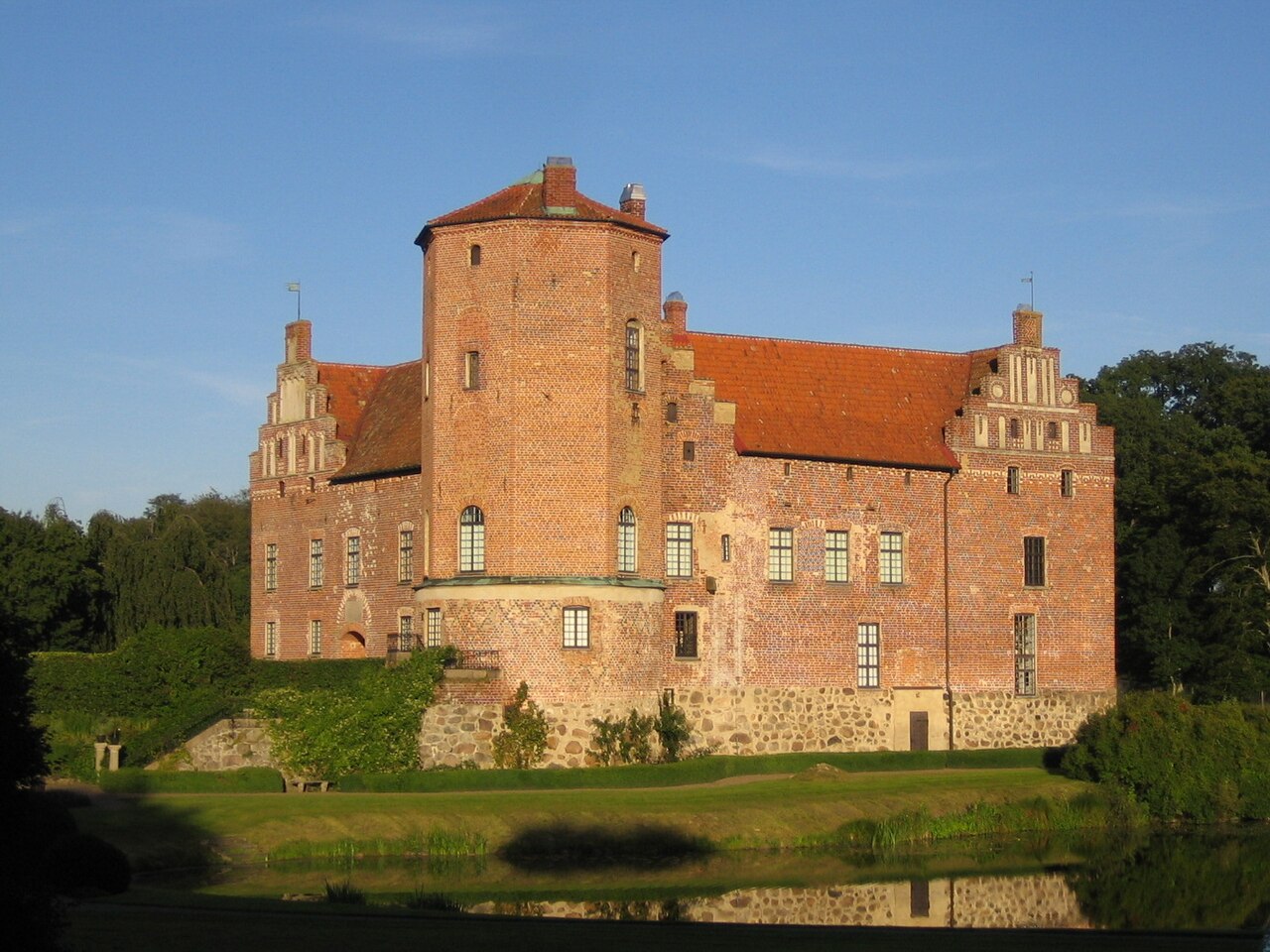
Torup Castle — Sweden castle

Torup Castle

Svedala, Sweden

Torup Castle, located in Svedala, Sweden, stands as one of the most remarkable examples of Renaissance architecture among Sweden's historic castles. Completed around 1540, this hill castle was originally constructed by the noblewoman Görvel Fadersdotter (Sparre), a prominent figure in Swedish history. The castle's strategic position on elevated terrain provided both defensive advantages and commanding views of the surrounding landscape, typical of hill castles of its era. Architectural evolution and restoration Torup Castle underwent significant restoration and expansion between 1602 and 1630, which shaped the castle into the form visible today. These renovations embraced the Renaissance style, characterized by symmetrical layouts, ornate facades, and classical details that reflected the cultural influences spreading through Europe at the time. The castle's sturdy stone walls, elegant towers, and carefully designed courtyards exemplify the blend of defensive functionality and residential comfort typical of Renaissance noble residences. The castle's well-preserved state is a testament to the quality of its construction and the care taken by successive owners. Its restored condition allows visitors to appreciate the architectural details and historical ambiance that have been maintained over centuries. Historical ownership and significance After its initial construction by Görvel Fadersdotter, Torup Castle passed through the hands of several notable families, including the Stjernblad and Coyet families. These owners contributed to the castle's upkeep and its role as a noble residence in the region. Since 1970, the castle has been owned by the Malmö municipality, which has ensured its preservation and public accessibility. The tragic 1775 accident One of the most poignant events in the castle's history occurred on May 21, 1775, when a boating accident on the castle's lake resulted in the drowning of four members of the noble Trolle family: Cornet Fredrich Trolle, his aunt Frederica Harms, and her sisters Brita Sophia Trolle and Elisabeth Augusta Trolle. This tragedy was widely reported across Sweden and remains a somber chapter in the castle's story. Architectural features and layout Torup Castle's design reflects the typical Renaissance emphasis on harmony and proportion. The castle complex includes several towers that served both as defensive structures and status symbols. Its courtyards provide open spaces that connect the various wings and halls, facilitating both daily life and ceremonial functions. The castle's stone walls are robust, designed to withstand sieges and the harsh Nordic climate. Inside, the rooms are arranged to balance practicality with elegance, featuring chambers that were used for living quarters, administrative functions, and social gatherings. The castle's setting near a lake adds to its scenic and strategic value, with water features historically used for defense and leisure. Cultural heritage and public access Today, Torup Castle is recognized as a significant cultural heritage site in Sweden. Its preservation by the Malmö municipality ensures that the castle remains accessible to the public, offering visitors a window into Renaissance noble life and Swedish history. The castle hosts various events, exhibitions, and guided tours that highlight its architectural splendor and historical narratives. Visitors can explore the castle's interiors, admire its architectural details, and learn about the families who shaped its history. The surrounding grounds and lake provide a picturesque setting for cultural activities and leisure, enhancing the castle's appeal as a destination for history enthusiasts and tourists alike. Visiting information and practical details While specific visiting hours and ticket prices may vary, Torup Castle is generally open to the public during warmer months, with guided tours available to enrich the visitor experience. The castle's location in Svedala makes it accessible from Malmö and other nearby cities, making it a convenient day trip for those interested in Swedish history and Renaissance architecture. Accessibility features and visitor amenities continue to be developed to accommodate diverse audiences, ensuring that Torup Castle remains a treasured landmark for generations to come.

Renaissance (15th–17th c.)
Details