Siri Fort
Siri Fort stands as a significant historical site in Delhi, India, representing the city's 14th-century medieval heritage. Constructed during the reign of Alauddin Khalji, the second ruler of the Khalji Dynasty within the Delhi Sultanate, the fort was primarily built as a strategic defense against repeated Mongol invasions. It was established around 1303 AD and is recognized as the second of the seven medieval cities of Delhi, marking an important phase in the city's urban and military development.
Historical context and purpose
The construction of Siri Fort was a direct response to the persistent threat posed by the Mongol armies, which had been making incursions into northern India throughout the late 13th and early 14th centuries. Alauddin Khalji, known for his military acumen and administrative reforms, commissioned the fort to serve as a fortified capital and a bulwark to protect Delhi from these external threats. The fort's establishment symbolized the Delhi Sultanate's resilience and strategic planning during a turbulent period marked by frequent warfare and political upheaval.
Architectural features and layout
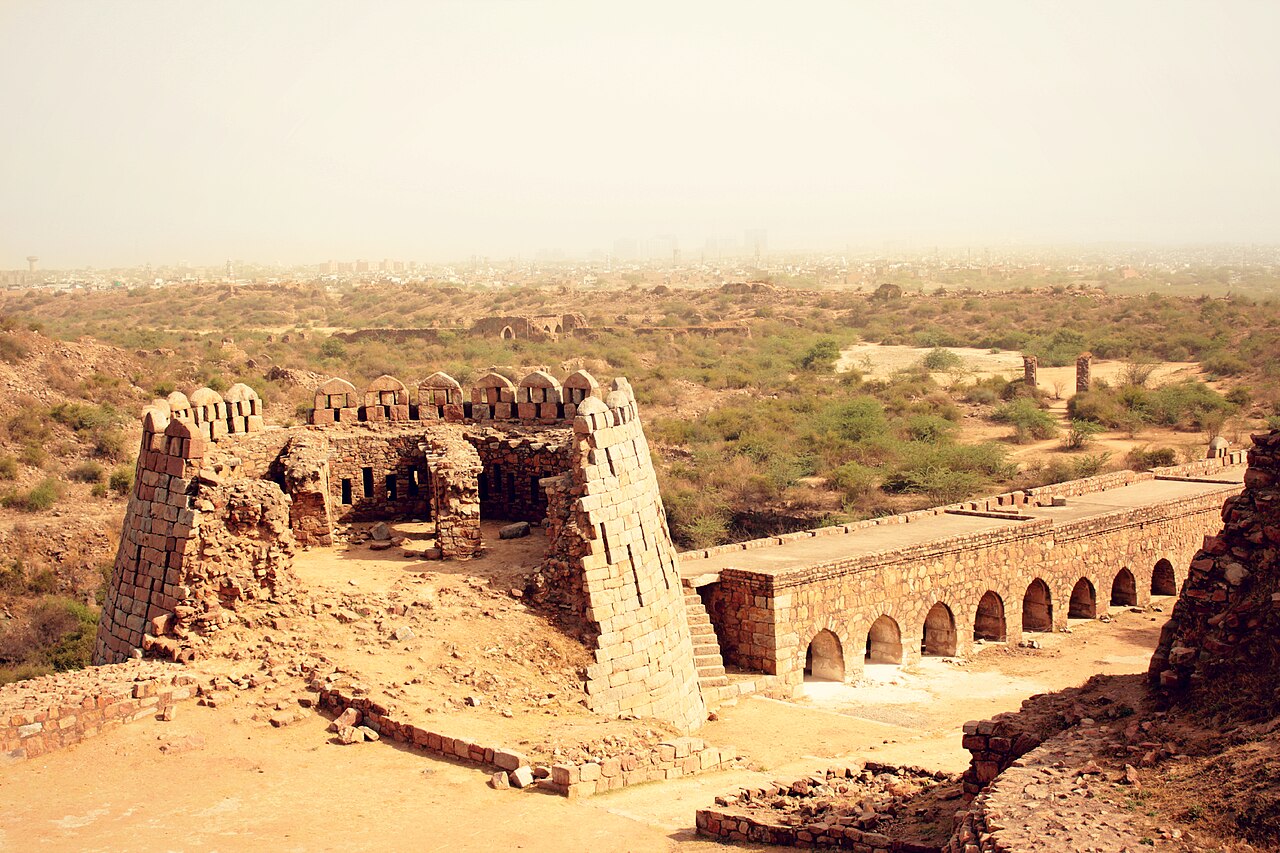
Though much of Siri Fort now lies in ruins, archaeological studies and remaining structures provide insights into its original design and construction. Unlike earlier forts in India known for their massive stone walls and elaborate palatial complexes, Siri Fort was constructed primarily using bricks and rubble masonry. This choice of materials, while expedient, contributed to the fort's relatively poor durability compared to other contemporary forts.
The fort's layout was designed to maximize defense capabilities. It featured thick walls, bastions, and gateways strategically placed to monitor and repel invaders. The fort was surrounded by a moat in some sections, adding an additional layer of protection. Within its walls, Siri Fort housed military barracks, administrative buildings, and residential quarters for soldiers and officials.
Defensive structures
The fortifications included battlements and arrow slits that allowed defenders to launch projectiles while remaining protected. The gates were robustly built and often reinforced with iron to withstand assaults. The design reflected the military architecture of the late medieval period in northern India, combining functionality with the need for rapid construction due to the pressing threat of invasion.
Decline and present condition
Despite its initial strategic importance, Siri Fort did not endure as well as other forts in the region. The use of less durable materials and the eventual decline of the Khalji Dynasty led to the fort's gradual abandonment and decay. Today, only fragments of the original walls and structures survive, revealing the outline of the fort but lacking the grandeur of its past.
The site is classified as archaeological ruins, and it offers valuable insights into the military history and urban development of medieval Delhi. The ruins are located in an area that has undergone significant urbanization, with modern constructions such as auditoriums, the Asian Games Village Complex, and various residential and commercial buildings surrounding the remnants of the fort. This juxtaposition highlights the contrast between Delhi's ancient past and its contemporary urban landscape.
Cultural and historical significance
Siri Fort represents a critical chapter in the history of Delhi and the broader region, illustrating the challenges faced by medieval rulers in defending their realms against formidable external enemies. It also reflects the architectural and military innovations of the Delhi Sultanate during the late medieval period. The fort's ruins serve as a tangible connection to the era of the Khalji Dynasty, providing historians and visitors with a glimpse into the city's layered history.
While the fort itself may not exhibit the elaborate decorative elements found in other Indian forts, its historical role as a defensive stronghold during a time of frequent conflict makes it an important site for understanding the military and political dynamics of medieval northern India.
Frequently asked questions (FAQ)
- How do I get to Siri Fort?
- Siri Fort is located in Delhi, India, and can be easily accessed by public transport, including the Delhi Metro, with the nearest station being Hauz Khas. Taxis and auto-rickshaws are also readily available throughout the city for a more direct route. Visitors can plan their journey using local maps or navigation apps.
- What is the historical significance of Siri Fort?
- Siri Fort, built in the 14th century by Alauddin Khilji, was part of the city of Siri, which was one of the earliest fortified cities in Delhi. The fort played a crucial role during the medieval period and is a testament to the architectural and cultural advancements of that time. It stands as a reminder of Delhi's rich history and the legacy of the Khilji dynasty.
- When was Siri Fort constructed?
- Siri Fort was constructed in 1303 by Sultan Alauddin Khilji during his reign. The fort was part of his efforts to establish a fortified city to protect against invasions and to showcase the power of his dynasty. Its construction reflects the military architecture of the era.
- Can I visit Siri Fort at any time?
- Siri Fort is open to visitors during specific hours, typically from sunrise to sunset. However, it is advisable to check local listings or the official tourism website for updates on opening hours, especially during public holidays or special events. It’s best to plan your visit accordingly to make the most of your time there.
- Why is the architecture of Siri Fort notable?
- The architecture of Siri Fort is notable for its use of red sandstone and intricate carvings, showcasing the Indo-Islamic architectural style. The fort features imposing walls and impressive gateways, which exemplify the defensive structures of its time. Its design reflects both functionality and aesthetic appeal, making it a significant landmark in Delhi.
- Is it possible to access the inner areas of Siri Fort?
- While some areas of Siri Fort are accessible to the public, certain parts may be restricted due to preservation efforts. Visitors can explore the outer walls and surrounding gardens, but access to inner structures may vary. It's recommended to follow any guidelines provided by the site management for a safe and informative visit.
- What is the best time to visit Siri Fort?
- The best time to visit Siri Fort is during the cooler months from October to March when the weather is pleasant for outdoor exploration. Early mornings or late afternoons are ideal to avoid the heat and enjoy the beauty of the fort in softer light. Additionally, visiting during this period often coincides with various cultural events in Delhi.
- Are there any nearby attractions to visit after Siri Fort?
- Yes, there are several attractions near Siri Fort, including the historic Hauz Khas Complex, which features a lake, tombs, and vibrant markets. The nearby Qutub Minar, a UNESCO World Heritage Site, is also a must-visit for its stunning architecture and historical significance. Visitors can easily plan a day trip to explore these nearby sites.
- What are the ticket prices for visiting Siri Fort?
- Siri Fort does not charge an entry fee, making it an accessible destination for all visitors. However, fees may apply for guided tours or special activities. It's advisable to check for any updates on charges if visiting during special events or exhibitions.
Photo gallery

Information
Loading map...
Visitor reviews
No reviews yet. Been here? Write the first review and help other travelers!
Write the first reviewVisited this castle? Share your experience
Your review helps other travelers and adds first-hand knowledge to our encyclopedia.