Purana Qila
Purana Qila, meaning 'Old Fort', is among the most ancient and significant forts in Delhi, India. Constructed primarily during the 16th century, it stands as a remarkable example of a bastioned fortress from the early Mughal era, embodying the military architectural innovations introduced during this period. The fort occupies a strategic location near the Pragati Maidan exhibition grounds and is separated from the Dhyanchand Stadium by Mathura Road.
The fort's origins are closely linked to two prominent historical figures: the second Mughal Emperor Humayun and the Afghan ruler Sher Shah Suri. Humayun initiated the construction of the fort as part of his vision for the city of Dinpanah, which was intended to be a new capital for the Mughal Empire. However, the fort was substantially completed and fortified by Sher Shah Suri during his brief but impactful rule, following his defeat of Humayun. This dual legacy is reflected in the fort's design and historical significance.
Architectural features and fortifications
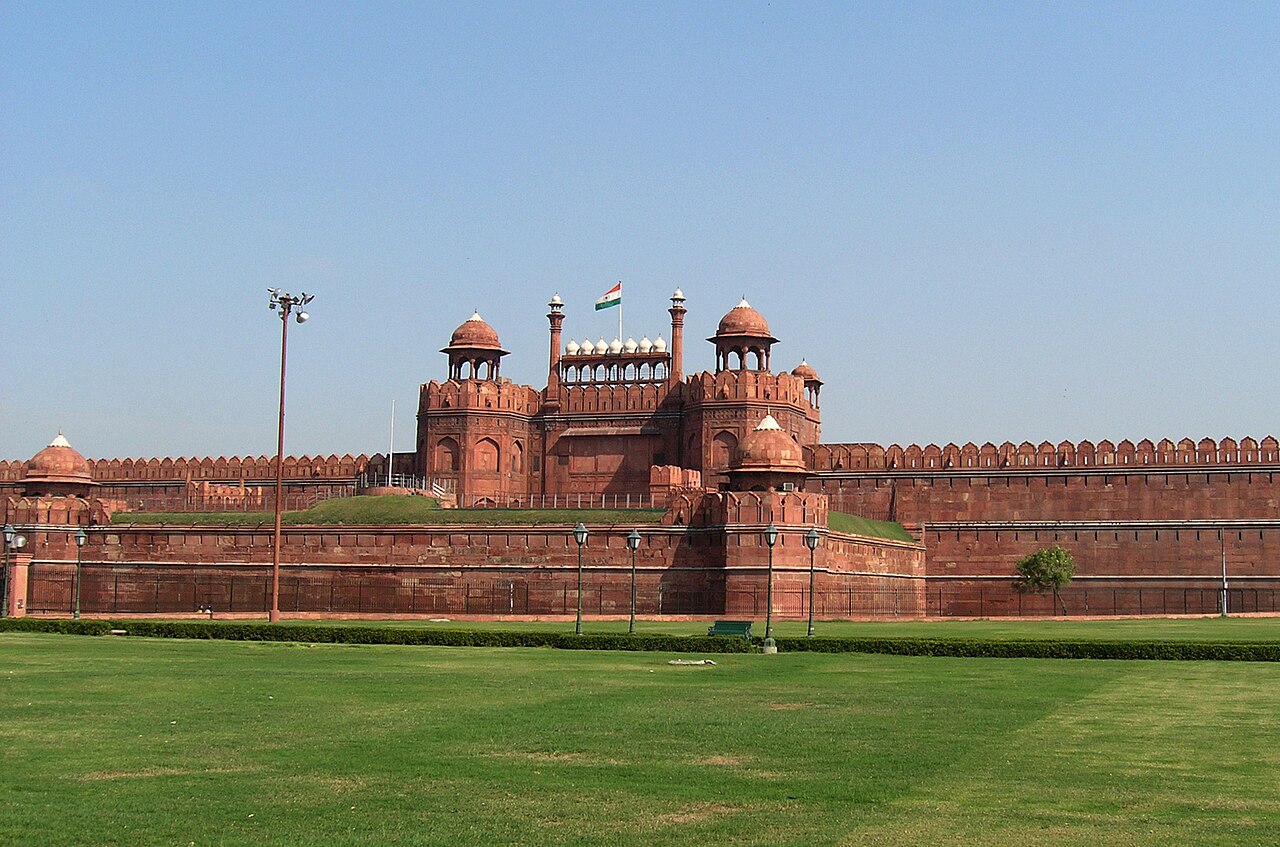
Purana Qila is a classic example of a bastioned fortress, characterized by massive stone walls and defensive bastions that project outward, allowing defenders to cover the walls with overlapping fields of fire. These bastions are integral to the fort's defense system, providing vantage points for archers and artillery.
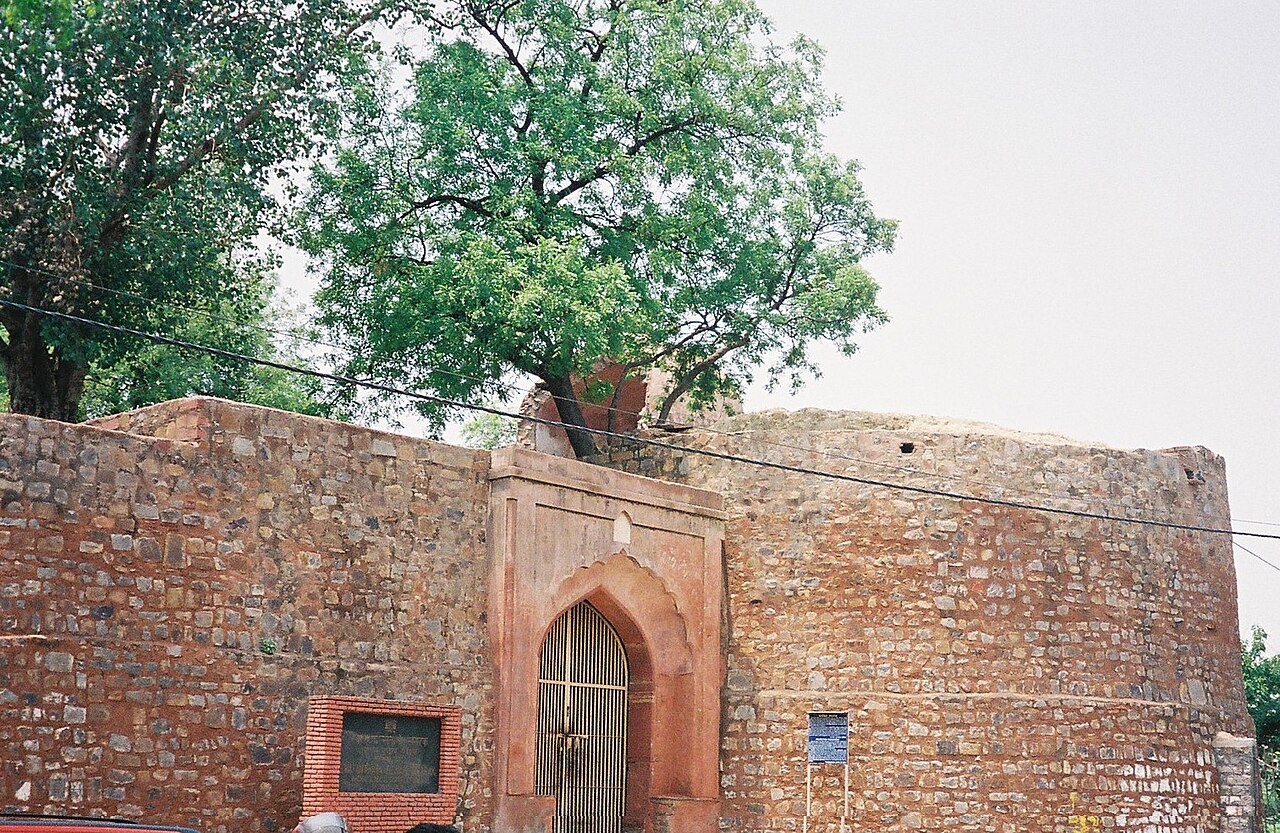
The fort's walls are constructed from robust red sandstone, a material commonly used in Mughal architecture for its durability and aesthetic appeal. The fort encompasses a large rectangular enclosure with several imposing gates, the most notable being the Bara Darwaza (Big Gate), which serves as the main entrance. This gate is an impressive structure featuring intricate stonework and a series of arches that exemplify the blend of Islamic and Indian architectural styles.
Inside the fort, there are remnants of various structures including palatial buildings, , and . The layout reflects the fort's dual purpose as both a military stronghold and a royal residence. The fort also contains a large mosque, demonstrating the religious and cultural aspects of the Mughal rulers.
Water management and moat
A significant defensive feature of Purana Qila is its , which originally surrounded the fort on all sides. This water barrier was fed by the nearby river and enhanced the fort's security by making direct assaults more difficult. The moat also served practical purposes, including water storage and flood control within the fort's precincts.
Historical context and significance
The fort's construction marks a transitional period in Indian history, reflecting the shift from the Delhi Sultanate to the Mughal Empire. Humayun's initiative to build Dinpanah was part of his attempt to establish a new imperial capital that would symbolize Mughal power and authority. Although Humayun's reign was interrupted by Sher Shah Suri's conquest, the latter's enhancements to the fortifications ensured the fort's prominence in the region.
Sher Shah Suri is credited with significant architectural and administrative reforms, and his contributions to Purana Qila include strengthening the walls and bastions, improving the fort's defenses, and integrating efficient water management systems. The fort thus embodies the overlapping legacies of these two rulers and their competing visions for Delhi.
Later history and preservation
Following the Mughal period, Purana Qila continued to hold military importance under various rulers, including the British during the colonial era. Over time, parts of the fort fell into disrepair, but it remains an important archaeological site and cultural landmark in Delhi.
Today, Purana Qila is partially preserved and accessible to the public. It attracts historians, architects, and tourists interested in early Mughal architecture and Delhi's layered history. The fort's proximity to modern landmarks like Pragati Maidan underscores the juxtaposition of Delhi's ancient and contemporary urban fabric.
Visiting Purana Qila
Visitors to Purana Qila can explore its extensive ramparts, gates, and internal ruins. The site offers a glimpse into 16th-century fortification techniques and Mughal architectural aesthetics. The fort's large open spaces and surviving structures provide ample opportunities for photography and historical study.
The fort is open to the public with regular visiting hours, and entry fees are modest, making it accessible for both local and international tourists. Guided tours and informational plaques help visitors understand the fort's historical context and architectural significance.
Frequently asked questions (FAQ)
- What is the historical significance of Purana Qila?
- Purana Qila, also known as the Old Fort, is believed to be one of the oldest forts in Delhi, dating back to the 16th century. It was built by the Mughal Emperor Humayun and later expanded by his successor, Akbar. The fort's architecture and layout reflect the grandeur of Mughal design, making it a significant monument in India's rich history.
- When was Purana Qila built?
- Construction of Purana Qila began in 1533 during the reign of Emperor Humayun and was completed by Akbar in the late 16th century. The fort was strategically built on the banks of the Yamuna River and served as a military base as well as a royal residence. Today, it stands as a testament to the architectural brilliance of the Mughal era.
- Can I visit Purana Qila during the weekends?
- Yes, Purana Qila is open for visitors every day of the week, including weekends. It is a popular destination for both tourists and locals, so expect a lively atmosphere on weekends. Be sure to check the opening hours before planning your visit to make the most of your experience.
- What are the opening hours for Purana Qila?
- Purana Qila is open from 7:00 AM to 5:00 PM daily. However, during the winter months, the fort may close earlier, so it's advisable to confirm the timings before your visit. Arriving early allows you to explore the fort's grounds while enjoying the peaceful morning ambiance.
- Is it possible to access Purana Qila by public transport?
- Yes, Purana Qila is easily accessible by public transport, including buses and the Delhi Metro. The nearest metro station is Pragati Maidan, from where you can take a short taxi or auto-rickshaw ride. This makes it convenient for visitors to reach the site without needing a personal vehicle.
- What is the ticket price for visiting Purana Qila?
- As of now, the entry fee for adults is around INR 20, while children and students may enjoy discounted rates. Ticket prices are subject to change, so it’s a good idea to check the official website or local sources for the most current information before your visit. The reasonable fee makes it an affordable destination for all.
- When is the best time to visit Purana Qila?
- The best time to visit Purana Qila is during the cooler months from October to March when the weather is pleasant for outdoor exploration. Visiting in the early morning or late afternoon can also help you avoid the heat. Additionally, this period is ideal for enjoying the various cultural events and festivals often held at the site.
- Are there any nearby attractions to explore after visiting Purana Qila?
- Yes, after exploring Purana Qila, you can visit several nearby attractions such as the National Museum, India Gate, and the beautiful gardens of Lodi Garden. These sites are just a short drive away and provide additional insights into Delhi's rich heritage. Combining these visits can make for a fulfilling day of exploration.
Photo gallery

Information
Loading map...
Visitor reviews
No reviews yet. Been here? Write the first review and help other travelers!
Write the first reviewVisited this castle? Share your experience
Your review helps other travelers and adds first-hand knowledge to our encyclopedia.