Red Fort
The Red Fort (Lal Qila in Hindi) is a monumental Mughal bastioned fortress situated in Old Delhi, India. Constructed in the 17th century, it served as the main residence of the Mughal emperors and was commissioned by Emperor Shah Jahan on 12 May 1639. This grand fortress marked the shift of the Mughal capital from Agra to Delhi, symbolizing the zenith of Mughal power and architectural innovation during the Renaissance period of Indian history.
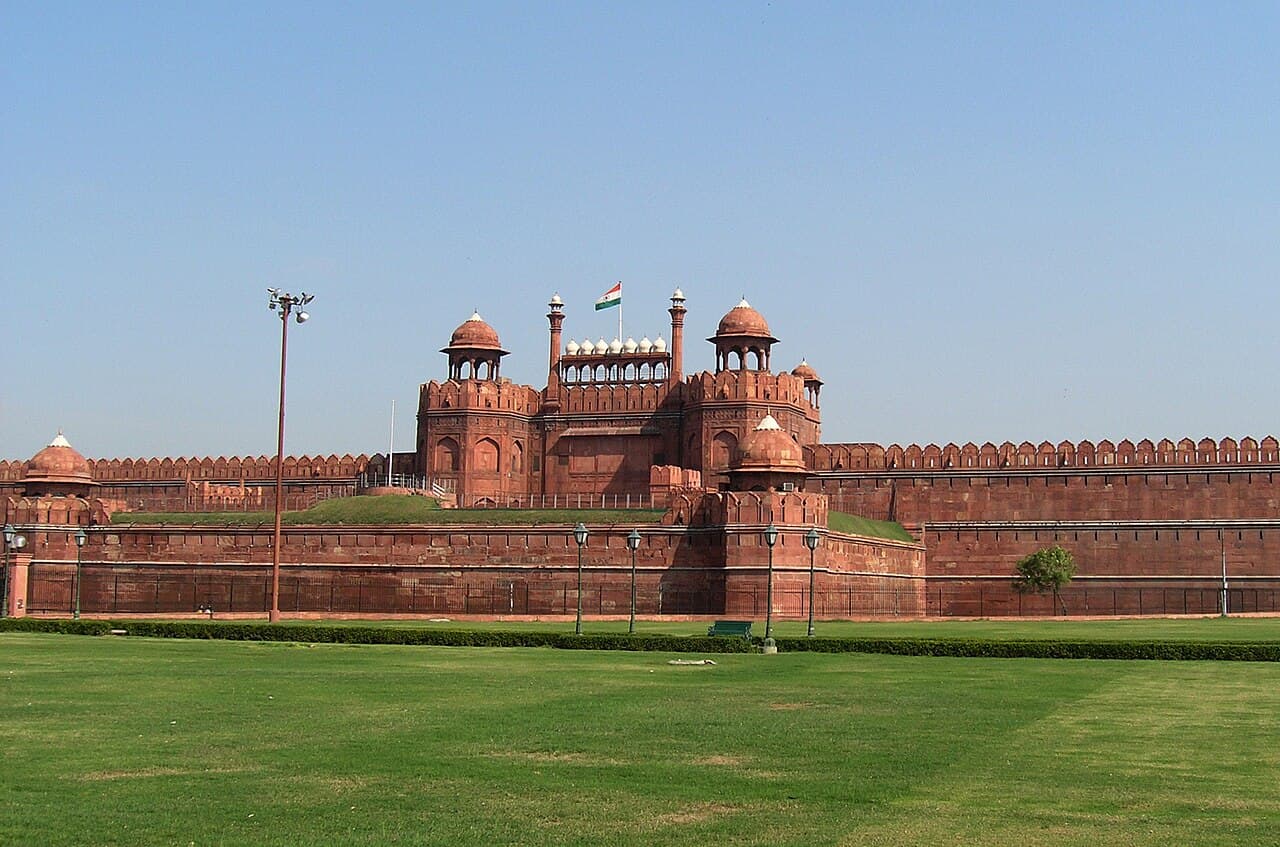
The design of the Red Fort is attributed to Ustad Ahmad Lahori, the renowned architect who also designed the Taj Mahal. The fort exemplifies a harmonious blend of Persian, Timurid, and Indian architectural styles, featuring imposing red sandstone walls that give the fort its distinctive name. The walls rise up to 33 meters and enclose a complex of palaces, audience halls, mosques, and gardens, all arranged in a planned layout that reflects the Mughal aesthetic of symmetry and grandeur.
Architectural features and layout
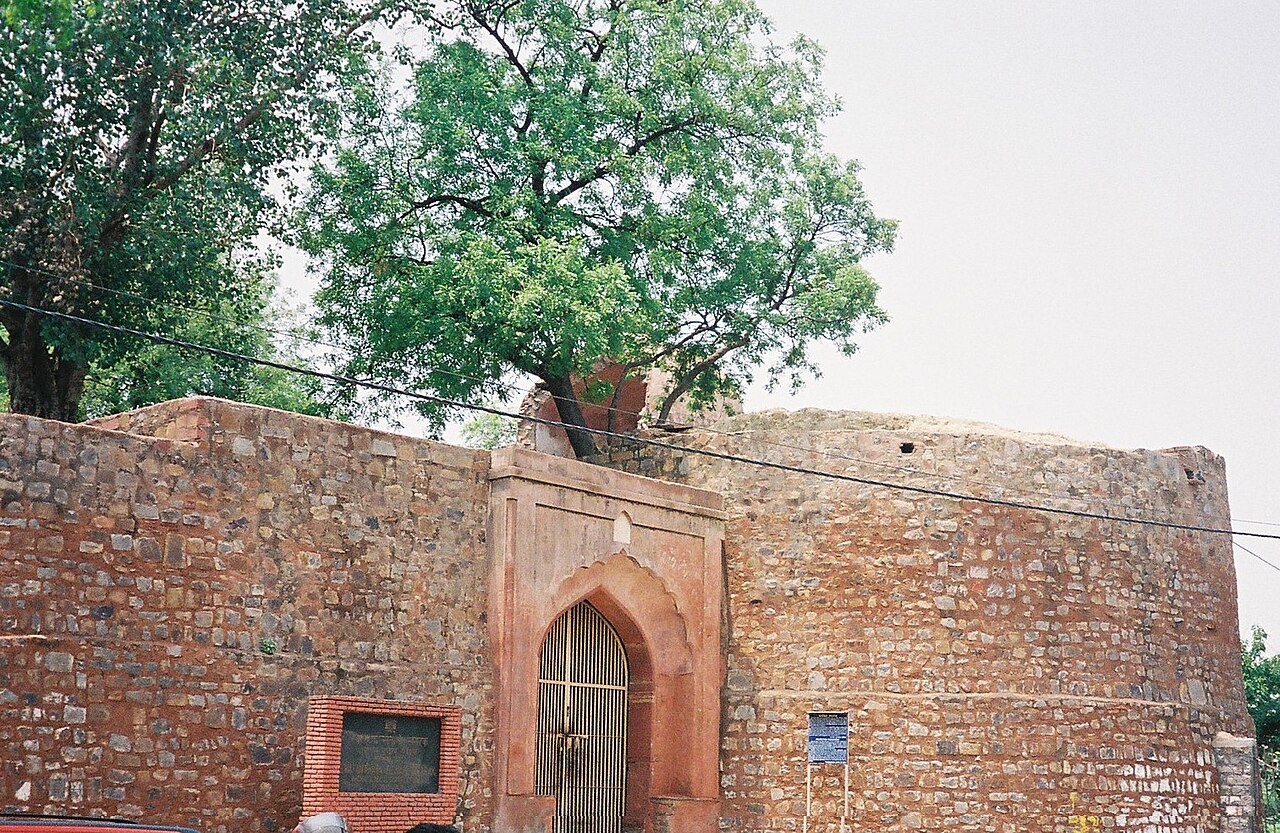
The Red Fort is a classic example of a bastioned fortress, designed both for defense and royal residence. The massive fortification walls are punctuated by semi-circular bastions and feature two main gates: the Lahori Gate on the western side and the Delhi Gate on the southern side. The Lahori Gate serves as the principal entrance and is known for its ornate decorations and strategic significance.
Inside the fort, the Diwan-i-Aam (Hall of Public Audience) and Diwan-i-Khas (Hall of Private Audience) stand out as key architectural elements. The Diwan-i-Aam was where the emperor addressed the public and heard petitions, while the Diwan-i-Khas was reserved for private meetings with courtiers and dignitaries. Both halls showcase intricate carvings, marble inlays, and delicate latticework.
The Moti Masjid (Pearl Mosque), built within the fort by Shah Jahan, served as a private place of worship for the emperor. The fort's layout also includes the Rang Mahal (Palace of Colors), known for its elaborate mirror work and water channels that cooled the interiors during hot summers.
Historical significance and events
The Red Fort has witnessed several pivotal moments in Indian history. In 1739, it was looted by Nadir Shah of the Afsharid Empire, who stripped the fort of its priceless artwork and jewels. This event marked a significant blow to the Mughal Empire's prestige and wealth.
Following the Indian Rebellion of 1857, the British colonial authorities dismantled many of the fort's marble structures as a punitive measure, although the formidable red sandstone walls remained largely intact. The British repurposed the fort as a military garrison, which altered its original use as an imperial palace.
On 15 August 1947, the fort gained renewed national importance when Jawaharlal Nehru, the first Prime Minister of independent India, hoisted the Indian national flag above the Lahori Gate. Since then, the Red Fort has become the site of the annual Independence Day celebrations, where the Prime Minister raises the flag and delivers a nationally broadcast speech from its ramparts.
Preservation and cultural heritage
The Red Fort was designated a UNESCO World Heritage Site in 2007 in recognition of its outstanding universal value as a masterpiece of Mughal architecture and a symbol of India's rich history. Efforts to preserve and restore the fort continue, focusing on maintaining the integrity of its bastioned walls, palatial structures, and intricate decorative elements.
Today, the Red Fort is a major tourist attraction and a cultural landmark, drawing visitors from around the world. Its imposing presence and historical significance make it a key site for understanding the Mughal era and the evolution of Indian fort architecture.
Architectural influences and style
The fort's architecture reflects a sophisticated synthesis of Islamic, Persian, Timurid, and Indian elements. The extensive use of red sandstone combined with white marble accents creates a striking visual contrast. The fort's layout follows the traditional Mughal charbagh garden concept, integrating water features and symmetrical gardens that enhance the aesthetic and climatic comfort.
Defensive features
As a bastioned fortress, the Red Fort was equipped with thick walls designed to withstand artillery attacks, a moat that once surrounded the complex, and strategically placed bastions for mounting cannons. The fort's design balances military functionality with the luxurious needs of an imperial residence.
Frequently asked questions (FAQ)
- What are the main visiting hours for the Red Fort?
- The Red Fort is typically open to visitors from 9:30 AM to 4:30 PM daily, allowing ample time to explore its extensive grounds and architectural features.
- How do I reach the Red Fort in Delhi?
- The Red Fort is located in Old Delhi and is accessible by metro, bus, and taxi. The nearest metro station is Chandni Chowk, which is a short walk from the fort.
- What is the historical significance of the Red Fort?
- The Red Fort served as the main residence of the Mughal emperors and witnessed key events such as the 1857 rebellion and India's independence in 1947, making it a symbol of Indian heritage.
- Can I take guided tours inside the Red Fort?
- Yes, guided tours are available and recommended to fully appreciate the fort's rich history, architecture, and cultural significance.
- Is photography allowed inside the Red Fort?
- Photography is permitted in most areas of the Red Fort, but the use of tripods and drones is generally restricted to protect the site.
Photo gallery

Photo by Alex Furr•Attribution
Information
Current owner
Archaeological Survey of India
Loading map...
Visitor reviews
No reviews yet. Been here? Write the first review and help other travelers!
Write the first reviewVisited this castle? Share your experience
Your review helps other travelers and adds first-hand knowledge to our encyclopedia.