Siphae, also known as Siphai or Tipha, was an ancient fortified town located in Boeotia, Greece, along the shores of the Corinthian Gulf. The town's name is traditionally linked to Tiphys, the pilot of the Argonauts, whose legendary voyage is a prominent theme in Greek mythology. According to ancient sources, the inhabitants of Siphae pointed out the exact location where the ship Argo anchored upon its return from the Argonautic expedition, highlighting the town's cultural significance in classical narratives.
The town was described by the geographer and traveler Pausanias during the 2nd century AD, who noted the presence of a temple dedicated to Heracles at Siphae. This temple was a focal point for local religious activity, with an annual festival held in honor of the hero, emphasizing the town's religious and communal traditions. The temple's architectural style and exact layout remain subjects of archaeological interest, though detailed remains are scarce.
Apollonius Rhodius and Stephanus of Byzantium classified Siphae as a dependency of the city of Thespiae, indicating its political and administrative connections within ancient Boeotia. This affiliation suggests that Siphae played a role in the regional dynamics of power and governance during the classical period.
Location and archaeological context
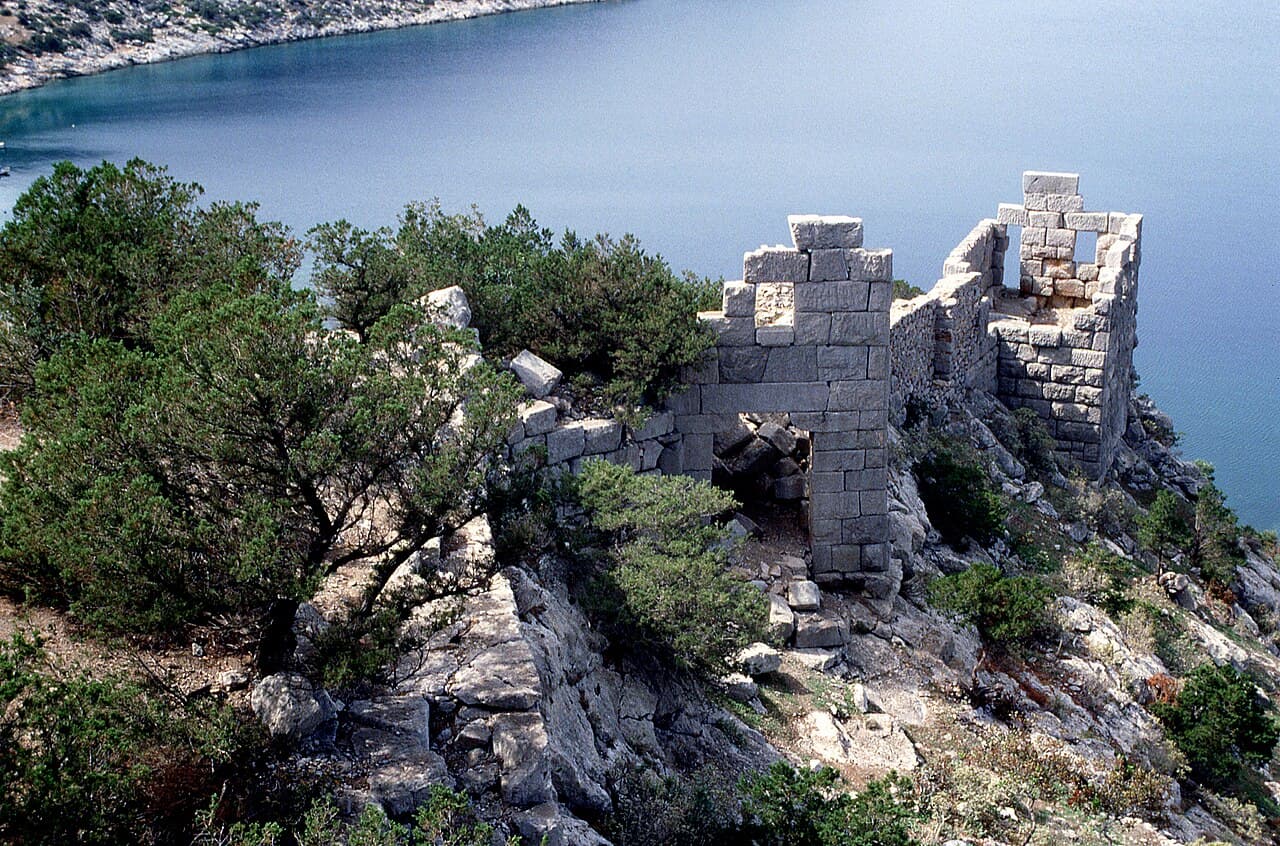
The site of ancient Siphae is identified near the modern village of Aliki in Greece. The area is characterized by its strategic position on the coast, providing natural protection and access to maritime routes along the Corinthian Gulf. This coastal location would have been advantageous for trade, defense, and communication in antiquity.
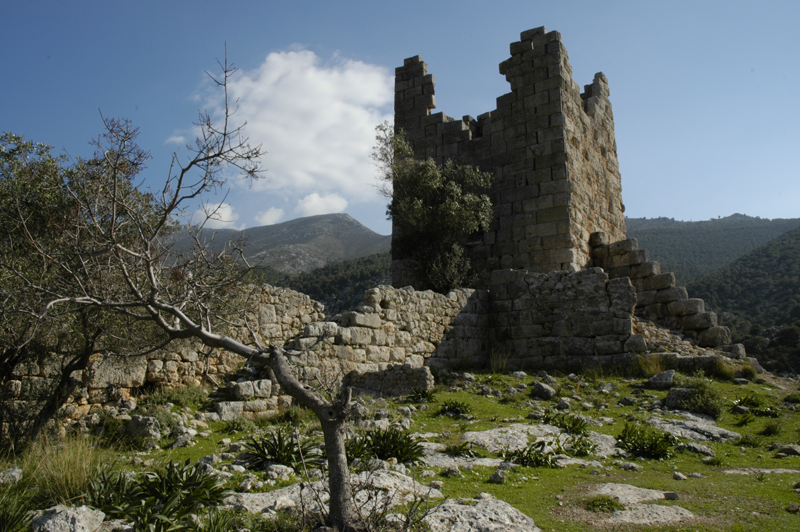
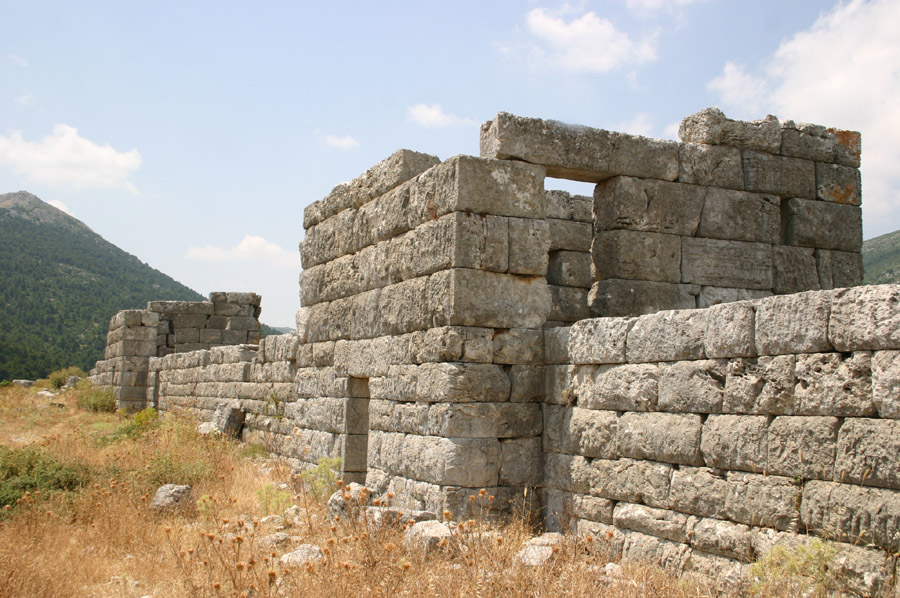
Although the exact architectural remains of the fortress are limited, the town's designation as a bastioned fortress suggests it featured defensive structures typical of fortified settlements in the region. These likely included stone walls, bastions or projecting defensive towers, and possibly a gate complex controlling access to the settlement. The fortress would have served both military and administrative functions, safeguarding the town and its inhabitants.
Historical significance and cultural heritage
Siphae's association with the Argonauts myth and the temple of Heracles places it within the rich tapestry of Greek cultural and religious history. The annual festival dedicated to Heracles indicates the town's role in perpetuating heroic cults and local traditions. Heracles was widely venerated throughout Greece, and his worship at Siphae reflects the integration of myth and ritual in community identity.
As a dependency of Thespiae, Siphae was part of the Boeotian League, a confederation of city-states that played a significant role in Greek politics and warfare during the classical period. This connection would have influenced Siphae's military obligations, economic activities, and political alliances.
Architectural features and fortress design
The classification of Siphae as a bastioned fortress implies a defensive system designed to withstand attacks and control the surrounding territory. Bastions are angular structures projecting from the main walls, allowing defenders to cover adjacent walls with flanking fire. This design became prominent in later medieval fortifications but may reflect earlier adaptations in Greek defensive architecture or later modifications during periods of conflict.
While detailed archaeological surveys are limited, the fortress likely included:
- Thick stone curtain walls to resist siege engines and infantry assaults.
- Bastions or towers positioned at strategic points for enhanced defense and observation.
- Moats or ditches may have been employed to impede attackers, though evidence is lacking.
- Internal buildings such as barracks, storerooms, and administrative centers.
Religious architecture
The temple of Heracles was a prominent religious building within Siphae. Temples dedicated to Heracles typically featured a rectangular plan with columns supporting an entablature and pediment. Although the exact remains at Siphae are not well preserved, the temple would have served as a center for worship and community gatherings during the annual festival and other occasions.
Modern status and preservation
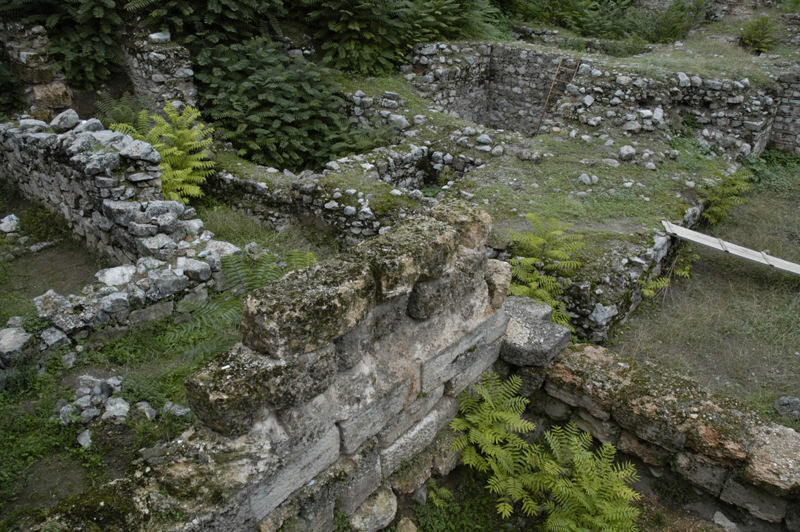
The site near Aliki today is primarily an archaeological location with limited visible remains. Excavations and surveys have provided insights into the town's layout and historical context, but much of the fortress's structure has not survived intact. The site is of interest to historians and archaeologists studying ancient Boeotian settlements and Greek coastal fortifications.
Preservation efforts focus on protecting the site from natural erosion and human impact, with ongoing research aimed at uncovering more details about Siphae's urban and military architecture. Visitors to the area can explore the landscape and nearby historical sites, gaining an appreciation for the region's ancient heritage.
Frequently asked questions (FAQ)
- What is the historical significance of Siphae Castle?
- Siphae Castle, located in Greece, was strategically built to protect the ancient city of Siphae during the classical period. Its ruins offer insights into the military architecture of the time and the importance of the region in historical trade routes.
- When was Siphae Castle constructed?
- Siphae Castle is believed to have been constructed in the 4th century BC, during a time when city-states were establishing fortifications to defend against invasions. The castle has stood for centuries, reflecting the architectural evolution of defensive structures in ancient Greece.
- What are the opening hours for Siphae Castle?
- Siphae Castle is open to visitors daily from 9 AM to 6 PM, with extended hours during the summer months. It is advisable to check local listings for any seasonal changes or special closures.
- Can I access Siphae Castle with mobility issues?
- Siphae Castle has uneven terrain and some steep areas, which may pose challenges for visitors with mobility issues. However, the site is partially accessible, and staff are available to assist with navigating the grounds.
- What is the best time to visit Siphae Castle?
- The best time to visit Siphae Castle is during the spring and fall when the weather is mild and the landscape is particularly beautiful. Summer can be hot and crowded, while winter may bring cooler temperatures and occasional rainfall.
- Are there any nearby attractions to visit after exploring Siphae Castle?
- Yes, after visiting Siphae Castle, you can explore the nearby archaeological site of ancient Siphae, as well as the picturesque town of Delphi, which is a short drive away. Both locations offer rich historical insights and stunning landscapes.
- How much do tickets to Siphae Castle cost?
- Tickets to Siphae Castle are reasonably priced, typically around €5 for adults, with reduced rates for students and seniors. Children under 12 may enter for free, making it an affordable family outing.
- Is it possible to take guided tours at Siphae Castle?
- Yes, guided tours are available at Siphae Castle, providing a deeper understanding of its history and architectural features. These tours can be booked in advance and are highly recommended for a more enriching experience.

Information
Loading map...
Visitor reviews
No reviews yet. Been here? Write the first review and help other travelers!
Write the first reviewVisited this castle? Share your experience
Your review helps other travelers and adds first-hand knowledge to our encyclopedia.