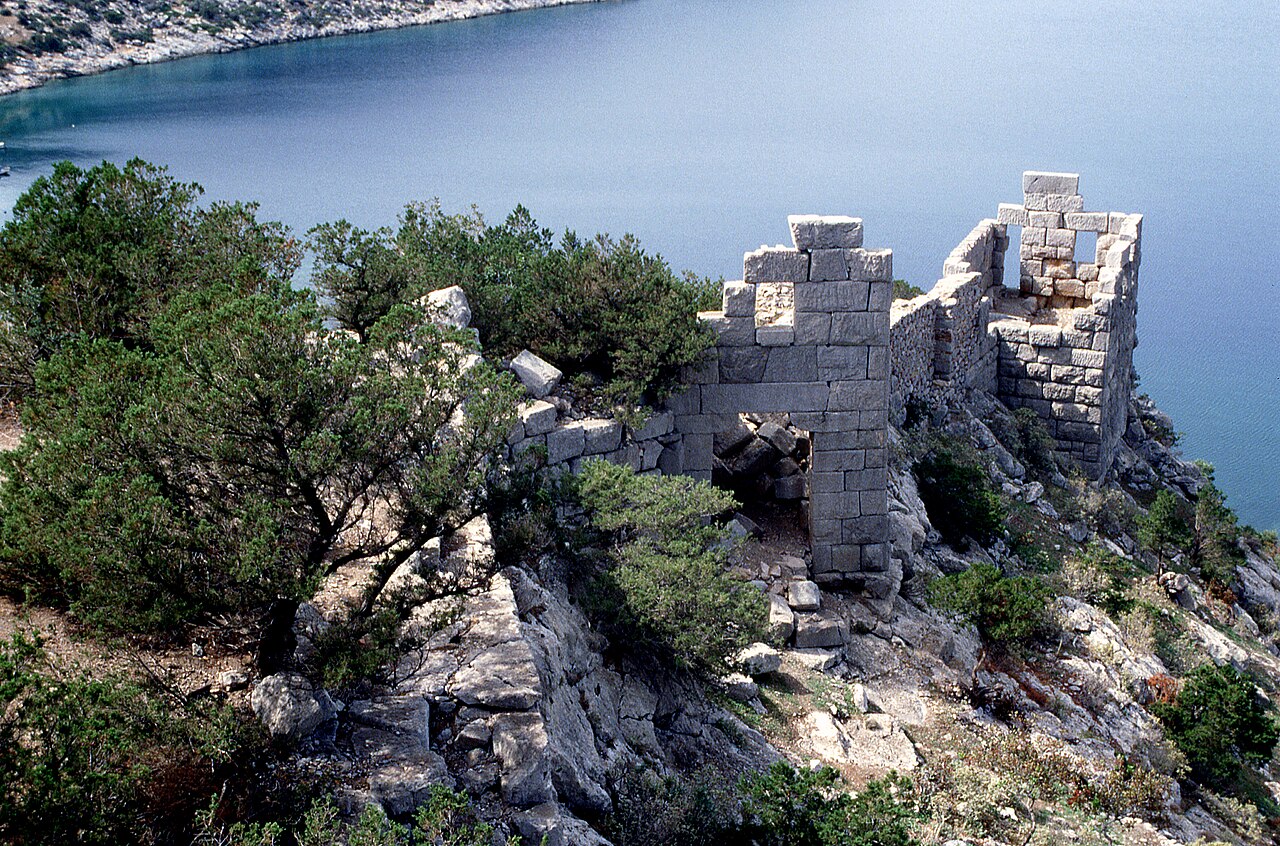
Aigosthena (Ancient Greek: Αἰγόσθενα) was a prominent ancient Greek fortified port city belonging to the region of Megaris, located approximately 19 km northwest of the ancient city of Megara. This strategic settlement lay on the east side of the Gulf of Corinth, at the foot of Mount Cithaeron, extending down to the sea at the inlet known as Aigosthena. Today, the site is also associated with the modern coastal settlement called Porto Germeno.
Historical significance and location
The city of Aigosthena played a vital role as a fortified port in ancient Greek maritime and military networks. Its position on the coast made it an important point of defense and trade for the Megarian territory. The ancient fortifications of Aigosthena are among the best-preserved examples of Greek military architecture from the classical and Hellenistic periods.
Architectural features of the citadel
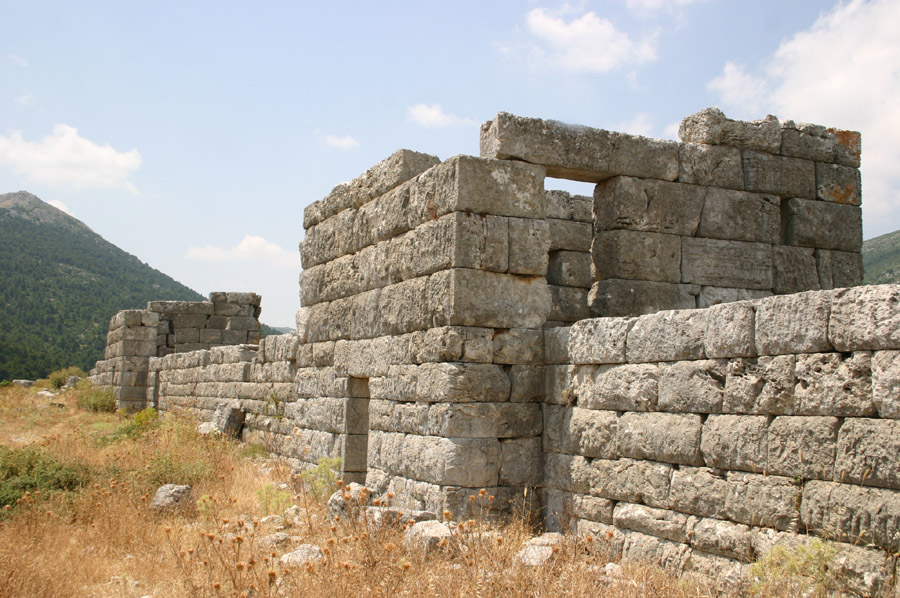
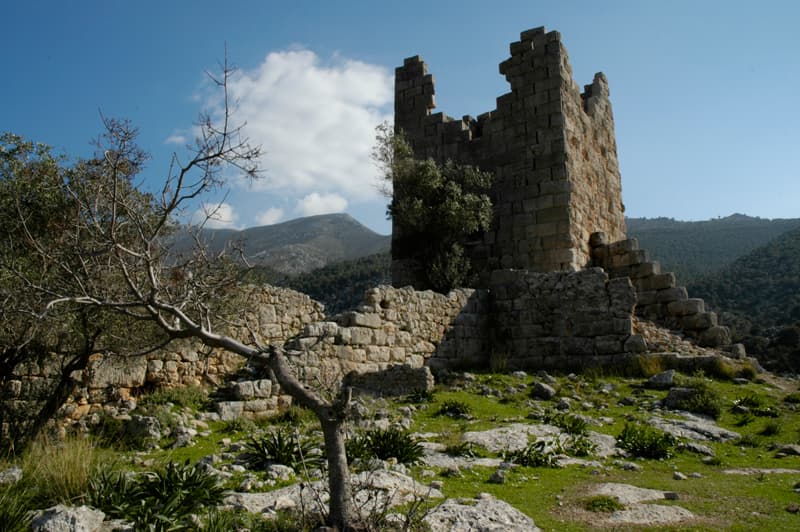
The ancient citadel at Aigosthena is renowned for its exceptionally tall surviving towers, which are some of the tallest extant structures from ancient Greece. The fortification walls stretch from the slopes of Mount Cithaeron down to the sea, enclosing a defensive complex that protected the city and its harbor.
The fortification system includes massive stone walls built with large, well-cut blocks, typical of classical Greek ashlar masonry. The defensive walls incorporate several towers, bastions, and gates designed to provide a stronghold against invaders. The walls' construction demonstrates advanced engineering techniques of the time, combining functionality with imposing aesthetics.
Towers and defensive structures
The towers of Aigosthena stand out for their height and solidity. They were designed to offer wide vantage points for surveillance over the sea and surrounding land, enabling early warning of approaching enemies. The towers also served as platforms for archers and other defenders during sieges.
The walls and towers are built mainly from local limestone, carefully dressed and fitted without mortar in some sections, a technique known as dry stone masonry. The preservation of these towers provides valuable insight into ancient Greek military architecture and defensive strategies.
Archaeological importance and current condition
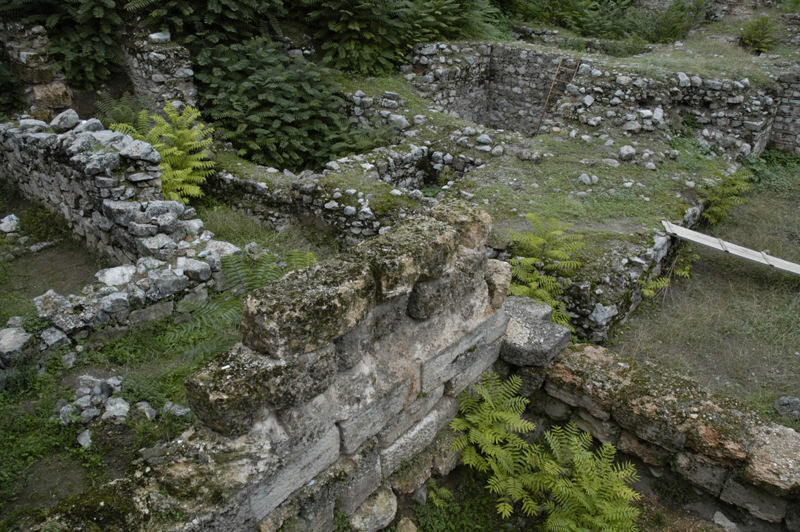
Today, Aigosthena is classified as an archaeological ruin site, with much of the ancient city and its fortifications in a state of ruins. Despite this, the site retains significant portions of its defensive walls and towers, attracting scholars and visitors interested in ancient Greek fortifications.
The site offers a rare glimpse into the scale and sophistication of ancient Greek coastal fortresses. Excavations and studies have helped clarify the layout and construction phases of the citadel, contributing to broader understanding of Greek military architecture during the classical era.
Access and visitor information
The ruins of Aigosthena are accessible to visitors interested in exploring ancient Greek history and architecture. The site is open year-round, although facilities are minimal due to its archaeological nature. Visitors can walk along the remains of the walls and climb some of the towers, enjoying views of the Gulf of Corinth and surrounding landscape.
Nearby, the modern settlement of Porto Germeno provides amenities such as accommodation and dining, making it a convenient base for exploring the ruins. The combination of natural beauty and historical significance makes Aigosthena a noteworthy destination for cultural tourism in Greece.
Frequently asked questions (FAQ)
- How do I get to Aigosthena from Athens?
- Aigosthena is accessible by car from Athens via the National Road towards Megara, followed by local roads to Porto Germeno. The journey typically takes about 1.5 to 2 hours.
- What is the best time to visit Aigosthena?
- The best time to visit Aigosthena is during spring and autumn when the weather is mild and the site is less crowded, allowing for comfortable exploration of the ruins.
- Are there guided tours available at Aigosthena?
- Guided tours are occasionally available through local tour operators or the Greek Ministry of Culture, offering detailed insights into the site's history and architecture. Visitors should check in advance for availability.
- Is Aigosthena suitable for children and families?
- The site is open to visitors of all ages, but due to uneven terrain and ruins, supervision is advised for children. Families can enjoy the scenic views and historical atmosphere with appropriate caution.
- Can I climb the towers at Aigosthena?
- Some of the towers are accessible for climbing, providing panoramic views of the Gulf of Corinth. Visitors should exercise caution as the structures are ancient and partially ruined.
Photo gallery

Information
Current owner
Greek Ministry of Culture
Loading map...
Visitor reviews
No reviews yet. Been here? Write the first review and help other travelers!
Write the first reviewVisited this castle? Share your experience
Your review helps other travelers and adds first-hand knowledge to our encyclopedia.