Architectural features and design
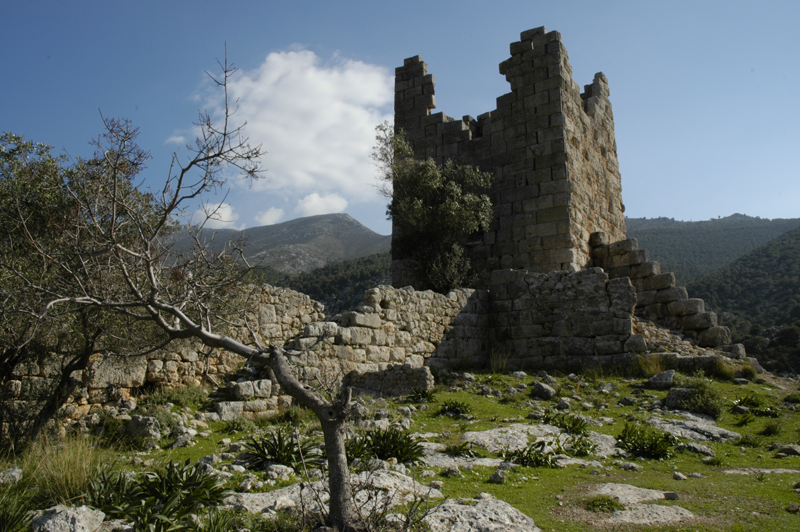
The fortress is characterized by its bastioned walls, which are angular projections extending from the main curtain walls. These bastions were designed to provide overlapping fields of fire, eliminating blind spots and allowing defenders to cover the fortress's perimeter effectively. The bastioned design represents a significant evolution in military architecture, responding to the increasing use of cannon and gunpowder weaponry in siege warfare.
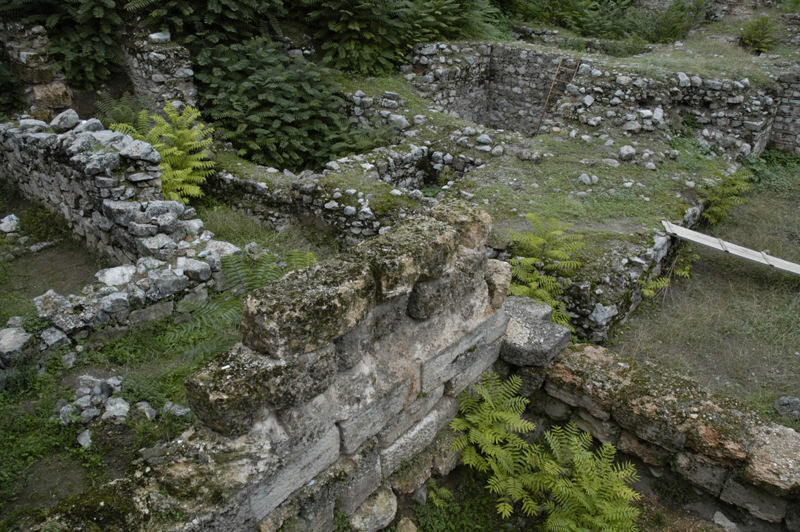
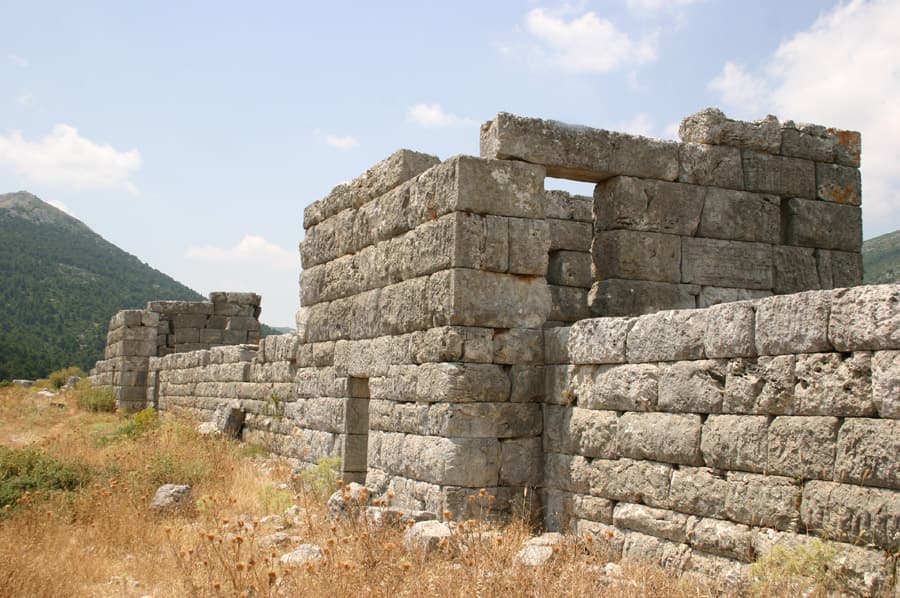
The walls of the fortress are constructed with thick masonry, built to absorb and deflect artillery fire. The layout likely includes curtain walls connecting the bastions, ravelins, and possibly a moat or ditch to impede attackers. The fortress's plan would have been carefully calculated to maximize defensive capabilities while accommodating troops and supplies.
Historical context and significance
Fortresses like Eleutherai were crucial in controlling strategic points such as trade routes, borders, or coastal areas in Greece. Their construction often dates back to the post-medieval period, reflecting the military innovations that emerged in response to evolving warfare tactics. The bastioned fortress style became widespread in Europe and the Mediterranean during the 16th to 18th centuries, influenced by Renaissance military engineering.
While specific historical events tied to the fortress of Eleutherai are not well documented, bastioned fortresses in Greece commonly played roles in regional defense against Ottoman expansion or piracy. Their presence underscores the importance of fortified sites in maintaining territorial control and protecting local populations.
Preservation and current condition
The current condition of the fortress of Eleutherai is not definitively recorded, but bastioned fortresses in Greece often exist today in varying states ranging from well-preserved to partially ruined. Preservation efforts, when undertaken, focus on stabilizing the masonry, restoring bastions, and making the site accessible for educational and tourism purposes.
Cultural and architectural legacy
The fortress of Eleutherai contributes to the broader understanding of military architecture in the Mediterranean region. Its bastioned design reflects the adaptation of Greek fortifications to the demands of gunpowder warfare and the influence of Renaissance military science. Such fortresses are valuable for studying the transition from medieval castles to modern fortifications.
Visitors to similar bastioned fortresses can observe the strategic use of geometry in defense, the integration of artillery positions, and the robust construction techniques that have allowed these structures to endure. The fortress of Eleutherai, though less documented, remains an important example of this architectural and historical heritage.
Frequently asked questions (FAQ)
- Where is the fortress of Eleutherai located?
- The exact city location of the fortress of Eleutherai in Greece is currently unknown, but it is recognized as a bastioned fortress within the country.
- What is a bastioned fortress?
- A bastioned fortress features angular bastions projecting from the walls, designed to provide overlapping fields of fire and improve defense against artillery attacks.
- When were bastioned fortresses commonly built?
- Bastioned fortresses were commonly constructed between the 16th and 18th centuries, reflecting advancements in military architecture during the post-medieval period.
- Can visitors access the fortress of Eleutherai?
- Information about public access or visiting hours for the fortress of Eleutherai is not currently available due to limited documentation.
- What role did bastioned fortresses play in Greek history?
- Bastioned fortresses in Greece were important for controlling strategic locations and defending against invasions, including Ottoman expansion and piracy.
Photo gallery

Photo by Alexbogd•Public domain
Information
Loading map...
Visitor reviews
No reviews yet. Been here? Write the first review and help other travelers!
Write the first reviewVisited this castle? Share your experience
Your review helps other travelers and adds first-hand knowledge to our encyclopedia.