Cadmea of Thebes
The Cadmea, also known as Cadmeia (Greek: Καδμεία, Kadmía), was the citadel of ancient Thebes, one of the most important cities in ancient Greece. Named after Cadmus, the legendary founder of Thebes, the Cadmea occupied a strategic position on a rocky hill in the city center, serving as the fortified core and administrative center of Theban power.
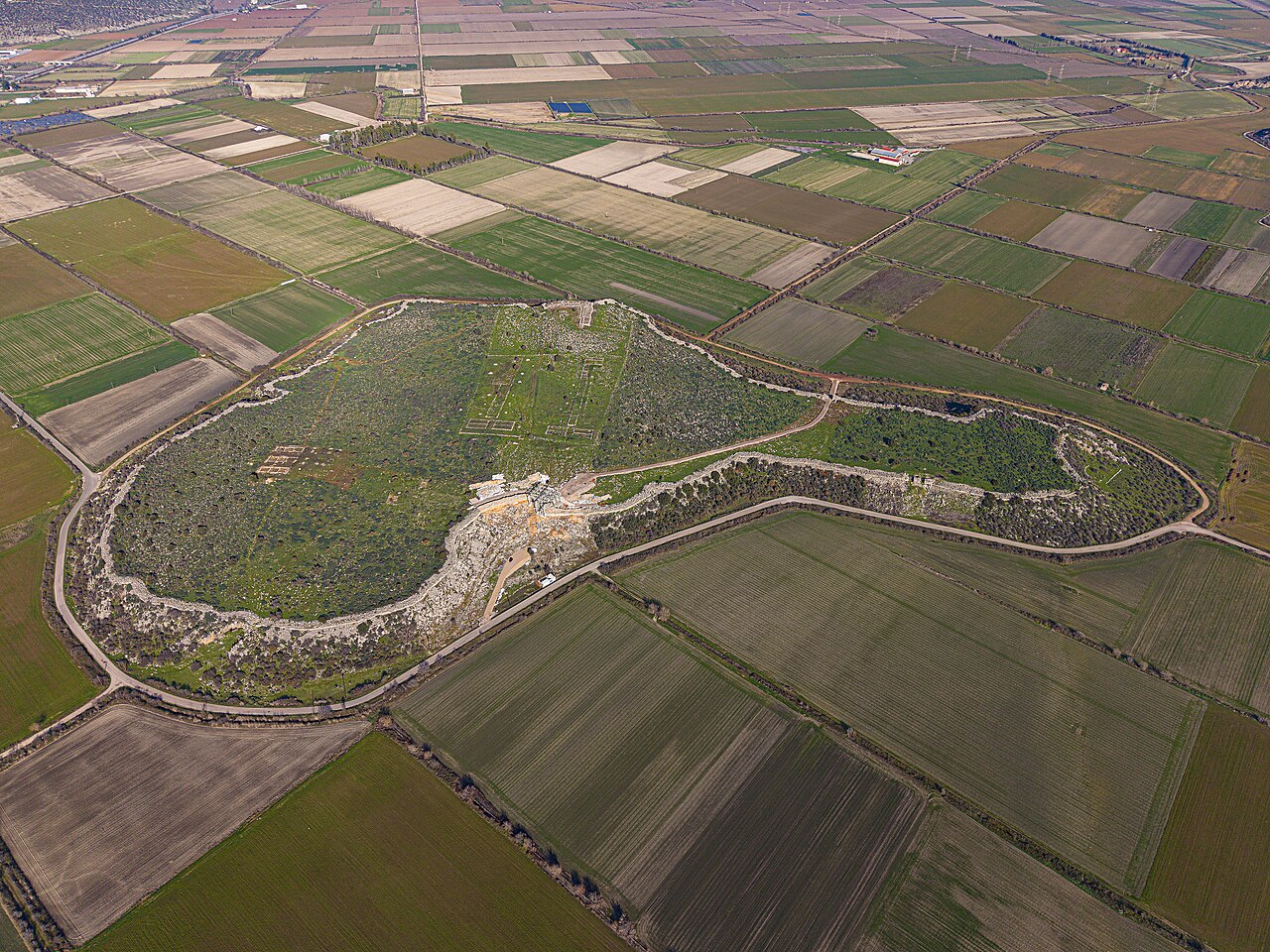
The site of the Cadmea has been settled since at least the early Bronze Age, but archaeological evidence reliably dates continuous occupation and fortification from the late Mycenaean period around 1400 BC. This makes it one of the oldest continuously inhabited fortified sites in Greece. The citadel's location was chosen for its natural defensive advantages, commanding views over the surrounding plains and controlling access to the city.
Historical significance and mythological origins
The Cadmea holds a central place in Greek mythology and history. According to legend, Cadmus, a Phoenician prince, founded Thebes after following a divine instruction to sow dragon's teeth, from which sprang a race of warriors who helped establish the city. The citadel's name preserves this mythic heritage, linking the physical fortress to the city's mythical foundation.
Historically, the Cadmea was the political and military heart of Thebes, playing a crucial role in various historical events, including the Peloponnesian War and the Theban hegemony in the 4th century BC. It was the site where Theban leaders and councils met and where the city's defenses were strongest.
Architectural features and fortifications
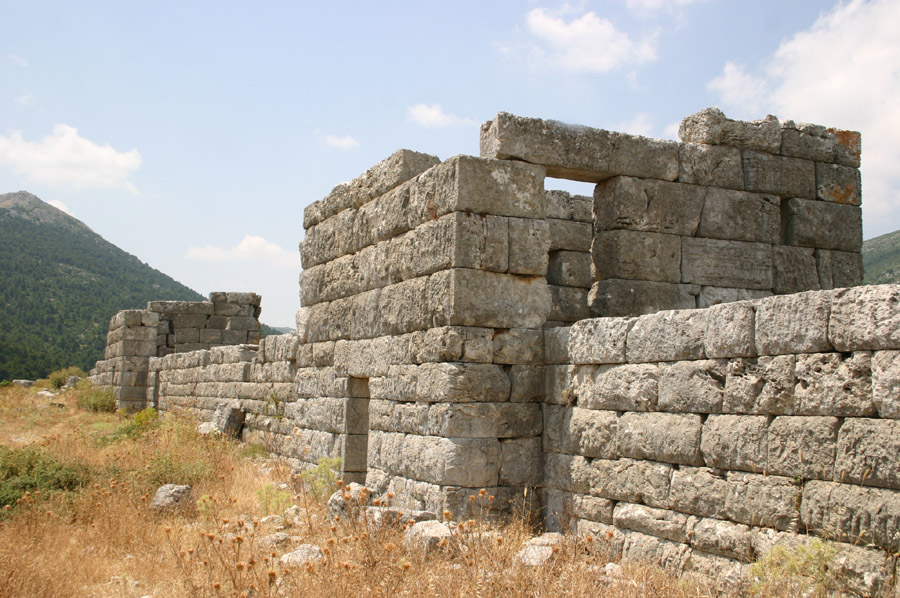
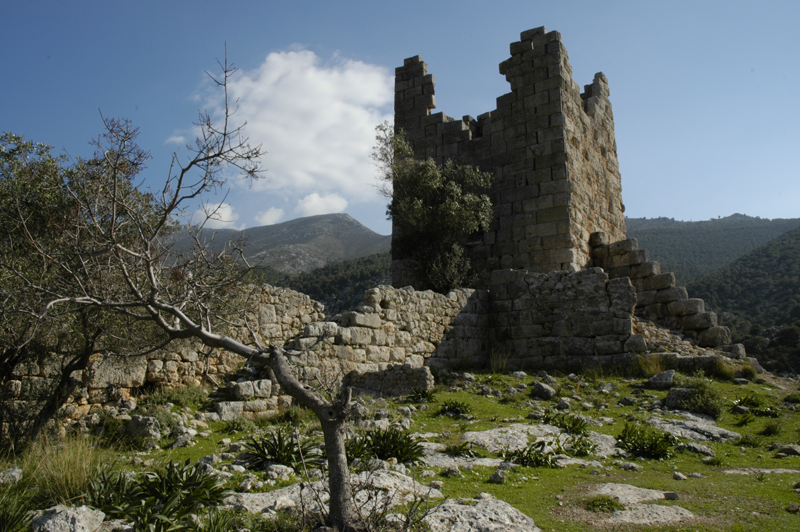
The Cadmea was a bastioned fortress characterized by massive stone walls built to withstand sieges and attacks. The fortifications incorporated towers and gatehouses designed to provide overlapping fields of fire and strong defensive positions. The walls were constructed using large, well-cut stones, typical of Mycenaean and later Greek military architecture.
Within the citadel, there were various administrative buildings, residences, and temples, reflecting its dual role as a military stronghold and a center of governance and religion. The layout of the Cadmea evolved over centuries, adapting to changing military technologies and political needs.
Defensive advantages
Situated on a rocky hill, the Cadmea's natural elevation provided significant defensive advantages. Attackers faced steep slopes and limited approaches, which were further secured by the fortress's walls and towers. The design included bastions projecting from the walls, allowing defenders to cover the base of the walls with missile fire, a sophisticated feature for its time.
Archaeological findings and historical research
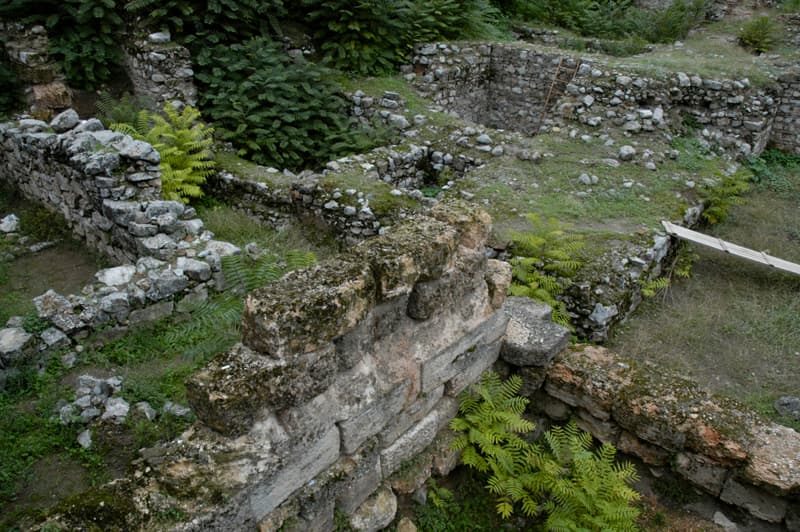
Excavations at the Cadmea have uncovered remains of fortification walls, ceramic artifacts, and traces of Mycenaean pottery, confirming the site's long occupation. Archaeologists have also identified layers corresponding to different historical phases, from the late Bronze Age through classical antiquity.
The site's importance is underscored by references in classical texts, which describe the Cadmea as a symbol of Theban strength and resilience. It was famously seized by Spartan forces during the Peloponnesian War, temporarily disrupting Theban control.
The cadmea's legacy in modern times
Today, the Cadmea remains a significant archaeological site in Thebes, Greece, although much of its ancient structure survives only in ruins. It is recognized for its cultural and historical importance, providing insight into ancient Greek military architecture and urban development.
The site continues to attract scholars and visitors interested in the Mycenaean period, Greek mythology, and the history of Thebes. Preservation efforts focus on maintaining the ruins and facilitating archaeological research.
Cultural significance
The Cadmea symbolizes the enduring legacy of Theban civilization and its role in Greek history. Its association with Cadmus links it to the broader narrative of Greek myth and the origins of Greek city-states. The fortress exemplifies the evolution of fortified architecture from the Bronze Age through classical antiquity.
Frequently asked questions (FAQ)
- What is the historical significance of the Cadmea in Thebes?
- The Cadmea was the fortified citadel and political center of ancient Thebes, playing a key role in Greek mythology and historical events such as the Peloponnesian War.
- When was the Cadmea first settled and fortified?
- The area of the Cadmea has been settled since the early Bronze Age, with reliable fortifications dating back to the late Mycenaean period around 1400 BC.
- Can visitors explore the ruins of the Cadmea today?
- Yes, the Cadmea remains an archaeological site in Thebes, Greece, where visitors can see the ruins of ancient fortifications and learn about its historical importance.
- What architectural features made the Cadmea a strong fortress?
- The Cadmea featured massive stone walls, bastions, towers, and gatehouses designed to provide strong defensive capabilities and control over the city.
- Why is the Cadmea important in Greek mythology?
- The Cadmea is named after Cadmus, the legendary founder of Thebes, linking the fortress to the mythic origins of the city and its cultural identity.
Photo gallery

Information
Loading map...
Visitor reviews
No reviews yet. Been here? Write the first review and help other travelers!
Write the first reviewVisited this castle? Share your experience
Your review helps other travelers and adds first-hand knowledge to our encyclopedia.