Sinop Castle
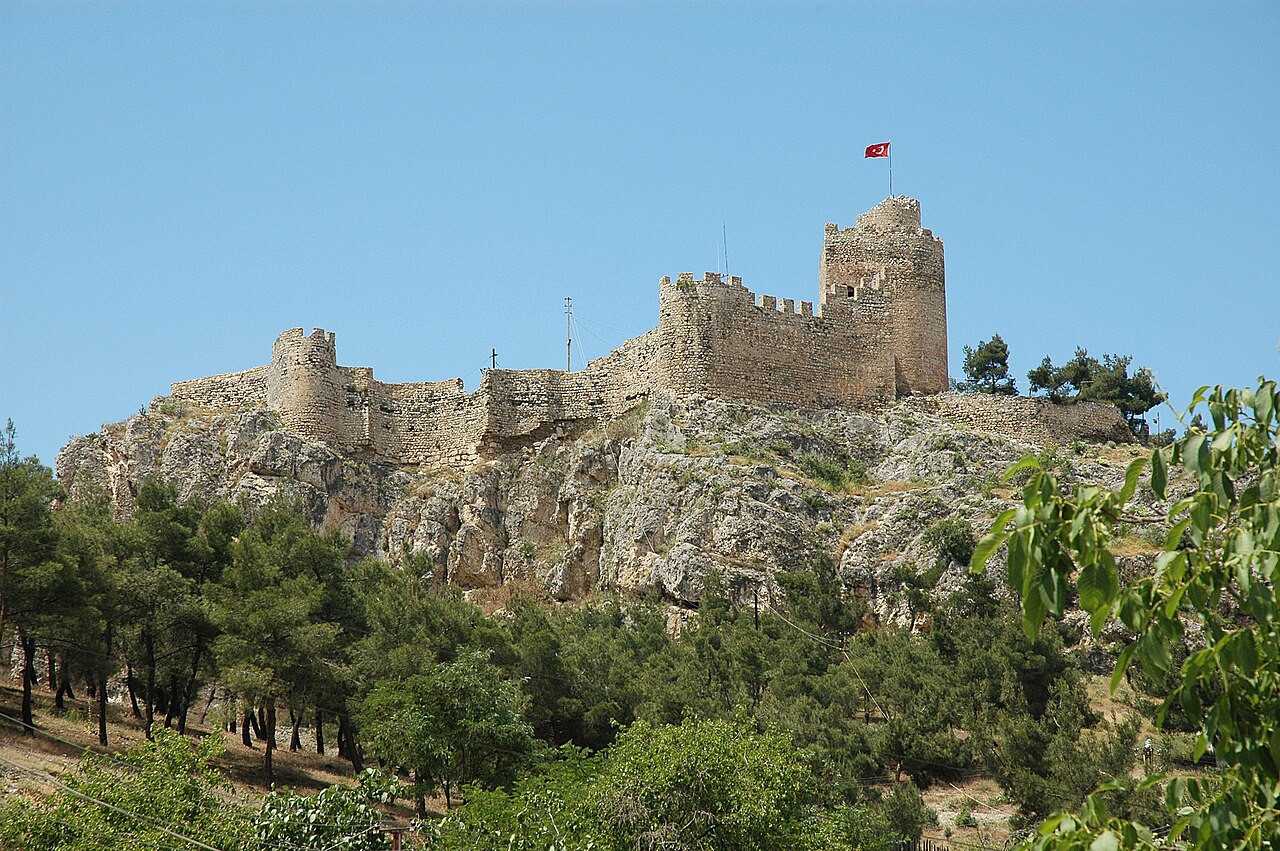
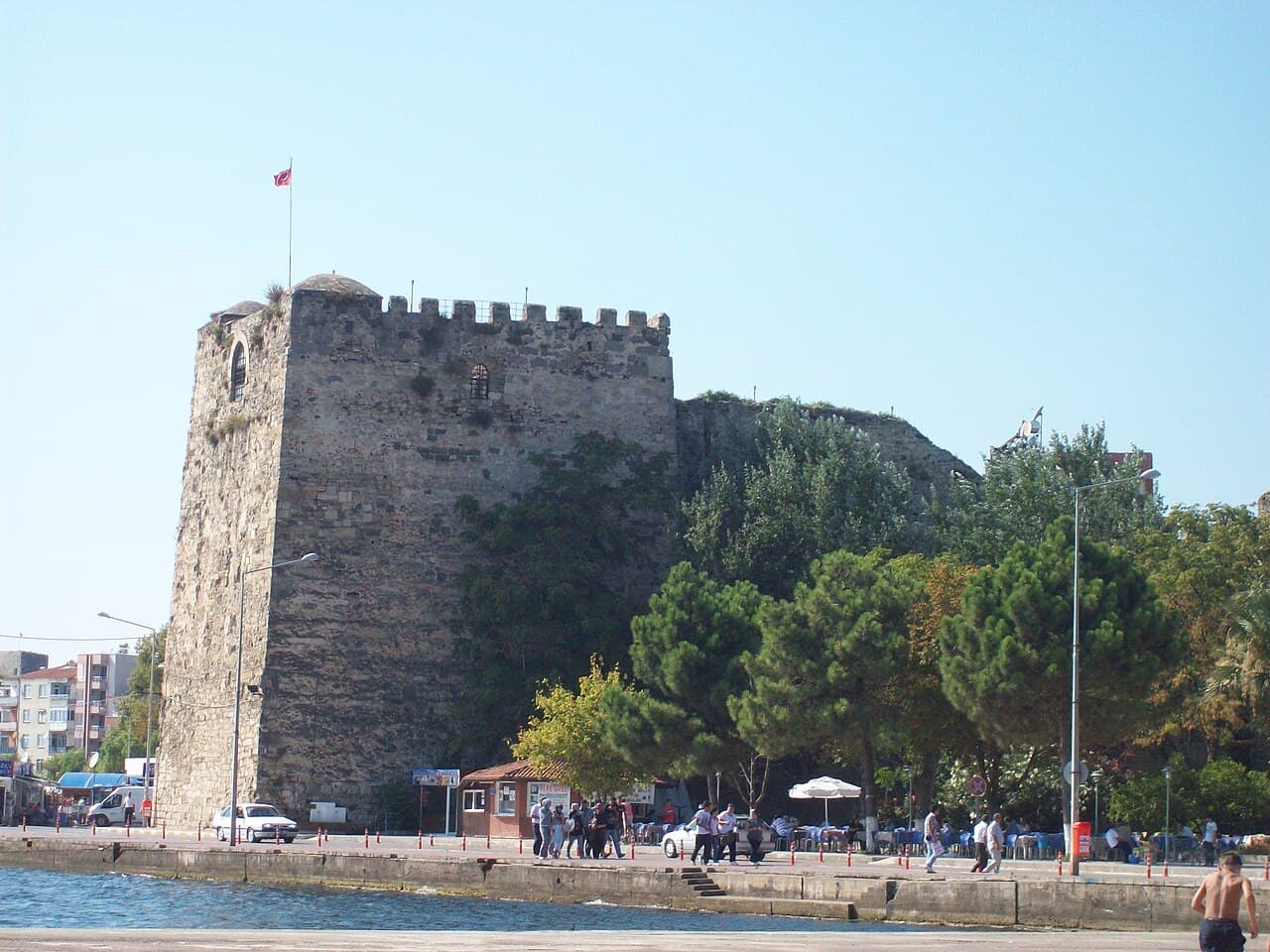
Sinop Castle is a remarkable hill castle located on a strategic peninsula in the city of Sinop, Turkey. Its origins trace back to the 7th century BCE, when it was established by ancient Greek colonists to protect the growing settlement. Although some theories suggest an earlier foundation during the Hittite period, this remains unconfirmed by archaeological evidence. The castle's location on a peninsula allowed it to control maritime access and defend the city from both land and sea threats.
Early history and classical antiquity
The fortress gained prominence during the Hellenistic period and especially under the rule of King Mithridates VI of Pontus in the 1st century BCE. Around 72 BCE, Mithridates IV (often conflated with Mithridates VI) undertook significant urban development, enhancing Sinop's defenses by constructing fortified walls that integrated the castle with the city's civic structures, including a temple, theater, gymnasium, and palace. This period marked Sinop as a fortified urban center with a strong military and cultural presence on the Black Sea coast.
Byzantine and seljuk transformations
During the Byzantine era, Sinop Castle continued to serve as a vital military and administrative hub, although detailed records of changes during this time are limited. The castle's strategic importance persisted through numerous regional conflicts. In the early 13th century, the Anatolian Seljuks undertook extensive repairs and expansions under the orders of Sultan Izzeddin Keykavus I between 1215 and 1218. The Seljuks added robust towers and fortified bastions, enhancing the castle's ability to withstand sieges and protect the harbor entrance. They also constructed an inner castle section to secure maritime access, reflecting the evolving military architecture of the period.
Seljuk architectural features
The Seljuk additions are characterized by their imposing bastions approximately 8 meters wide and reaching the height of the walls at about 25 meters. The use of rubble stone, cut stone, and brick bonded with mortar in construction exemplifies typical Seljuk masonry techniques. The inner castle's division into northern and southern sections allowed for layered defense, with the southern part protecting the inner harbor and spanning roughly 9,500 square meters, while the northern section covers about 16,875 square meters.
Later restorations and ottoman period
In the 15th century, the castle underwent further restoration under the Isfendiyarids, a local dynasty that controlled the region before Ottoman annexation. By 1451, the Ottoman Empire had taken control of Sinop Castle, continuing to maintain and repair the fortress. Inscriptions found on the walls from various periods record the names of commanders responsible for these works, underscoring the site's ongoing military relevance.
Gates and access points
The castle originally featured four main gates, but by the time of the Ottoman traveler Evliya Çelebi in the 17th century, up to six gates were documented: Kum Gate, Meydan Gate, Shipyard Gate, Janissary Gate, Tanners’ Gate, and Guild Gate. Additionally, a Sea Gate on the outer castle side allowed maritime entry. These gates were fortified with double-winged iron doors, a testament to the fortress's robust defensive design.
Structural layout and defensive design
The castle's defensive walls enclose the old city on the peninsula with a circumference of approximately 2,050 meters. These walls stand about 25 meters tall and 3 meters thick, constructed using a combination of rubble stone, cut stone, and brick. The walls extend roughly 800 meters north, 500 meters east, 400 meters south, and 270 meters west, outlining the fortress's extensive footprint.
The division into an outer castle surrounding the city and an inner castle with northern and southern parts allowed for multi-layered defense. The inner castle's southern section faces the inner harbor, crucial for controlling naval access, while the northern section forms a larger fortified enclosure.
Towers and bastions
The castle's silhouette is dominated by the tall bastions and towers constructed during the Seljuk period, which remain prominent features today. These bastions, about 8 meters wide and 25 meters high, provided commanding views and strong defensive positions against attackers. Their construction reflects the military architectural advances of the early 13th century.
Historical significance and military role
Throughout its history, Sinop Castle played a critical role in regional defense and administration. It withstood multiple attacks, including raids by Ukrainian Cossack forces, highlighting its strategic importance on the Black Sea coast. The castle also functioned as a local prison, demonstrating its role beyond purely military functions to include governance and law enforcement.
Modern preservation and cultural heritage
Recognized for its cultural and historical value, Sinop Castle was added to the UNESCO Tentative World Heritage List in 2013. Conservation efforts resumed in 2019 to preserve the castle's extensive ruins and protect its architectural legacy. These efforts aim to maintain the fortress in situ, allowing visitors to experience a tangible connection to centuries of military history and architectural evolution.
Today, Sinop Castle stands as a testament to the layered history of Anatolia, showcasing the influences of ancient Greek, Roman, Byzantine, Seljuk, Isfendiyarid, and Ottoman civilizations. Its massive walls, imposing towers, and strategic location continue to attract scholars, tourists, and history enthusiasts interested in the military architecture and cultural heritage of the Black Sea region.
Frequently asked questions (FAQ)
- How do I get to Sinop Castle?
- Sinop Castle is located on a peninsula in the city of Sinop, accessible by road from major cities in Turkey. Visitors can reach the castle by car or local transport, with parking available nearby.
- What are the opening hours of Sinop Castle?
- The castle is generally open to visitors during daylight hours, typically from 9:00 AM to 6:00 PM, but it is advisable to check local schedules as they can vary seasonally.
- Is there an entrance fee to visit Sinop Castle?
- Entrance to Sinop Castle is usually free, but some special exhibitions or guided tours may require a small fee. Visitors should verify current ticket policies before visiting.
- What architectural styles are visible at Sinop Castle?
- Sinop Castle features a mix of architectural styles, including ancient Greek foundations, Roman enhancements, Byzantine military structures, and significant Seljuk fortifications with later Ottoman modifications.
- Can I explore the inner castle and towers?
- Visitors can explore the outer walls and some sections of the inner castle, including towers and bastions. However, access to certain areas may be restricted due to preservation efforts.
- When is the best time to visit Sinop Castle?
- The best time to visit Sinop Castle is during spring and autumn when the weather is mild and conducive to outdoor exploration. Summers can be hot, and winters may be cold and rainy.
Photo gallery

Information
Current owner
Turkish government
Loading map...
Visitor reviews
No reviews yet. Been here? Write the first review and help other travelers!
Write the first reviewVisited this castle? Share your experience
Your review helps other travelers and adds first-hand knowledge to our encyclopedia.