Paşa Bastions
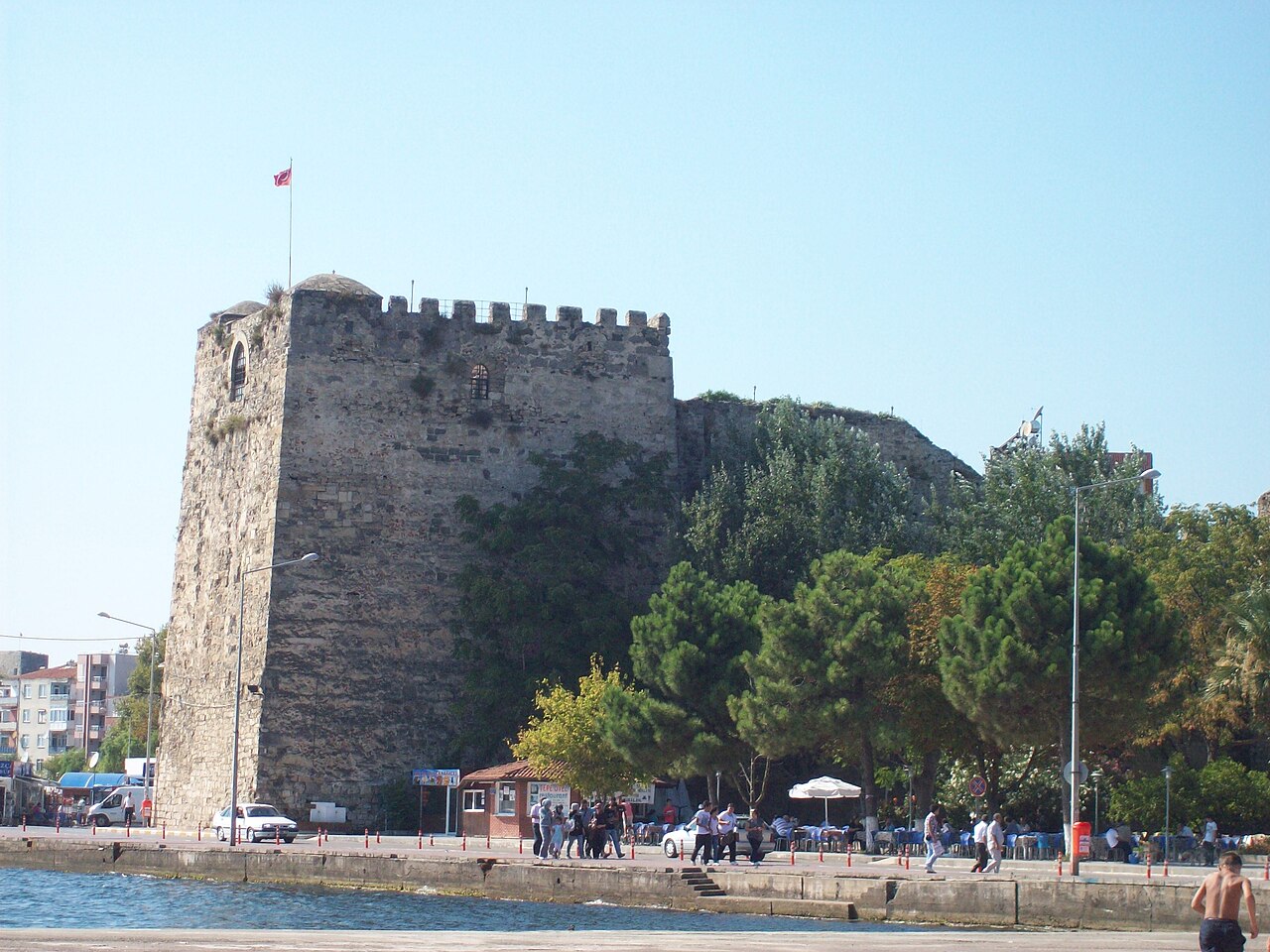
The Paşa Bastions, also known locally as Paşa Tabyaları, are a distinctive example of 19th-century Ottoman military architecture located in the city of Sinop, in the northern province of Sinop, Turkey. Despite the plural name, the fortification is actually a single, half-moon shaped bastion constructed to protect the strategic harbor and shipyard of Sinop, an important Black Sea port.
Historical context and strategic importance
Constructed during the 19th century, the Paşa Bastions were part of the Ottoman Empire's efforts to modernize and strengthen its coastal defenses amid increasing naval threats in the Black Sea region. Sinop had long been a significant naval base and commercial harbor, and the bastion was built to guard the southern approach to the Sinop peninsula, approximately 3 kilometers east of the old city center.
The bastion's location on the southern side of the Sinop peninsula allowed it to oversee and control access to the harbor, providing a line of defense against potential naval attacks. This was particularly important in the 19th century when naval artillery and ship-based warfare were evolving rapidly.
Architectural features and layout
The Paşa Bastions are characterized by their half-moon (crescent) shape, a common design for coastal bastions intended to maximize the field of fire over the sea. The structure included 11 cannon emplacements, strategically positioned to cover the harbor entrance and surrounding waters.
Inside the bastion, there were dormitories for soldiers stationed to man the defenses, as well as an arsenal for storing munitions and supplies. The design reflects typical Ottoman military engineering of the period, combining functional defensive features with accommodations for a garrison.
While detailed architectural plans are scarce, the bastion's robust walls and embrasures for artillery illustrate its role as a coastal fortress designed to withstand naval bombardment and repel enemy ships.
Later use and current condition
Following its military use, the Paşa Bastions were eventually demilitarized, though the exact date of this transition is not well documented. In recent decades, the site was repurposed as a restaurant with an open-air terrace, capitalizing on its scenic coastal location and historic ambiance.
Currently, the bastion is not accessible to the public and appears to be abandoned and overgrown, with various types of cannons scattered around the site. The structure is partially preserved but shows signs of neglect, with nature reclaiming parts of the fortification.
Significance and heritage value
The Paşa Bastions represent a tangible link to the Ottoman Empire's coastal defense strategy in the Black Sea region during the 19th century. As a modern period military fortification, it illustrates the transition from medieval fortress designs to artillery-focused coastal defenses adapted to new naval technologies.
Though smaller and less complex than larger fortresses, the bastion's design and location highlight the importance of Sinop as a naval hub and the Ottoman efforts to maintain control over this strategic port.
Frequently asked questions (FAQ)
- What is the historical significance of Paşa Bastions?
- Paşa Bastions, located in Sinop, Turkey, is a remarkable example of military architecture from the Ottoman period. Built in the late 17th century, these bastions served as a crucial defense point against naval attacks and reflect the strategic importance of Sinop as a port city. Today, they stand as a testament to the region's rich history and military heritage.
- When was Paşa Bastions constructed?
- The construction of Paşa Bastions began in 1693 and was completed in the early 18th century. These fortifications were designed to strengthen the city's defenses during a time of frequent conflicts in the region. The bastions have since been preserved, allowing visitors to appreciate their historical context.
- What are the opening hours for visiting Paşa Bastions?
- Paşa Bastions are typically open to visitors from 9:00 AM to 7:00 PM during the summer months and from 9:00 AM to 5:00 PM in the winter months. It’s advisable to check the official tourism website or local listings for any seasonal changes or special events that may affect these hours.
- Can I enter Paşa Bastions for free?
- There is a nominal entrance fee to access Paşa Bastions, which helps with the maintenance and preservation of the site. Ticket prices are generally affordable, making it accessible for most visitors. Children and students may receive discounts, so it's worth inquiring at the ticket booth.
- Is it possible to take guided tours of Paşa Bastions?
- Yes, guided tours are available at Paşa Bastions for those interested in a more in-depth understanding of its history and architecture. These tours are often conducted by knowledgeable local guides who can provide insights and stories about the bastions. It's recommended to book in advance during peak tourist seasons.
- What is the best time to visit Paşa Bastions?
- The best time to visit Paşa Bastions is during the spring (April to June) and fall (September to October) when the weather is pleasant and the crowds are smaller. These seasons offer a more enjoyable experience for exploring the bastions and the surrounding area. Summer can be quite hot, while winter may bring cooler temperatures.
- Are there any nearby attractions to visit after exploring Paşa Bastions?
- Yes, after visiting Paşa Bastions, you can explore other nearby attractions such as the Sinop Archaeological Museum and the historic Sinop Fortress. The beautiful coastline and beaches of Sinop are also within reach, offering opportunities for relaxation and scenic views. The area is rich in history and natural beauty, making it an ideal destination for a full day of exploration.
- How do I get to Paşa Bastions?
- Paşa Bastions are easily accessible from the center of Sinop, either by walking or taking local transport. If you're driving, there are parking options available nearby. The castle's location offers stunning views of the harbor and the Black Sea, making the journey worthwhile.
Information
Loading map...
Visitor reviews
No reviews yet. Been here? Write the first review and help other travelers!
Write the first reviewVisited this castle? Share your experience
Your review helps other travelers and adds first-hand knowledge to our encyclopedia.