Ginolu Castle

Ginolu Castle in Kastamonu, Turkey
Merkez, Turkey
Early Medieval (5th–10th c.)
Partially Restored

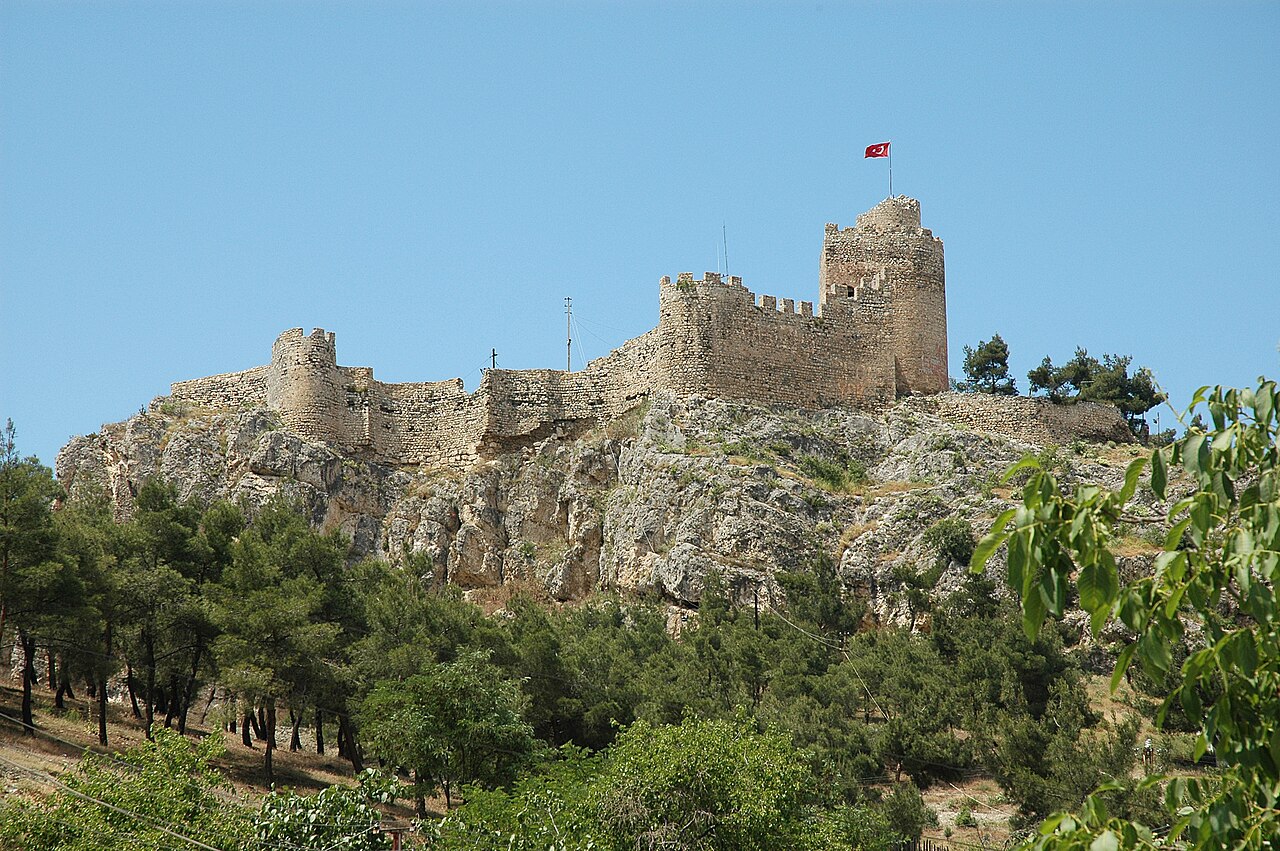
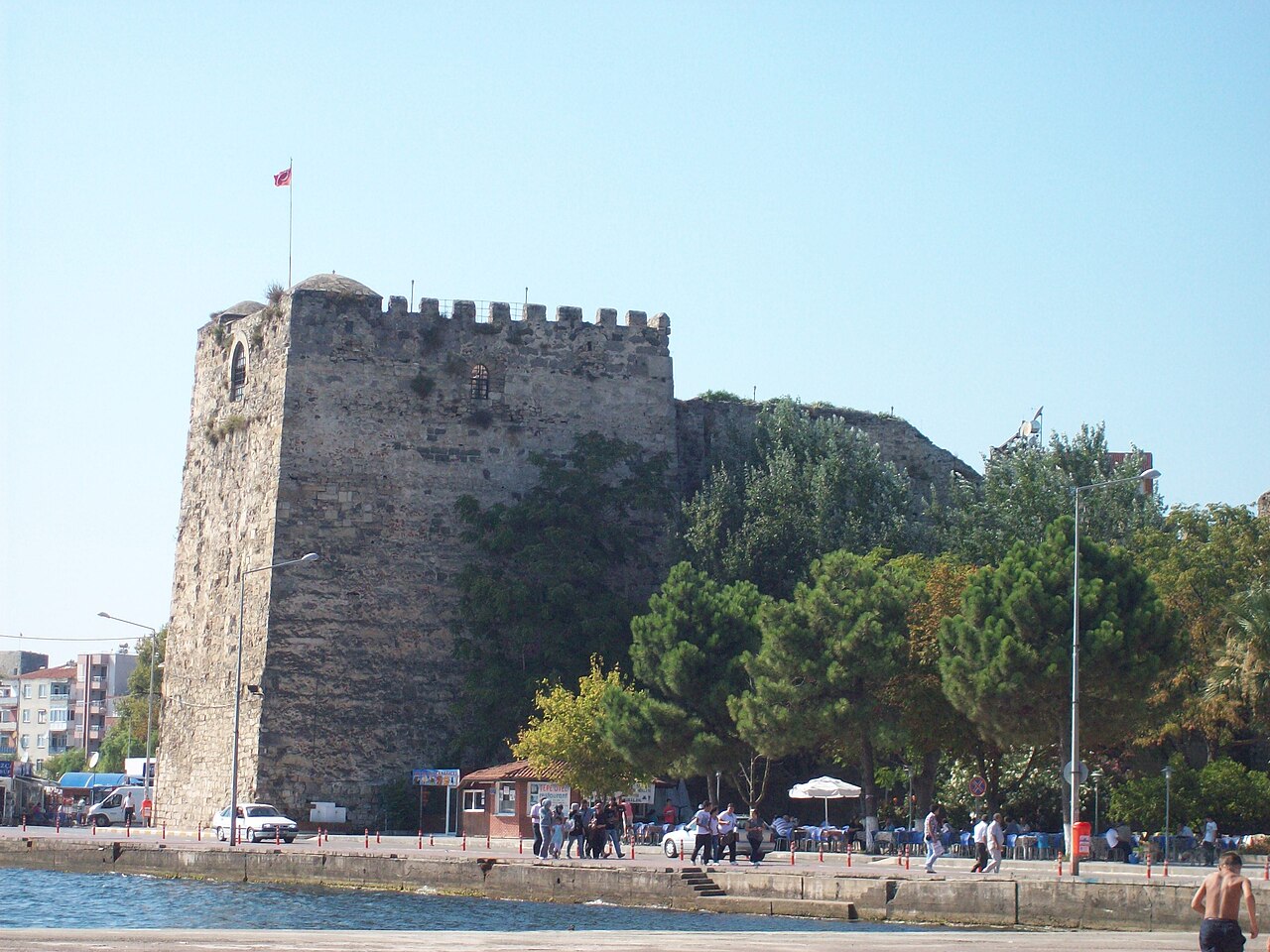
Ginolu Castle, locally known as Ginolu Kalesi, is situated in the village of Ginolu within the province of Kastamonu, Turkey. This historic site occupies a strategic promontory called Sürtüven Cape, which extends from east to west, guarding two bays—one small to the west and a larger bay to the east that currently functions as the village harbor.

Historical background and origins

The settlement of Ginolu traces its origins back to the 5th century BC, when it was established by Greek colonists and known as Kinolis. This early foundation highlights the area's significance as a coastal settlement in the ancient period, serving as a point of maritime activity and local trade.

While the initial settlement dates to classical antiquity, the existing Ginolu Castle structure is believed to have been constructed during the Byzantine Empire in the 9th or 10th century AD. This places the castle firmly within the early medieval period, a time when the Byzantine Empire fortified coastal locations to defend against incursions and secure maritime routes in the Black Sea region.

Subsequent history suggests that the castle was occupied by Genoese merchants or settlers between the 13th and 15th centuries. The Genoese presence in the Black Sea area was significant due to their extensive trade networks, and their control or use of coastal fortifications like Ginolu Castle was part of their commercial strategy.

By around 1460, the region came under the control of the Ottoman Empire. The Ottomans adapted the castle's interior for industrial use, notably for the production of linseed oil, reflecting a shift from purely military to economic functions during their administration.

Architectural features and strategic location

Ginolu Castle is characterized by its position atop the Sürtüven Cape, offering commanding views and natural defenses. The cape's north side features a vertical cliff descending sharply to the sea, where a cave at sea level is located. Local tradition and some archaeological speculation suggest the possible existence of a tunnel connecting the castle to this cave, which would have provided a secret access or escape route, although this remains unconfirmed.

The castle walls have undergone partial restoration efforts in recent decades, helping to preserve the structure and prevent further deterioration. Despite its modest size and relatively simple fortifications, Ginolu Castle's location was of considerable strategic importance, controlling access to the two adjacent bays and serving as a lookout point for maritime activity.

The castle's fortifications include stone walls adapted to the natural topography of the cape. The design reflects typical Byzantine military architecture of the period, emphasizing functionality and the use of natural landscape features for defense.

Current condition and visitor experience

Today, Ginolu Castle is freely accessible to visitors. While the castle itself may not present grand or elaborate architectural features compared to larger fortresses, its charm lies in the scenic setting and the surrounding natural environment.

The bays below the castle, especially the larger eastern bay now serving as the village harbor, provide picturesque views and a sense of the castle's historical maritime role. Visitors often appreciate the peaceful atmosphere and the opportunity to explore a lesser-known historical site in the Kastamonu region.

The site is not heavily developed for tourism, which allows for a more authentic and tranquil experience. The partially restored walls and the rugged coastal landscape make Ginolu Castle a point of interest for those interested in Byzantine history, medieval fortifications, and coastal settlements.

Historical significance and cultural context

Ginolu Castle stands as a testament to the layered history of the Black Sea coast, illustrating the transitions from ancient Greek colonization through Byzantine military strategy, Genoese commercial influence, and Ottoman economic adaptation.

The castle's evolution reflects broader regional dynamics, including the strategic importance of coastal fortifications for controlling maritime trade routes and defending territories against external threats during the medieval period.

Its relatively small size and modest fortifications do not diminish its value as a cultural heritage site that connects multiple historical eras and civilizations. Ginolu Castle contributes to the understanding of how coastal communities in northern Turkey developed and adapted over centuries.

Frequently asked questions (FAQ)

What is the historical significance of Ginolu Castle?
Ginolu Castle, located in Merkez, Turkey, dates back to the Byzantine era and showcases the strategic military architecture of its time. It played a crucial role in defending the region from invaders and has witnessed numerous historical events over the centuries. Today, it stands as a testament to the rich cultural heritage of Turkey.
When is the best time to visit Ginolu Castle?
The best time to visit Ginolu Castle is during the spring and fall months when the weather is mild and pleasant. This allows visitors to explore the castle and its surroundings comfortably. Additionally, the scenery during these seasons enhances the beauty of the castle and the landscape.
Can I access Ginolu Castle by public transportation?
Yes, Ginolu Castle is accessible by public transportation from nearby towns and cities. Local buses frequently run routes to Merkez, and from there, visitors can take a short taxi ride to the castle. It’s advisable to check local schedules for the most convenient travel times.
What are the opening hours of Ginolu Castle?
Ginolu Castle is open to visitors daily from 9 AM to 6 PM. However, these hours may vary seasonally, so it is recommended to check ahead of your visit. Guided tours are also available during these hours for a more informative experience.
Is there an admission fee to enter Ginolu Castle?
Yes, there is a small admission fee to enter Ginolu Castle, which helps with the maintenance and preservation of this historic site. The ticket prices are quite affordable, making it accessible for visitors of all ages. Discounts may be available for students and seniors, so be sure to inquire at the entrance.
What architectural features can I expect to see at Ginolu Castle?
Ginolu Castle features a mix of Byzantine and Ottoman architectural styles, with impressive stone walls and towers that have stood the test of time. Visitors can explore various rooms and battlements, offering stunning views of the surrounding landscape. The castle's design reflects its military purpose while incorporating elements of beauty and craftsmanship.
Are there any nearby attractions to visit after Ginolu Castle?
Yes, there are several nearby attractions worth visiting, including historical ruins and beautiful natural parks. The surrounding area is rich in history and offers opportunities for hiking and exploring local culture. Make sure to plan some extra time to enjoy all that Merkez has to offer.
How do I prepare for my visit to Ginolu Castle?
To prepare for your visit, wear comfortable shoes as you will be exploring uneven terrain and climbing stairs. It’s also wise to bring water and a camera to capture the stunning views. Consider checking the weather forecast to dress appropriately for the day of your visit.

Information

Water Castle

Loading map...

Visitor reviews

No reviews yet. Been here? Write the first review and help other travelers!

Write the first review

Visited this castle? Share your experience

Your review helps other travelers and adds first-hand knowledge to our encyclopedia.

Write a review

(5/5)

0/2000 characters

Your review will be visible after admin approval

Nearby castles

73.5 km

Kastamonu Castle

Kastamonu, Turkey

Kastamonu Castle, locally known as Kastamonu Kalesi, is a historic fortress located in the city of Kastamonu in Turkey's Kastamonu Province. The castle stands prominently on a rocky outcrop in the city center, offering commanding views of the surrounding area and serving as a reminder of the region's layered history. The city of Kastamonu itself has ancient origins, with settlement dating back to the 18th century BC. During the Roman period, it was known as Timonion. The castle's origins trace back to the Byzantine Empire, with significant developments occurring in the 12th century. It is believed that Emperor Alexios I Komnenos, grandson of the notable Byzantine general Manuel Erotikos Komnenos, founded the castle, probably building upon an earlier fortification. The castle and city were originally known as Kastra Komnenon, a name that evolved over centuries into Kastamonu. Historical context and ownership transitions In the 10th century, Manuel Erotikos Komnenos was granted lands around Kastamonu by Emperor Basil II after his defense of Nicaea. The Byzantine hold on the region lasted until 1227, when control passed to local Turkic beyliks. First, the Chobanids controlled the area, followed by the Isfendiyarids, two prominent Turkic principalities. The castle finally came under Ottoman rule in 1461, marking a new chapter in its architectural and strategic significance. Architectural features and construction phases Kastamonu Castle was originally part of a larger fortification system that encircled the entire city, although the outer walls have not survived. The current visible structure represents the inner castle, which exhibits mainly Turkic architectural influences from the post-Byzantine period. The castle's design includes stone walls adapted to the rocky terrain, with defensive towers and battlements characteristic of medieval fortresses in the region. The castle's construction spans several periods, with the earliest foundations likely Byzantine, followed by significant modifications during the rule of the Turkic beyliks and the Ottomans. The 18th century saw further restorations and rebuilding, which is reflected in some of the surviving architectural elements. Damage and restoration efforts The fortress suffered severe damage during the 1943 Tosya–Ladik earthquake, which affected much of the Kastamonu region. Subsequent conservation and restoration work began in the early 21st century, with a notable partial restoration completed in 2005. These efforts aimed to stabilize the remaining structures and preserve the castle as a cultural and historical monument. Visitor experience and cultural significance Today, Kastamonu Castle is freely accessible to visitors during daytime hours. The site offers a scenic blend of historic ruins and natural surroundings, with the contrast between the stone walls and the green landscape providing a striking visual impression. The castle is a popular destination for tourists interested in medieval architecture, Byzantine and Ottoman history, and the cultural heritage of northern Turkey. The castle's location and preserved features provide insight into the defensive strategies and architectural styles employed by successive rulers in this strategically important region. It remains a valuable site for understanding the transition from Byzantine to Turkic and Ottoman control in Anatolia.

Post-Renaissance (17th–18th c.)
Details
74.3 km
Boyabat Castle — Turkey castle

Boyabat Castle

Gökdere, Turkey

Boyabat Castle, locally known as Boyabat Kalesi, is a historic hill castle situated in the town of Boyabat, within the Sinop Province of Turkey. This fortress occupies a commanding position atop a large rock formation adjacent to the Kazdere (Gazidere) stream, a tributary of the Gökırmak River. Its strategic location on elevated terrain allowed it to serve as a vital defensive stronghold throughout various historical periods, from antiquity through the medieval era. Origins and early history The precise date of the castle's initial construction remains uncertain, but archaeological and historical evidence suggest that the original fortifications were established by the Paphlagonians around the 6th century BC. This makes Boyabat Castle one of the oldest known fortresses in the region. The Paphlagonians were an ancient people inhabiting the northern Anatolian coast, and their construction likely reflected the need to control and defend key routes and settlements in this rugged landscape. Following the Paphlagonian period, the castle came under the control of several successive powers. It was ruled by the Lydians and later by the Persians, who both recognized the strategic importance of the site. During this time, the castle functioned as a border fortress between the kingdoms of Lydia and Pontus, highlighting its role in regional power struggles. Roman and Byzantine periods With the expansion of the Roman Empire into Anatolia, Boyabat Castle was incorporated into Roman territory. The Romans undertook significant restoration and reinforcement of the castle's fortifications, adapting it to their military architectural standards. This Roman phase likely included strengthening the walls and improving defensive features to secure the frontier. After the division of the Roman Empire in 395 AD, Boyabat Castle became part of the Eastern Roman Empire, commonly known as the Byzantine Empire. The Byzantines continued to maintain and restore the castle, recognizing its ongoing strategic value. During the Byzantine era, the castle's defenses were likely enhanced to counter threats from emerging powers in the region. In the 11th century, Boyabat Castle once again served as a border fortress, this time between the Byzantines and the advancing Seljuk Turks. The castle's position made it a focal point in the military conflicts of the period. Eventually, it was captured by Gazi Gümüshtigin, the leader of the Danishmends and a vassal of the Seljuks, at the end of the 11th century, marking a significant shift in regional control. Ottoman era and later history Boyabat Castle came under Ottoman control in 1461 following the Ottoman expansion into northern Anatolia. Historical accounts suggest that the Ottomans undertook some restoration work on the castle, although it is believed that the fortress had lost much of its military significance by this time. Some sources indicate that the castle may have been largely abandoned after the 14th century, possibly due to changes in military technology and shifting political boundaries. Despite its diminished strategic role, Boyabat Castle remained a prominent landmark in the region. Its walls, which closely follow the natural contours of the rocky outcrop on which it stands, offer a unique example of fortress construction adapted to the local topography. Architectural features and layout The castle is notable for its integration with the natural rock formation, with walls that trace the outline of the large rock, providing natural defensive advantages. The fortress includes several subterranean tunnels and stairways carved into the rock beneath the main structures. These underground passages likely served as secure routes for movement within the castle and as refuge during sieges. Although much of the interior is now empty, the castle's surviving walls, battlements, and towers reflect the layered architectural influences from its various periods of occupation. The castle's design emphasizes defense, with limited access points and strong fortifications adapted to the rugged terrain. Current status and visitor information Today, Boyabat Castle is freely accessible to the public and functions as an open-air museum. Visitors can explore the extensive walls, the rock-cut tunnels, and enjoy panoramic views of the surrounding landscape. While the interior lacks extensive furnishings or reconstructions, the castle's imposing structure and historical significance make it a fascinating site for those interested in ancient and medieval military architecture. The castle's location in the town of Boyabat makes it an important cultural and historical attraction within Sinop Province. Its preservation allows insight into the complex history of northern Anatolia, from the Paphlagonian era through to the Ottoman period.

Early Medieval (5th–10th c.)
Details
81.7 km
Sinop Castle — Turkey castle

Sinop Castle

Sinop, Turkey

Sinop Castle is a remarkable hill castle located on a strategic peninsula in the city of Sinop, Turkey. Its origins trace back to the 7th century BCE, when it was established by ancient Greek colonists to protect the growing settlement. Although some theories suggest an earlier foundation during the Hittite period, this remains unconfirmed by archaeological evidence. The castle's location on a peninsula allowed it to control maritime access and defend the city from both land and sea threats. Early history and classical antiquity The fortress gained prominence during the Hellenistic period and especially under the rule of King Mithridates VI of Pontus in the 1st century BCE. Around 72 BCE, Mithridates IV (often conflated with Mithridates VI) undertook significant urban development, enhancing Sinop's defenses by constructing fortified walls that integrated the castle with the city's civic structures, including a temple, theater, gymnasium, and palace. This period marked Sinop as a fortified urban center with a strong military and cultural presence on the Black Sea coast. Byzantine and seljuk transformations During the Byzantine era, Sinop Castle continued to serve as a vital military and administrative hub, although detailed records of changes during this time are limited. The castle's strategic importance persisted through numerous regional conflicts. In the early 13th century, the Anatolian Seljuks undertook extensive repairs and expansions under the orders of Sultan Izzeddin Keykavus I between 1215 and 1218. The Seljuks added robust towers and fortified bastions, enhancing the castle's ability to withstand sieges and protect the harbor entrance. They also constructed an inner castle section to secure maritime access, reflecting the evolving military architecture of the period. Seljuk architectural features The Seljuk additions are characterized by their imposing bastions approximately 8 meters wide and reaching the height of the walls at about 25 meters. The use of rubble stone, cut stone, and brick bonded with mortar in construction exemplifies typical Seljuk masonry techniques. The inner castle's division into northern and southern sections allowed for layered defense, with the southern part protecting the inner harbor and spanning roughly 9,500 square meters, while the northern section covers about 16,875 square meters. Later restorations and ottoman period In the 15th century, the castle underwent further restoration under the Isfendiyarids, a local dynasty that controlled the region before Ottoman annexation. By 1451, the Ottoman Empire had taken control of Sinop Castle, continuing to maintain and repair the fortress. Inscriptions found on the walls from various periods record the names of commanders responsible for these works, underscoring the site's ongoing military relevance. Gates and access points The castle originally featured four main gates, but by the time of the Ottoman traveler Evliya Çelebi in the 17th century, up to six gates were documented: Kum Gate, Meydan Gate, Shipyard Gate, Janissary Gate, Tanners’ Gate, and Guild Gate. Additionally, a Sea Gate on the outer castle side allowed maritime entry. These gates were fortified with double-winged iron doors, a testament to the fortress's robust defensive design. Structural layout and defensive design The castle's defensive walls enclose the old city on the peninsula with a circumference of approximately 2,050 meters. These walls stand about 25 meters tall and 3 meters thick, constructed using a combination of rubble stone, cut stone, and brick. The walls extend roughly 800 meters north, 500 meters east, 400 meters south, and 270 meters west, outlining the fortress's extensive footprint. The division into an outer castle surrounding the city and an inner castle with northern and southern parts allowed for multi-layered defense. The inner castle's southern section faces the inner harbor, crucial for controlling naval access, while the northern section forms a larger fortified enclosure. Towers and bastions The castle's silhouette is dominated by the tall bastions and towers constructed during the Seljuk period, which remain prominent features today. These bastions, about 8 meters wide and 25 meters high, provided commanding views and strong defensive positions against attackers. Their construction reflects the military architectural advances of the early 13th century. Historical significance and military role Throughout its history, Sinop Castle played a critical role in regional defense and administration. It withstood multiple attacks, including raids by Ukrainian Cossack forces, highlighting its strategic importance on the Black Sea coast. The castle also functioned as a local prison, demonstrating its role beyond purely military functions to include governance and law enforcement. Modern preservation and cultural heritage Recognized for its cultural and historical value, Sinop Castle was added to the UNESCO Tentative World Heritage List in 2013. Conservation efforts resumed in 2019 to preserve the castle's extensive ruins and protect its architectural legacy. These efforts aim to maintain the fortress in situ, allowing visitors to experience a tangible connection to centuries of military history and architectural evolution. Today, Sinop Castle stands as a testament to the layered history of Anatolia, showcasing the influences of ancient Greek, Roman, Byzantine, Seljuk, Isfendiyarid, and Ottoman civilizations. Its massive walls, imposing towers, and strategic location continue to attract scholars, tourists, and history enthusiasts interested in the military architecture and cultural heritage of the Black Sea region.

High Medieval (11th–13th c.)
Details