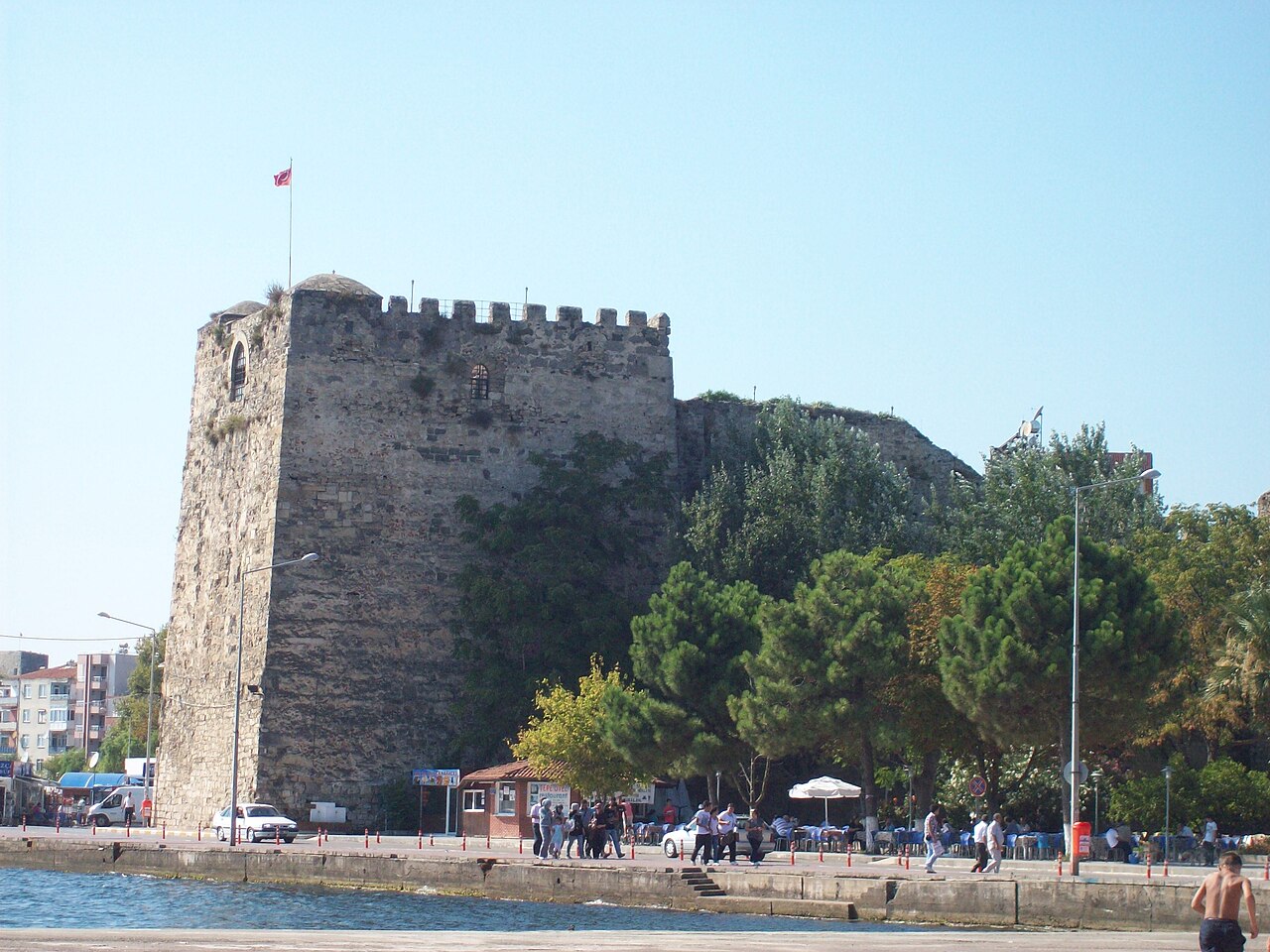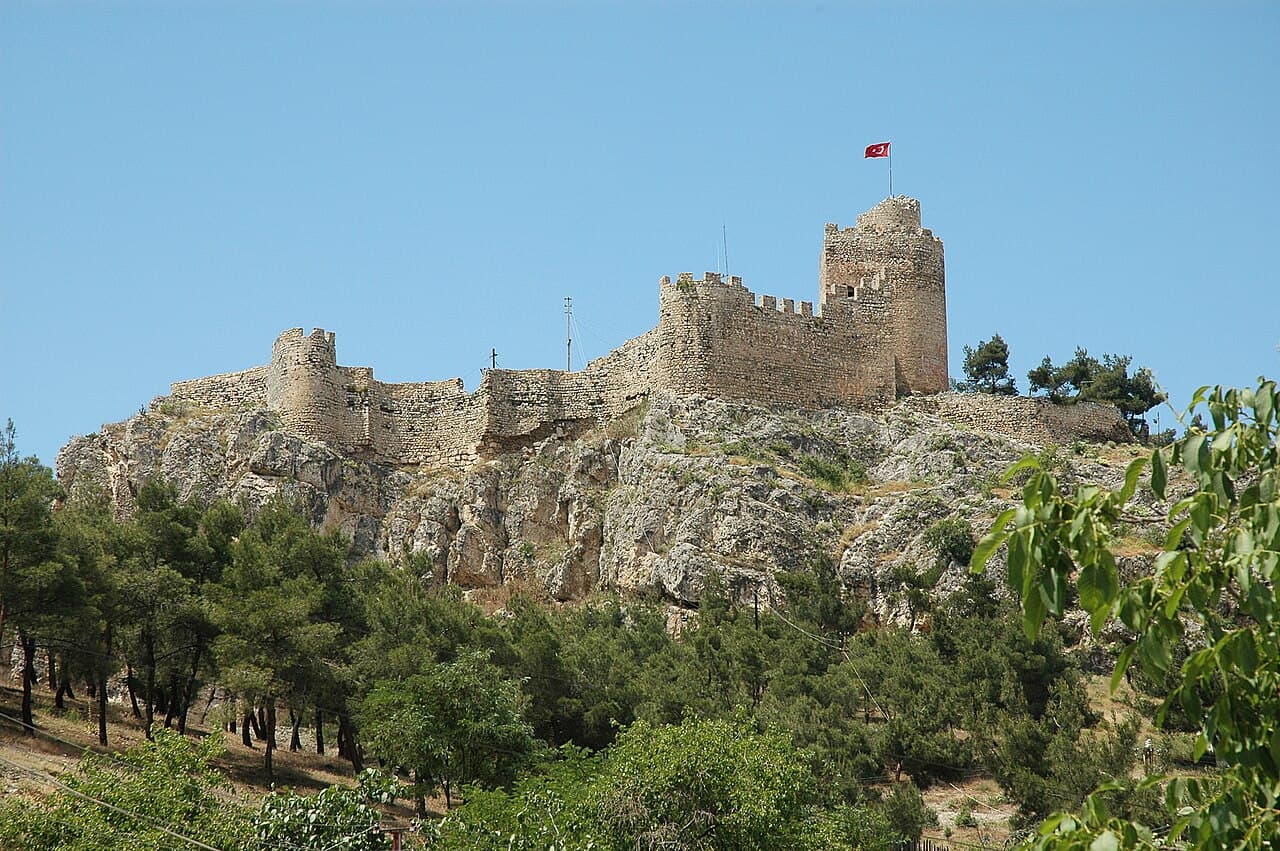
Boyabat Castle, locally known as Boyabat Kalesi, is a historic hill castle situated in the town of Boyabat, within the Sinop Province of Turkey. This fortress occupies a commanding position atop a large rock formation adjacent to the Kazdere (Gazidere) stream, a tributary of the Gökırmak River. Its strategic location on elevated terrain allowed it to serve as a vital defensive stronghold throughout various historical periods, from antiquity through the medieval era.
Origins and early history
The precise date of the castle's initial construction remains uncertain, but archaeological and historical evidence suggest that the original fortifications were established by the Paphlagonians around the 6th century BC. This makes Boyabat Castle one of the oldest known fortresses in the region. The Paphlagonians were an ancient people inhabiting the northern Anatolian coast, and their construction likely reflected the need to control and defend key routes and settlements in this rugged landscape.
Following the Paphlagonian period, the castle came under the control of several successive powers. It was ruled by the Lydians and later by the Persians, who both recognized the strategic importance of the site. During this time, the castle functioned as a border fortress between the kingdoms of Lydia and Pontus, highlighting its role in regional power struggles.
Roman and Byzantine periods
With the expansion of the Roman Empire into Anatolia, Boyabat Castle was incorporated into Roman territory. The Romans undertook significant restoration and reinforcement of the castle's fortifications, adapting it to their military architectural standards. This Roman phase likely included strengthening the walls and improving defensive features to secure the frontier.
After the division of the Roman Empire in 395 AD, Boyabat Castle became part of the Eastern Roman Empire, commonly known as the Byzantine Empire. The Byzantines continued to maintain and restore the castle, recognizing its ongoing strategic value. During the Byzantine era, the castle's defenses were likely enhanced to counter threats from emerging powers in the region.
In the 11th century, Boyabat Castle once again served as a border fortress, this time between the Byzantines and the advancing Seljuk Turks. The castle's position made it a focal point in the military conflicts of the period. Eventually, it was captured by Gazi Gümüshtigin, the leader of the Danishmends and a vassal of the Seljuks, at the end of the 11th century, marking a significant shift in regional control.
Ottoman era and later history
Boyabat Castle came under Ottoman control in 1461 following the Ottoman expansion into northern Anatolia. Historical accounts suggest that the Ottomans undertook some restoration work on the castle, although it is believed that the fortress had lost much of its military significance by this time. Some sources indicate that the castle may have been largely abandoned after the 14th century, possibly due to changes in military technology and shifting political boundaries.
Despite its diminished strategic role, Boyabat Castle remained a prominent landmark in the region. Its walls, which closely follow the natural contours of the rocky outcrop on which it stands, offer a unique example of fortress construction adapted to the local topography.
Architectural features and layout
The castle is notable for its integration with the natural rock formation, with walls that trace the outline of the large rock, providing natural defensive advantages. The fortress includes several subterranean tunnels and stairways carved into the rock beneath the main structures. These underground passages likely served as secure routes for movement within the castle and as refuge during sieges.
Although much of the interior is now empty, the castle's surviving walls, battlements, and towers reflect the layered architectural influences from its various periods of occupation. The castle's design emphasizes defense, with limited access points and strong fortifications adapted to the rugged terrain.
Current status and visitor information
Today, Boyabat Castle is freely accessible to the public and functions as an open-air museum. Visitors can explore the extensive walls, the rock-cut tunnels, and enjoy panoramic views of the surrounding landscape. While the interior lacks extensive furnishings or reconstructions, the castle's imposing structure and historical significance make it a fascinating site for those interested in ancient and medieval military architecture.
The castle's location in the town of Boyabat makes it an important cultural and historical attraction within Sinop Province. Its preservation allows insight into the complex history of northern Anatolia, from the Paphlagonian era through to the Ottoman period.
Frequently asked questions (FAQ)
- How do I get to Boyabat Castle?
- Boyabat Castle is located in Gökdere, Turkey, and can be reached by car or public transport from nearby cities. The castle is situated on a hill, providing stunning views of the surrounding landscape, so be prepared for a short hike to reach the entrance.
- What is the historical significance of Boyabat Castle?
- Boyabat Castle dates back to the Byzantine era and has undergone various renovations throughout its history. It played a crucial role in the region's defense and has witnessed many historical events, making it an important cultural landmark in Turkey.
- When was Boyabat Castle built?
- The exact date of construction for Boyabat Castle is not definitively known, but it is believed to have been built during the Byzantine period, around the 5th century AD. The castle has since been expanded and modified by various empires, including the Seljuks and Ottomans.
- Can I enter Boyabat Castle?
- Yes, visitors can enter Boyabat Castle and explore its rich history and architecture. Access to the castle is usually permitted during opening hours, so be sure to check for any specific visitor guidelines or restrictions before your visit.
- Why is Boyabat Castle a popular tourist attraction?
- Boyabat Castle is popular among tourists for its impressive architecture and panoramic views of the surrounding countryside. Its historical significance and the stories woven into its walls attract history enthusiasts and photographers alike.
- Is it possible to visit nearby attractions from Boyabat Castle?
- Absolutely! Boyabat Castle is conveniently located near several other attractions, including the historic town of Boyabat and the beautiful natural scenery of the surrounding area. Visitors often combine their castle visit with trips to these nearby sites for a full day of exploration.
- What are the opening hours for Boyabat Castle?
- Boyabat Castle typically opens to visitors between 9 AM and 5 PM, but hours can vary seasonally. It is advisable to check the current hours before planning your visit to ensure you have ample time to explore the castle.
- What are the ticket prices for Boyabat Castle?
- Entry to Boyabat Castle is generally affordable, with ticket prices being very reasonable for both local residents and tourists. Discounts may be available for students and groups, so it's worth inquiring at the ticket office upon arrival.
- When is the best time to visit Boyabat Castle?
- The best time to visit Boyabat Castle is during the spring and fall months when the weather is mild and pleasant. These seasons offer ideal conditions for exploring the castle and enjoying the stunning views without the intense heat of summer.
Photo gallery

Information
Loading map...
Visitor reviews
No reviews yet. Been here? Write the first review and help other travelers!
Write the first reviewVisited this castle? Share your experience
Your review helps other travelers and adds first-hand knowledge to our encyclopedia.