Shaniwar Wada
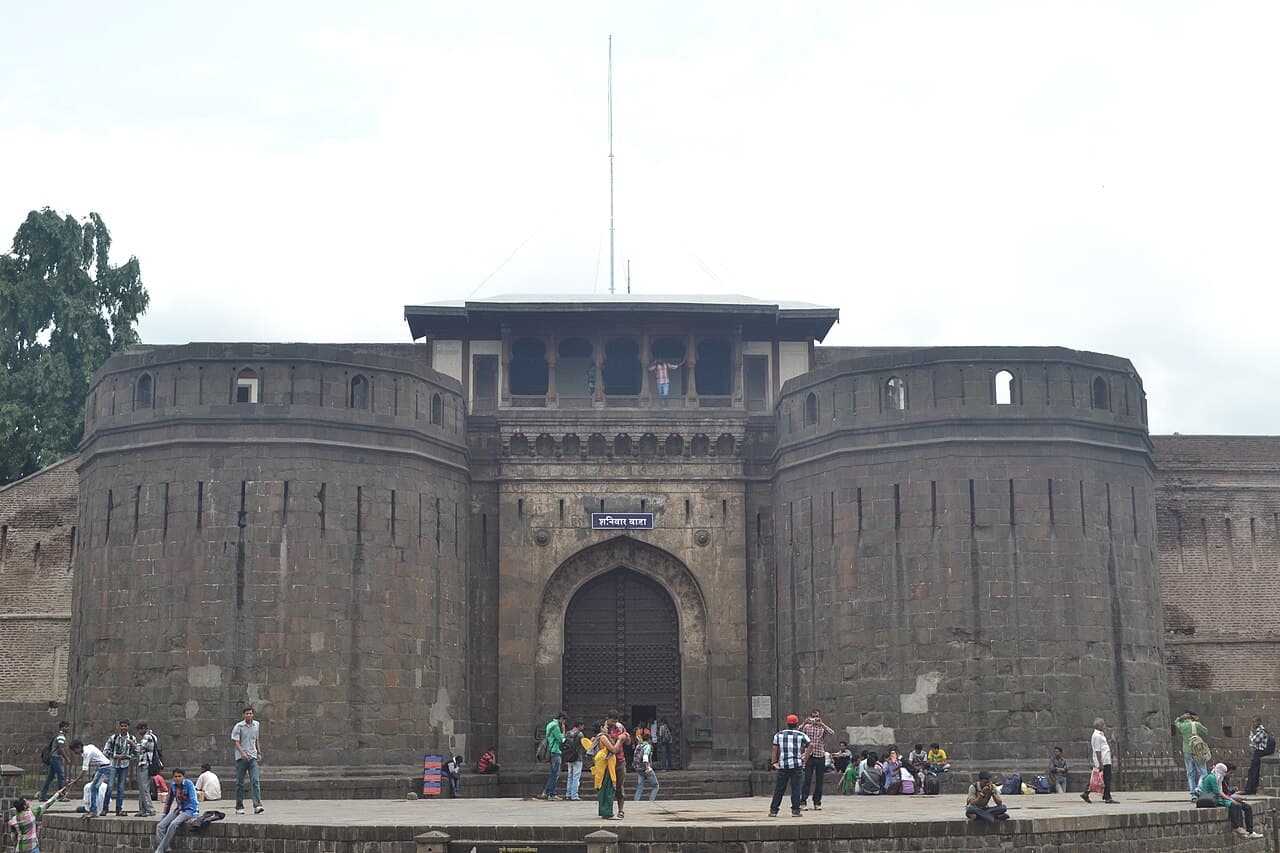
Shaniwar Wada is a prominent historical fortification located in the city of Pune, India. Constructed in 1732, it served as the grand seat of the Peshwas of the Maratha Confederacy until the early 19th century. This fort is a significant cultural landmark representing the power and architectural style of the Maratha Empire during the post-Renaissance period.
Historical significance and origins
The fort was commissioned by Baji Rao I, the first Peshwa of the Maratha Empire, as a symbol of Maratha dominance and governance. It was designed to be the administrative center and residence of the Peshwas, who were the prime ministers and de facto leaders of the Maratha Confederacy. Shaniwar Wada quickly became the political hub of the region, witnessing many key events in Maratha history.
Its strategic location in Pune allowed the Peshwas to control the surrounding territories effectively. The fort's establishment marked Pune's transformation into a major political and military center in western India during the 18th century.
Architectural features and layout
Shaniwar Wada was originally an imposing structure characterized by massive teak wood gates, high stone walls, and a complex of palaces, halls, and courtyards. The fort's design reflected a blend of Mughal and Maratha architectural elements, featuring ornate wooden carvings and intricate latticework.
The fort was surrounded by a deep moat and fortified with bastions and watchtowers, enhancing its defensive capabilities. The main entrance, known as the Delhi Darwaza, was famous for its grandeur and was guarded by strong gates made of teak and iron.
Inside the fort, there were several important structures including the Diwan-e-Aam (hall of public audience), the Diwan-e-Khas (hall of private audience), and the Peshwas' residential quarters. The fort also contained gardens and water reservoirs, which were essential for sustaining the inhabitants during sieges.
The great fire of 1828 and aftermath
In 1828, a devastating fire broke out within Shaniwar Wada, destroying much of the fort's wooden structures and palaces. The cause of the fire remains unclear, but it resulted in the loss of many original buildings, leaving the fort mostly in ruins.
Following the fire, the British colonial administration took control of the region and did not restore the fort to its former glory. Despite this, the surviving stone walls, gates, and foundations remain significant historical artifacts.
Cultural legacy and tourism today
Today, Shaniwar Wada stands as a major tourist attraction and heritage site in Pune. The ruins are maintained by local authorities and attract visitors interested in Maratha history and architecture. The site hosts cultural events and light-and-sound shows that narrate the fort's history and the legacy of the Peshwas.
Visitors can explore the remaining gates, bastions, and the layout of the fort, gaining insight into the military and administrative prowess of the Maratha Empire. The fort's location in Pune also makes it accessible for tourists who wish to explore other historical sites in the region.
Architectural influence and preservation efforts
The fort's design influenced later Maratha architecture and served as a model for other forts in the region. Preservation efforts focus on stabilizing the ruins and protecting the remaining wooden and stone elements from further decay.
Archaeological studies continue to reveal more about the fort's original structure and the lifestyle of its inhabitants, enriching the understanding of 18th-century Maratha culture and governance.
Frequently asked questions (FAQ)
- What is Shaniwar Wada?
- Shaniwar Wada is a historical fortification located in Pune, India, built in 1732 as the seat of the Peshwas of the Maratha Empire. It is renowned for its impressive architecture, intricate carvings, and significant role in India's history, particularly during the Maratha rule.
- When was Shaniwar Wada constructed?
- The construction of Shaniwar Wada began in 1730 and was completed in 1732. It was built by Baji Rao I, the Peshwa of the Maratha Empire, and served as the political and cultural center of the empire for many years.
- What are the opening hours of Shaniwar Wada?
- Shaniwar Wada is open to visitors from 9:00 AM to 6:00 PM every day. It's advisable to visit early in the day to avoid crowds and to fully enjoy the tranquil ambiance of the site.
- Can I take photographs inside Shaniwar Wada?
- Yes, visitors are allowed to take photographs inside Shaniwar Wada, but it's important to respect the site and not use flash photography in certain areas. Capture the beautiful architecture and scenic surroundings while ensuring the preservation of the site.
- Is it possible to explore Shaniwar Wada on my own?
- Yes, visitors can explore Shaniwar Wada independently, but guided tours are also available for those who wish to learn more about its history and significance. Self-guided exploration allows you to enjoy the site at your own pace.
- What is the ticket price for visiting Shaniwar Wada?
- The entry fee for Shaniwar Wada is quite affordable, with a nominal charge for Indian citizens and a slightly higher fee for foreign tourists. Children under a certain age may enter for free, making it an accessible destination for families.
- When is the best time to visit Shaniwar Wada?
- The best time to visit Shaniwar Wada is during the winter months, from November to February, when the weather is pleasant and cool. This period is ideal for exploring the castle and its beautiful gardens without the discomfort of heat.
- Are there any nearby attractions to visit after Shaniwar Wada?
- Yes, there are several nearby attractions including the Dagdusheth Halwai Ganapati Temple and the Pune Okayama Friendship Garden. These sites can enhance your visit to Pune, providing a deeper understanding of the city's culture and history.
- How do I get to Shaniwar Wada?
- Shaniwar Wada is easily accessible by public transport, including buses and auto-rickshaws, as well as by taxi or private vehicle. The castle is located in the heart of Pune, making it a convenient stop for visitors exploring the city.
Photo gallery

Information
Loading map...
Visitor reviews
No reviews yet. Been here? Write the first review and help other travelers!
Write the first reviewVisited this castle? Share your experience
Your review helps other travelers and adds first-hand knowledge to our encyclopedia.