Sines Castle
Sines Castle, locally known as Castelo de Sines, is a prominent late-medieval hill castle situated on a commanding cliff overlooking the Atlantic Ocean in the historic town of Sines, within Portugal's Alentejo Litoral region. This fortress is renowned not only for its strategic coastal defense role but also as the birthplace of the illustrious Portuguese explorer Vasco da Gama in 1469. Its long and layered history, architectural evolution, and archaeological significance make it a vital monument reflecting the maritime heritage and military architecture of Portugal.
Historical background and strategic importance
The site of Sines Castle has been a focal point of human activity since prehistoric times, with archaeological evidence revealing Paleolithic and Epipaleolithic occupation. It likely hosted an Iron Age fortified settlement (castro), but the earliest enduring settlement dates to the Roman period, when it possibly served as the harbor for the nearby Roman city of Miróbriga. Significant Roman remains, including the base of a statue dedicated to Mars, the Roman god of war, are embedded in the castle walls, underscoring the site's martial heritage. Epigraphic inscriptions also suggest the presence of a Roman temple, attested in early medieval documents.
During the Late Antiquity (4th to 6th centuries), the area continued to be settled, with evidence of industrial activity such as a 1st-century fish-salting factory and a ceramic kiln nearby. The site experienced a resurgence in the Early Middle Ages, possibly housing a Christian temple during the 7th century or Mozarabic period, fragments of which were later reused in the castle walls. However, there is a notable absence of records during the Islamic period until the town was reconquered by King Afonso III of Portugal.
In 1362, King Pedro I of Portugal donated the lands of Sines to the Order of Santiago, commissioning the construction of fortifications to protect against frequent pirate raids. Although the order was not immediately fulfilled, the town was exempted from military service in border campaigns due to its vulnerability. The castle itself was finally constructed in 1424 under the direction of Francisco Neto Pão Alvo, incorporating Roman and Visigothic spolia in its walls.
Architectural features and military evolution
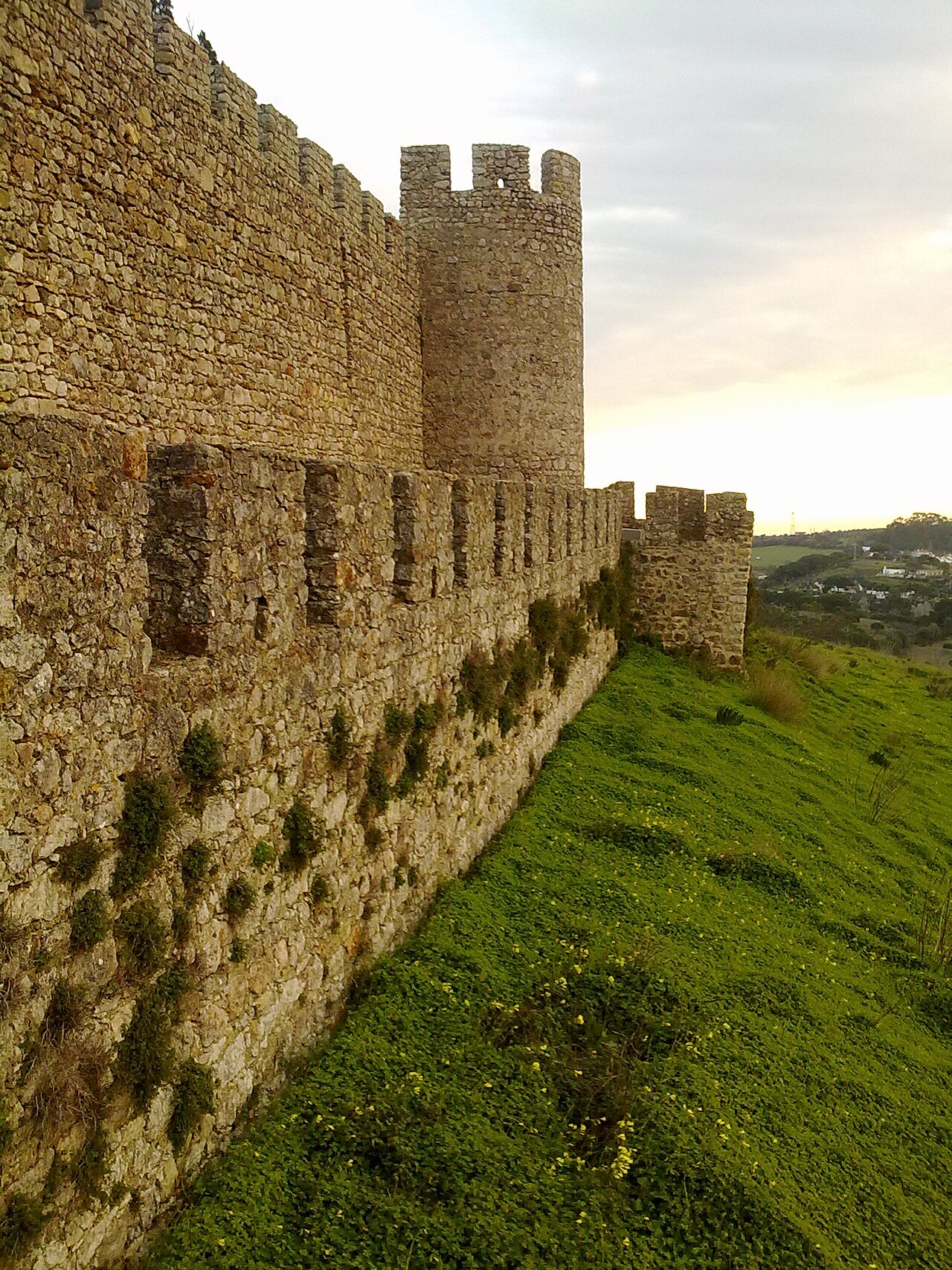
Sines Castle crowns a cliff with an irregular trapezoidal plan that is roughly rectangular, reflecting the Manueline architectural style of the early 15th century rather than traditional Gothic rounded plans. The fortress covers approximately half a hectare and includes a main keep tower and three additional turrets: two polygonal towers at the northern corners and a circular tower at the southwestern corner. The keep tower rises three stories tall, featuring mullioned windows on the top floor, likely remnants of its original 15th-century design.
Defensive enhancements were made in the 16th and 17th centuries, including a small star-shaped battery on the southern wall, added to protect against maritime attacks. Nearby, the Forte do Revelim was constructed to safeguard the town and port from pirate assaults. These additions reflect the evolving military technologies and strategic needs of the period, especially during the reign of Manuel I of Portugal and the later Philippine dynasty.
The keep tower and the vascoda gama house museum
The principal keep tower is traditionally considered the birthplace of Vasco da Gama. His father, Estêvão da Gama, served as the castle's governor and was instrumental in its upkeep. Today, the keep houses the Vasco da Gama House Museum, featuring multimedia exhibitions dedicated to the explorer's life and voyages, enhancing the castle's cultural significance.
Damage, restoration, and modern use
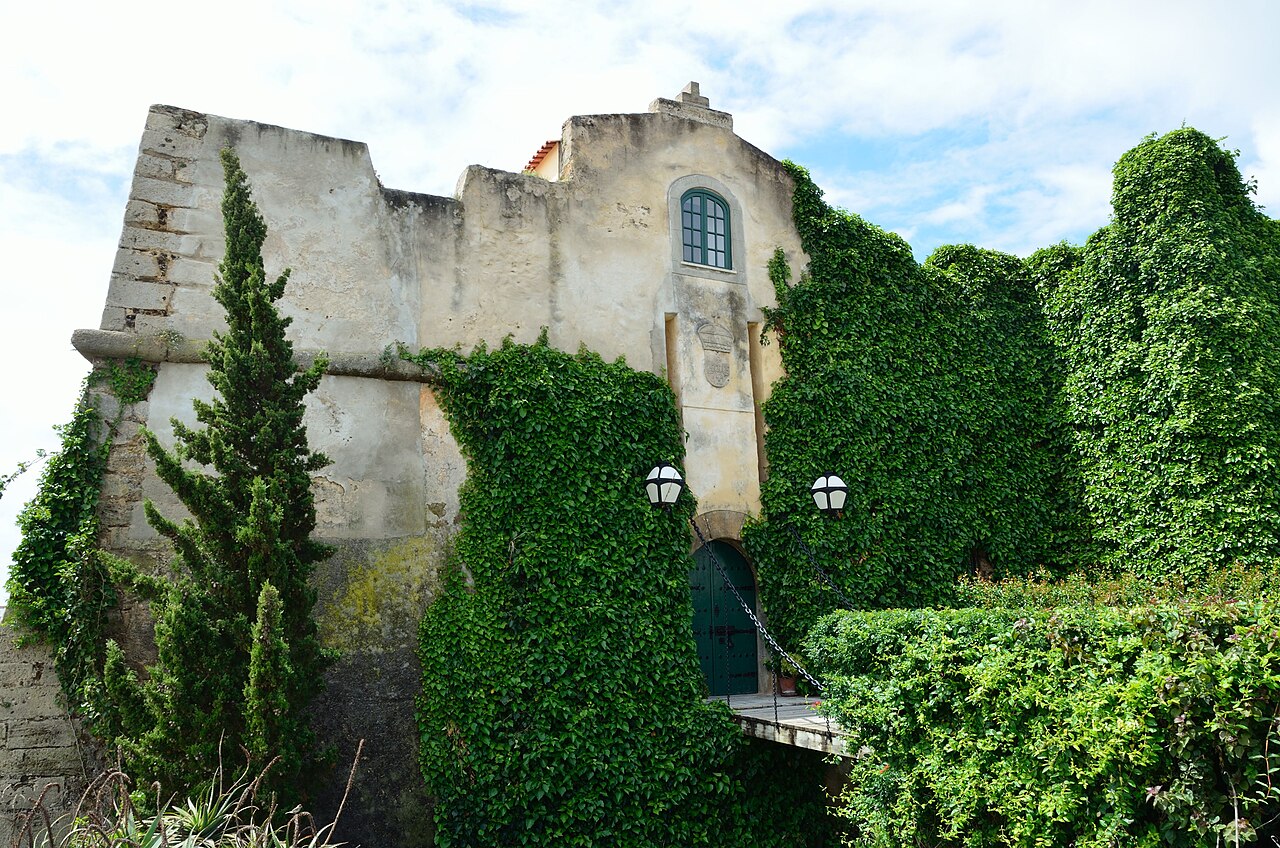
During the Peninsular War (1807-1814), the castle sustained damage when French troops sacked Sines, notably defacing the royal coat of arms above the main gate. By the late 19th and early 20th centuries, the fortress had lost its military function and was repurposed for civilian uses, including housing and gardens.
Recognized as a Property of Public Interest in 1933, the castle underwent partial restoration in 1956. It suffered damage from the 1969 earthquake, which caused the collapse of one tower. Subsequent restoration efforts focused on stabilizing the walls, preserving wooden roof frameworks, and maintaining plaster and ceiling artwork. Archaeological excavations in the 1960s, 1990s, and into the 21st century uncovered significant Roman, early Christian, and medieval remains integrated into the castle fabric.
Between 1998 and 2001, major restoration and cultural projects transformed the castle into a vibrant cultural venue. The Municipal Museum of Sines and the Vasco da Gama House Museum were inaugurated in 2008, with the presence of Portugal's president, marking a new chapter in the castle's history as a center for heritage and education.
Archaeological discoveries and collections
The castle grounds and nearby areas have yielded a rich array of archaeological finds, including Roman mosaics, fragments of terra sigillata pottery, amphora bases, tesserae, and two Roman fibulae representing different chronological and cultural types. Notably, the Phoenician Gaio Treasure from the 7th century BCE and the Africano Treasure of silver coins highlight the site's extensive historical connections.
The castle walls incorporate stones from an early Christian temple, demonstrating the site's layered history. The nearby Roman fish-salting factory, opened to the public in 2021, further enriches the archaeological landscape and offers insight into ancient industrial activities.
Cultural significance and visitor experience
Today, Sines Castle serves as a cultural hub, hosting music festivals and various events that attract visitors year-round. The castle's integration into the urban fabric includes a new eastern entrance linking it to pedestrian routes, enhancing accessibility. Surrounding landmarks such as the Igreja Matriz, the Vasco da Gama statue, the town hall, and the Chapel of Mercy complement the visitor experience, providing a rich historical context.
The castle's museum spaces, including the former governor's palace (Paço dos Governadores Militares or alcáçova) and the former barracks, now house archaeological collections, educational services, a library, a café, and artist residencies, offering a multifaceted cultural experience. Visitors can explore the castle grounds freely, immersing themselves in centuries of Portuguese history and maritime heritage.
Frequently asked questions (FAQ)
- What is the historical significance of Sines Castle?
- Sines Castle is a significant historical monument that dates back to the 15th century, known for its strategic coastal position. It was the birthplace of the famous Portuguese explorer Vasco da Gama and played a crucial role in the Age of Discoveries.
- When was Sines Castle built?
- Sines Castle was constructed in the early 15th century, with its origins tracing back to the Moorish period. It underwent various renovations and expansions, particularly during the Portuguese Renaissance.
- What are the opening hours for Sines Castle?
- Sines Castle is typically open to visitors from 10 AM to 6 PM during the summer months and 10 AM to 5 PM in the winter. It's advisable to check the official website for any seasonal changes or specific holiday hours.
- Can I bring my dog to Sines Castle?
- Unfortunately, pets are not allowed inside Sines Castle to ensure the preservation of the historical site. However, you can enjoy the surrounding areas with your dog on a leash.
- Is it possible to take guided tours of Sines Castle?
- Yes, guided tours are available at Sines Castle, offering a deeper insight into its history and architecture. These tours are led by knowledgeable guides who can enhance your visit with fascinating stories and facts.
- What are the ticket prices for visiting Sines Castle?
- The ticket prices for Sines Castle are generally affordable, with discounts available for students and seniors. Visitors should check the latest pricing information on the official website before planning their visit.
- When is the best time to visit Sines Castle?
- The best time to visit Sines Castle is during the spring and fall months when the weather is pleasant and the tourist crowds are smaller. This allows for a more enjoyable experience exploring the castle and its surroundings.
- What nearby attractions can I visit after Sines Castle?
- After visiting Sines Castle, you can explore the beautiful beaches of Sines, such as Praia de São Torpes, or check out the local seafood restaurants. Additionally, the nearby Fortress of São Filipe offers stunning views and historical context to complement your visit.
- How do I get to Sines Castle?
- Sines Castle is easily accessible by car and is located just off the main roads leading into Sines. There are also public transport options available, including buses that connect from larger cities in the region.
Information
Sources & official resources
Verify the information above using these authoritative references.
Loading map...
Visitor reviews
No reviews yet. Been here? Write the first review and help other travelers!
Write the first reviewVisited this castle? Share your experience
Your review helps other travelers and adds first-hand knowledge to our encyclopedia.