Forte de Milfontes
Forte de Milfontes, also known as Fort São Clemente or the Castle of Vila Nova de Milfontes, is a prominent Renaissance bastioned fortress located in the coastal town of Vila Nova de Milfontes, within the municipality of Odemira in the Alentejo region of Portugal. Constructed in 1602, this fortress was strategically designed to protect the town and the mouth of the Mira River from frequent pirate incursions and maritime threats prevalent during the early 17th century.
Historical context and strategic importance
The early 1600s were a period marked by increased maritime activity and piracy along the Portuguese coast. The establishment of Forte de Milfontes was part of a broader defensive initiative by the Portuguese crown to secure its coastal settlements and vital waterways. The fort's position at the river mouth allowed control over naval access, safeguarding the local population and trade routes. This was crucial for Vila Nova de Milfontes, a town whose economy depended on fishing and river commerce.
Architectural design and features
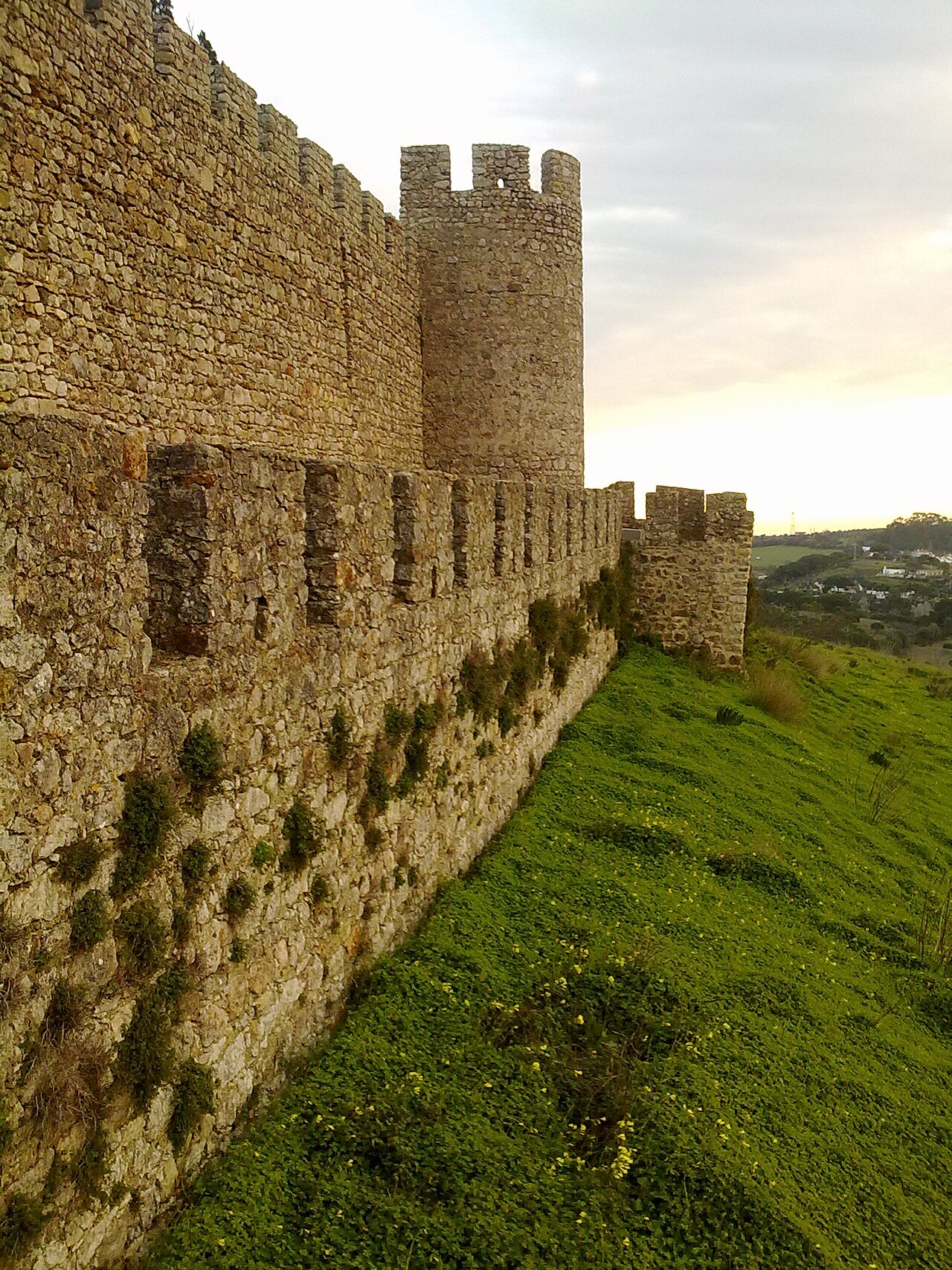
The fortress exemplifies the Renaissance military architectural style characterized by its bastioned layout, which was innovative for its time. The design incorporates angled bastions that provided overlapping fields of fire, minimizing blind spots and enhancing defense against artillery sieges. The walls are thick and sloped, built to absorb and deflect cannon fire.
Bastions and walls
Forte de Milfontes features four bastions at its corners, a typical element of bastioned fortresses that allowed defenders to cover all approaches with cannon and musket fire. The bastions are connected by curtain walls forming a roughly square plan. The walls include embrasures for artillery and loopholes for small arms.
Entrance and internal structures
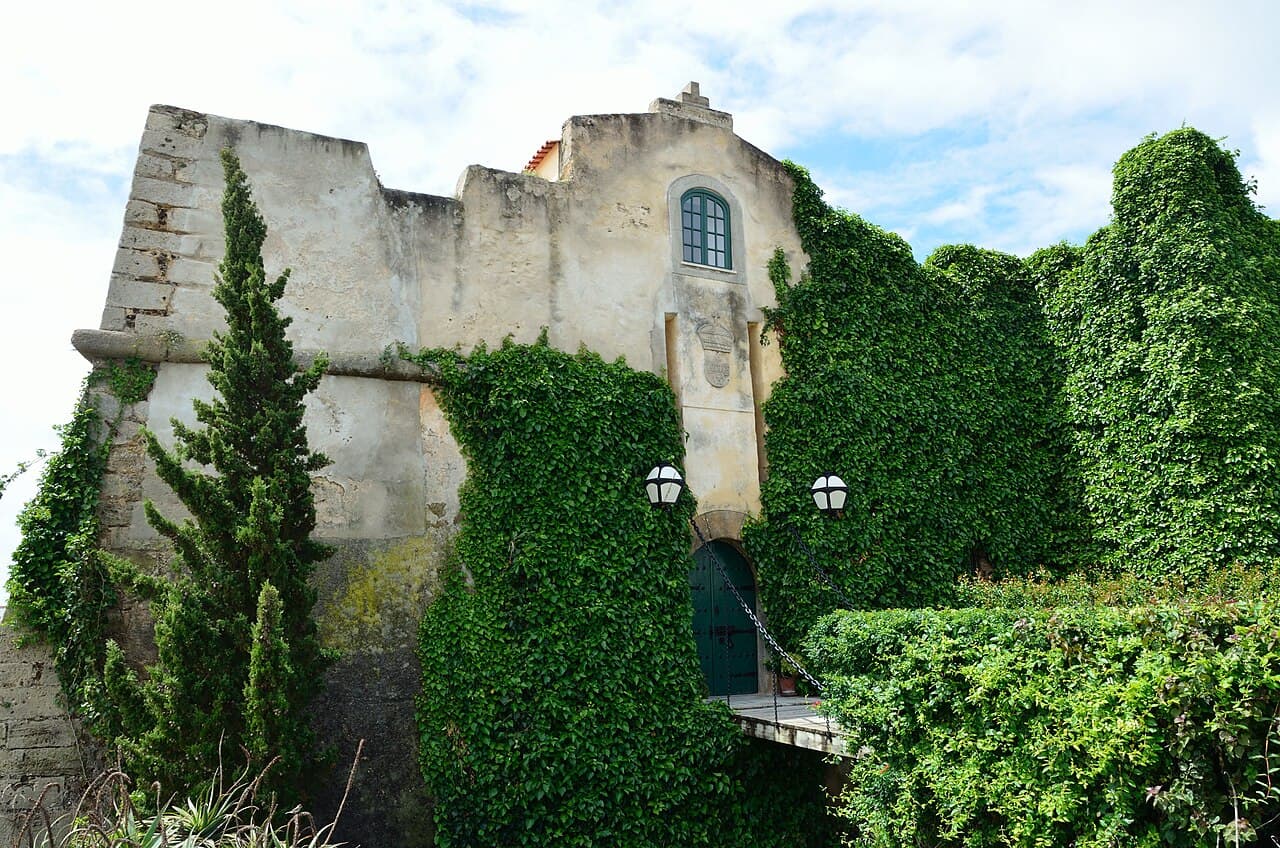
The main entrance is fortified and accessed via a drawbridge over a dry moat, enhancing security. Inside, the fort contains barracks, storage rooms, and a chapel dedicated to Saint Clement, reflecting the dual military and community functions of the fortress. The internal courtyard served as a muster and training area for the garrison.
Military use and later history
Throughout the 17th and 18th centuries, the fort played a key role in defending the region against pirate raids and occasional foreign incursions. However, by the 19th century, advances in military technology and changes in political circumstances rendered the fortress obsolete. Its military functions were gradually phased out, and in 1903, the fort was sold to private owners.
Despite losing its military role, Forte de Milfontes remains a cultural and historical symbol of Vila Nova de Milfontes. It was officially classified as a Property of Public Interest in 1978, recognizing its architectural and historical significance. Today, it is a popular tourist attraction and a landmark emblematic of the town's heritage.
Preservation and public access
The fortress has been maintained in a well-preserved state, with restoration efforts undertaken to conserve its structural integrity and historical features. Visitors can explore the bastions, walls, and internal buildings, gaining insight into Renaissance military architecture and the coastal defense history of Portugal.
Visitor experience
Open to the public, Forte de Milfontes offers panoramic views of the Mira River and the Atlantic Ocean. Informational displays provide context on the fort's construction, military role, and its significance within the region. The site is accessible year-round, making it a valuable destination for those interested in history, architecture, and maritime heritage.
Frequently asked questions (FAQ)
- When was Forte de Milfontes built and for what purpose?
- Forte de Milfontes was built in 1602 to protect Vila Nova de Milfontes and the mouth of the Mira River from pirate attacks and maritime threats.
- What architectural style characterizes Forte de Milfontes?
- The fortress is designed in the Renaissance style featuring a bastioned layout with angled bastions for improved defense against artillery.
- Is Forte de Milfontes open to visitors?
- Yes, Forte de Milfontes is open to the public year-round, offering tours of its bastions, walls, and internal structures with informational displays.
- What is the current condition of Forte de Milfontes?
- The fortress is well preserved, with restoration efforts maintaining its structural integrity and historical features.
- Why was Forte de Milfontes classified as a Property of Public Interest?
- It was classified as a Property of Public Interest in 1978 due to its architectural significance and historical role in coastal defense.
Photo gallery

Information
Loading map...
Visitor reviews
No reviews yet. Been here? Write the first review and help other travelers!
Write the first reviewVisited this castle? Share your experience
Your review helps other travelers and adds first-hand knowledge to our encyclopedia.