Santiago do Cacém Castle
Santiago do Cacém Castle, also known locally as Castelo de Santiago do Cacém, is a remarkable medieval fortress perched on a hill overlooking the town of Santiago do Cacém in the Alentejo Litoral region of southwestern Portugal. This hill castle offers a compelling glimpse into the layered history of the region, reflecting the influences of Celtic tribes, Romans, Alans, Visigoths, Moors, and Portuguese Christian orders over many centuries.
The castle's origins trace back to the early medieval period, with the site initially occupied by the Alans in the 5th century after they abandoned the nearby Roman town of Miróbriga. This settlement was later controlled by the Visigoths and subsequently by the Moors who named it Kassen. While the exact date of the castle's construction is uncertain, it is widely accepted that the Moors built the original fortifications during their occupation from the early 8th century onward. The castle's strategic location on a 250-meter hill allowed control over the surrounding plains and proximity to the Atlantic coast, near the port of Sines.
Historical evolution and significance
The castle and its settlement played a pivotal role during the Reconquista, the Christian reconquest of the Iberian Peninsula. In 1158, forces loyal to Afonso I of Portugal captured Santiago do Cacém, only for it to be retaken by the Almohad Caliphate around 1190-1191. The territory was definitively secured for Portugal in 1217 under King Afonso II. Prior to this, in 1186, the lands had been granted to the Order of Santiago, a military and religious order tasked with defending the frontier and rebuilding the castle's fortifications. Since then, the castle and town took the name Santiago do Cacém.
During the reign of King Denis of Portugal (1279-1325), the castle was held by Vataça Lascaris, an Italian princess of Byzantine origin and confidant of Queen Elizabeth of Aragon. Between 1315 and 1336, she managed the estate before it returned to the Order of Santiago. The castle also supported King John I during the 1383-1385 crisis, receiving military and financial aid from the Order. A new charter, the Foral Novo, was granted by King Manuel I in 1512, reaffirming the town's privileges.
In 1594, the castle was granted by Philip II of Spain to the Dukes of Aveiro. However, following the Portuguese Restoration War in the late 17th century, its strategic importance waned. The castle reverted to the Portuguese Crown in 1759 and was gradually abandoned, falling into ruin. By the 19th century, the castle's interior was repurposed as the town's cemetery, a function it retains today.
Architectural features and layout
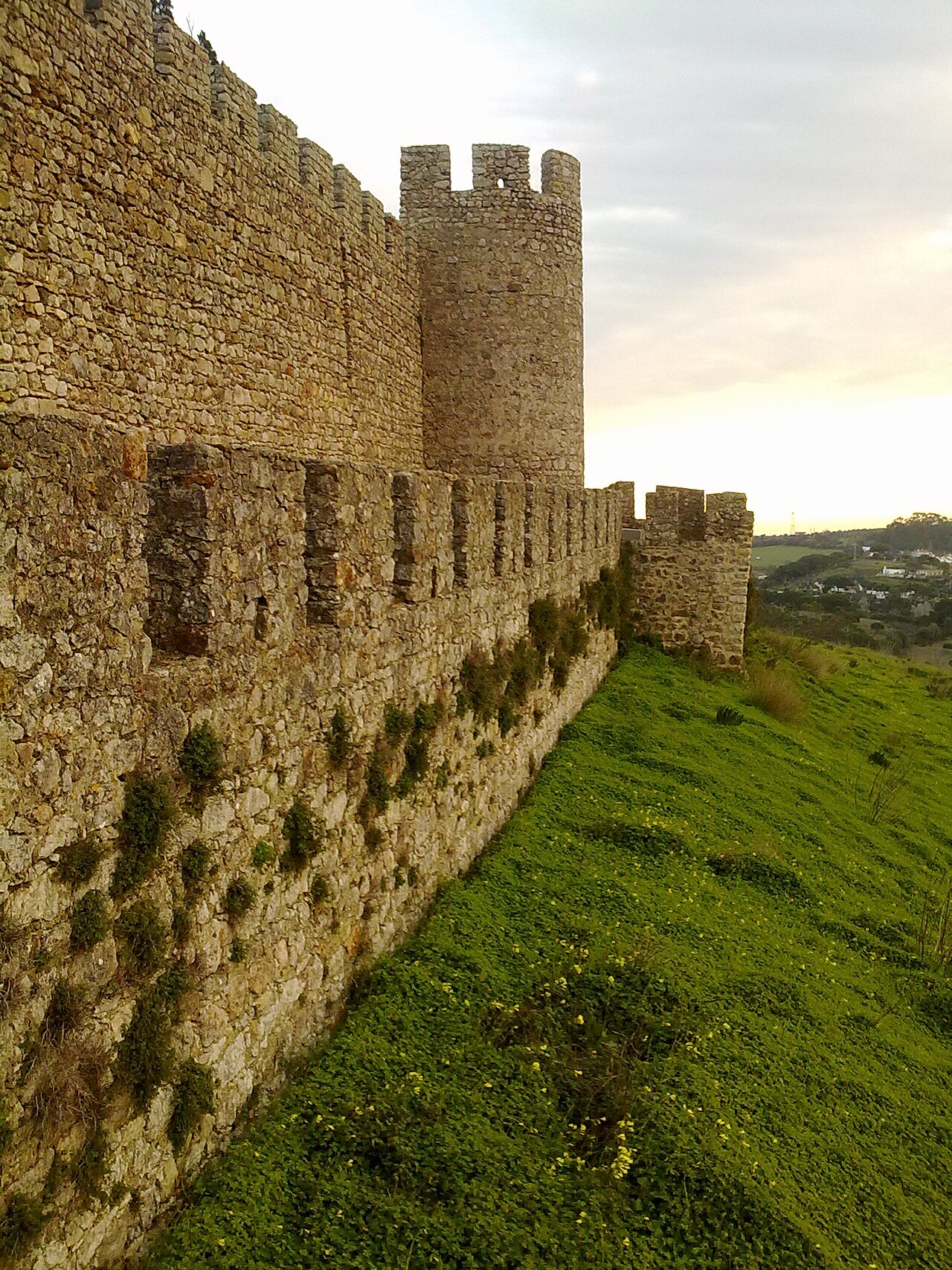
Santiago do Cacém Castle is characterized by a roughly rectangular plan measuring approximately 190 meters along its longest side. The fortifications include inner walls reinforced with a combination of square and round towers, all equipped with crenellations for defense. Surrounding these is a lower outer wall that provides an additional layer of protection. Within the inner enclosure stands a square inner fortification, although notably, the castle lacks a traditional keep or donjon, a feature that distinguishes it from many contemporaneous castles.
The castle's walls preserve elements of the original Moorish fortifications, including battlements and defensive towers. The outer defenses include a barbican strengthened by turrets, enhancing the castle's ability to repel attackers. The castle's position on a modest hilltop provided natural defensive advantages and commanding views over the surrounding landscape.
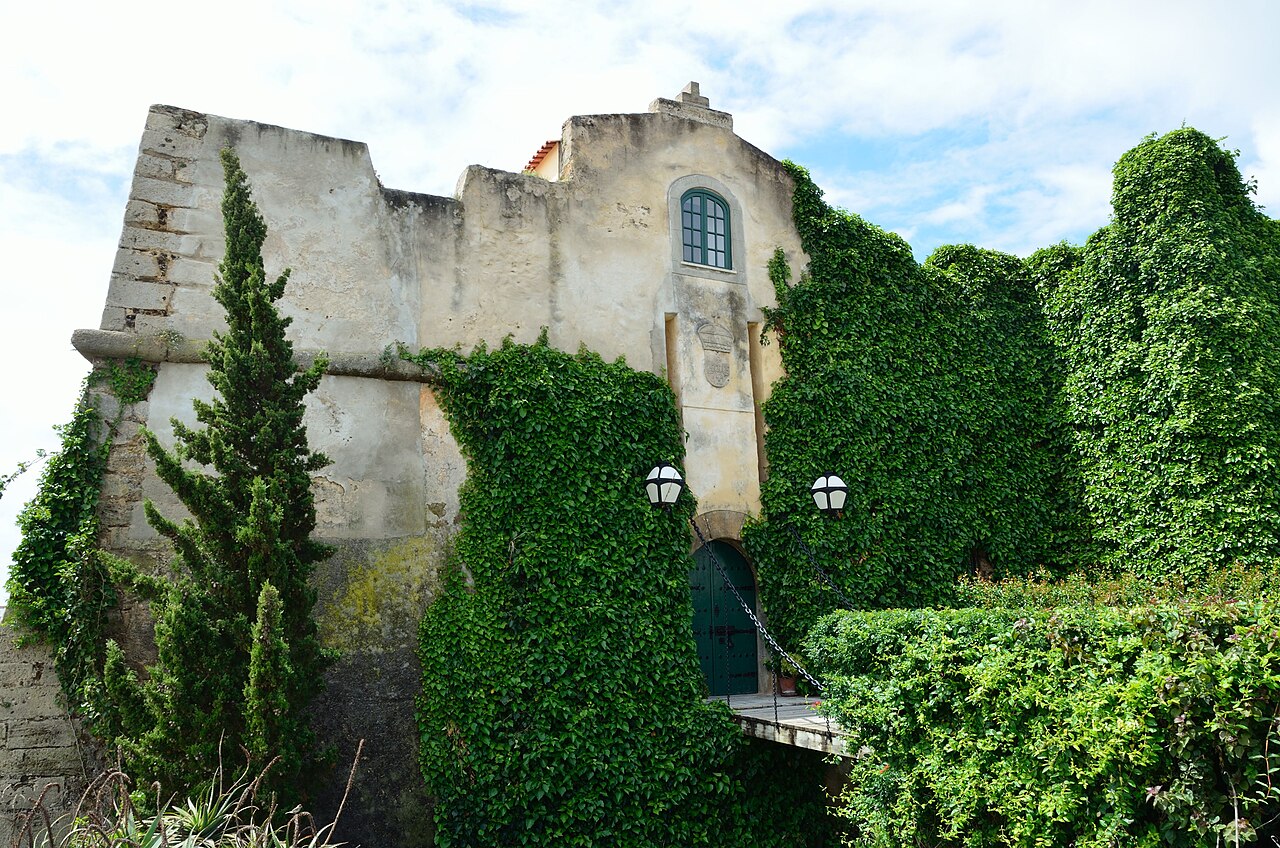
Intriguingly, the old Matriz Church of Santiago is incorporated into the southeast corner of the castle walls. This church features architectural elements from early Romanesque and Gothic styles, with later modifications. Inside, visitors can find a sculptural relief group depicting Saint James fighting the Moors, symbolizing the Christian reconquest. The church's south portico is decorated with zoomorphic motifs, adding artistic and cultural value to the site.
Cultural heritage and current status
The castle was declared a National Monument in 1910, recognizing its historical and architectural significance. Restoration and consolidation efforts have been undertaken to preserve the remaining structures, although some parts remain in ruins. The use of the castle as a cemetery since the 19th century means that the interior is only accessible during specific opening hours, while the area between the inner and outer walls is freely accessible to visitors.
Today, Santiago do Cacém Castle stands as a testament to the complex history of southern Portugal, reflecting layers of cultural influences and military architecture spanning from the early medieval period through the late medieval and Renaissance periods. Its blend of Moorish fortifications and Christian modifications offers a unique insight into the region's turbulent past and the enduring legacy of the Reconquista.
Visiting information and tips
Visitors to Santiago do Cacém Castle can explore its extensive exterior fortifications, including the walls and towers, which provide panoramic views of the surrounding Alentejo landscape. The castle's hilltop location offers excellent photo opportunities, especially during misty or golden hour conditions.
Access to the castle's interior is limited due to its function as a cemetery, so visitors should check local opening times before planning their visit. The surrounding town of Santiago do Cacém offers additional cultural attractions, including traditional Portuguese architecture and regional cuisine, making it a worthwhile destination for history enthusiasts and travelers.
Frequently asked questions
- When was Santiago do Cacém Castle built? The castle's origins date back to the early medieval period, with initial fortifications likely constructed by the Moors during their occupation starting in the 8th century.
- Can I visit the interior of the castle? The interior is currently used as a cemetery and is only accessible during specific opening hours, but the outer walls and surrounding areas are freely accessible.
- What architectural styles are visible at the castle? The castle features a mix of Moorish military architecture with later Christian Romanesque and Gothic elements, especially visible in the incorporated church.
- Why is the castle historically significant? It played a key role in the Reconquista and was associated with the Order of Santiago, reflecting the military and religious history of medieval Portugal.
- Is the castle easily accessible? The castle is located on a hill above the town of Santiago do Cacém and can be reached by foot or vehicle, with parking available nearby.
- Are there any restoration efforts ongoing? Preservation work has been undertaken to consolidate the walls and towers, although some sections remain in ruins.
- What is the best time to visit Santiago do Cacém Castle? Spring and autumn offer mild weather and fewer tourists, ideal for exploring the castle and surrounding town.
Frequently asked questions (FAQ)
- What is the historical significance of Santiago do Cacém Castle?
- Santiago do Cacém Castle, built in the 12th century, is a key historical landmark that showcases the Moorish influence on Portuguese architecture. It played a vital role in the Reconquista, serving as a defensive stronghold and later as a royal residence.
- When was Santiago do Cacém Castle constructed?
- The castle was originally constructed in the 12th century, around the time of the Christian reconquest of the region. It has undergone various renovations over the centuries, preserving its historical essence while adapting to modern needs.
- What are the opening hours for Santiago do Cacém Castle?
- Santiago do Cacém Castle is typically open to visitors from 9:00 AM to 6:00 PM, but hours may vary seasonally. It is advisable to check the official website for any updates or changes before planning your visit.
- Can I access Santiago do Cacém Castle with a wheelchair?
- Yes, Santiago do Cacém Castle is accessible to visitors with mobility challenges, although some areas may have limited accessibility due to the castle's historical structure. It is recommended to contact the castle staff in advance to ensure a comfortable visit.
- What is the best time to visit Santiago do Cacém Castle?
- The best time to visit Santiago do Cacém Castle is during the spring and fall months when the weather is mild and pleasant. These seasons also attract fewer tourists, allowing for a more relaxed experience while exploring the castle's grounds.
- Are there any nearby attractions to visit after Santiago do Cacém Castle?
- Yes, after visiting Santiago do Cacém Castle, you can explore nearby attractions such as the Roman ruins of Miróbriga and the beautiful beaches of Costa Alentejana. The region is rich in history and natural beauty, making it an ideal destination for a full day of exploration.
- What are the ticket prices for Santiago do Cacém Castle?
- Admission to Santiago do Cacém Castle is generally affordable, with ticket prices around €2 for adults and discounted rates for children and seniors. Special rates may apply for group visits or educational tours, so it's best to inquire upon arrival.
Information
Address
Calçada do Castelo, Santiago do Cacém, Portugal
Loading map...
Visitor reviews
No reviews yet. Been here? Write the first review and help other travelers!
Write the first reviewVisited this castle? Share your experience
Your review helps other travelers and adds first-hand knowledge to our encyclopedia.