Sindhudurg Fort
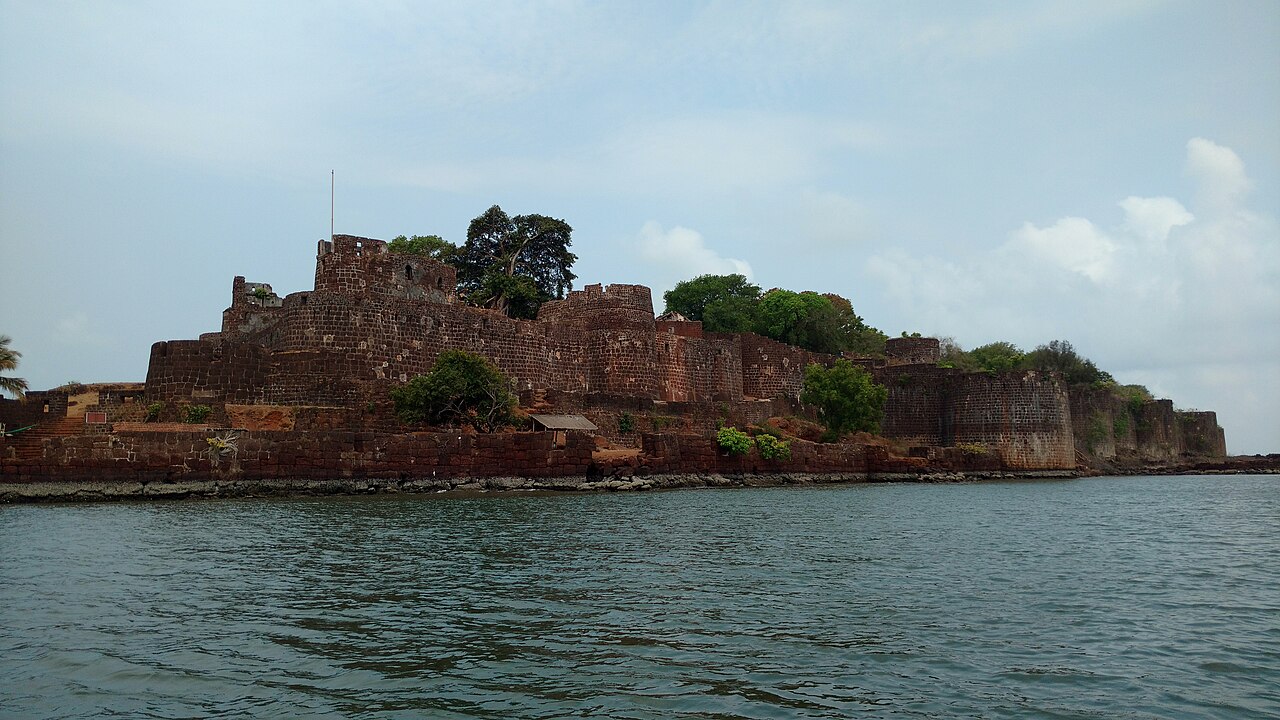
Sindhudurg Fort is a historic bastioned sea fortress situated in the Arabian Sea near the Konkan coast of Maharashtra, Western India. Commissioned by the legendary Maratha ruler Chhatrapati Shivaji Maharaj, the fort was constructed between 1664 and 1667 to serve as a strategic naval base and to protect the coastline from foreign invasions. It lies off the shore of Malvan taluka in the Sindhudurg District, approximately 450 kilometres south of Mumbai. Today, it is a protected monument under the care of the Archaeological Survey of India.
Strategic importance and historical context
The fort was built during the 17th century, a period marked by intense maritime rivalry in the Arabian Sea. Shivaji Maharaj recognized the need for a strong naval presence to defend the western coast of India from the Portuguese, Siddis, and other colonial powers. Sindhudurg Fort was part of a larger network of forts designed to secure the Maratha Empire's coastline and assert control over the surrounding waters. Its location on a rocky island made it a formidable defensive structure, difficult for enemy ships to approach.
Architectural design and features
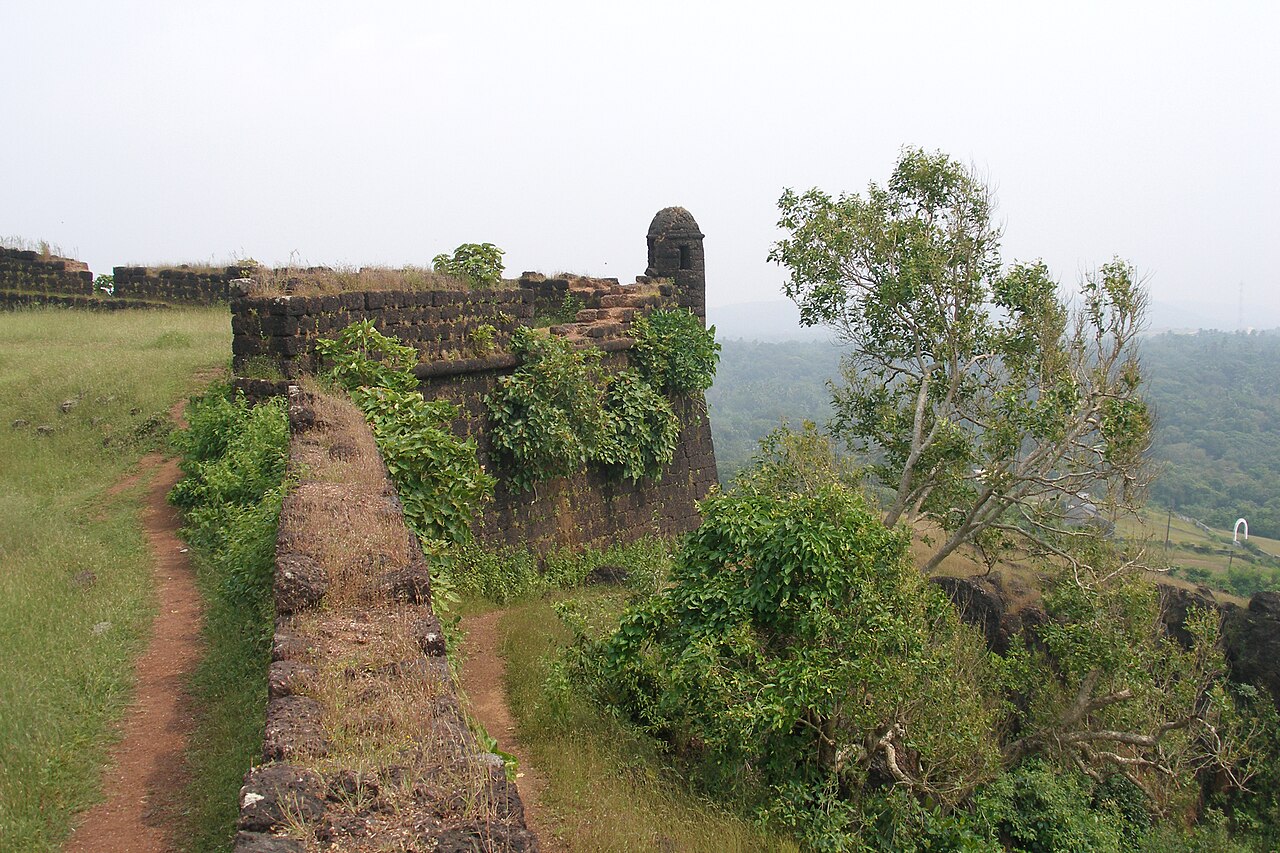
Sindhudurg Fort exemplifies the bastioned fortress style, incorporating elements of military architecture suited to both land and sea defense. The fort's walls are constructed from locally sourced laterite stone, known for its durability and resistance to the harsh marine environment. The fortification includes massive bastions at regular intervals, designed to mount cannons and provide overlapping fields of fire against attackers.
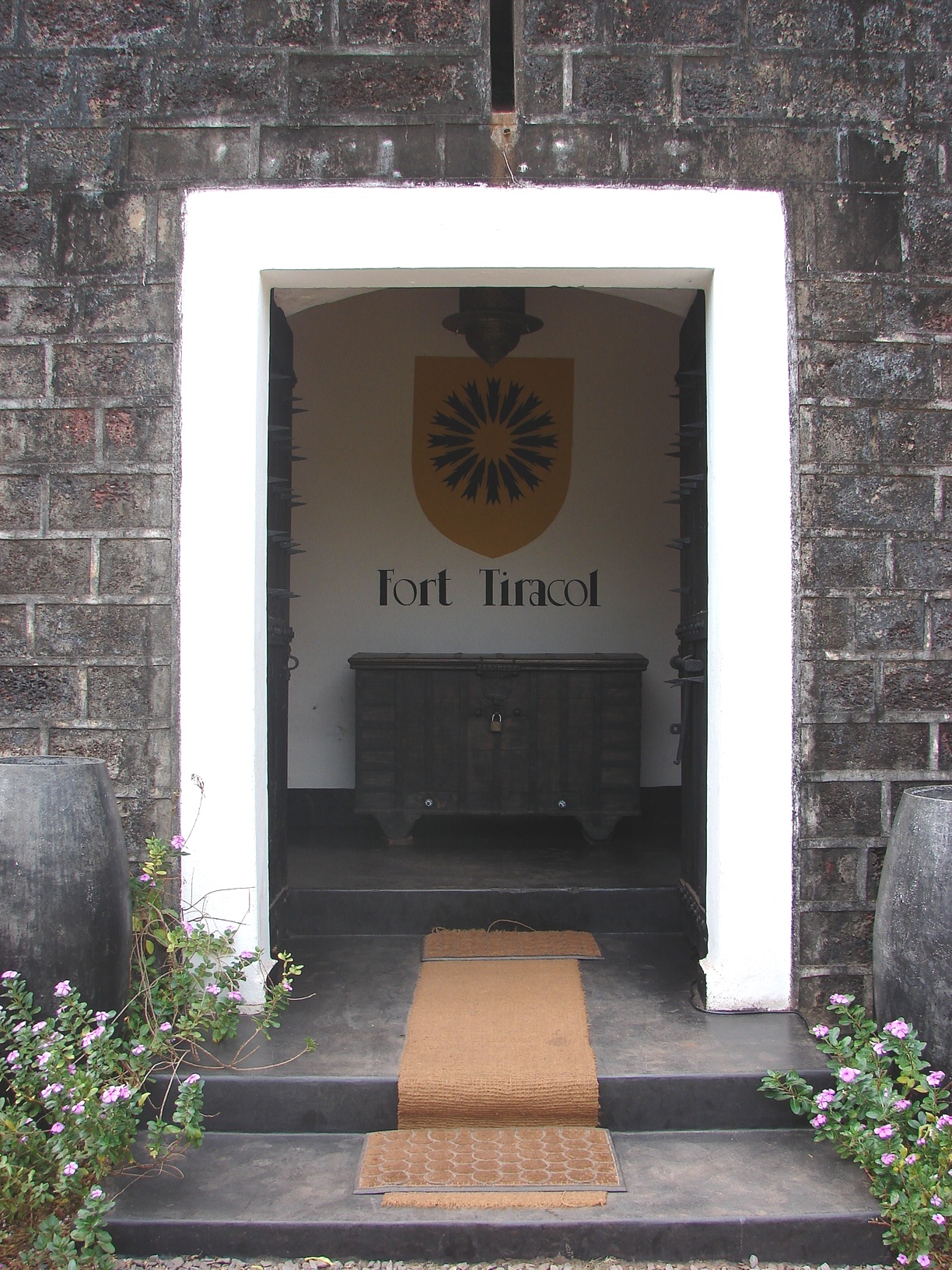
The fort's perimeter stretches over 1.8 kilometres, enclosing an area of around 48 acres. It features a complex system of moats and ramparts that enhance its defensive capabilities. The fort's entrance is guarded by a massive gate, reinforced with iron spikes to deter battering rams. Within the walls, there are numerous structures including granaries, armories, residential quarters, and temples dedicated to Hindu deities, reflecting the cultural and religious life of the fort's inhabitants.
Sea-facing defenses
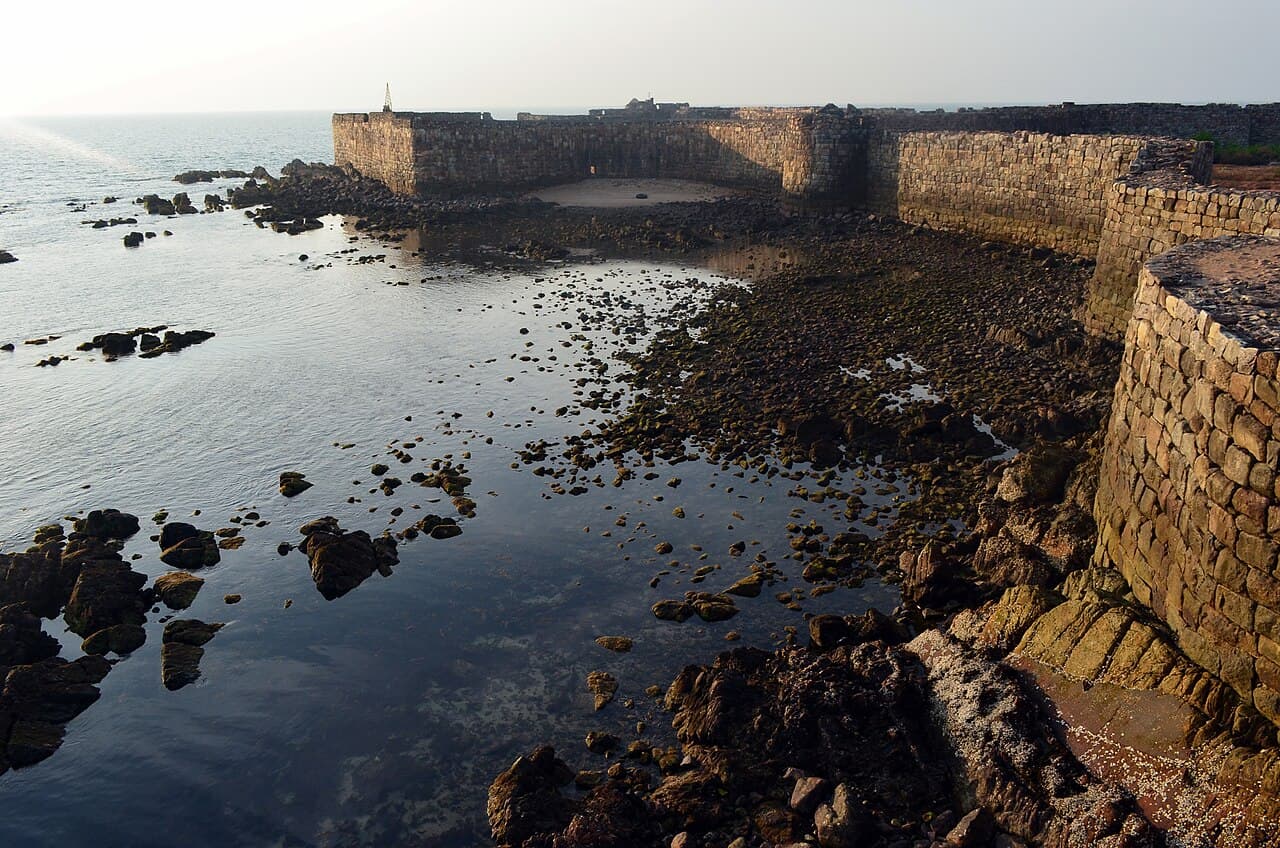
The fort's design takes full advantage of its maritime setting. The outer walls facing the sea are particularly thick and high, built to withstand cannon fire from enemy ships. There are strategically placed artillery positions overlooking the sea, allowing defenders to repel naval attacks effectively. The fort also includes a dockyard area where Maratha ships could be repaired and resupplied, underscoring its role as a naval base.
Cultural and heritage significance
Sindhudurg Fort is not only a military monument but also a symbol of Maratha naval prowess and architectural ingenuity. It represents the maritime ambitions of Chhatrapati Shivaji and his efforts to establish a strong naval force. The fort has witnessed several naval skirmishes and played a critical role in protecting the Konkan coast during the Maratha period.
Today, the fort is a popular tourist destination, attracting visitors interested in history, architecture, and coastal scenery. Its well-preserved walls and bastions provide insight into 17th-century military engineering. The fort's remote island location offers stunning views of the Arabian Sea and the surrounding coastline, making it a favored spot for photography and exploration.
Preservation and visitor information
Maintained by the Archaeological Survey of India, Sindhudurg Fort is classified as a protected monument. Conservation efforts focus on preserving the fort's structural integrity and preventing damage from natural elements such as sea erosion and monsoon rains. Visitors can reach the fort by boat from Malvan, with regular ferry services available.
The fort is open to the public throughout the year, with the best visiting months being from October to March when the weather is pleasant. Visitors can explore the extensive ramparts, bastions, and internal structures, gaining a comprehensive understanding of the fort's historical and architectural significance.
Frequently asked questions (FAQ)
- How do I reach Sindhudurg Fort?
- Sindhudurg Fort is accessible by boat from Malvan, a town in Maharashtra. Regular ferry services operate, making the fort reachable within a short boat ride from the mainland.
- What is the historical significance of Sindhudurg Fort?
- Sindhudurg Fort was built by Chhatrapati Shivaji in the 17th century as a strategic naval base to protect the Konkan coast from foreign invasions. It symbolizes Maratha naval power and military architecture.
- When is the best time to visit Sindhudurg Fort?
- The best time to visit Sindhudurg Fort is between October and March when the weather is dry and pleasant, ideal for exploring the fort's extensive structures and enjoying coastal views.
- Is Sindhudurg Fort open to the public?
- Yes, the fort is open year-round to visitors. It is maintained by the Archaeological Survey of India and offers a glimpse into 17th-century bastioned fortress architecture.
- What architectural features make Sindhudurg Fort unique?
- Sindhudurg Fort features robust bastions, thick laterite stone walls, sea-facing artillery positions, and a complex moat system, designed to withstand naval attacks and protect the coastline.
Photo gallery

Information
Current owner
Archaeological Survey of India
Loading map...
Visitor reviews
No reviews yet. Been here? Write the first review and help other travelers!
Write the first reviewVisited this castle? Share your experience
Your review helps other travelers and adds first-hand knowledge to our encyclopedia.