Silla del Moro
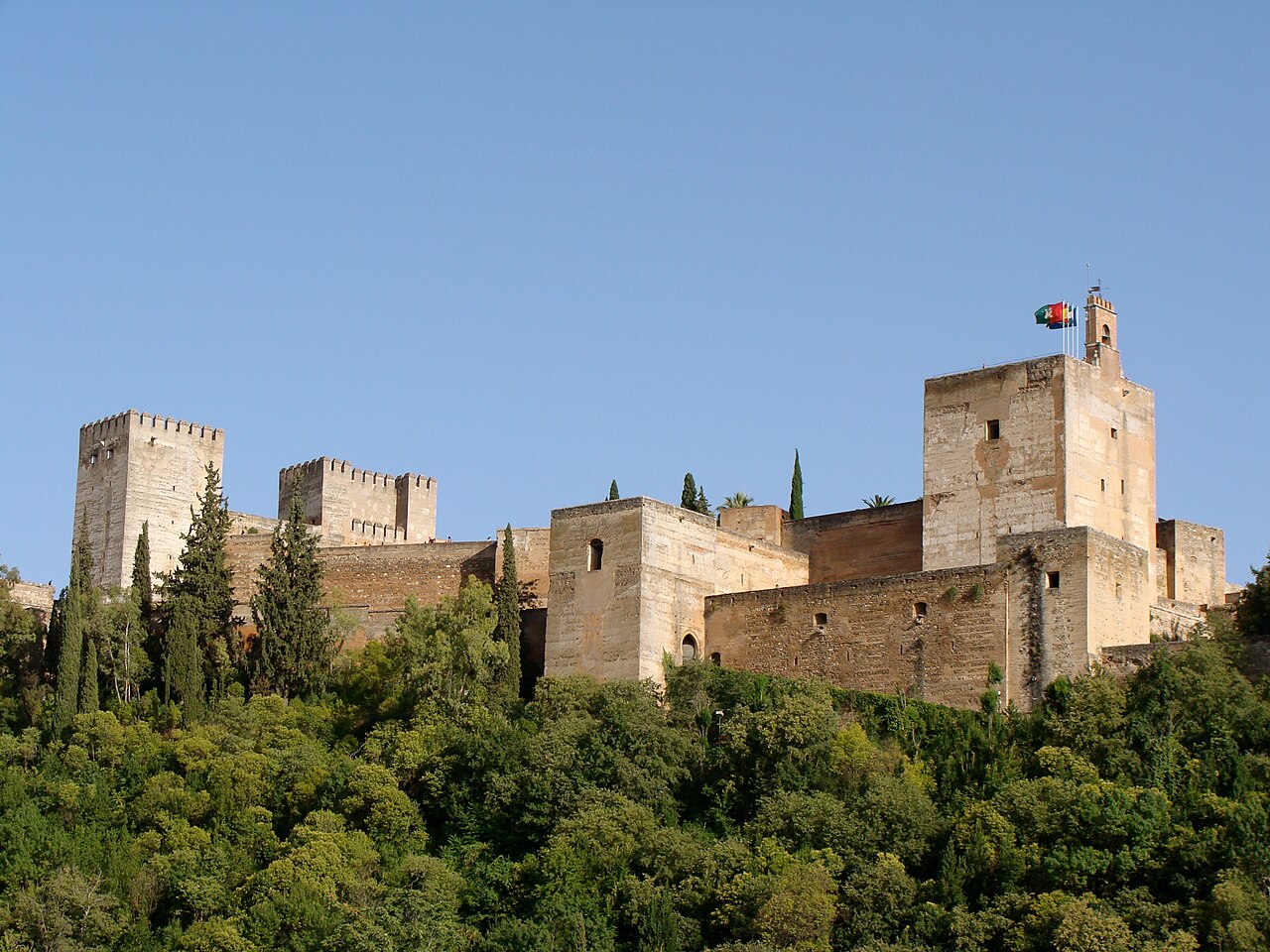
The Silla del Moro castle, located in the municipality of Granada, Spain, is a remarkable example of Nasrid dynasty military architecture from the late medieval period. Constructed in the 13th century, this hill castle was strategically positioned on the northern slope of Cerro de Santa Elena (also known as Cerro del Sol), approximately 853 meters above sea level. Overlooking the Darro river valley and the city of Granada, it played a crucial role in the defensive network surrounding the Alhambra and its adjacent summer palace, the Generalife.
Originally built by the Nasrids, the fortress was primarily designed to manage and protect the vital water supply system feeding the palatial complexes and the fertile agricultural lands below. The castle controlled the flow from an acequia, an irrigation canal that linked directly to the Dar al-Arusa palace within the Alhambra. This hydraulic function was essential for sustaining the lush gardens and water features that characterize the Generalife, reflecting the sophisticated water engineering of the Nasrid period.
Throughout its history, the Silla del Moro has been known by various names. While officially called Castillo de Santa Elena since the 17th century, it became popularly known as the Silla del Moro or "Moor's chair" in the early 19th century, a name inspired by its commanding position and silhouette.
Historical significance and evolution
During the Nasrid era, the fortress was integral to the defensive and hydraulic systems of the Alhambra complex. It served not only as a military outpost but also as a control point for the water infrastructure that was vital to the region's agriculture and palace gardens. The castle's strategic location allowed it to oversee and regulate the water supply, ensuring the sustainability of the surrounding environment and the comfort of the Nasrid rulers.
After the Christian conquest of Granada in 1492, the fortress retained much of its original structure. Historical records from the early 17th century, including those by historian Daniel Meisner in 1623, indicate that the castle remained mostly intact at that time. However, its military importance waned over the centuries, and by the 18th century, the main tower had partially collapsed, signaling a decline in its strategic relevance.
Throughout the 17th century, the castle gradually fell into disrepair and was never restored to its former glory. In the 20th century, the site underwent several transformations that altered its historic fabric. A viewpoint was constructed in 1942 to capitalize on the panoramic views of Granada and the surrounding landscape. Later, between 1966 and 1970, a restaurant was built on the site, although it never opened and partially collapsed during the 1980s.
Recognizing the importance of preserving this historic monument, the Patronato de la Alhambra y Generalife undertook conservation efforts that culminated in a comprehensive restoration project completed by 2010. This project removed the intrusive modern constructions and focused on recovering and protecting the medieval fortress remains, emphasizing its original function and architectural integrity.
Architectural features and archaeological findings
The surviving structure of Silla del Moro exemplifies typical Nasrid military architecture, constructed with materials and techniques consistent with 13th-century Islamic fortifications. The castle's layout and construction reflect its dual role as a defensive stronghold and a hydraulic control point.
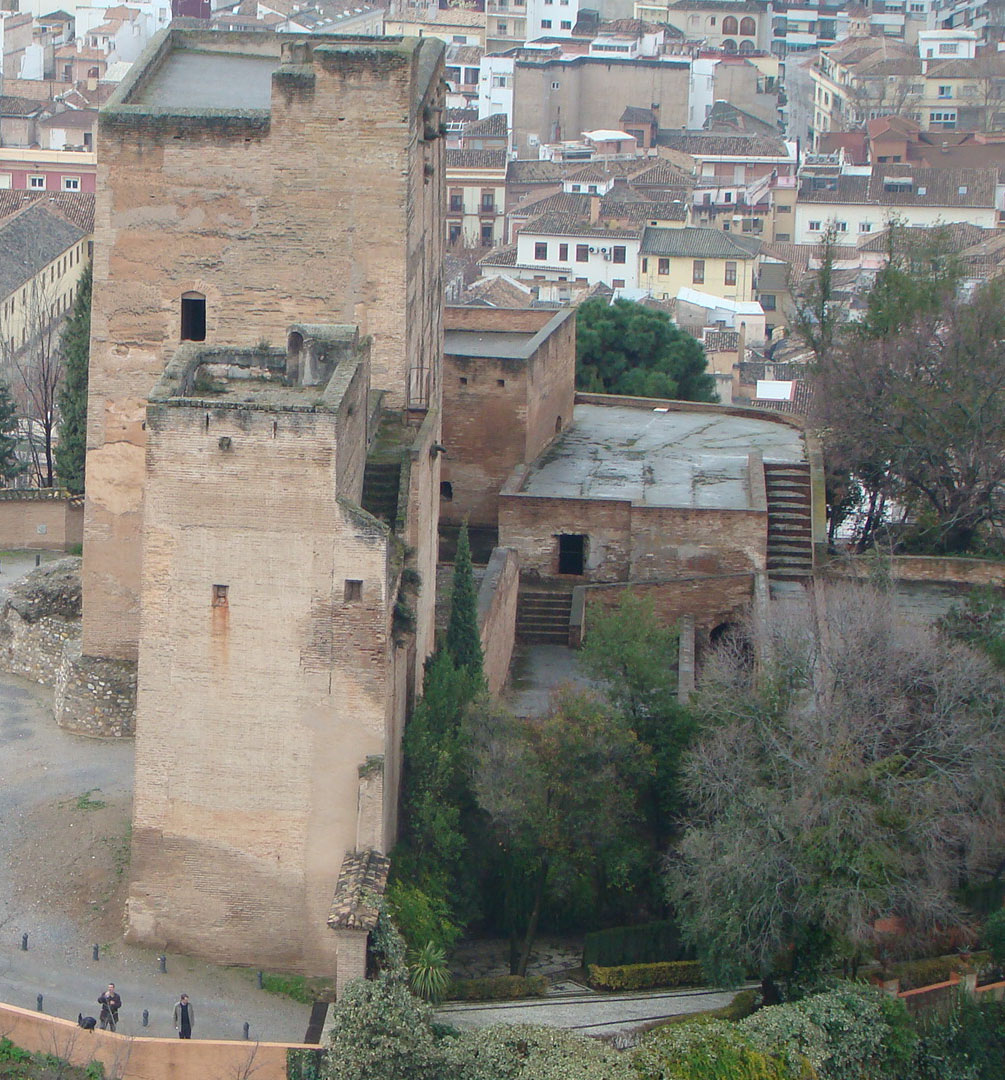
Excavations conducted in 1929 revealed significant archaeological evidence, including a water conduit and a staircase, which confirm the fortress's role in regulating the water system linked to the Dar al-Arusa palace. These features highlight the sophisticated engineering employed by the Nasrids to manage water resources effectively.
Additionally, remains of a tower with fragments of vaults were uncovered, demonstrating the castle's architectural complexity and its defensive capabilities. The main tower, which was complete in the early 1600s, had lost its upper sections by the 18th century but still provided a commanding vantage point over the Darro valley.
Beneath the visible ruins lies a network of galleries and tunnels, the origins and purposes of which remain subjects of ongoing research. These subterranean features suggest a multifaceted use of space, possibly related to water management, storage, or defense, adding an intriguing layer to the site's historical narrative.
Conservation and visitor experience
Today, the Silla del Moro stands as a well-preserved hill castle that offers visitors insight into the Nasrid period and the sophisticated integration of military architecture with hydraulic engineering. The restoration efforts have successfully removed modern intrusions, allowing the medieval fortress's original features to be appreciated in their historical context.
The castle's location provides spectacular views of the Alhambra, the city of Granada, and the surrounding landscape, making it a popular destination for tourists interested in history, architecture, and panoramic vistas. The site also invites exploration of its underground tunnels, although their full significance remains to be uncovered.
As part of the broader cultural heritage of Granada, the Silla del Moro exemplifies the ingenuity and strategic foresight of the Nasrid dynasty. It stands as a testament to the fusion of military necessity and environmental management that characterized Islamic rule in the Iberian Peninsula during the late medieval era.
Frequently asked questions (FAQ)
- When was the Silla del Moro castle built?
- The Silla del Moro castle was built in the 13th century during the Nasrid dynasty's rule in Granada.
- What was the primary function of the Silla del Moro?
- The fortress primarily served to control the water supply system feeding the Alhambra and Generalife palaces, as well as to provide defense.
- Is the Silla del Moro castle open to visitors?
- Yes, the castle is accessible to visitors who can explore the remains and enjoy panoramic views of Granada and the Alhambra complex.
- What are the notable architectural features of the Silla del Moro?
- Notable features include the remains of the main tower, water conduit, vaulted structures, and a network of underground galleries and tunnels.
- Why is the castle called Silla del Moro?
- The name "Silla del Moro" or "Moor's chair" originates from the castle's silhouette and commanding position above the Darro valley, a name popularized in the early 19th century.
Information
Sources & official resources
Verify the information above using these authoritative references.
Loading map...
Visitor reviews
No reviews yet. Been here? Write the first review and help other travelers!
Write the first reviewVisited this castle? Share your experience
Your review helps other travelers and adds first-hand knowledge to our encyclopedia.