Muralla de la Alcazaba
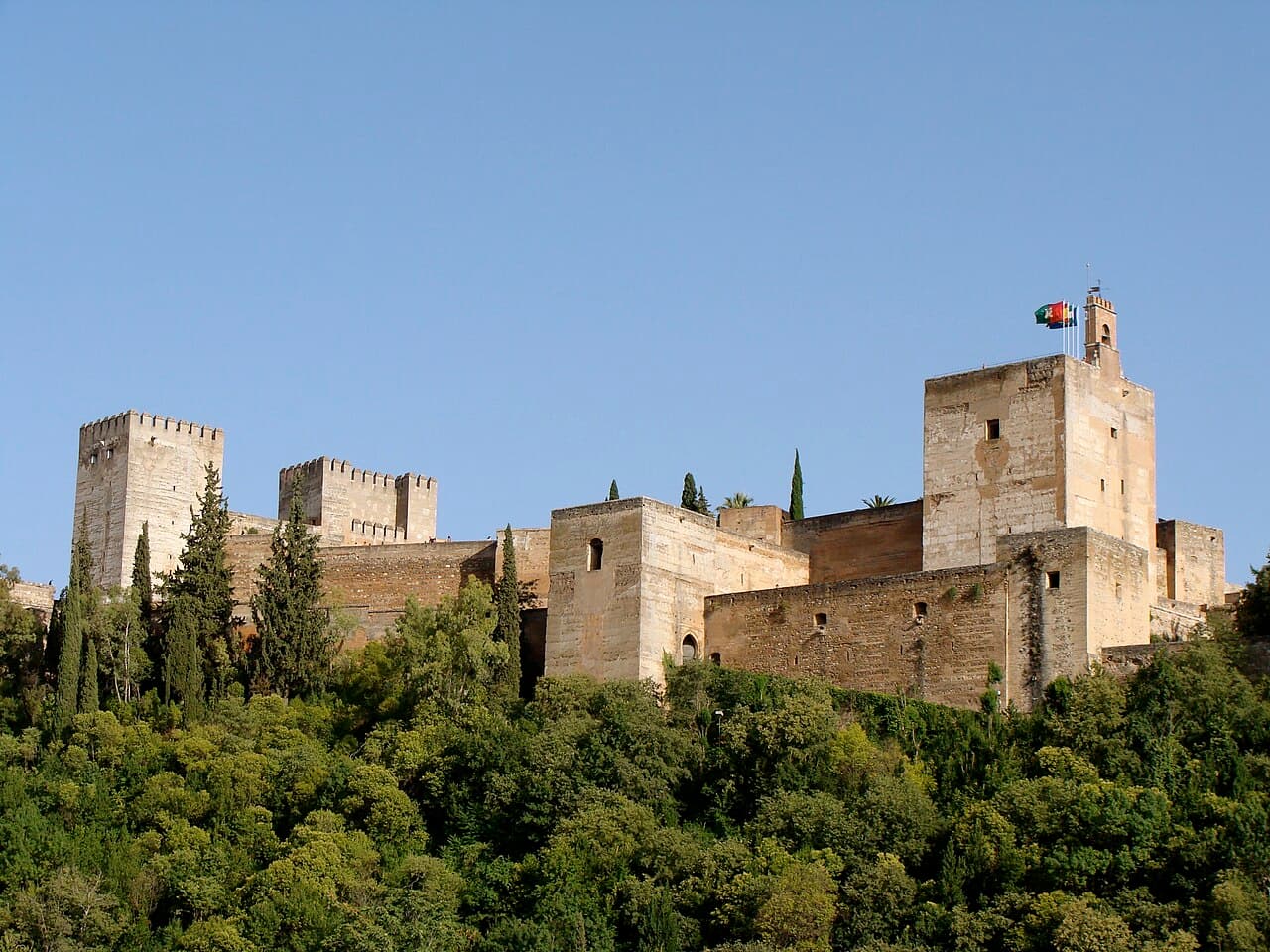
The Muralla de la Alcazaba is a prominent bastioned fortress located at the western tip of the Alhambra complex in Granada, Spain. As the oldest surviving section of the Alhambra, it holds great historical and architectural significance. The name "Alcazaba" derives from the Arabic term al-qaṣabah, meaning "the citadel" or "kasbah," reflecting its original function as a fortified stronghold. This fortress was constructed shortly after 1238 under the orders of Muhammad I Ibn al-Ahmar, the founder of the Nasrid dynasty, marking a crucial phase in the establishment of Nasrid rule in the region.
Historical background and origins
The site of the Muralla de la Alcazaba was originally occupied by an earlier fortress built by the Zirid kingdom of Granada in the 11th century. This earlier structure laid the groundwork for the later Nasrid construction, which expanded and reinforced the defenses to suit the needs of the new ruling dynasty. Muhammad I's decision to build the Alcazaba was part of a broader strategy to consolidate power and protect the nascent Nasrid emirate from external threats.
Architectural features and fortifications
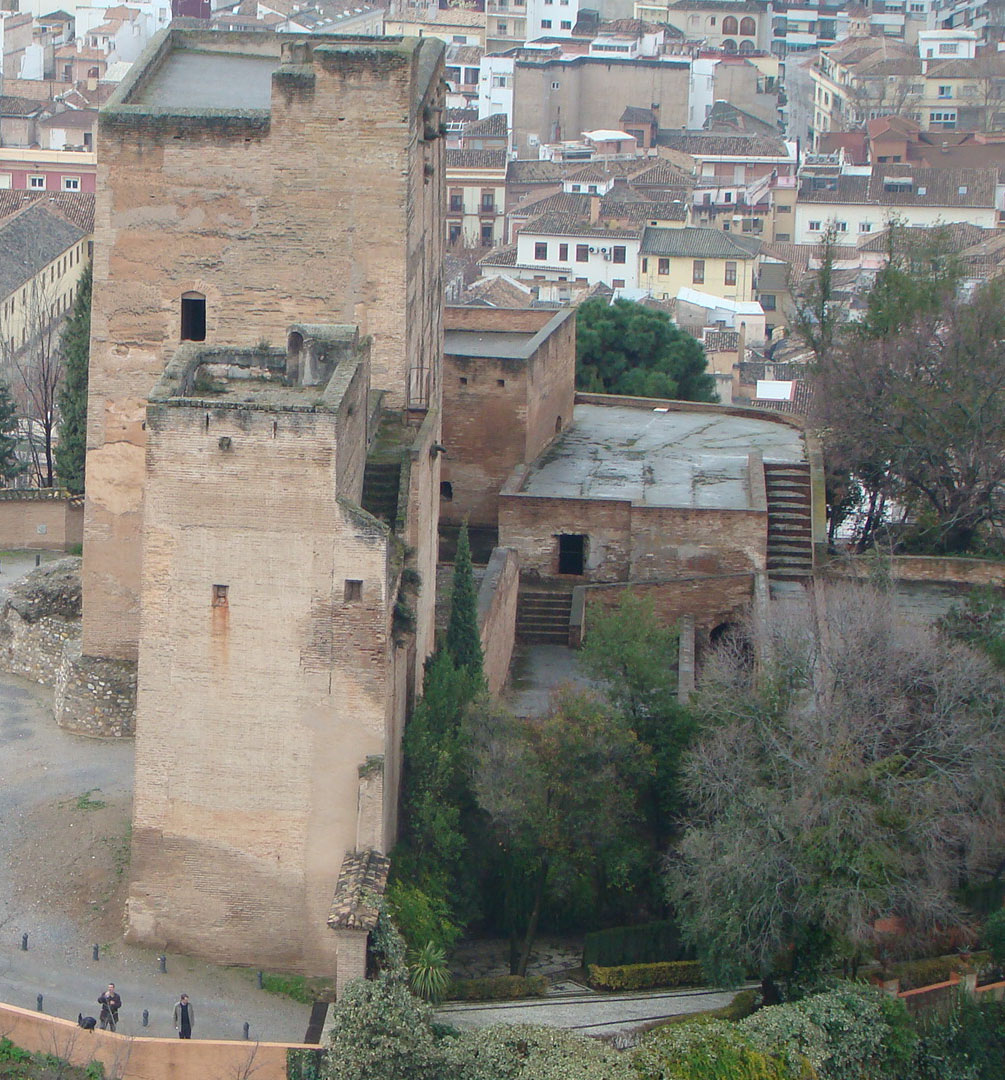
The Alcazaba's design reflects typical High Medieval military architecture with strong bastioned walls and defensive towers that provide commanding views over the surrounding landscape. The fortress includes a series of ramparts, watchtowers, and battlements designed to repel attackers and withstand sieges. Its elevated position on a rocky outcrop allowed defenders to monitor and control access routes to the city below.
towers and defensive structuresAmong the key architectural elements are the fortress's massive towers, which were strategically placed to cover all angles of approach. These towers served as lookout points and strongholds during combat. The walls connecting these towers are thick and reinforced with bastions to absorb and deflect enemy assaults.
Role within the alhambra complex
The Alcazaba served as the military heart of the Alhambra, providing the primary defensive barrier for the entire palace complex. It was not only a fortress but also a symbol of the Nasrid dynasty's authority and control over Granada. The Alcazaba's proximity to the Palace of the Nasrid Emirs and other key buildings highlights its importance in the overall layout of the Alhambra.
Cultural and heritage significance
Today, the Muralla de la Alcazaba stands as a well-preserved monument to the Islamic architectural heritage of medieval Spain. It attracts numerous visitors who come to explore its ancient walls and enjoy panoramic views of Granada and the surrounding Sierra Nevada mountains. The fortress is an essential part of the Alhambra's designation as a UNESCO World Heritage Site, recognized for its outstanding cultural and historical value.
Visitor information and accessibility
Visitors to the Alhambra can access the Alcazaba as part of their ticket to the complex. The fortress's rugged terrain and steep paths require a moderate level of physical fitness to explore fully. Guided tours often include detailed explanations of the Alcazaba's history and architecture, enhancing the visitor experience.
Frequently asked questions (FAQ)
- What is the historical significance of the Muralla de la Alcazaba?
- The Muralla de la Alcazaba is the oldest surviving part of the Alhambra, built in the 13th century by Muhammad I Ibn al-Ahmar. It served as the primary military defense for the Nasrid dynasty's palace complex in Granada.
- Can I visit the Alcazaba as part of the Alhambra tour?
- Yes, the Alcazaba is included in the general admission ticket to the Alhambra. Visitors can explore its walls, towers, and enjoy panoramic views of Granada.
- What architectural features make the Alcazaba unique?
- The Alcazaba features bastioned walls, massive defensive towers, ramparts, and battlements typical of High Medieval military architecture, designed to protect the fortress from sieges.
- Is the Alcazaba accessible for visitors with limited mobility?
- Due to its elevated position and uneven terrain, the Alcazaba may be challenging for visitors with limited mobility. Some areas involve steep paths and stairs.
- When is the best time to visit the Muralla de la Alcazaba?
- Spring and autumn offer pleasant weather for visiting the Alcazaba, with fewer crowds than the summer months. Early morning visits provide cooler temperatures and better lighting for photography.
Photo gallery

Information
Loading map...
Visitor reviews
No reviews yet. Been here? Write the first review and help other travelers!
Write the first reviewVisited this castle? Share your experience
Your review helps other travelers and adds first-hand knowledge to our encyclopedia.