Przeworno Castle, located in the village of Przeworno in Poland, is a historic site with origins tracing back to the mid-12th century. First documented in 1155 in a papal bull by Pope Hadrian IV, the village and its surroundings were noted as possessions of the Bishop of Wrocław. Over the centuries, Przeworno transitioned from ecclesiastical holdings to a knightly estate, reflecting the shifting political and social landscapes of medieval Silesia.
Early history and ownership transitions
During the 13th century, Przeworno became a property of various noble families, with frequent changes in ownership. The estate was held by notable figures such as Gocław Wrona of the Sambor family, Bogusław I Komes of Strzelin, and knights Jarosław and Marbnt along with his heirs. Around 1447, the property came under the control of the von Czirn family, who maintained possession until the early 17th century. This period marked significant developments in the estate's fortifications and residential structures.
Construction and architectural evolution
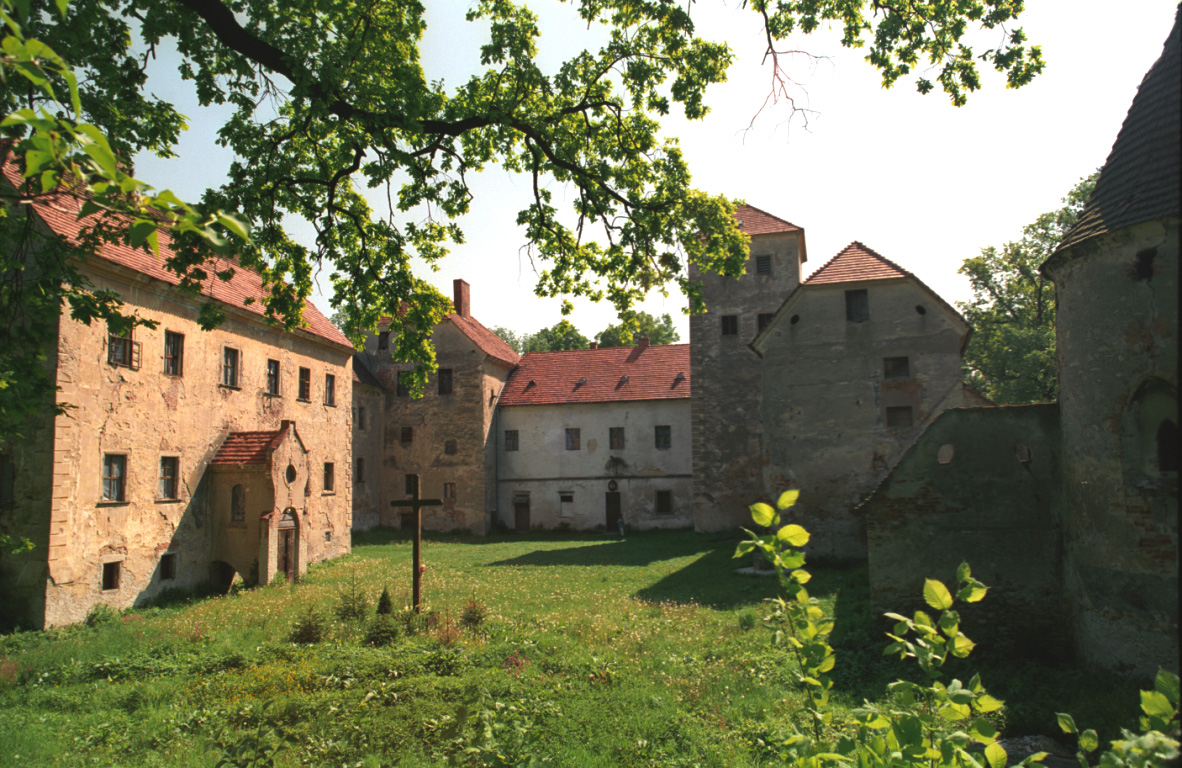
It is believed that the original stone castle was constructed in the mid-15th century when the von Czirn family took ownership. The castle was strategically positioned on the southeastern edge of the village, near the Krynk river. Its initial destruction occurred in 1461 when forces from the cities of Wrocław and Nysa attacked and razed the fortress. Subsequently, the castle was rebuilt in the Renaissance style, featuring a quadrangular layout with an internal courtyard and corner turrets. A water-filled moat surrounded the entire complex, enhancing its defensive capabilities.
Renaissance rebuilding and features
The Renaissance reconstruction introduced architectural elements typical for the period, including symmetrical forms and ornamental details. The castle’s four-sided design enclosed a central courtyard, a common feature in Renaissance palatial architecture that facilitated both defense and daily life. The corner towers provided vantage points for surveillance and defense, while the moat added a layer of protection against invaders.
Sieges, war damage, and later ownership
During the Thirty Years’ War in 1643, Przeworno Castle suffered significant damage when it was looted and set ablaze by Swedish troops. In the latter half of the 17th century, the castle briefly belonged to the Dukes of Brzeg. Following the death of Duke George IV William in 1675, the duchy of Legnica-Brzeg passed to the Austrian emperor due to the extinction of the Piast male line. A notable historical figure associated with Przeworno is August, Count of Legnica, who died in 1679 and is considered by some as the last male descendant of the Silesian Piasts, despite his morganatic birth.
Prussian period and transformation into a palace
After Austria’s defeat in the 1742 war, Silesia, including Przeworno, became part of Prussia. The estate was acquired by the Berlin-based hospital "Cherite," which owned it until 1945. Throughout the 18th and 19th centuries, the castle underwent multiple renovations that altered its original stylistic features, transforming it into more of a palatial residence rather than a medieval fortress. These changes reflected evolving tastes and the diminished military role of such structures.
Architectural changes and loss of medieval features
The extensive remodeling during this period led to the loss of many characteristic medieval and Renaissance elements. The fortress’s defensive functions were largely abandoned in favor of comfort and aesthetic appeal, aligning with the trends of aristocratic residences in the region. The building’s structure was adapted to serve administrative and residential purposes, marking its transition into a palace-like complex.
20th century to present: decline and restoration efforts
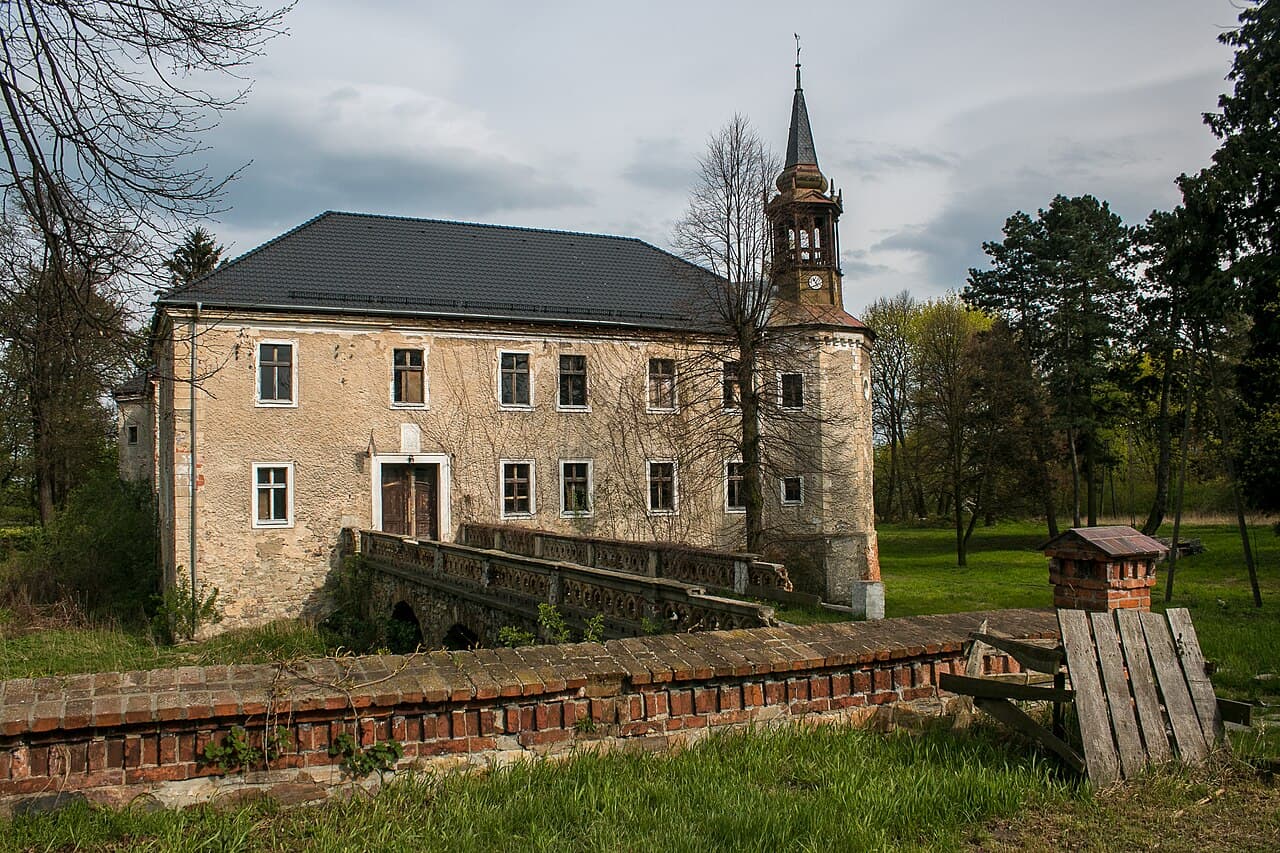
Following World War II, the estate was nationalized and repurposed to house offices and apartments for the local state agricultural enterprise (PGR). Unfortunately, this period saw neglect and deterioration of the historic buildings. By the 1990s, the palace was in a state of ruin and was sold into private ownership. Current efforts focus on restoring the structure to its former grandeur, preserving significant remnants such as the original portal bearing the construction date and coat of arms, and an 18th-century stone bridge that spans the former moat.
Surrounding landscape and park
The palace is surrounded by a 19th-century landscape park, which, despite its current neglected state, adds historical and aesthetic value to the site. Restoration plans include revitalizing the park to complement the architectural heritage of the palace, enhancing its appeal as a cultural and historical landmark.
Architectural significance and heritage value
Przeworno Castle exemplifies the architectural evolution from a medieval fortress to a Renaissance palace and later a palatial residence. Its history reflects broader regional dynamics, including shifting political control, warfare, and changing architectural tastes. The site’s surviving elements provide valuable insights into the defensive and residential designs spanning several centuries. Restoration efforts aim to preserve this heritage, making Przeworno an important monument in Poland’s cultural landscape.
Notable architectural features
- The original portal with construction date and heraldic cartouche, a rare surviving Renaissance detail.
- The stone bridge from the 18th century, marking the location of the former moat.
- The quadrangular layout with an internal courtyard and corner turrets, typical of Renaissance military architecture.
- The surrounding moat, which was once a key defensive feature.
Historical figures associated with przeworno
- Gocław Wrona of the Sambor family, an early noble owner.
- Bogusław I Komes of Strzelin, a knight and owner in the 13th century.
- The von Czirn family, who rebuilt the castle in the Renaissance style.
- August, Count of Legnica, considered by some as the last male Silesian Piast descendant.
Frequently asked questions (FAQ)
- What is the historical significance of Przeworno Castle?
- Przeworno Castle is a remarkable example of medieval architecture in Poland, showcasing the rich history of the region. Built in the 14th century, it has served various purposes throughout its existence, including as a noble residence and military fortress. Its unique design and historical context make it an important site for understanding the area's past.
- When was Przeworno Castle built?
- Przeworno Castle was constructed in the 14th century, with its origins tracing back to around 1340. It reflects the architectural styles and defensive needs of that period, making it a fascinating site for history enthusiasts. Over the centuries, the castle has undergone several renovations, adding layers to its historical narrative.
- Can I visit Przeworno Castle?
- Yes, visitors are welcome to explore Przeworno Castle and its grounds. Guided tours are typically available, allowing guests to learn more about the castle's history and architecture. It is advisable to check the official website for any specific visitor guidelines or requirements.
- What are the opening hours for Przeworno Castle?
- Przeworno Castle generally opens to visitors from 10 AM to 5 PM, but hours may vary depending on the season. It is recommended to confirm the current opening hours before planning your visit, especially during holidays or special events. Always check for any updates on the castle's official site or social media pages.
- Is it possible to access Przeworno Castle with mobility aids?
- While efforts have been made to make Przeworno Castle accessible, the historical nature of the site may present some challenges for visitors with mobility aids. It's best to contact the castle management in advance to inquire about specific accessibility features and available assistance. They can provide the most accurate information for your visit.
- When is the best time to visit Przeworno Castle?
- The best time to visit Przeworno Castle is during the spring and early autumn months when the weather is mild and pleasant. These seasons also offer beautiful natural scenery, enhancing your experience of the castle and its surroundings. Summer can be busier with tourists, so early spring or late fall may provide a quieter visit.
- What are the ticket prices for visiting Przeworno Castle?
- Ticket prices for Przeworno Castle are generally affordable, with discounts available for students and seniors. As prices may change based on the season or special events, it's advisable to check the official website or contact the castle directly for current pricing information. Group rates are also often available, making it a great destination for school trips or family outings.
- Are there any nearby attractions to visit after Przeworno Castle?
- Yes, the area surrounding Przeworno Castle is rich in attractions, including beautiful natural parks and other historical sites. The nearby town offers quaint shops and local cuisine, perfect for a full day of exploration. Visitors can also enjoy scenic walking trails and cultural experiences in the region.
Photo gallery

Information
Loading map...
Visitor reviews
No reviews yet. Been here? Write the first review and help other travelers!
Write the first reviewVisited this castle? Share your experience
Your review helps other travelers and adds first-hand knowledge to our encyclopedia.