Sidon Sea Castle
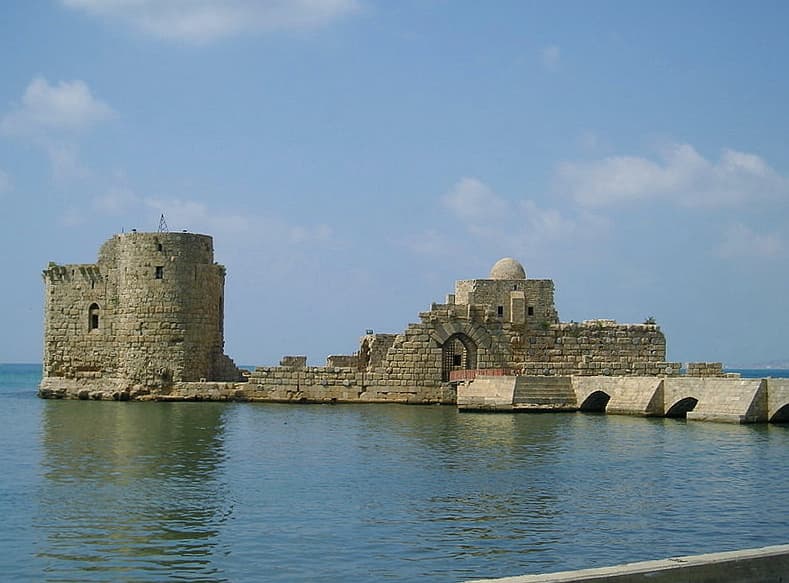
Sidon Sea Castle stands as a remarkable testament to the layered history of Lebanon's coastal defenses. Situated on a small island just off the coast of the ancient city of Sidon, this fortress was constructed in 1228 by the Crusaders during the high medieval period. Its strategic location allowed control over the harbor and surrounding maritime routes, underscoring its military and economic significance in the eastern Mediterranean.
The island on which the castle is built carries a history that predates the Crusader era by several centuries. It was once home to a Phoenician temple dedicated to Melqart, a deity closely linked to the Greek hero Heracles. This temple, along with other ancient structures such as a possible Phoenician king's palace, endured cycles of destruction and rebuilding, influenced by events such as the Assyrian invasions under Esarhaddon and natural disasters like earthquakes. These layers of antiquity contribute to the site's profound cultural heritage.
Architectural features and construction history
Crusader fortress design
The core of Sidon Sea Castle comprises two main towers connected by a fortified wall, reflecting typical Crusader military architecture. The western tower, rectangular and better preserved, includes a large vaulted hall with remnants of carved capitals and rusted cannonballs, indicative of the castle's martial past. A spiral staircase inside leads to the rooftop, which now hosts a small Ottoman-era mosque crowned with a dome, symbolizing the site's continued adaptation through successive regimes.
Mamluk modifications and causeway construction
Following the conquest of Sidon by the Mamluks, the castle suffered significant damage but was subsequently restored. The Mamluks enhanced the fortress's accessibility by building an approximately 80-meter causeway linking the island to the mainland city of Sidon. This causeway not only improved logistical connections but also integrated the castle more closely with the urban fabric of Sidon.
Architectural details and reused materials
The fortress walls are reinforced with horizontally embedded Roman columns, a practice common in medieval constructions on ancient sites. This reuse of materials served both structural and symbolic purposes, showcasing continuity with the region's rich architectural heritage. The eastern tower exhibits a complex construction history, with its lower section dating to the Crusader period and an upper portion added by the Mamluks, although it survives in a more fragmentary state than its western counterpart.
Historical significance and military role
Defense and control of sidon's harbor
Sidon Sea Castle played a crucial role in controlling the harbor and protecting the city from naval threats. Its position allowed it to monitor maritime traffic and defend against invasions during the turbulent medieval period. The castle's fortifications and strategic outlook were essential in the Crusaders' efforts to maintain a foothold in the Levant.
Refuge and resilience through conflicts
Historical records, including inscriptions from Assyrian king Sennacherib, indicate the island's use as a refuge during military conflicts. The presence of fortifications, towers, pastures, and cisterns for water storage highlight its preparedness for sieges and prolonged defense. Despite damage from various conflicts, including the Mamluk conquest and natural disasters, the castle's resilience is evident in its multiple phases of restoration.
Later restorations and cultural legacy
Emir fakhr ad-din ii's 17th-century repairs
After centuries of abandonment, the castle saw renewed attention in the 17th century under the leadership of Emir Fakhr ad-Din II. His restoration efforts focused on repairing the most damaged sections, ensuring the fortress retained its defensive capabilities and historical presence. This phase reflects the castle's enduring importance in regional power dynamics and heritage preservation.
Ottoman influences and mosque addition
The addition of the domed mosque atop the western tower during the Ottoman period symbolizes the site's continued religious and cultural significance. This structure, while not part of the original Crusader design, represents the layering of historical narratives and architectural styles that characterize Sidon Sea Castle.
Archaeological discoveries and underwater heritage
Submerged phoenician city remains
Archaeological investigations beneath the waters surrounding the castle have revealed extensive remains of the ancient Phoenician city once thriving in this area. Discoveries include sections of walls, columns, staircases, statues, and cisterns, offering invaluable insights into the maritime culture and urban development of Sidon in antiquity. These underwater ruins connect the castle to its deep historical roots and underscore its role in the broader narrative of Mediterranean history.
Integration of archaeological heritage and tourism
Today, Sidon Sea Castle is not only a monument of military architecture but also a focal point for cultural tourism and archaeological study. Its ruins and the surrounding submerged sites attract visitors interested in the layered history of the Levant, from Phoenician civilization through Crusader and Mamluk periods to Ottoman times. The castle exemplifies the rich tapestry of influences that have shaped Lebanon's coastal heritage.
Frequently asked questions (FAQ)
- How do I get to Sidon Sea Castle?
- Sidon Sea Castle is accessible via a causeway connecting it to the mainland city of Sidon. Visitors can reach Sidon by road from Beirut or other major Lebanese cities and then walk across the causeway to the castle.
- What is the historical significance of Sidon Sea Castle?
- Sidon Sea Castle was built in 1228 by Crusaders to control the harbor and protect the city. It has layers of history including Phoenician, Crusader, Mamluk, and Ottoman influences, reflecting its strategic and cultural importance.
- Can I visit the mosque on top of the castle?
- Yes, the small domed mosque atop the western tower dates from the Ottoman period and is accessible to visitors, offering panoramic views of Sidon and its harbor.
- When is the best time to visit Sidon Sea Castle?
- The castle is open daily from 08:00 to 17:00. Visiting in the spring or autumn offers pleasant weather and fewer crowds, ideal for exploring the ruins and enjoying the coastal scenery.
- Is there an entrance fee to visit Sidon Sea Castle?
- Admission to Sidon Sea Castle is free, making it an accessible historical site for all visitors interested in Lebanon's rich heritage.
Photo gallery

Information
Opening hours
08:00-17:00, daily
Ticket prices
Free
Current owner
Lebanese Ministry of Culture
Loading map...
Visitor reviews
No reviews yet. Been here? Write the first review and help other travelers!
Write the first reviewVisited this castle? Share your experience
Your review helps other travelers and adds first-hand knowledge to our encyclopedia.