Castle of Saint Louis
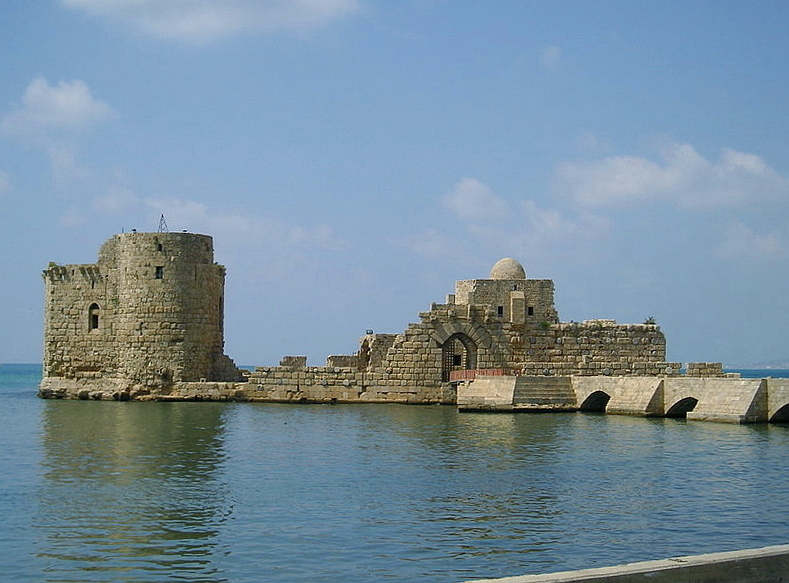
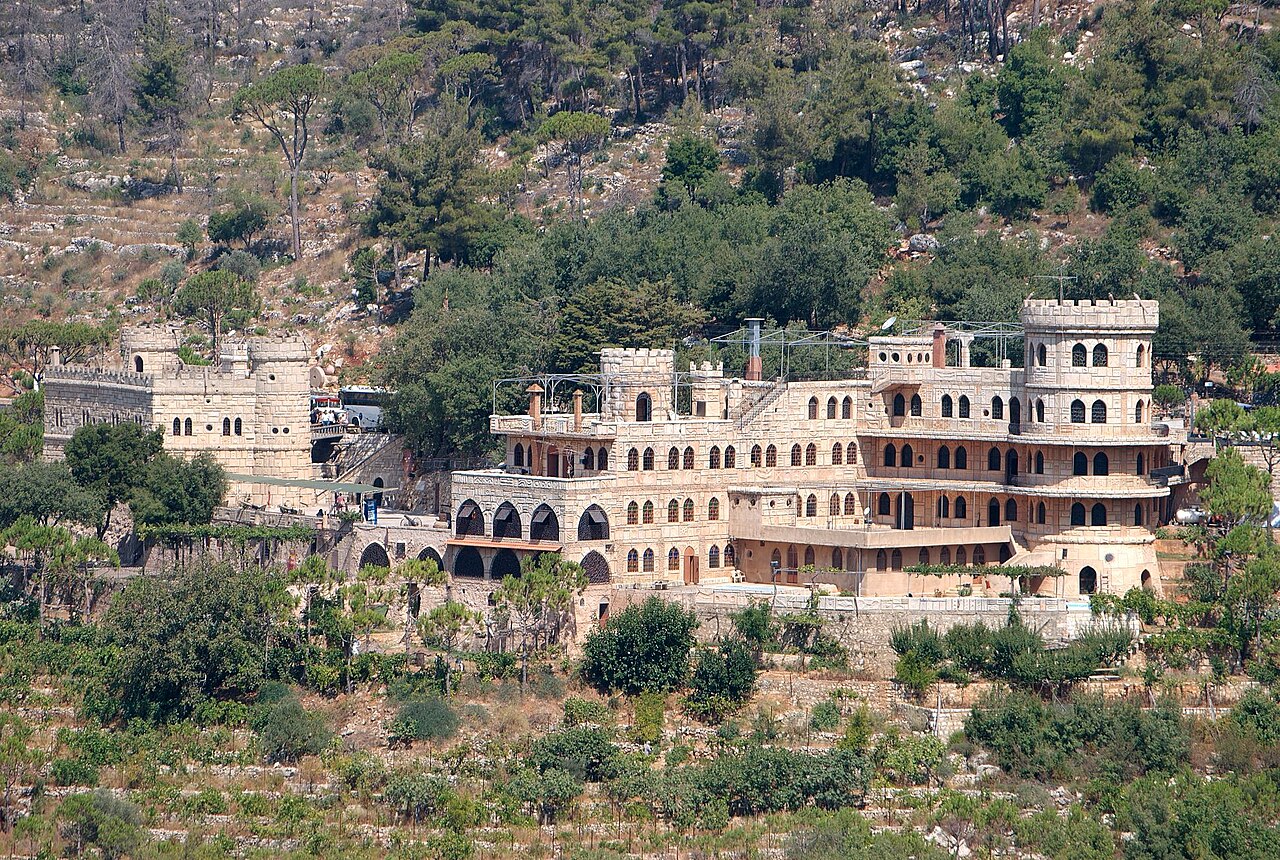
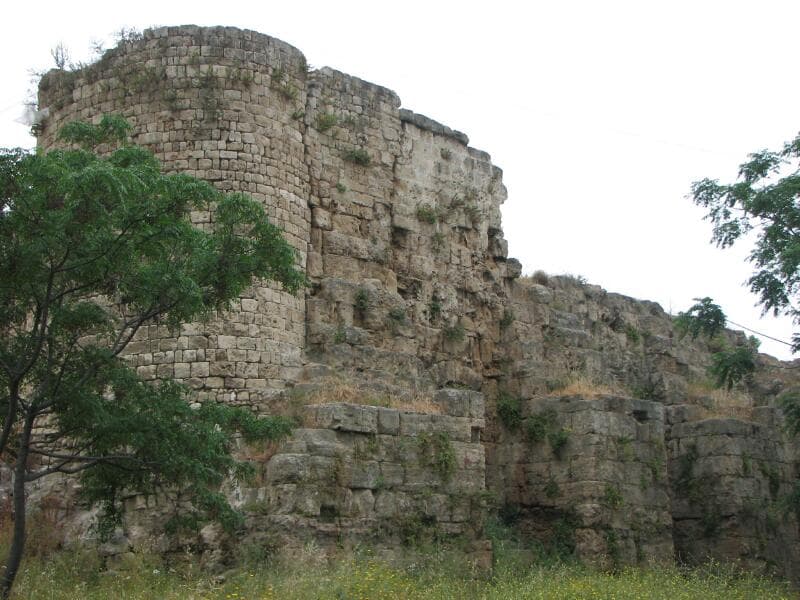
The Castle of Saint Louis, also known as Qalaat al Muizz or the Land Castle, stands as a significant historical monument in Sidon, Lebanon. Built in 1254 by French crusaders on the foundations of an earlier Fatimid fortress, this hill castle embodies a complex history spanning several civilizations and centuries. Today, the castle remains in ruins but continues to attract interest for its architectural features and its role in the region's medieval and early modern history.
Historical background and significance
The site of the castle is believed to have been the acropolis of ancient Sidon, a city with a rich Phoenician heritage. Archaeological remnants, including a theater, attest to its classical past. The original citadel was likely demolished and rebuilt during the Arab period, reflecting the strategic importance of the location.
To the south lies Murex Hill, an artificial mound formed by centuries of discarded murex shells used in the production of the famed purple dye that Phoenicians exported widely. This mound measures approximately 100 meters in length and 50 meters in height. The presence of mosaic tiling atop the hill indicates that Roman structures were later built on this former industrial waste site. Today, part of Murex Hill serves as a cemetery for Sidon's Muslim Shiite community.
Construction and architectural features
The castle as it stands was constructed in 1254 during the Frankish occupation of Sidon. It was named after the French king Louis IX, known as Saint Louis, who is believed to have spent considerable time at the fortress. The crusaders built the castle on the site of the Fatimid fortress named Qalaat al Muizz, which had been established in the 10th century by the Fatimid Caliph Al-Mu'izz li-Din Allah.
The castle is a classic example of a hill castle, strategically positioned to oversee the surrounding landscape and the Mediterranean coast. The fortifications were designed to withstand sieges and included thick walls, towers, and defensive battlements. Over time, the castle underwent several modifications and reconstructions, reflecting the changing military technologies and political circumstances.
Modifications through the centuries
After the crusader period, the castle was reclaimed by Arab forces and restored. However, it suffered damage during Mamluk campaigns. In the 17th century, the castle was extensively rebuilt by the Druze leader Fakhr-al-Din II, who reinforced its defensive capabilities and adapted it to contemporary needs.
Despite these efforts, the castle was repeatedly looted and fell into disrepair. The final major structural collapse occurred towards the end of the Ottoman era, further reducing the castle to ruins.
The castle in modern history
In the 20th century, the castle served as a refuge for Palestinians displaced during the 1948 exodus. Unfortunately, it sustained additional damage from Israeli shelling during regional conflicts. Although the castle is currently in ruins, there are ongoing plans and discussions aimed at restoring and preserving this historic site.
Archaeological and cultural importance
The Castle of Saint Louis is not only a monument to medieval crusader architecture but also a testament to the layered history of Sidon, reflecting Phoenician, Roman, Arab, Crusader, Mamluk, and Ottoman influences. Its ruins offer valuable insights into the military architecture and urban development of the Eastern Mediterranean over several centuries.
Visitors to the site can explore the remnants of the castle walls, towers, and the surrounding archaeological landscape, including Murex Hill. The castle's location on a hill provides panoramic views of Sidon and the Mediterranean Sea, emphasizing its historical strategic importance.
Visiting the castle
While the castle is in a ruined state, it remains accessible to visitors interested in history and architecture. Its position on a hill requires some walking uphill, but the effort is rewarded with impressive views and a tangible connection to the region's rich past.
Efforts to restore and preserve the castle are underway, aiming to enhance its stability and visitor experience, ensuring that this cultural landmark continues to educate and inspire future generations.
Frequently asked questions (FAQ)
- When was the castle of Saint Louis built?
- The castle was built in 1254 by French crusaders on the site of an earlier Fatimid fortress.
- What is the historical significance of Murex Hill near the castle?
- Murex Hill is an artificial mound formed from crushed murex shells used in ancient Phoenician purple dye production, highlighting Sidon's rich industrial past.
- Can visitors access the castle ruins today?
- Yes, the castle ruins are accessible to visitors, offering panoramic views of Sidon and the Mediterranean Sea despite its ruined condition.
- Who was Fakhr-al-Din II and what was his role in the castle's history?
- Fakhr-al-Din II was a 17th-century Druze leader who extensively rebuilt and reinforced the castle during his rule.
- Why is the castle named after Saint Louis?
- The castle is named after King Louis IX of France, known as Saint Louis, who spent considerable time at the fortress during the crusader period.
Photo gallery

Information
Loading map...
Visitor reviews
No reviews yet. Been here? Write the first review and help other travelers!
Write the first reviewVisited this castle? Share your experience
Your review helps other travelers and adds first-hand knowledge to our encyclopedia.