Sidirokastro in Achaea — Greece castle

Sidirokastro in Achaea

Sidirokastro castle in Achaea, Greece
Late Medieval (14th–15th c.)
Ruins

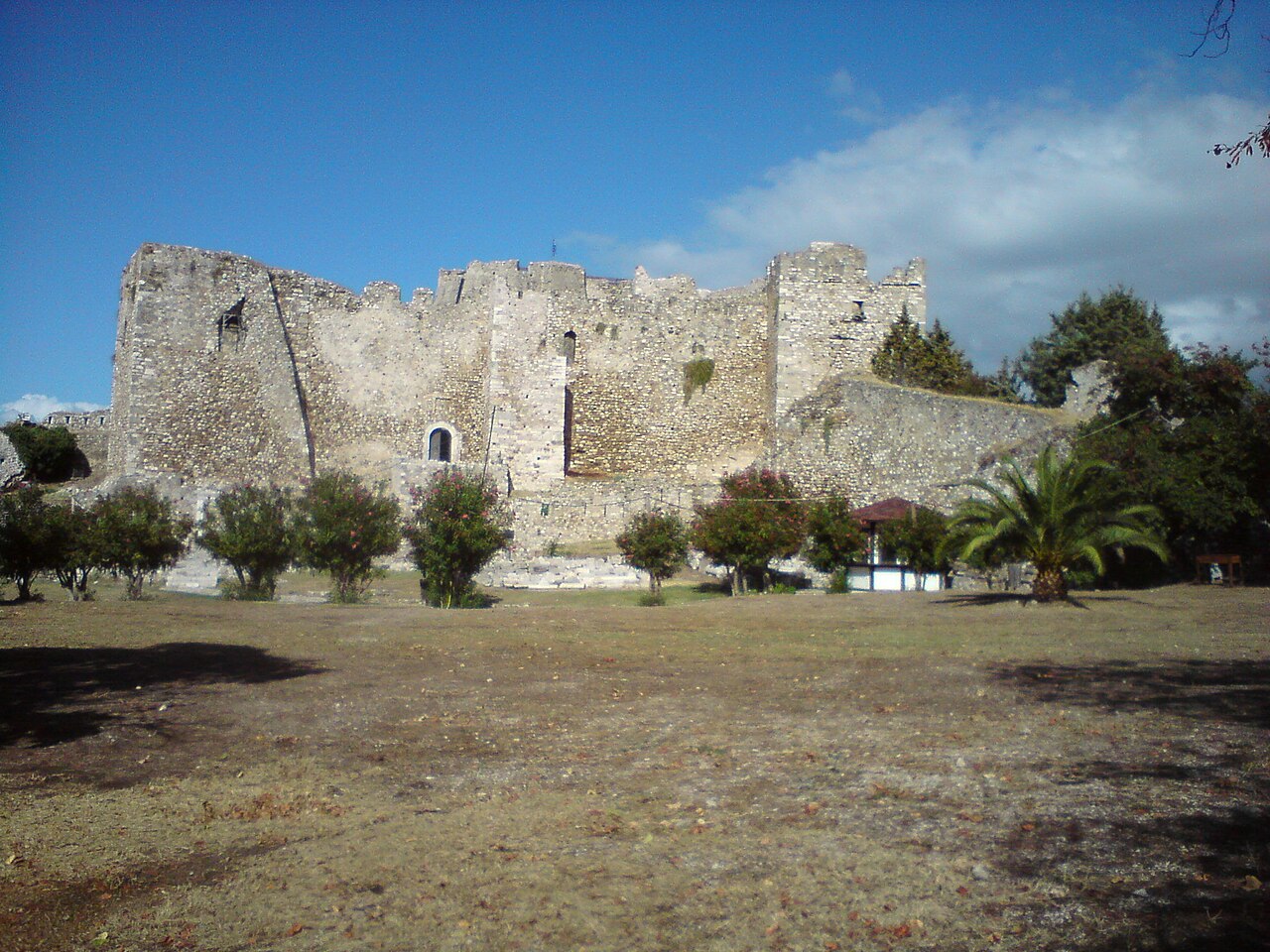
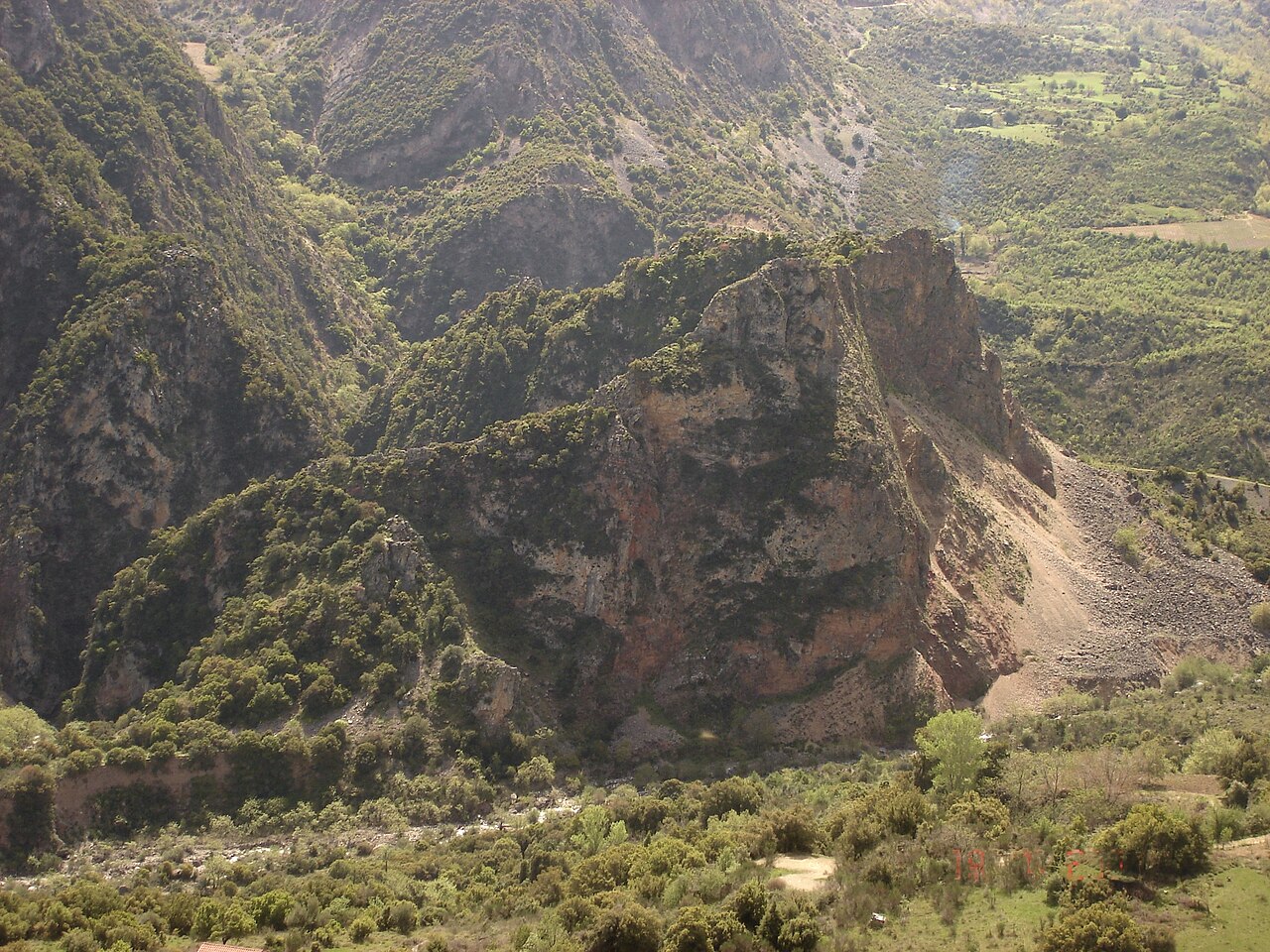
Sidirokastro (Greek: Σιδηρόκαστρο, meaning "the iron castle") is a medieval fortress ruin located in the region of Achaea, Greece. Positioned strategically between the villages of Krini and Kallithea, it occupies a foothill of the Panachaiko mountain range known as Omplos. The castle's remains lie near the historic Omblos Monastery in the village of Zoitada, emphasizing its connection to both military and religious landmarks in the area.

The exact date of the castle's construction is uncertain, but it is generally attributed to the 14th century, during the period of the Principality of Achaea established by the Franks after the Fourth Crusade. Sidirokastro was part of a network of fortifications intended to defend the important city of Patras, a key Venetian stronghold in the region. The Venetians constructed numerous small castle-fortresses around Patras, and Sidirokastro contributed to this defensive system, guarding vital routes and controlling access through the rugged terrain.

Historical context and strategic importance

Sidirokastro first appears in historical records in a 1364 list of castles in Achaea, although detailed accounts of its history and military engagements are lacking. Its location was of considerable strategic value, situated adjacent to the old road to Kalavryta, known as the Makelarias Road. This route was vital for communication and troop movements between the coastal areas and the mountainous interior of the Peloponnese.

The castle's name, meaning "iron castle," is believed to derive from the local slate stones called "sideropetra" or "iron stones" by residents. These stones may have influenced both the naming and the construction materials used in the castle's walls. A notable artifact associated with Sidirokastro is the iron gate of the Omplos Monastery, which local tradition holds was originally part of the castle's fortifications.

Architectural features and current condition

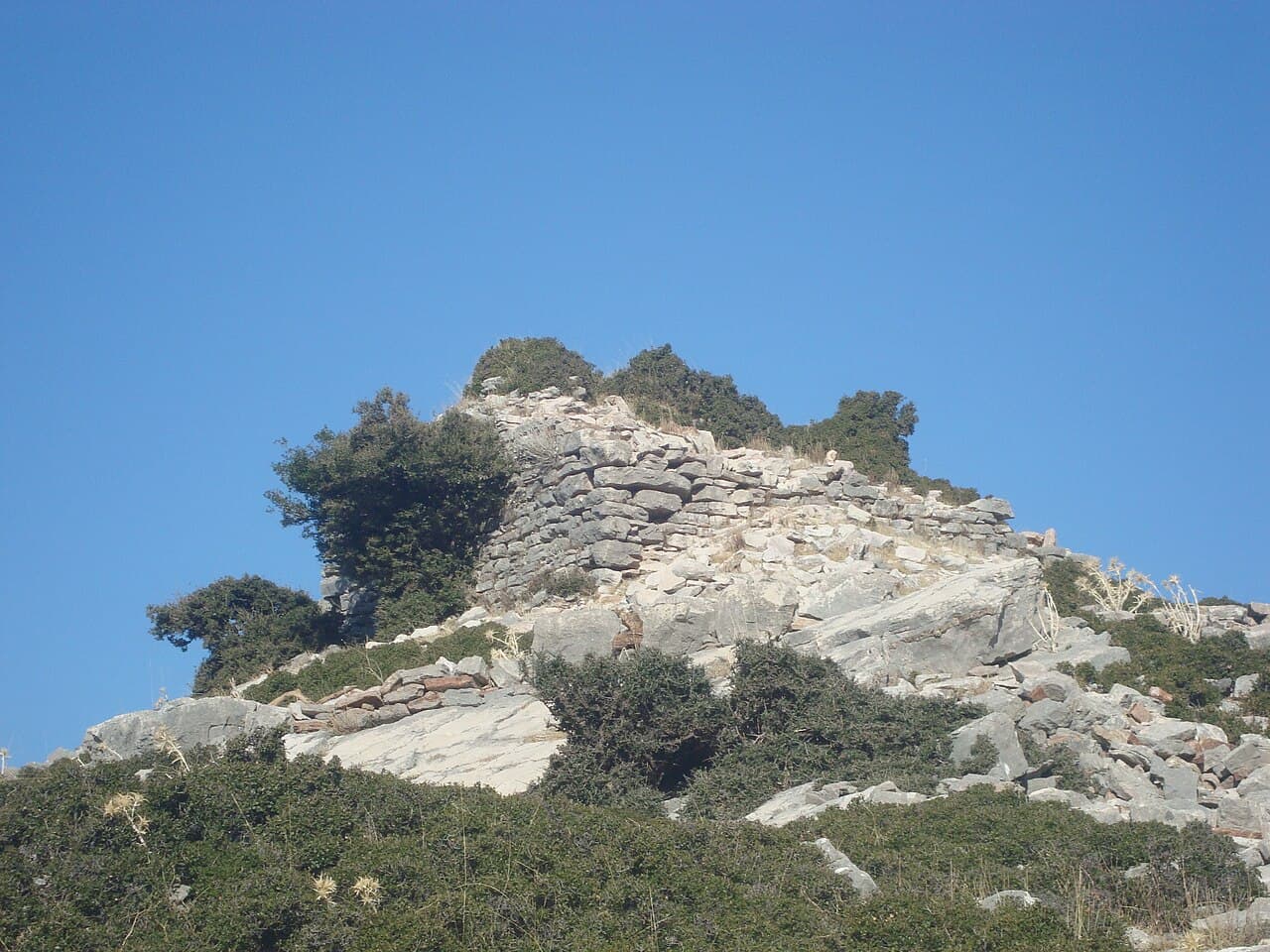
Today, Sidirokastro exists primarily as archaeological ruins, with only fragments of its original structure surviving. The castle's architectural design and layout remain largely undocumented due to the scarcity of visible remains. However, typical of Frankish castles in the region, it likely featured defensive walls adapted to the rocky terrain, towers for surveillance, and a gatehouse controlling access to the fortress.

The use of local stone materials such as sideropetra would have given the castle robust defensive qualities. Its position on the Omplos foothill provided natural elevation advantages, enabling defenders to monitor the surrounding landscape and the approach along the Makelarias Road.

Cultural significance and preservation

Although Sidirokastro is not as well-preserved or extensively studied as other castles in the Peloponnese, it holds cultural value as part of the medieval fortification network in Achaea. Its proximity to the Omblos Monastery links it to the religious and social history of the area, illustrating the intertwined nature of military and ecclesiastical sites during the Late Medieval period.

Preservation efforts remain limited, and the site is primarily of interest to archaeologists and historians specializing in Frankish Greece and medieval military architecture. Visitors to the region can explore the surrounding landscape and nearby historical landmarks, gaining insight into the strategic importance of castles like Sidirokastro in controlling access through the Peloponnesian mountains.

Visitor information and accessibility

The castle ruins are accessible via local roads connecting Krini and Kallithea, with the Omblos Monastery serving as a nearby reference point. Due to the site's ruinous state and lack of extensive infrastructure, visitors should prepare for a modest hike and limited on-site interpretation. The natural setting offers scenic views of the Panachaiko range and the surrounding countryside.

Sidirokastro remains a quiet historical site, attracting those interested in medieval history, archaeology, and the legacy of the Frankish presence in Greece. It complements visits to other castles and fortresses in the Achaea region, contributing to a broader understanding of the area's complex medieval past.

Frequently asked questions (FAQ)

How do I get to Sidirokastro Castle?
To reach Sidirokastro Castle in Achaea, visitors can drive from the nearby city of Patras, which is approximately 30 kilometers away. Public transportation options are also available, with regular bus services connecting to the area, making it accessible for those without a car.
What is the historical significance of Sidirokastro Castle?
Sidirokastro Castle has a rich history dating back to the Byzantine era, serving as a strategic military stronghold. It played a crucial role in the defense against invasions and has witnessed several historical events that shaped the region over the centuries.
When was Sidirokastro Castle built?
Sidirokastro Castle was originally constructed in the 6th century AD, during the Byzantine period. Over the years, it has undergone various renovations and expansions, reflecting different architectural styles and influences throughout its history.
Can I visit Sidirokastro Castle any time of the year?
Yes, Sidirokastro Castle is open to visitors year-round, although specific opening hours may vary seasonally. It is advisable to check the official website for the latest information on visiting hours, especially during holidays or special events.
Why is Sidirokastro Castle a popular tourist attraction?
Sidirokastro Castle attracts visitors due to its stunning architecture and panoramic views of the surrounding landscape. Its historical significance combined with picturesque scenery makes it a must-visit destination for history enthusiasts and nature lovers alike.
Is it possible to enter the castle grounds without a ticket?
No, entrance to Sidirokastro Castle requires a ticket, which can be purchased on-site. The ticket prices are quite affordable, ensuring that visitors can enjoy the rich history and beautiful views that the castle has to offer.
What are the best times to visit Sidirokastro Castle?
The best times to visit Sidirokastro Castle are during the spring and fall when the weather is mild and pleasant. Summer can be quite hot, while winter may bring cooler temperatures, so plan your visit accordingly for the most enjoyable experience.
Are there any nearby attractions to visit after exploring the castle?
Yes, after visiting Sidirokastro Castle, you can explore the nearby ruins of ancient Achaea and the beautiful coastal areas along the Gulf of Corinth. Additionally, the charming town of Kalavryta, known for its historical significance and natural beauty, is also a short drive away.

Photo gallery

Sidirokastro in Achaea
Click to view

Photo by Tony Esopi•CC BY-SA 3.0

1 photo • Click any image to view in full screen

Information

Archaeological Site / Ruins

Loading map...

Visitor reviews

No reviews yet. Been here? Write the first review and help other travelers!

Write the first review

Visited this castle? Share your experience

Your review helps other travelers and adds first-hand knowledge to our encyclopedia.
Write a review

(5/5)

0/2000 characters

Your review will be visible after admin approval

Nearby castles

6.7 km
Chalandritsa Tower — Greece castle

Chalandritsa Tower

, Greece

The Chalandritsa Tower stands as a significant example of high medieval military architecture in Greece, dating back to the 13th century. Though now in a state of ruins, this tower offers valuable insights into the defensive strategies and architectural styles employed during the period of Frankish rule in the Peloponnese region. The tower's remains are an important archaeological site that reflects the turbulent history of the area during the Middle Ages. Historical context and significance Constructed during the high medieval period, the Chalandritsa Tower was part of a network of fortifications established by the Frankish Principality of Achaea, which controlled large parts of the Peloponnese after the Fourth Crusade in the early 13th century. The tower likely served both as a military lookout and a defensive stronghold, protecting the surrounding lands and trade routes from raids and invasions. The strategic location of the tower would have allowed its occupants to monitor movement across the region and communicate with nearby fortresses. The Frankish lords who ruled this area relied on such structures to maintain control and secure their holdings against Byzantine attempts to reclaim the territory, as well as local uprisings. Architectural features and construction The Chalandritsa Tower was built using local stone, typical of medieval fortifications in Greece. Although only ruins remain today, archaeological studies indicate that the tower was a stone keep—a tall, rectangular structure with thick walls designed to withstand sieges and attacks. Its construction reflects the military architectural principles of the time, emphasizing verticality and defensibility. The thick walls would have provided protection from projectiles, while narrow windows or arrow slits allowed defenders to observe and repel attackers. Surrounding the tower, traces of additional defensive works such as curtain walls or small baileys may have existed, though much of this has been lost to time. The tower’s elevated position would have further enhanced its defensive capabilities, offering commanding views of the surrounding landscape. Archaeological investigations and preservation Today, the Chalandritsa Tower is classified as an archaeological ruin. Excavations and surveys have helped document its layout and construction techniques, contributing to the broader understanding of Frankish military architecture in Greece. Preservation efforts focus on stabilizing the remaining structures to prevent further deterioration. The site provides valuable educational opportunities for historians, archaeologists, and visitors interested in medieval fortifications and the history of the Peloponnese. Visiting the site While the Chalandritsa Tower is not as extensively restored or developed for tourism as some other medieval castles in Greece, it remains accessible to visitors with an interest in history and archaeology. The ruins offer a tangible connection to the medieval past of the region and a chance to explore the remains of a once-formidable defensive structure. Visitors should prepare for a modest hike and bring appropriate footwear, as the terrain around the tower can be uneven. There are no formal visitor facilities on-site, so planning ahead is advisable. Legacy and cultural importance The Chalandritsa Tower is an important cultural landmark that illustrates the complex history of medieval Greece, particularly during the period of Frankish rule. It serves as a reminder of the military and political struggles that shaped the Peloponnese and contributes to the region’s rich archaeological heritage. As an archaeological site, it continues to attract scholars and enthusiasts who seek to understand the architectural and historical developments of the Middle Ages in this part of Europe.

High Medieval (11th–13th c.)
Details
9 km
Patras Castle — Greece castle

Patras Castle

Patras, Greece

Patras Castle stands as a monumental testament to Byzantine military architecture and the turbulent history of the Peloponnese region. Constructed in the mid-6th century AD under the reign of Emperor Justinian I, this hill castle was strategically positioned atop the ruins of the ancient acropolis of Patras, on a low outlying hill of the Panachaiko Mountain. Its location afforded commanding views over the surrounding landscape and the nearby Patraic Gulf, making it a critical defensive stronghold throughout its long history. The castle's origins are deeply intertwined with the aftermath of the 551 AD earthquake, which devastated the city of Patras. In response, Justinian I ordered the construction of a fortified complex to protect the city from external threats. The builders ingeniously reused materials from pre-Christian structures, including Roman architectural fragments, which remain visible in the masonry to this day. This practice of spolia not only provided practical building materials but also symbolically linked the new fortress to the city's ancient past. Patras Castle features a distinctive triangular outer wall reinforced by multiple towers and gates, originally surrounded on three sides by a deep moat. This moat, combined with the robust stone walls rising approximately 12 meters high, created a formidable barrier against invaders. Within the outer defenses lies an inner compound located at the northeastern corner, itself protected by another moat and accessed through a large gate tower. This layered defensive design exemplifies Byzantine military engineering aimed at maximizing protection and control. Historical significance and military role Throughout the Byzantine period, Patras Castle played a vital role as both a military fortress and administrative center. It successfully withstood numerous sieges by various groups, including the Slavs, Saracens, Normans, and Bulgarians. One of the most celebrated events in its history was the siege of 805 AD, when combined Slavic and Saracen forces attempted to capture the fortress but were repelled. This victory was traditionally attributed to a miracle by St. Andrew, the patron saint of Patras, enhancing the castle's spiritual and cultural significance. After the Fourth Crusade in 1205, the castle came under the control of the Frankish Principality of Achaea. The Franks undertook significant fortification efforts, including the excavation of moats on all three sides of the outer walls, further enhancing the castle's defensive capabilities. In 1278, the castle was pawned to the local Latin Archbishop, who maintained possession for over 150 years. During this time, the fortress also briefly came under Venetian control in 1408, who leased it for five years and reinforced its defenses. In 1430, the castle was reclaimed by the Despot of the Morea and future last Byzantine emperor, Constantine Palaiologos. He undertook extensive repairs and strengthening of the walls, reflecting the ongoing strategic importance of the fortress in the waning years of the Byzantine Empire. The Ottoman Empire captured Patras Castle in 1458, incorporating it as a key administrative and military center in the Peloponnese during the period known as Tourkokratia. Despite Ottoman dominance, the castle briefly fell to the Venetians during the Morean War in 1687, who enhanced the fortifications before the Ottomans retook it in 1715, renaming it Balya Badra. During the Greek War of Independence beginning in 1821, Patras Castle was a focal point of military action. Greek revolutionary forces, led by Theodoros Kolokotronis, laid several sieges but were unable to capture it until 1828, when French troops under General Maison succeeded in taking the fortress, marking a significant step towards Greek independence. Architectural features and construction details Layout and defensive structures The castle covers an area of approximately 22,725 square meters on a gentle hill near the Panachaiko Mountain foothills, about 800 meters inland from the Patraic Gulf coast. Its triangular outer wall is punctuated by numerous towers and gates, providing overlapping fields of fire and robust defense. The original moat, now dry, surrounded three sides of the fortress, creating a formidable obstacle for attackers. The inner enclosure, situated at the northeastern corner, was designed as a last line of defense. It is separated from the outer ward by its own moat and accessed via a large gate tower covering around 30 square meters. This gate tower controlled entry and exit, reinforcing security within the compound. Use of spolia and masonry techniques One of the castle's most striking features is the extensive use of spolia—reused building materials from earlier Roman and pre-Christian structures. Architectural fragments such as friezes, vaults, and even a notable marble torso and head of a Roman statue are embedded in the walls. This statue, affectionately known as the "Patrinella" by locals, connects the fortress to the city's rich cultural heritage. The masonry exhibits multiple phases of construction and repair, with walls rising up to 12 meters in height. Repairs by Constantine Palaiologos in the 15th century and later Venetian modifications are evident in the differing stonework and fortification styles. Modern use and preservation Following the turbulent 19th and early 20th centuries, during which the castle served as a military garrison and prison, Patras Castle experienced occupation by German forces during World War II. After liberation in 1944, the fortress gradually transitioned from military use to cultural preservation. Since 1973, the castle has been under the care of the 6th Ephorate of Byzantine Antiquities, which has overseen its maintenance and restoration. Today, the castle is a well-preserved historical landmark and a vibrant cultural venue. An open-air theatre with a capacity of 640 seats has been installed within the inner enclosure, hosting concerts, performances, and festivals, especially during the summer months. Patras Castle remains one of the most significant and best-preserved Byzantine fortresses in Greece, offering visitors a tangible connection to the city's layered history, architectural evolution, and enduring strategic importance.

Early Medieval (5th–10th c.)
Details
15.8 km
Salmeniko Castle — Greece castle

Salmeniko Castle

Aigialeia, Greece

Salmeniko Castle, also known as Orgia or Oria Castle, is a significant medieval fortress located at the foothills of the Panachaiko mountain in the municipality of Aigialeia, Achaea, Greece. Constructed in the 13th century during the High Medieval period, this hill castle played a crucial role in the turbulent history of the late Byzantine Empire. It is renowned for being the last Byzantine garrison to hold out against the advancing Ottoman forces, maintaining resistance until 1461, a full eight years after the fall of Constantinople in 1453. Historical context and significance The castle's strategic position at the foot of the Panachaiko mountain allowed it to serve as a formidable defensive stronghold in the region of Achaea. During the late Byzantine era, the empire was in decline, facing pressure from the rising Ottoman Empire. Salmeniko Castle became a symbol of the last vestiges of Byzantine resistance in the Peloponnese. Its endurance beyond the fall of Constantinople highlights its military and symbolic importance. Historical records indicate that Salmeniko was one of the final bastions where Byzantine forces regrouped and resisted Ottoman conquest. The castle's defenders managed to hold the fortress for several years after the empire's capital had fallen, showcasing the resilience and strategic value of the site. Architectural features and layout Salmeniko Castle exemplifies typical High Medieval hill castle architecture, designed primarily for defense and control of the surrounding territory. The castle's location on elevated terrain provided natural protection and excellent visibility over the surrounding landscape, including the approaches from the coast and inland routes. The fortress was likely surrounded by thick stone curtain walls with battlements and towers at key points to enable defenders to repel attackers effectively. The main gate would have been heavily fortified, possibly with a gatehouse and defensive mechanisms such as a portcullis and murder holes. Within the walls, the castle probably contained essential structures such as a keep or donjon, which served as the last line of defense and residence for the commanding officers. Other internal buildings would have included barracks, storage rooms, and cisterns to ensure water supply during sieges. The castle's design reflects the military architectural principles of the time, emphasizing strong fortifications and self-sufficiency. Siege and fall of Salmeniko Castle In 1461, Salmeniko Castle was besieged by Ottoman forces as part of their campaign to consolidate control over the Peloponnese following the fall of Constantinople. Despite being isolated and outnumbered, the defenders held out for an extended period, demonstrating remarkable determination and tactical skill. The siege ended with the capture of the fortress, marking the definitive end of Byzantine military presence in the region. The fall of Salmeniko Castle symbolized the final collapse of Byzantine authority in Achaea and the broader Peloponnese area, paving the way for Ottoman dominance. Legacy and current status Today, Salmeniko Castle stands as an archaeological site reflecting the complex history of medieval Greece and the Byzantine Empire's twilight years. Although much of the castle lies in ruins, remnants of its walls and defensive structures remain visible, offering valuable insights into medieval military architecture and regional history. The site attracts historians, archaeologists, and visitors interested in Byzantine heritage and the military history of the Peloponnese. Preservation efforts focus on maintaining the ruins and facilitating access for educational and cultural purposes. Visiting Salmeniko Castle Visitors to the castle can explore the ruins and enjoy panoramic views of the surrounding landscape. The site's elevated position provides a unique vantage point over the Achaea region and the Gulf of Corinth. While facilities are limited due to its archaeological nature, the castle remains an important destination for those seeking to understand the military and historical significance of Byzantine Greece.

High Medieval (11th–13th c.)
Details